
Boating Safety Essentials: Prevent Accidents, Understand Liability
Master boating safety protocols, prevent summer mishaps, and navigate legal liability for maximum protection on the water.
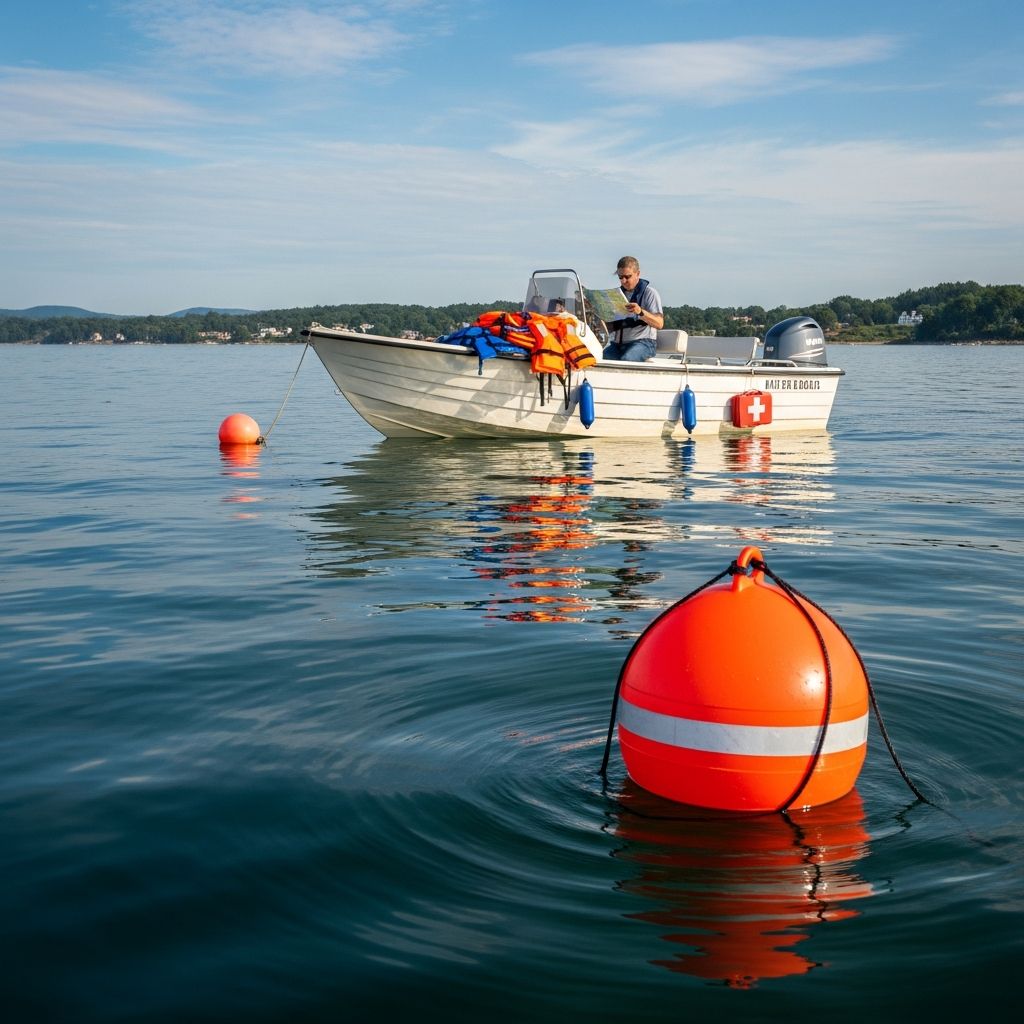
Boating offers thrilling summer adventures, but it carries risks of collisions, drownings, and injuries if precautions are ignored. This guide explores proven prevention strategies, common accident causes, and legal pathways for accountability, empowering boaters to enjoy waters safely while knowing their rights.
Why Boating Accidents Happen and How to Stop Them
Reckless operation, equipment failures, and environmental factors drive most boating incidents. Operator inattention tops the list, followed by excessive speed and alcohol impairment, which contributes to 20% of fatal crashes according to U.S. Coast Guard data. In Florida alone, 44% of collision accidents in 2020 stemmed from poor lookout maintenance. Mechanical issues like engine failures exacerbate these problems, turning enjoyable outings into emergencies.
Prevention starts with awareness. States like New York mandate boating safety certificates for all motorized vessel operators under Brianna’s Law, effective January 1, 2025, covering even jet skis regardless of age or size. Similar rules apply nationwide, emphasizing education to curb inexperience-related mishaps.
Core Safety Practices for Every Voyage
Adopting consistent habits minimizes risks dramatically. Here’s how to gear up effectively:
- Equip with Approved Gear: Every powered boat needs U.S. Coast Guard-approved personal flotation devices (PFDs) for all passengers, especially children and non-swimmers. Sound-signaling devices and fire extinguishers are mandatory; gasoline-powered vessels require backfire flame arrestors.
- Master Vessel Maintenance: Routine checks on hull integrity, engines, steering, and electrical systems prevent breakdowns. Faulty equipment often leads to product liability claims if defects like poor design or manufacturing flaws cause harm.
- Plan Routes and Weather: File a float plan with someone onshore detailing your itinerary, expected return, and contacts. Monitor forecasts to avoid storms; inclement conditions amplify collision risks.
These steps align with federal and state guidelines, reducing accident likelihood by addressing top contributors like machinery failure and navigation errors.
Operator Responsibilities: Training and Sobriety First
Boat operators bear primary duty for passenger safety, akin to drivers on roads. Completing a certified boater education course teaches navigation rules, emergency responses, and right-of-way protocols. Inattention or inexperience causes many crashes, but training builds competence.
Alcohol remains the leading factor in fatal incidents, impairing judgment and reaction times. Designate a sober captain—zero tolerance applies, as even moderate consumption heightens collision odds. States enforce Blood Alcohol Concentration (BAC) limits of 0.08% for operators, with stricter rules for those under 21 or operating personal watercraft.
| Common Operator Errors | Prevention Strategy | Potential Consequence |
|---|---|---|
| Excessive Speed | Observe limits and conditions | Loss of control, collisions |
| Poor Lookout | Assign dedicated observers | Striking swimmers or vessels |
| Alcohol Use | Sober operator only | Fatal crashes (20% of cases) |
| Inexperience | Complete safety course | Navigation violations |
This table highlights preventable errors, underscoring training’s value.
Navigating Regulations: Federal and State Rules
U.S. Coast Guard sets baseline standards, but states add layers. New York requires accident reports for deaths, injuries beyond first aid, disappearances, or over $1,000 property damage within five days to the Office of Parks, Recreation and Historic Preservation. Florida and Alabama stress lookout duties and negligence standards.
Compliance avoids fines and liability. For instance, failing to yield right-of-way or overloading vessels invites negligence claims. Always verify local speed zones, no-wake areas, and swim zones before launch.
Immediate Response to Boating Incidents
Accidents demand swift action. First, ensure safety: rescue anyone overboard, administer first aid, and signal distress with horns or flares. Avoid moving the vessel if injuries occur, preserving the scene.
Exchange details with others involved: names, contacts, insurance, and vessel info. Gather witness statements and photos of damage, weather, and positions. Report promptly per state rules—delays complicate claims. Seek medical evaluation even for minor symptoms, as adrenaline masks issues like concussions or internal injuries.
Legal Liability: Proving Fault on the Water
Negligence underpins most claims: operators must exercise reasonable care. Plaintiffs prove duty, breach, causation, and damages. Contributory negligence bars recovery in some states like Alabama if plaintiffs share fault; others use comparative systems reducing awards proportionally.
Defective boats trigger product liability against manufacturers for design flaws, poor warnings, or assembly errors. Insurance often covers, but adjusters minimize payouts—legal help counters this.
Building a Strong Compensation Claim
Injured parties seek damages for medical bills, lost income, pain, and property loss. Timelines vary: New York’s three-year personal injury statute, two years for wrongful death, with 90-day notice for public entities. Minors get extensions to age 21.
Attorneys investigate: securing records, expert analyses, and witness accounts. They negotiate settlements or litigate, maximizing recovery. Post-accident, avoid insurer statements without counsel—statements can undermine cases.
State-Specific Insights and Deadlines
- New York: Mandatory certification; report accidents within 5 days; 3-year claim window.
- Florida: Lookout failures common; weather checks vital.
- Alabama: Strict contributory negligence; product claims viable.
- New Jersey: Emphasizes maintenance and courses.
Tailor actions to jurisdiction for best outcomes.
Frequently Asked Questions (FAQs)
What should I do immediately after a boating accident?
Secure safety, provide aid, document the scene, exchange info, report to authorities, and consult a doctor. Preserve evidence for claims.
Who is liable in a collision between two boats?
The at-fault operator, often via negligence like speeding or inattention. Shared fault may apply under comparative rules.
Do I need a boating license everywhere?
Federal NASBLA courses recommended; states like NY require certificates for motorized craft. Check local laws.
Can I sue for a defective boat injury?
Yes, via product liability for manufacturing, design, or warning defects against makers/sellers.
How does alcohol affect boating liability?
It leading factor in fatalities; BAC over limits presumes negligence, barring defenses.
Empowering Safer Waters for All
Proactive safety—gear, training, sobriety—slashes risks, while legal knowledge protects rights post-incident. Boating thrives with responsibility, turning potential tragedies into cherished memories.
References
- How to Prevent Common Boating Accidents and Injuries in New Jersey — Cooper Levenson. Accessed 2026. https://www.cooperlevenson.com/how-to-prevent-common-boating-accidents-and-injuries-in-new-jersey/
- Boating Accidents – Know How to Stay Safe on the Water — Tobias Comer Law. Accessed 2026. https://www.tobiascomerlaw.com/boating-accidents-know-how-to-stay-safe-on-the-water/
- Boating Safety Tips to Avoid Accidents This Summer — Trial Law 1. Accessed 2026. https://www.triallaw1.com/boating-safety-tips-to-avoid-accidents-this-summer/
- ‘Water’ You Doing? Expert Tips to Avoid Water-Related Accidents — Legal Team for Life. 2024-05. https://legalteamforlife.com/2024/05/avoid-water-related-accidents/
- Boat Accident Safety & Legal Tips — Collins Law. Accessed 2026. https://www.collinslaw.com/blog/boat-accident-safety-legal-tips/
- 4 Boating Safety Tips to Avoid an Accident This Summer — Jensen Phelan Law Firm. Accessed 2026. https://www.jensenphelanlawfirm.com/4-boating-safety-tips-to-avoid-an-accident-this-summer/
Similar Articles








Read full bio of medha deb




