
Black Friday Shopping Injuries: Legal Claims and Compensation
Understand your legal rights when injured during holiday shopping and how to pursue fair compensation.
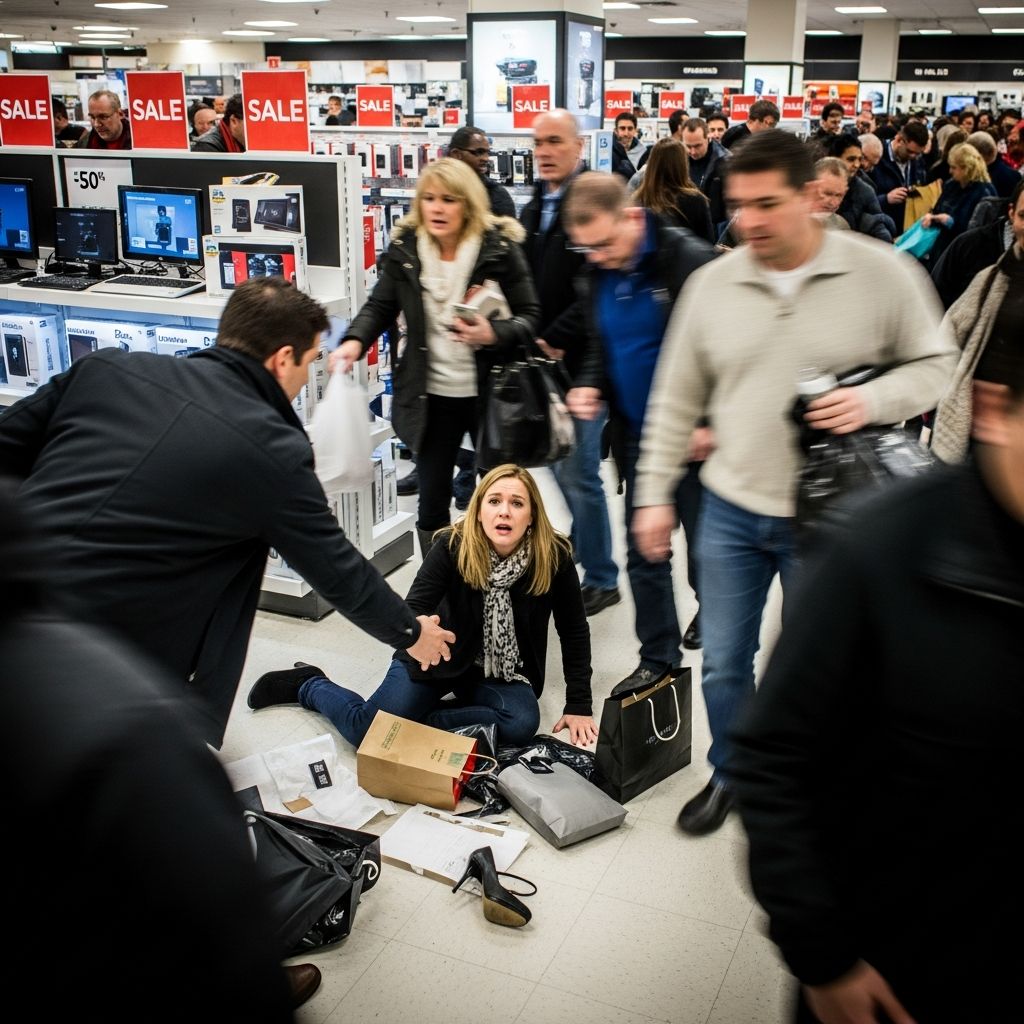
The holiday shopping season brings excitement and opportunity for consumers seeking deals, but it also introduces significant safety risks. Black Friday, in particular, has become synonymous with crowded retail environments, chaotic shopping conditions, and the potential for serious injuries. When the pursuit of discounted merchandise leads to accidents—whether through slips and falls, crowd-related injuries, or hazardous store conditions—injured shoppers may have legitimate legal avenues to seek compensation. Understanding your rights as a consumer and the legal framework governing retail liability is essential for protecting yourself and holding businesses accountable for negligence.
The Legal Foundation for Retail Injury Claims
When you enter a retail establishment as a customer, you are classified as an invitee under property law. This classification is significant because it establishes that the store owner or manager has a heightened duty of care toward you. Retailers must take reasonable precautions to maintain a safe shopping environment and must warn customers of any known hazards that could cause injury. This legal obligation forms the basis for premises liability claims, which allow injured shoppers to recover damages when a business fails to uphold its responsibility.
The concept of premises liability recognizes that property owners benefit from inviting customers onto their property for commercial purposes, and therefore must bear responsibility for maintaining reasonably safe conditions. This principle applies regardless of whether the hazard was created by the store’s actions or simply neglected maintenance.
Essential Elements Required to Establish a Viable Claim
Successfully pursuing a Black Friday injury claim requires establishing specific legal elements. Your case must demonstrate that each of these components is present; the absence of any single element could undermine your entire claim.
- Duty of Care Existed: The retailer owed you a legal obligation to maintain safe premises and protect you from foreseeable harm. This duty is automatic when you enter as a customer and does not need to be explicitly stated.
- Breach of That Duty: The store failed to take reasonable steps to address known hazards or prevent risks that should have been foreseeable. This could involve ignoring unsafe crowd control practices, failing to clean spilled liquids, or neglecting security measures.
- Causation—Direct Connection: The store’s negligent action or inaction directly resulted in your injury. You must show a clear link between the breach and your harm, not merely that both occurred.
- Measurable Damages: You suffered quantifiable losses such as medical bills, lost income, or pain and suffering. Without documented damages, you cannot recover compensation.
Additionally, establishing foreseeability strengthens your claim. If the store knew or reasonably should have known about dangerous conditions—such as overcrowding during Black Friday—but failed to implement safety measures, this knowledge demonstrates negligence.
Common Hazards and Negligent Conditions in Retail Environments
Black Friday shopping creates unique risks that retailers must anticipate and mitigate. Injuries commonly arise from conditions that might be preventable through proper management:
- Crowd-Related Injuries: Stampedes, pushing, and dangerous crowding patterns can occur when stores fail to manage customer flow or implement adequate entrance protocols.
- Slip and Fall Hazards: Wet floors from spills or weather, inadequate floor maintenance, or lack of warning signage create obvious dangers.
- Inadequate Security Measures: Insufficient security personnel or poor loss prevention procedures can fail to prevent assaults or protect customers during chaotic conditions.
- Falling Merchandise: Improperly stocked shelves or displays that collapse can cause serious injuries, particularly when stores prioritize speed over safety during sales events.
- Poor Lighting and Signage: Inadequate illumination in parking areas or unclear warnings about hazardous conditions increase injury risk.
- Structural Deficiencies: Doors that fail to operate properly, escalators or elevators in disrepair, or other structural issues can cause injuries.
The key factor in liability is whether the store knew—or should have known—about these conditions and failed to address them appropriately.
Identifying Potentially Responsible Parties
While the store owner is often the primary defendant in retail injury claims, liability may extend to multiple parties depending on circumstances:
- Store Management and Employees: Direct operators responsible for day-to-day safety and crowd management.
- Property Owners: Landlords who lease space to retailers may bear responsibility for maintaining safe premises, particularly structural elements.
- Security Personnel: Third-party security companies can be liable for failing to prevent assaults or manage crowds adequately.
- Other Shoppers: While individual consumers typically cannot be sued easily, a shopper who acts recklessly and causes injury could potentially face personal liability.
- Manufacturers: If a product defect causes injury—such as a faulty display stand—the manufacturer may be liable alongside the retailer.
- Local Authorities: In cases involving parking lot accidents or traffic control failures, municipalities may share responsibility.
Determining liability often requires investigation and expert analysis to establish which party’s negligence directly caused your injury.
The Immediate Steps Following a Black Friday Injury
Your actions immediately after an injury significantly impact the strength of your legal claim. Prompt and thorough documentation creates a compelling record:
- Report the Incident: Immediately notify a store manager or employee and request that an incident report be filed. Obtain a copy for your records.
- Photograph the Scene: Take clear photos and videos of the area where you were injured, including hazards, crowd conditions, signage (or lack thereof), and any equipment involved.
- Gather Witness Information: Collect names, contact information, and brief statements from anyone who witnessed your injury. Their testimony can corroborate your account.
- Seek Medical Attention: Visit a healthcare provider promptly, even for seemingly minor injuries. Medical records create crucial documentation of your damages.
- Document Communications: Keep records of all conversations with store representatives, insurance adjusters, or anyone else discussing the incident.
- Preserve Evidence: Maintain the clothing and shoes you wore, as these may show damage supporting your account of events.
These steps create a detailed contemporaneous record that becomes invaluable if your case proceeds to settlement negotiations or litigation.
Understanding Contributory Negligence Defenses
Retailers typically defend against injury claims by arguing that the injured party bears some responsibility for the accident. Courts in many jurisdictions apply comparative negligence principles, which can reduce or eliminate compensation if you are found partially at fault.
Common arguments stores raise include:
- Reckless Personal Conduct: If you ignored safety warnings, pushed aggressively through crowds, or behaved in ways that exacerbated the danger, the store may argue you contributed to your injury.
- Failure to Heed Warnings: Stores may claim that visible warnings about wet floors or crowded conditions were present, and you proceeded despite these notices.
- Open and Obvious Hazards: Some jurisdictions limit retailer liability for injuries caused by conditions customers should obviously recognize and avoid.
Understanding these defenses helps you prepare counterarguments and demonstrates why the store’s negligence was the primary cause of your injury, not your own actions.
Types of Compensation Available to Injured Shoppers
Successful Black Friday injury claims can result in comprehensive compensation covering both economic and non-economic damages:
| Compensation Category | Description | Examples |
|---|---|---|
| Medical Expenses | All healthcare costs related to treating your injury | Emergency room visits, surgery, physical therapy, ongoing treatment, prescription medications |
| Lost Wages | Income lost due to missed work during recovery | Hourly wages, salary, self-employment income affected by injury |
| Diminished Earning Capacity | Reduced future earning potential from permanent injury or disability | Career changes required due to physical limitations, lower-paying work necessitated by injury |
| Pain and Suffering | Compensation for physical pain and emotional distress | Chronic pain, psychological trauma, reduced quality of life |
| Property Damage | Replacement or repair of personal items damaged in the accident | Broken phone, damaged glasses, torn clothing, damaged jewelry |
| Future Medical Care | Anticipated healthcare costs resulting from long-term injury effects | Ongoing physical therapy, surgical revisions, mobility assistance devices |
The total compensation available depends on the severity of your injuries, the permanence of any disability, and the strength of evidence establishing the store’s negligence.
Filing Insurance Claims and Pursuing Formal Resolution
Most retailers maintain comprehensive liability insurance to cover customer injury claims. The typical process involves multiple stages:
Initial Claim Filing: After notifying the store, you or your attorney will submit a formal claim to the retailer’s insurance company. This claim includes medical records, documentation of damages, photographs, witness statements, and a detailed account of the incident. Filing promptly is crucial, as delaying notification can complicate the process.
Insurance Investigation: The insurance company will investigate your claim, which may include interviewing witnesses, reviewing surveillance footage, and obtaining police reports. During this phase, you should avoid accepting early settlement offers without legal consultation.
Negotiation and Settlement: If the insurer acknowledges liability, settlement negotiations begin. An experienced attorney ensures you receive fair compensation by countering low offers and presenting compelling evidence of damages. Many cases resolve through settlement without requiring litigation.
When Litigation Becomes Necessary
If settlement negotiations fail or the insurance company disputes liability, formal litigation may be required. This process involves several distinct phases:
- Filing a Lawsuit: Your attorney formally initiates legal proceedings by filing a complaint detailing the accident, the defendant’s negligence, and damages sought.
- Discovery: Both parties exchange evidence, including medical records, witness testimony, surveillance footage, and documents relevant to the case.
- Pre-Trial Negotiations: Often, settlement discussions resume during litigation as both parties recognize trial costs and uncertainties.
- Trial: If settlement remains impossible, the case proceeds to trial where evidence is presented and a judge or jury determines liability and awards damages.
Litigation should be pursued when the insurance company offers insufficient compensation or refuses to acknowledge responsibility for injuries clearly resulting from the store’s negligence.
Why Professional Legal Representation Matters
While you technically could pursue a Black Friday injury claim independently, consulting an experienced personal injury attorney significantly improves your outcomes. Attorneys understand the nuances of premises liability law, know how to value claims comprehensively, and skillfully negotiate with insurance companies that are trained to minimize payouts. They also ensure you meet critical deadlines and procedural requirements that could otherwise result in losing your claim entirely.
Frequently Asked Questions
Q: What is the time limit for filing a Black Friday injury claim?
A: Each state has a specific statute of limitations for personal injury claims, typically ranging from two to six years from the injury date. However, you should file promptly to preserve evidence and witness memories. Consulting an attorney immediately ensures you don’t miss critical deadlines.
Q: Can I sue if I was injured by another shopper rather than the store?
A: Yes, in many cases. While the other shopper may be individually liable, you might also have a claim against the store for failing to provide adequate security, crowd control, or protection from foreseeable harm by other customers.
Q: Will I lose my claim if I’m partially at fault for the accident?
A: Not necessarily. Comparative negligence laws vary by state, but many jurisdictions allow recovery even if you’re partially responsible. However, your compensation may be reduced proportionally to your degree of fault.
Q: What should I do if the store denies responsibility?
A: Continue pursuing your claim through insurance or litigation. Strong documentation of the accident scene, injuries, and store negligence can overcome denials. An attorney can help prove the store’s liability despite their denial.
Q: How much compensation can I expect?
A: Compensation varies significantly based on injury severity, medical expenses, lost wages, and pain and suffering. Minor injuries might yield a few thousand dollars, while severe injuries causing permanent disability can result in six or seven-figure settlements.
Q: Do I need medical documentation to proceed with a claim?
A: Yes. Medical records establishing your injuries and treatment are fundamental to any claim. Without documentation, proving damages becomes extremely difficult, and insurers are unlikely to offer substantial compensation.
References
- Can You File a Personal Injury Claim After a Black Friday Accident? — MHK Attorneys. 2024. https://mhkattorneys.com/can-you-file-a-personal-injury-claim-after-a-black-friday-accident/
- When Black Friday Deals Turn Into Brawls And Injuries — Arash Law. 2024. https://arashlaw.com/when-black-friday-deals-turn-into-brawls-and-injuries/
- Black Friday Rush: Understanding Premises Liability and Your Rights as a Shopper — Law Offices of Vincent J. Ciecka. 2024. https://ciecka.com/black-friday-rush-understanding-premises-liability-and-your-rights-as-a-shopper/
- Understanding Your Rights After a Black Friday Store Injury — Drake Law Group. 2024. https://www.drakelawgroup.com/post/understanding-your-rights-after-a-black-friday-store-injury
- Can You Sue for Black Friday Injuries? — Malman Law. 2024. https://www.malmanlaw.com/malman-law-injury-blog/can-sue-black-friday-injuries/
- Black Friday Injuries: When Stores Can Be Held Liable for Unsafe Conditions — Hilton & Somer, LLC. 2024. https://www.hiltonsomer.com/black-friday-injuries-when-stores-can-be-held-liable-for-unsafe-conditions/
Similar Articles








Read full bio of medha deb




