
Battling Fakes: Legal Weapons in Fashion’s War
Uncover how cutting-edge legal strategies and tech innovations are shielding the fashion world from rampant counterfeiting threats.
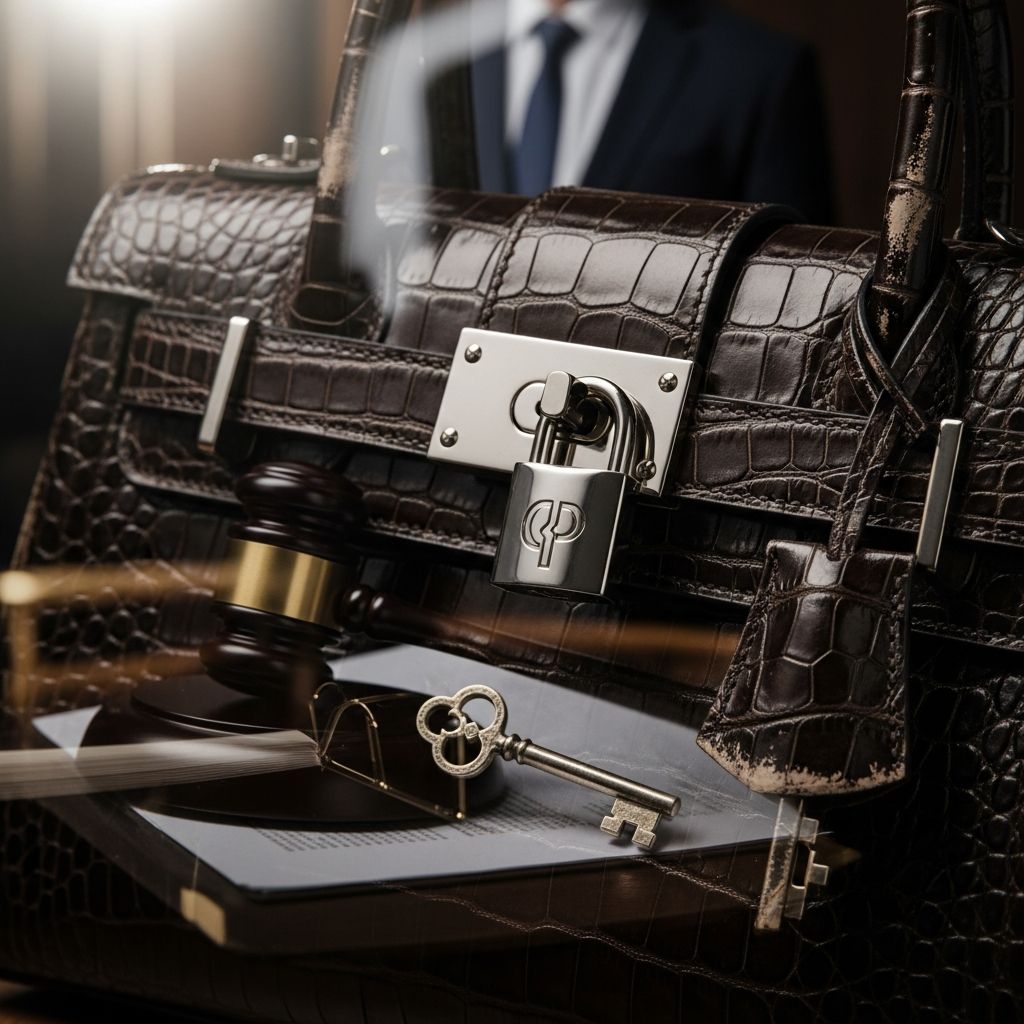
The fashion industry, valued at trillions globally, faces an existential threat from counterfeits that siphon billions in revenue annually while eroding brand prestige. Legal frameworks, evolving with digital marketplaces and sophisticated fakes, empower designers to reclaim control through trademarks, trade dress, and innovative enforcement.
Defining the Enemy: Counterfeits, Dupes, and Super-Fakes
Counterfeits represent the most blatant assault, featuring marks identical or nearly indistinguishable from registered trademarks on covered goods, likely deceiving consumers about origin. Unlike standard infringement, which hinges on confusion likelihood, counterfeiting demands substantial similarity under 18 U.S.C. § 2320, targeting items like Class 25 apparel and footwear.
Dupes occupy a murkier zone: inspired replicas avoiding logos but mimicking aesthetics, packaging, or vibe to evoke the original without direct claims of authenticity. Super-fakes elevate the danger, boasting quality rivaling genuines, blurring lines to the point courts scrutinize overall commercial impression beyond mere logos.
| Type | Key Traits | Legal Triggers |
|---|---|---|
| Counterfeit | Identical/substantially indistinguishable mark; same goods class | Trademark counterfeiting (Lanham Act, 18 U.S.C. §2320) |
| Dupe | Design/packaging mimicry; no logo use | Trade dress, unfair competition |
| Super-Fake | High-fidelity replica; near-perfect quality | Design patents, dilution claims |
This spectrum complicates defense, as fast-fashion cycles and social media amplify dupes via viral ‘run, don’t walk’ trends.
Intellectual Property Shields: Trademarks and Beyond
Trademarks anchor protection, barring uses causing confusion under the Lanham Act; counterfeits fail this test spectacularly by aping registered symbols on matching goods. Trade dress extends safeguards to product ‘look and feel’—distinctive, non-functional elements like Lululemon’s signature seams or Sol de Janeiro’s Brazilian bum vibe—crucial against logo-free dupes.
Design patents fortify ornamental features, nailing super-fakes via visual similarity tests, while unfair competition doctrines snag parasitic riding on goodwill even sans registration. Yet gaps persist: U.S. law shuns standalone design copyright for wearable fashion, greenlighting knockoffs post-trend peak if logos swap out.
- Trademark Strength: Protects logos, names; enforces via confusion presumption in counterfeits.
- Trade Dress Power: Holistic product identity; potent vs. high-fidelity copies.
- Patent Edge: Ornamental designs; 15-year monopoly for qualifying features.
Courtroom Victories: Landmark Cases Reshaping Enforcement
Recent rulings signal judicial hardening. In Christian Louboutin matters, French courts slammed super-fake peddlers with fines and damages over mere dozens of seized shoes and bags, proving small hauls trigger big penalties. U.S. suits against dupes, like those mimicking luxury jewelry, leverage trade dress to claim source confusion and equity dilution.
Lululemon and Smucker’s actions probe trade dress limits in trend-driven sectors, urging courts to delineate imitation from infringement amid dupe hype. These precedents expand beyond counterfeits, targeting ‘inspired by’ deceivers trading on brand aura.
Tech Frontiers: Authenticating the Authentic
Beyond courts, brands deploy blockchain for provenance tracking, RFID chips for supply chain verification, and AI scanners distinguishing micro-flaws invisible to eyes. Marketplace partnerships with Amazon and eBay enable automated takedowns, while holograms and NFC tags let consumers verify via apps.
These tools shift burden to counterfeiters, who falter against data-backed authenticity proofs, fostering consumer trust and swift enforcement.
Global Quagmires: Cross-Border Counterfeit Chase
Counterfeits thrive in lax-jurisdiction hubs, complicating pursuits as platforms host ephemeral listings. EU variances plague efforts: Registered Community Designs last 25 years, unregistered just three, letting fast-fashion clone post-window. Brands counter via international treaties, Interpol raids, and customs seizures at borders.
U.S. agencies prosecute criminally under trafficking statutes, yielding prison for large-scale ops, yet online anonymity and crypto payments evade nets.
Human Cost: Beyond Profits, Lives at Stake
Counterfeit factories breed horrors: child labor, toxic sweatshops, fatalities from collapses like Rana Plaza echoes. Punitive law chases symptoms; root fixes demand labor reforms, consumer awakening to ethical tolls. Campaigns linking fakes to exploitation pivot buyers toward genuines, dual-tracking IP and human rights.
Strategic Playbook: Brands’ Multi-Pronged Defense
Holistic strategies prevail:
- Proactive IP Fortification: Register marks, designs globally; police via watch services.
- Digital Vigilance: AI monitors e-com, social for infringers; notice-and-takedown protocols.
- Litigation Mix: Civil suits for damages/injunctions; criminal referrals for deterrence.
- Consumer Education: Highlight risks—health hazards in fake cosmetics, funding crime.
- Collaborations: Industry alliances, platform pacts, gov’t lobbying for stricter laws.
Brands blending these reap outsized wins, as super-fake sophistication demands agility.
Frequently Asked Questions
What distinguishes a legal dupe from illegal counterfeit?
Legal dupes sidestep trademarks, offering clear ‘inspired by’ status without confusion; counterfeits ape marks on identical goods, deceiving on source.
Can brands sue over design copies without logos?
Yes, via trade dress or design patents if distinctive/non-functional, capturing overall impression fostering confusion.
How effective are criminal charges against counterfeiters?
Highly deterrent for majors, with U.S. felony penalties including jail; even EU small seizures draw fines.
Do counterfeits fund organized crime?
Often yes, proceeds launder into trafficking, terrorism; beyond economics, they enable exploitation.
What’s next for anti-counterfeiting tech?
AI deepfakes detection, quantum-secure blockchain, biometric product tagging for ironclad verification.
The Road Ahead: Sustaining Fashion’s Integrity
As dupe culture surges and fakes perfect mimicry, adaptive laws, tech, and ethics form an impregnable bulwark. Brands investing now preserve exclusivity, while consumers choosing verified goods starve the beast. Victory demands vigilance across stakeholders.
References
- Counterfeiting – The Fashion Law — The Fashion Law. 2023. https://www.thefashionlaw.com/counterfeiting/
- Client advisory – trends in dupes & super-fakes in luxury retail — White & Case LLP. 2025-09-10. https://www.whitecase.com/insight-alert/client-advisory-trends-dupes-super-fakes-luxury-retail
- The True Price for Your Fake Gucci Bag is a Life: Why Eliminating Unsafe Labor Practices is the Right Answer to the Fashion Counterfeit Problem — Angela Terese Timpone, Cardozo Public Law, Policy & Ethics Journal. 2023. https://larc.cardozo.yu.edu/cplpej/vol15/iss2/5/
- Run, Don’t Walk: Dupe Culture, Trade Dress, and the Growing Fight for Brand Identity — IPWatchdog. 2026-01-12. https://ipwatchdog.com/2026/01/12/run-dont-walk-dupe-culture-trade-dress-growing-fight-brand-identity/
- The Impacts of Knockoffs and Counterfeits on the Fashion Industry — Saint Louis University Law Journal. 2023. https://scholarship.law.slu.edu/cgi/viewcontent.cgi?article=2367&context=lj
Similar Articles








Read full bio of Sneha Tete




