
Bath Salts: 3 Most Dangerous Synthetic Compounds, Risks & Laws
Uncover the hidden risks of synthetic cathinones known as bath salts, their severe health effects, and nationwide illegality in the US.
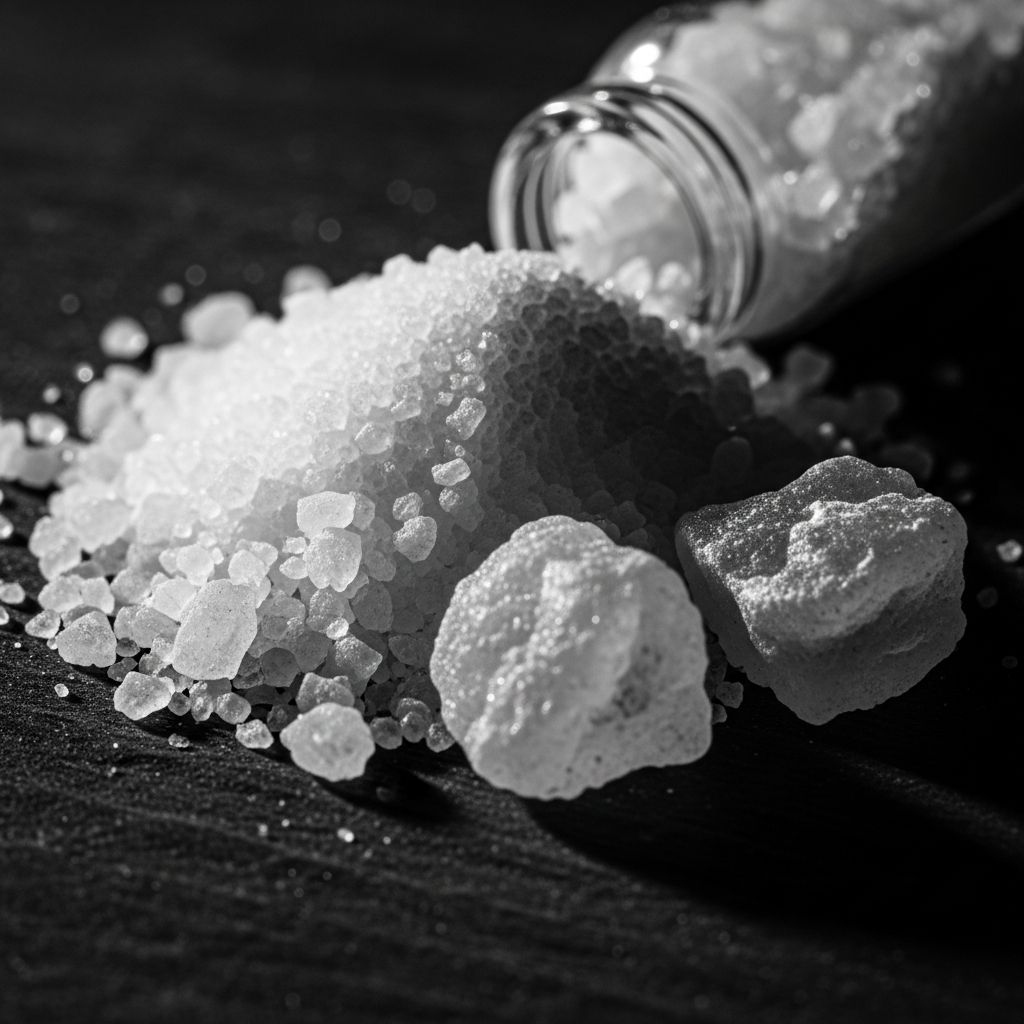
Synthetic cathinones, commonly known as bath salts, emerged as a deceptive class of recreational drugs disguised as everyday products. These lab-created stimulants mimic effects of cocaine or MDMA but pose extreme health risks including psychosis, organ failure, and death. Federally classified as Schedule I controlled substances, they are illegal nationwide with possession and distribution carrying harsh penalties.
Origins and Chemical Makeup of Bath Salts
Bath salts gained notoriety in the late 2000s when manufacturers began producing synthetic versions of cathinone, a natural stimulant found in the khat plant. To evade drug laws, producers labeled these powders as bath salts, plant food, or glass cleaner, with warnings like “not for human consumption.” This ploy aimed to sidestep the Federal Analogue Act, which targets substances chemically similar to scheduled drugs.
The primary active compounds include:
- MDPV (methylenedioxypyrovalerone): A potent stimulant causing intense euphoria followed by paranoia.
- Mephedrone (4-methylmethcathinone): Produces energy surges and hallucinations.
- Methylone: Similar to MDMA, leading to empathy and heightened sensory perception.
These chemicals are synthesized in clandestine labs, often with inconsistent purity, amplifying dangers from contaminants or overdoses.
How Bath Salts Are Consumed and Distributed
Users ingest bath salts via snorting, swallowing capsules, injecting, or smoking. Street names like “vanilla sky,” “blue magic,” or “drone” circulate in underground markets. Packaging mimics legitimate goods, sold in smoke shops, gas stations, or online until bans took effect.
Initially legal in many areas, bath salts proliferated rapidly. By 2011, poison control centers reported surges in calls, prompting emergency federal action.
Devastating Health Impacts and Overdose Risks
Bath salts trigger a cascade of neurological and physical effects far exceeding traditional stimulants. Initial highs involve euphoria, alertness, and empathy, but crashes bring agitation, hallucinations, and suicidal ideation.
| Short-Term Effects | Long-Term Risks |
|---|---|
| Hyperthermia, rapid heartbeat, hypertension | Psychosis, kidney failure, heart damage |
| Paranoia, violent outbursts, seizures | Addiction, cognitive impairment, death |
Case studies document users exhibiting zombie-like behavior, self-mutilation, and attacks on others. Unlike cosmetic bath salts for relaxation, these drugs overload dopamine and serotonin systems, leading to neurotoxicity.
Overdose symptoms include coma, respiratory failure, and cardiovascular collapse. No FDA-approved antidotes exist, relying on supportive care like benzodiazepines for agitation.
Evolution of Federal Regulations
The DEA first acted in October 2011, invoking emergency powers to schedule MDPV, mephedrone, and methylone as Schedule I drugs—indicating high abuse potential, no medical use, and unsafe administration.
This temporary measure lasted 12 months, extendable by six. In July 2012, President Obama signed the Synthetic Drug Abuse Prevention Act (SDAPA), permanently banning these and expanding controls on analogs for 36 months.
Schedule I status prohibits all non-research activities. The DEA continues monitoring new variants, as producers tweak formulas to dodge bans.
State-Level Bans and Enforcement Variations
By 2011, 37 states had preemptively banned bath salts or similar synthetics. Federal law now overrides, rendering them illegal everywhere.
However, state penalties differ:
- Possession: Often misdemeanor (fines up to $500, short jail terms).
- Sale/Distribution: Felony charges with years in prison.
New York exemplifies strict measures, enhancing fines and jail time while targeting formula alterations. All 50 states list bath salts as illegal, though black market sales persist via mislabeled products.
Challenges in Policing and Prosecution
Enforcement hurdles include rapid chemical evolution—designers create “legal highs” by minor modifications. Labels declaring non-human use complicate Analogue Act application.
Law enforcement relies on lab testing for prosecution. Poison center data and hospital reports aid investigations, but underreporting hampers response.
Public health campaigns emphasize education, as users often underestimate risks mistaking them for benign substances.
Real-World Incidents and Public Health Crisis
Bath salts fueled sensational cases, like the 2012 Miami cannibal attack initially (but inaccurately) linked to the drug. Spikes in ER visits—from 304 in 2010 to over 6,000 by 2011—underscored the epidemic.
Vulnerable groups span teens to middle-aged adults. Withdrawal involves depression, anxiety, and cravings, complicating treatment.
Treatment Options and Recovery Pathways
No specific detox exists; management mirrors stimulant overdoses: hydration, cooling for hyperthermia, antipsychotics for psychosis. Behavioral therapies address addiction roots.
Rehab programs incorporate cognitive-behavioral therapy (CBT) and support groups. Long-term sobriety demands relapse prevention amid persistent availability.
Frequently Asked Questions (FAQs)
Are bath salts legal anywhere in the US?
No, federal Schedule I status makes them illegal nationwide, superseding state laws.
What do bath salts look like?
White, off-white, or colored crystalline powders in small packets labeled as bath products or plant food.
Can bath salts cause permanent damage?
Yes, repeated use leads to lasting psychosis, organ damage, and addiction.
How are bath salts different from real bath salts?
Cosmetic bath salts are Epsom or scented crystals for bathing; drug versions are toxic synthetics with no bathing utility.
What should I do if someone overdoses on bath salts?
Call 911 immediately. Monitor breathing and do not leave them alone.
Preventing Future Outbreaks
Ongoing vigilance by DEA and states targets analogs. International cooperation combats lab production, primarily overseas. Education in schools and communities deters experimentation.
Pharmacists and physicians play key roles spotting symptoms and reporting surges. Stricter precursor chemical controls limit synthesis.
While bans curbed overt sales, underground persistence demands sustained policy evolution.
References
- Chemicals Used In “Bath Salts” Now Under Federal Control And Regulation — DEA. 2011-10-21. https://www.dea.gov/press-releases/2011/10/21/chemicals-used-bath-salts-now-under-federal-control-and-regulation
- Bath salts (drug) — Wikipedia. N/A. https://en.wikipedia.org/wiki/Bath_salts_(drug)
- Bath salt drugs: What they are, effects, and overdose — Medical News Today. N/A. https://www.medicalnewstoday.com/articles/bath-salt-drug
- RIA Reaching Others: “Bath Salts” Synthetic Drugs — University at Buffalo. N/A. https://www.buffalo.edu/content/dam/www/ria/ES/ES4Bath%20Salts.pdf
- Bath Salts Legal by State 2026 — World Population Review. 2026. https://worldpopulationreview.com/state-rankings/bath-salts-legal-by-state
- Synthetic Cathinones (‘Bath Salts’): Legal and Health Care Challenges — PMC (NCBI). 2012. https://pmc.ncbi.nlm.nih.gov/articles/PMC3474442/
- Bath Salts – Drugs of Abuse — DEA. 2024-01. https://www.dea.gov/sites/default/files/2025-01/Bath-Salts-2024-Drug-Fact-Sheet.pdf
Similar Articles








Read full bio of Sneha Tete




