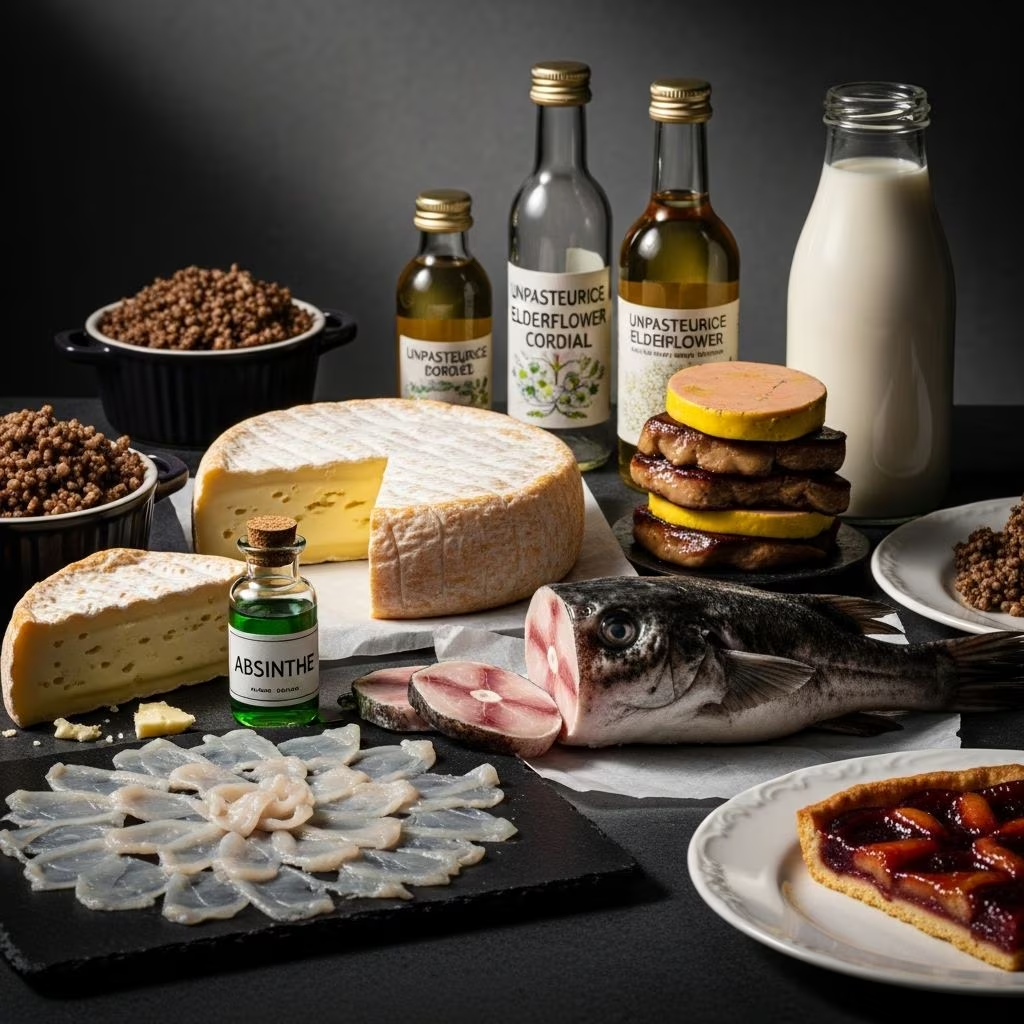
Food regulations in the United States are among the strictest in the world, designed to protect public health, prevent animal cruelty, and conserve natural resources. While many global cuisines feature dishes that Americans might find exotic, some are outright prohibited due to safety concerns, ethical issues, or environmental threats. This article examines key examples of foods banned nationwide or in specific states, explaining the science, history, and legal frameworks behind these restrictions. From meats to fruits, these prohibitions reflect evolving standards in food safety and welfare.
Health-Driven Prohibitions: Protecting Consumers from Hidden Dangers
The **Food and Drug Administration (FDA)** and **United States Department of Agriculture (USDA)** enforce rigorous standards to eliminate risks like bacterial contamination, toxins, and carcinogens. These agencies prioritize evidence-based decisions, often drawing from peer-reviewed studies and outbreak data.
Unpasteurized Milk: A Raw Risk
Raw or unpasteurized milk, popular among advocates for its supposed nutritional benefits, is banned from interstate sale in the US due to high risks of pathogens like Listeria, E. coli, and Salmonella. Pasteurization heats milk to kill these bacteria, a process mandated since the early 20th century after numerous outbreaks. The FDA reports that raw milk causes 840 times more illnesses and 45 times more hospitalizations than pasteurized milk. While some states allow intrastate sales from licensed farms, federal law prohibits crossing state lines, reflecting data from the Centers for Disease Control and Prevention (CDC) on disproportionate risks to vulnerable groups like children and the elderly.
Sassafras and Safrole: From Root Beer to Banned Carcinogen
Sassafras root bark, once a staple in root beer and teas for its distinctive flavor, contains safrole, a compound identified as carcinogenic in animal studies. In 1960, the FDA banned safrole and sassafras oil in food and beverages after lab tests linked it to liver tumors in rodents. Though naturally occurring in small amounts in spices like cinnamon, concentrated extracts remain prohibited. This decision stemmed from the Delaney Clause, which forbids any food additive shown to cause cancer in humans or animals, regardless of dose.
Ackee Fruit: Tropical Toxin Trap
The ackee, Jamaica’s national fruit, appears innocent with its pear-like shape but harbors hypoglycin A, a toxin causing severe hypoglycemia, vomiting, and potentially death if harvested unripe. The FDA permits only canned or processed ackee from approved growers, placing fresh versions on its import alert list. This restriction, in place since the 1970s, follows cases of “Jamaican vomiting sickness,” where unripe consumption led to fatalities. Processing neutralizes the toxin, allowing safe enjoyment in dishes like ackee and saltfish.
Ethical and Animal Welfare Bans: Controversial Culinary Practices
Beyond health, bans target production methods deemed cruel, sparking debates between cultural traditions and modern ethics.
Foie Gras: The Force-Fed Controversy
Foie gras, a fattened duck or goose liver, is banned in California since 2012 and faces restrictions elsewhere due to force-feeding (gavage), which enlarges the liver dramatically. Animal welfare groups cite distress and health issues in birds, supported by veterinary studies. Chicago’s 2006 ban was overturned, but New York City’s 2019 measure endures legal challenges. Proponents argue humane methods exist, but regulators prioritize peer-reviewed evidence of suffering.
Haggis: Lungs Off-Limits
Scotland’s iconic haggis, stuffed with sheep’s heart, liver, and lungs, is illegal nationwide because USDA rules prohibit lung meat in human food. Lungs risk contamination from gastrointestinal fluids during slaughter, elevating foodborne illness chances. American versions substitute beef or lamb organs, preserving the oatmeal-spiced flavor without lungs. This 1971 ban aligns with FSIS inspections for consumer safety.
Environmental and Conservation Measures: Saving Species from Plates
Overfishing and habitat loss prompt bans on endangered species products, enforced by the **Endangered Species Act (ESA)** and NOAA Fisheries.
Shark Fins: Ending Finning Atrocities
Shark fin soup’s popularity drove finning—slicing off fins and discarding live sharks—leading to a federal ban via the 2023 National Defense Authorization Act. All 50 states now prohibit possession, sale, or distribution, with NOAA reporting population crashes in overfished species. This builds on earlier state laws, aiming to curb an industry worth millions annually.
Wild Beluga Caviar and Patagonian Toothfish: Luxury Under LockdownCaviar from beluga sturgeon was import-banned in 2005 by the U.S. Fish and Wildlife Service due to Caspian Sea overfishing threatening extinction. Quotas lifted in 2007 allow limited farmed or certified wild imports. Similarly, uncertified Patagonian toothfish (Chilean sea bass) faces bans for illegal fishing, with traceability required to combat poaching. These measures protect marine biodiversity.Unusual Imports and Novelty Bans: Safety First for Oddities
Some prohibitions stem from choking hazards, toxins, or adulteration laws.
Horse Meat: Inspection Impasse
Horse meat isn’t federally illegal to possess but can’t be sold for human consumption due to lacking USDA inspection funding since 2006. Horses aren’t raised as food animals, accumulating residues from non-food drugs, complicating safety. Last US slaughterhouses closed in 2007; imports require strict certification, rare in practice.
Puffer Fish (Fugu): Deadly Delicacy Denied
Japan’s fugu contains tetrodotoxin, deadlier than cyanide, requiring expert preparation. On the FDA’s Automatic Detention List since 1980, it’s detained at borders unless toxin-free certified—a rarity. Rare licensed US servings occur, but most attempts fail import scrutiny.
Kinder Surprise Eggs: Toy-in-Chocolate Taboo
These European treats hide non-nutritive toys inside chocolate, banned under the 1938 Food, Drug, and Cosmetic Act as adulterated. Choking risks for children prompted the rule; Kinder Joy separates toy and candy.
State vs. Federal Variations: A Patchwork of Rules
| Food Item | Federal Status | Notable State Bans | Reason |
|———-|—————|——————-|——–|
| Foie Gras | Allowed | CA (2012), NYC (2019) | Animal cruelty |
| Raw Milk | Interstate ban | Varies (e.g., CA farm sales OK) | Pathogens |
| Shark Fins | Nationwide ban (2023) | All states | Conservation |
| Haggis | Nationwide (lungs) | N/A | Contamination risk |
| Horse Meat | No inspection | N/A | Drug residues |
This table highlights inconsistencies; travelers should check local laws.
Historical Context: How Bans Evolve
Early 20th-century reforms like the Pure Food and Drug Act (1906) laid groundwork, expanding post-WWII with toxicology advances. Recent shifts incorporate climate data and welfare science, with ongoing reviews (e.g., FDA’s raw milk petitions).
Global Comparisons: US Strictness in Perspective
While the US bans haggis lungs, the UK allows them. Europe prohibits some US additives like Yellow 5. These differences foster trade barriers but elevate safety.
Frequently Asked Questions (FAQs)
Can I legally buy raw milk in the US?
Intrastate from licensed producers in 28 states; interstate sales are federally banned.
Why is horse meat taboo in America?
Cultural aversion plus inspection barriers prevent safe commercialization.
Is there a workaround for banned foods like foie gras?
Plant-based mimics or out-of-state purchases, but sales remain illegal in ban areas.
Will these bans ever change?
Possible with new evidence, like farmed caviar quotas.
What happens if I import banned foods?
Seizure, fines, or prosecution by FDA/USDA/Customs.
Navigating Food Laws: Tips for Consumers
- Check FDA import alerts for travelers.
- Verify state agriculture dept. rules.
- Opt for certified sustainable seafood.
- Support petitions for evidence-based reforms.
Understanding these bans empowers informed choices amid America’s complex foodscape.
References
- Banned in the U.S.A: 7 Foods You Can’t Eat in the United States — HowStuffWorks. 2023 (approx., based on content). https://recipes.howstuffworks.com/banned-foods.htm
- Top 10 Foods Banned in the US — XTALKs. 2023-10-12. https://xtalks.com/top-10-foods-banned-in-the-us-3611/
- 10 Foods Banned In America That Are Illegal — YouTube (WebMD-inspired). 2023 (approx.). https://www.youtube.com/watch?v=ltcEU2DTwlI
- 15 American Foods that are Rejected Around the World — FODMAP Everyday. 2024-01-15. https://www.fodmapeveryday.com/15-american-foods-that-are-rejected-around-the-world/
- Top 10 Banned Foods — Toptenz.net. 2023 (approx.). https://www.toptenz.net/top-10-banned-foods.php