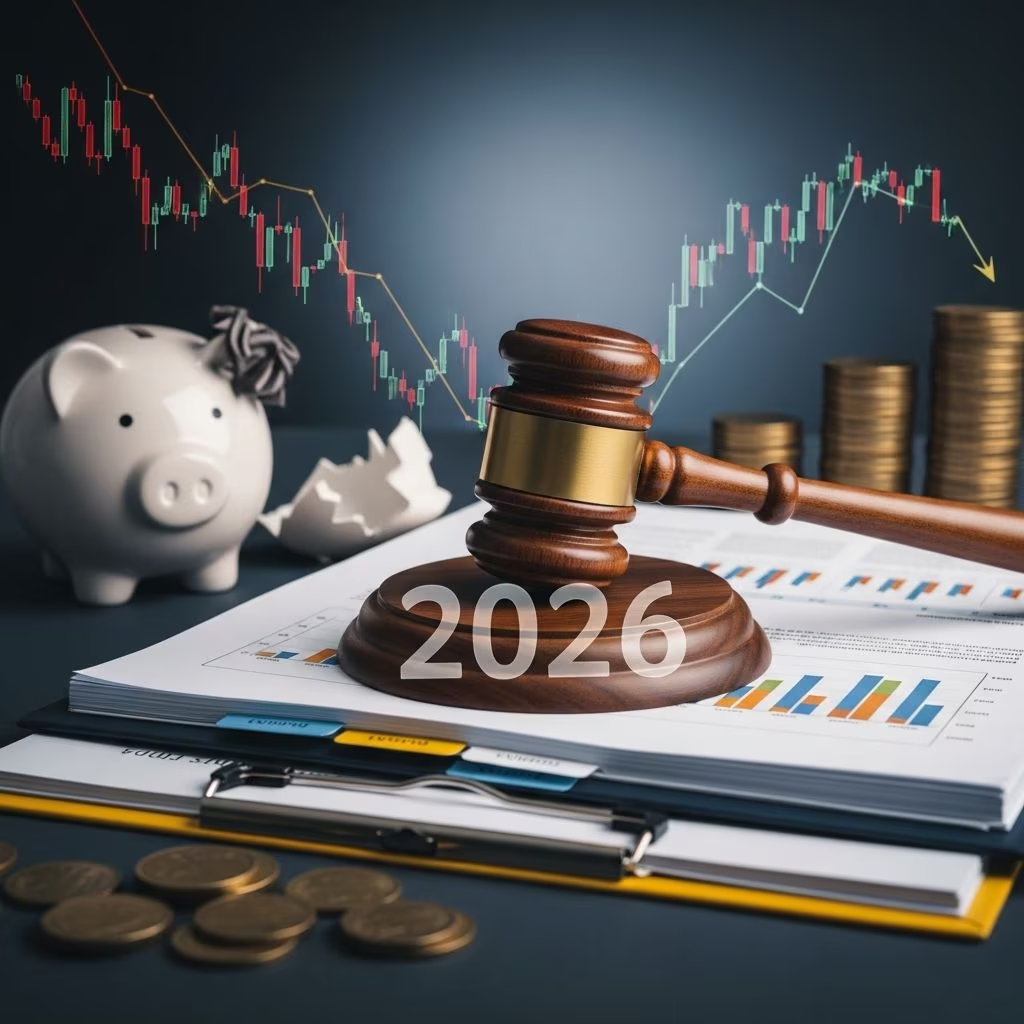
Bankruptcy laws evolve rapidly amid economic shifts, with 2026 marking pivotal changes in filing trends, procedural reforms, and creditor protections worldwide. This comprehensive guide explores recent U.S. legislation, form amendments, surging case volumes, and international developments to equip individuals, businesses, and creditors for the year ahead.
Recent U.S. Legislative Reforms
The U.S. bankruptcy system saw significant updates in early 2026, directly impacting costs and administration. On February 6, 2026, President signed S. 3424, the Bankruptcy Administration Improvement Act of 2025, into law. This measure raises Chapter 7 trustee fees, extends Chapter 11 quarterly fees for five more years, and prolongs certain temporary bankruptcy judgeships by the same period. These adjustments aim to bolster court efficiency amid rising caseloads but increase financial burdens on debtors and trustees.
Complementing this, the Judicial Conference approved new and amended official bankruptcy forms effective December 1, 2025. Forms 410C13-M1 through M2R, plus revised Form 410S1 and Director’s Forms 2000, 2030, and 4100C, streamline filings with technical updates. Automatic dollar amount adjustments occurred on April 1, 2025, applying to cases filed thereafter, adjusting thresholds in the Bankruptcy Code and forms for inflation. Debtors must use these updated versions to avoid procedural pitfalls.
Surging Bankruptcy Filings: What to Expect
Bankruptcy filings are climbing steadily into 2026, driven by persistent economic pressures, geopolitical tensions, and post-pandemic debt accumulation. As of September 30, 2025, U.S. filings rose 10.6% year-over-year, with projections for further increases if debt delinquencies escalate. PwC anticipates a modest uptick tied to economic growth and stressors like maturing debts and covenant breaches. Businesses and consumers face heightened risks from rising property taxes, insurance costs, and foreclosure starts, potentially peaking in 2027.
- Consumer Trends: Steady growth in personal filings, though not yet at pre-COVID peaks, signals ongoing financial strain.
- Business Trends: Elevated Chapter 11 activity as firms seek reorganization amid liquidity crunches.
- Forecast: Proactive scenario planning recommended to preempt triggers like sustained losses.
Chapter 11 Reorganization: Strategies for 2026
Chapter 11 remains a cornerstone for business rescue, allowing debtors to operate as ‘debtors in possession’ under court oversight. The process initiates with a petition in the debtor’s home jurisdiction, triggering an automatic stay that halts collections, lawsuits, wage garnishments, and liens. This breathing room facilitates negotiations for a reorganization plan classifying claims: secured creditors first, followed by priority unsecured, general unsecured, and equity holders.
In 2026, expect intensified UCC priority disputes as filings rise. Creditors must prioritize lien perfection, documentation, and monitoring to secure recoveries. Key phases include:
| Phase | Description | Creditor Actions |
|---|---|---|
| Filing & Automatic Stay | Petition halts all collections; debtor manages operations. | Cease pursuits; file proofs of claim promptly. |
| Plan Negotiation | Debtor proposes repayment prioritizing secured claims. | Negotiate classifications; challenge undervaluations. |
| Confirmation & Execution | Court approves feasible plan; implementation follows. | Monitor compliance; pursue objections if needed. |
Proactive measures like robust UCC filings mitigate risks in this creditor-contested environment.
Global Insolvency Developments: India’s 2026 Reforms
Beyond the U.S., India’s Parliament passed the Insolvency and Bankruptcy Code (Amendment) Bill, 2026, via voice vote in the Rajya Sabha. Moved by Minister Harsh Malhotra, it amends the 2016 IBC with 12 changes—11 from a Select Committee, one governmental—to tackle delays and ambiguities. Finance Minister Nirmala Sitharaman emphasized IBC’s role in rescuing viable businesses, not just recovering debts, preserving enterprise value.
Highlights include a two-year look-back for avoidance transactions from petition filing and mandatory Committee of Creditors’ reasoning for resolution applicant selection, boosting transparency. These align with global best practices, drawing from post-2016 experiences.
Creditor Preparedness in a Volatile Landscape
Creditors face a transformed 2026 terrain with regulatory scrutiny, delays in mortgage bankruptcies, and evolving debtor tactics. Strengthen compliance, track indicators like delinquency rates, and adapt to fee hikes. For insolvency practitioners (IPs), UK’s Spring 2026 authorised filer rules under IDV mandate verified identities for corporate filings at Companies House.
Mortgage-related cases may lag, with foreclosures driving 2027 surges, but current delinquencies from taxes and insurance demand vigilance. Out-of-court restructurings gain traction for flexibility and cost savings.
Practical Steps for Debtors and Businesses
Facing distress? Prioritize early intervention:
- Assess viability: Distinguish liquidation from reorganization needs.
- Update documentation: Use 2025/2026 forms with adjusted thresholds.
- Engage professionals: Scenario plan against triggers like covenant breaches.
- Explore alternatives: Liability management before court filings.
These steps maximize options, minimizing costs in fee-elevated regimes.
Frequently Asked Questions
What drives 2026 bankruptcy increases?
Economic pressures, debt maturities, and geopolitical factors fuel a 10.6%+ rise in filings.
How do new U.S. laws affect costs?
S. 3424 hikes Chapter 7 fees and extends Chapter 11 payments, prolonging judgeships.
What are Chapter 11 key protections?
Automatic stay stops collections; debtor-in-possession status enables operations.
What’s new in India’s IBC?
Expanded avoidance look-backs and creditor transparency mandates.
Should creditors perfect UCC liens now?
Yes, priority disputes intensify with rising Chapter 11 cases.
Navigating Future Uncertainties
2026 demands agility: debtors leverage reforms for rescue, creditors fortify positions, and professionals adapt to procedural shifts. By mastering these updates—from U.S. fee changes and form tweaks to global transparency gains—stakeholders can turn challenges into opportunities for resolution and recovery. Stay proactive amid modest filing upticks and economic flux.
References
- Parliament passes Insolvency and Bankruptcy Code Bill, 2026 — Newsonair.gov.in. 2026-04-03. https://www.newsonair.gov.in/parliament-passes-insolvency-and-bankruptcy-code-bill-2026/
- Congressional Bill S. 3424 Signed into Law — Whitehouse.gov. 2026-02-06. https://www.whitehouse.gov/briefings-statements/2026/02/congressional-bill-s-3424-signed-into-law/
- Pending or Recent Changes in the Bankruptcy Forms — Uscourts.gov. 2025-12-01. https://www.uscourts.gov/forms-rules/pending-rules-and-forms-amendment/pending-or-recent-changes-bankruptcy-forms
- Getting ahead of Chapter 11 filings in 2026: A practical guide — Wolterskluwer.com. 2026. https://www.wolterskluwer.com/en/expert-insights/getting-ahead-of-chapter-11-filings-in-2026-a-practical-guide
- Insolvency law updates in 2026 and what they mean for IPs — Darwingray.com. 2026. https://www.darwingray.com/insolvency-law-updates-in-2026-and-what-they-mean-for-ips/
- What Creditors Can Expect in Bankruptcy for 2026 — Weltman.com. 2026. https://www.weltman.com/publication-what-creditors-can-expect-in-bankruptcy-for-2026
- Restructuring and bankruptcy outlook 2026 — Pwc.com. 2026. https://www.pwc.com/us/en/services/consulting/deals/library/bankruptcy-outlook.html