
Essential Back-to-School Road Safety Guide
Protect kids and drivers with proven strategies for safer commutes during the school year rush.
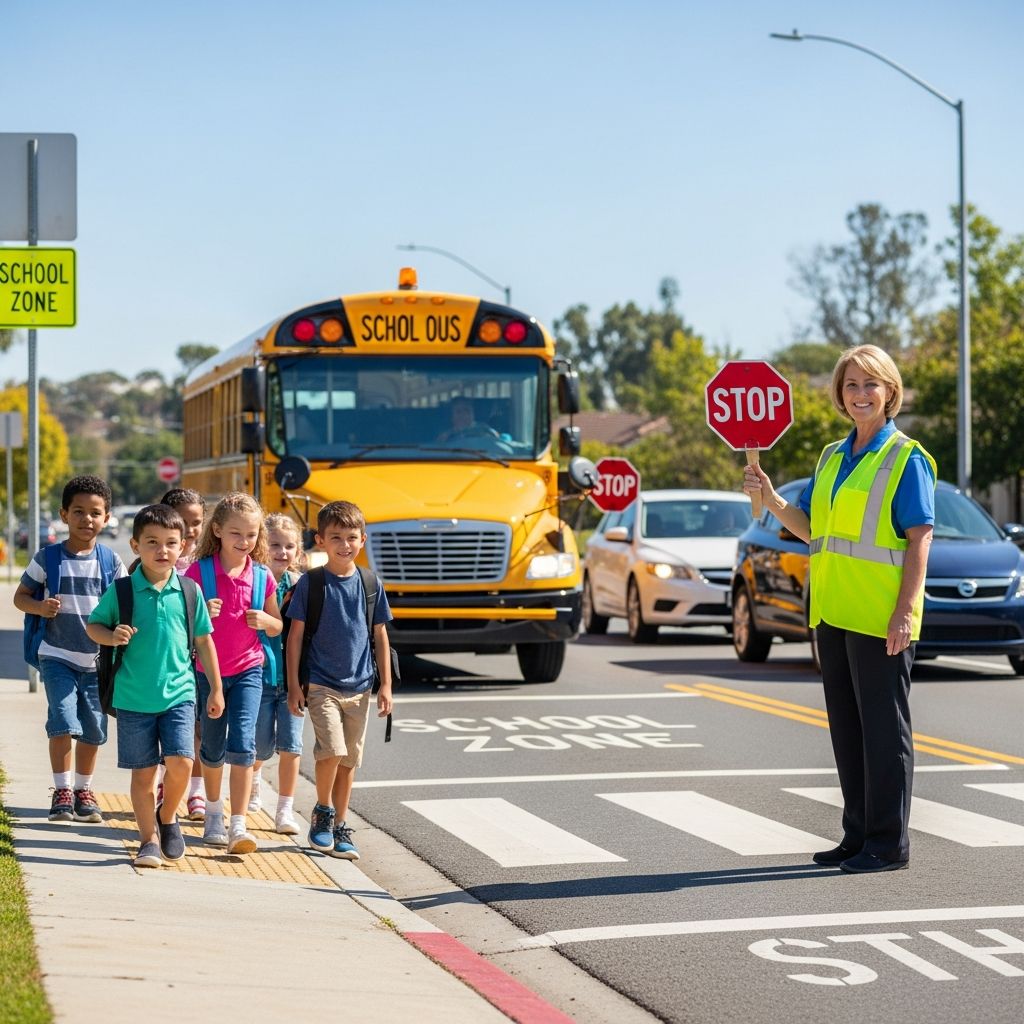
The transition back to school brings increased traffic, bustling school zones, and more pedestrians, creating heightened risks for accidents involving children. Drivers, parents, and students must adopt vigilant habits to minimize these dangers. This guide draws from authoritative safety recommendations to outline practical steps for safer roads.
Navigating School Zones Effectively
School zones are high-risk areas where speeds typically drop to 10-20 mph during arrival and dismissal times, often marked by flashing lights. Reducing speed promptly upon seeing these signs prevents collisions with darting children. Patience is crucial; plan routes to avoid rushing, allowing extra time for delays common between 6-9 a.m. and 2-5 p.m.
- Obey all posted speed limits and flashing beacons without exception.
- Scan continuously for children emerging from between vehicles or sidewalks.
- Eliminate distractions by silencing phones and focusing solely on the road.
Intersections demand extra caution, as over one-third of drivers fail to stop fully at signs in these areas, per safety data. Yield to any pedestrians in crosswalks and never block them while waiting at lights.
Mastering School Bus Protocols
School buses signal stops with yellow flashing lights (preparing to halt) followed by red lights and an extended stop arm. It is illegal nationwide to pass a stopped bus during loading or unloading on undivided roads. The 10-foot zone around a bus poses the greatest threat to children, as drivers cannot see them there.
| Bus Signal | Driver Action | Reason |
|---|---|---|
| Yellow Flashing Lights | Prepare to stop | Bus is slowing for a stop |
| Red Flashing Lights + Stop Arm | Complete stop from both directions (undivided road) | Children entering/exiting; highest risk zone |
| No Lights (moving) | Maintain safe distance | Expect sudden stops |
Maintain greater following distance behind buses for reaction time. Teach children to wait until the bus departs before crossing.
Pedestrian Safety Fundamentals
Young pedestrians under 10 should never walk alone; accompany them and reinforce rules like using sidewalks or facing traffic if none exist. At crossings, perform the left-right-left check and establish eye contact with drivers. Avoid crossing from between parked cars or jaywalking.
Key Pedestrian Rules for Kids
- Stick to marked crosswalks or intersections.
- Obey crossing guards holding stop signs.
- Never play or push near traffic.
- Put away phones to stay aware.
Drivers must stop for crossing guards, who hold authority akin to law enforcement in some states, and yield right-of-way in zones.
Safe Cycling Practices for Students
Bicyclists must ride with traffic, obey signals, and wear properly fitted helmets with secured chin straps. Inexperienced riders often veer unpredictably, so motorists should provide ample space, especially sans sidewalks. Opt for low-traffic routes with bike paths.
- Equip bikes with reflectors and lights for visibility.
- Signal turns clearly and stop at all signs.
- Check mirrors before opening car doors near bike lanes.
Secure Carpool and Drop-Off Routines
Designated drop-off zones keep children away from traffic; ensure they exit curbside onto sidewalks. Reverse slowly using mirrors and cameras, checking blind spots for playing kids. Place children under 13 in back seats with properly installed car seats, which cut crash death risk by 28%.
Follow parking restrictions strictly to avoid blocking buses or emergency access. Remind all passengers to buckle up.
Eliminating Distractions and Building Habits
Distractions like phones double crash risks in congested areas. Use hands-free only if essential, but ideally pull over. Reverse with exaggerated care in residential spots, as children hide in blind areas. Honking or revving to scare pedestrians is dangerous and avoidable.
Understanding Legal Consequences
Violations in school zones carry steep fines, license points, and potential lawsuits if injuries occur. For instance, passing a stopped bus can lead to misdemeanor charges. Awareness fosters compliance and protects all road users.
Frequently Asked Questions
Do I stop for a school bus on a divided highway?
Only traffic behind the bus must stop; oncoming traffic may proceed if a physical barrier separates lanes.
What speed is safe in a school zone?
Typically 10-20 mph when flashers activate; always obey posted limits.
Should kids cross in front of my car during drop-off?
No—use curbside exits so they reach sidewalks directly without entering traffic.
Are crossing guards legally binding?
Yes, their signals have enforcement power in many jurisdictions.
How far back for a stopped bus?
At least 10 feet to clear the danger zone.
Community and Parental Roles
Parents: Discuss routes, practice crossings, and model safe behavior. Schools: Enhance signage and patrols. Drivers: Embrace a protective mindset, treating every child as your own. Collective vigilance slashes risks significantly.
Implementing these strategies ensures smoother, safer school commutes. Stay informed via local traffic updates and prioritize caution over convenience.
References
- Back-to-school traffic safety tips — AgriLife Today, Texas A&M AgriLife. 2024-09-10. https://agrilifetoday.tamu.edu/2024/09/10/back-to-school-traffic-safety-tips/
- Back-to-school safety — Texas Department of Insurance. Accessed 2026. https://www.tdi.texas.gov/tips/safety/backtoschool.html
- 7 Simple Words for Safe Back-to-School Driving — Penske Truck Leasing. Accessed 2026. https://www.pensketruckleasing.com/resources/resource-library/safety/back-to-school-safe-driving-tips/
- Back-to-School Safety for Drivers — National Safety Council. Accessed 2026. https://www.nsc.org/community-safety/safety-topics/school-safety/back-to-school-safety-tips-for-drivers
- Back-To-School Driving Safety Tips — AAA Via Magazine. Accessed 2026. https://mwg.aaa.com/via/car/school-driving-safety
- Back to School: Keeping Children Safe — National Highway Traffic Safety Administration (NHTSA). Accessed 2026. https://www.nhtsa.gov/school-bus-safety/keeping-children-safe
Similar Articles








Read full bio of medha deb




