
Avoiding Arrest on New Year’s Eve: Common Pitfalls
Discover smart ways to celebrate New Year's Eve without risking an arrest through poor decisions and legal oversights.
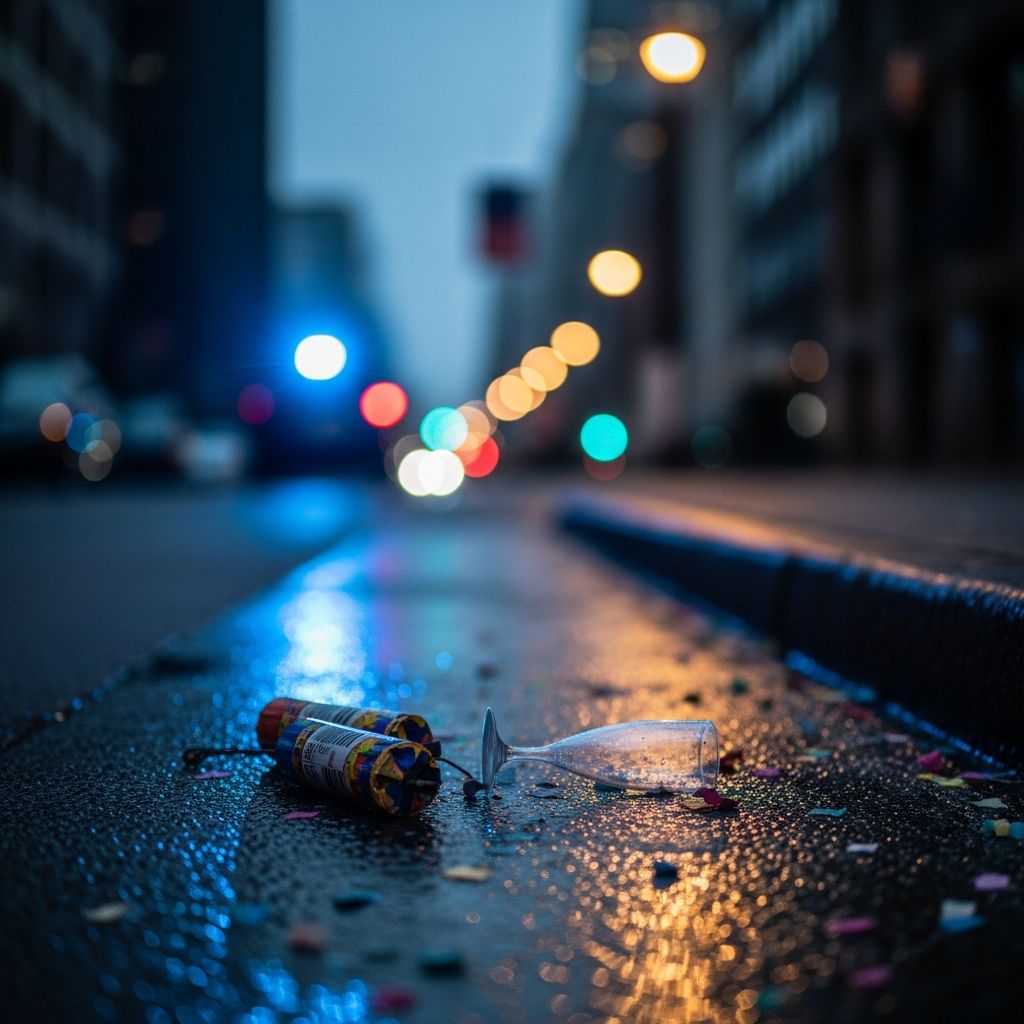
New Year’s Eve brings excitement with parties, fireworks, and countdowns, but it also spikes arrests due to alcohol, crowds, and risky behavior. Understanding these pitfalls helps ensure a safe celebration.
Understanding the Surge in Holiday Arrests
Every year, law enforcement sees a dramatic increase in arrests around New Year’s Eve. Factors like heavy drinking, large gatherings, and midnight festivities create opportunities for poor judgment. According to the National Highway Traffic Safety Administration (NHTSA), alcohol-impaired driving fatalities rise significantly during holidays, with New Year’s being among the worst. Local police departments often increase patrols, checkpoints, and surveillance to curb this.
Common violations include driving under the influence (DUI), public intoxication, disorderly conduct, and illegal use of fireworks. In one analysis, U.S. cities reported over 20% more DUI arrests on New Year’s Eve compared to average nights. Awareness of these trends empowers individuals to make better choices.
Driving Under the Influence: The Biggest Risk
DUI remains the leading cause of New Year’s arrests. Even one drink can impair judgment, reaction time, and coordination. Legal blood alcohol concentration (BAC) limits are 0.08% for adults in most states, but zero-tolerance applies for drivers under 21.
- Plan alternatives: Use rideshares, designated drivers, or public transit.
- Avoid myths: Coffee or cold showers do not sober you up; time is the only cure.
- Consequences: Fines up to $10,000, license suspension, and jail time in repeat cases.
Real-world examples abound. In Las Vegas, New Year’s partiers admitting to feeling ‘a little stupid’ faced immediate arrests after confrontations with police. Similarly, a Metro Detroit woman caught driving during a Zoom court hearing highlighted judicial intolerance for such risks.
Public Intoxication and Disorderly Behavior
Crowded streets at midnight often lead to public intoxication charges. Staggering, slurring speech, or urinating in public can result in arrest. Disorderly conduct covers fighting, loud arguments, or blocking pathways.
| Behavior | Potential Charge | Average Penalty |
|---|---|---|
| Public drinking in prohibited areas | Misdemeanor | Fine $100-$500 |
| Street brawls | Disorderly conduct | Jail up to 30 days |
| Noise violations at parties | Disturbing the peace | Warning or citation |
Parties spilling into streets amplify risks. Officers prioritize de-escalation but act swiftly in crowds. Stay indoors or in licensed venues to minimize exposure.
Fireworks and Explosives: Illegal in Many Areas
Fireworks symbolize the new year but are banned or restricted in over 35 states due to fire hazards and injuries. Even ‘safe’ sparklers burn at 2,000 degrees Fahrenheit, causing thousands of ER visits annually.
- Check local laws: Consumer fireworks may require permits; others are fully illegal.
- Alternatives: Attend public displays organized by professionals.
- Risks: Possession alone can lead to fines or confiscation.
In states like Massachusetts, all fireworks are prohibited year-round. Violations often result from neighbors’ complaints during late-night use.
Illegal Substances and Party Drugs
New Year’s parties sometimes involve marijuana, cocaine, or ecstasy, despite varying legalization. Federal law still classifies many as illegal, and possession in public can lead to arrests, even in permissive states.
Concealment attempts, like hiding in vehicles, backfire during routine stops. Field sobriety tests combined with drug recognition experts heighten detection. Penalties range from misdemeanors to felonies based on quantity.
Underage Drinking and Fake IDs
Young revelers face heightened scrutiny. Underage possession or consumption carries fines, community service, and alcohol education programs. Using fake IDs at bars escalates to forgery charges.
- Identification tips: Bars use UV lights and scanners; cheap fakes fail.
- Parental liability: Adults providing alcohol to minors risk charges.
- Stats: Over 10% of holiday arrests involve minors.
Host parties at home with supervision instead of venturing out.
Property Damage and Vandalism
Celebratory antics like flipping cars or smashing bottles lead to vandalism charges. Even minor graffiti or broken windows result in restitution and community service.
In crowded urban areas, anonymity fades with body cams and surveillance. One group’s ‘prank’ can implicate all involved under conspiracy laws.
Domestic Disputes Amplified by Alcohol
Family gatherings turn sour with alcohol-fueled arguments, leading to domestic violence calls. Even pushing or yelling can trigger arrests, with mandatory cooling-off periods.
Prevention: Recognize triggers, step away, and seek mediation. Neighbors’ 911 calls ensure quick response.
Social Media and Evidence Traps
Posting videos of reckless acts, like dangerous driving, provides prosecutors with confessions. Videos from New Year’s 2014 showed a teen causing crashes while bragging online, sealing his reckless driving charge. Delete risky content and avoid live-streaming parties.
Strange Local Laws to Watch
Obscure ordinances add surprises. Examples include bans on slurping soup in New Jersey or frowning at officers. In Alabama, ice cream cones in back pockets are illegal. Research city codes via municipal websites before celebrations.
Strategies for a Trouble-Free Celebration
Pre-plan transportation: Book rideshares in advance.
Hydrate and eat: Slows alcohol absorption.
Set limits: Alternate drinks with water.
Buddy system: Watch friends’ behavior.
Know exits: Identify safe ways home.
Venue choice matters: Licensed bars have security; house parties risk noise complaints.
Frequently Asked Questions (FAQs)
What should I do if pulled over on New Year’s Eve?
Stay calm, provide license and registration, politely decline field tests without an attorney, and do not admit to drinking.
Can I walk home drunk to avoid DUI?
Public intoxication laws apply; call a ride instead.
Are breathalyzers required at checkpoints?
Officers can request based on suspicion; refusal has consequences.
What if I’m hosting and guests get rowdy?
Monitor and disperse early to avoid citations.
Long-Term Consequences of Arrests
Beyond immediate penalties, records affect jobs, housing, and insurance. Expungement is possible but costly. Prioritize prevention for lasting peace.
(Word count: 1678)
References
- Traffic Safety Facts: Alcohol-Impaired Driving — National Highway Traffic Safety Administration (NHTSA). 2023. https://www.nhtsa.gov/risky-driving/drunk-driving
- DUI Arrest Statistics — Federal Bureau of Investigation (FBI) Uniform Crime Reporting. 2024-12-15. https://ucr.fbi.gov/crime-in-the-u.s
- Woman Caught Driving in Zoom Court — City of Woodhaven Municipal Court Records. 2026-03-26. https://www.clickondetroit.com/news/local/2026/03/26/you-think-im-stupid-metro-detroit-woman-caught-driving-during-zoom-court-hearing-lying-to-judge/
- Las Vegas New Year’s Arrest Bodycam — Las Vegas Metropolitan Police Department. 2023. https://www.youtube.com/watch?v=3uvA-WzuIxA
- State Fireworks Laws — National Fire Protection Association (NFPA). 2025-01-10. https://www.nfpa.org/codes-and-standards/all-codes-and-standards/list-of-codes-and-standards/detail?code=1124
- Underage Drinking Enforcement — Centers for Disease Control and Prevention (CDC). 2024. https://www.cdc.gov/alcohol/fact-sheets/underage-drinking.htm
Similar Articles








Read full bio of Sneha Tete




