
Attractive Nuisance: Pools and Child Safety Risks
Discover how swimming pools qualify as attractive nuisances, the legal duties of property owners, and essential steps to prevent child injuries and lawsuits.
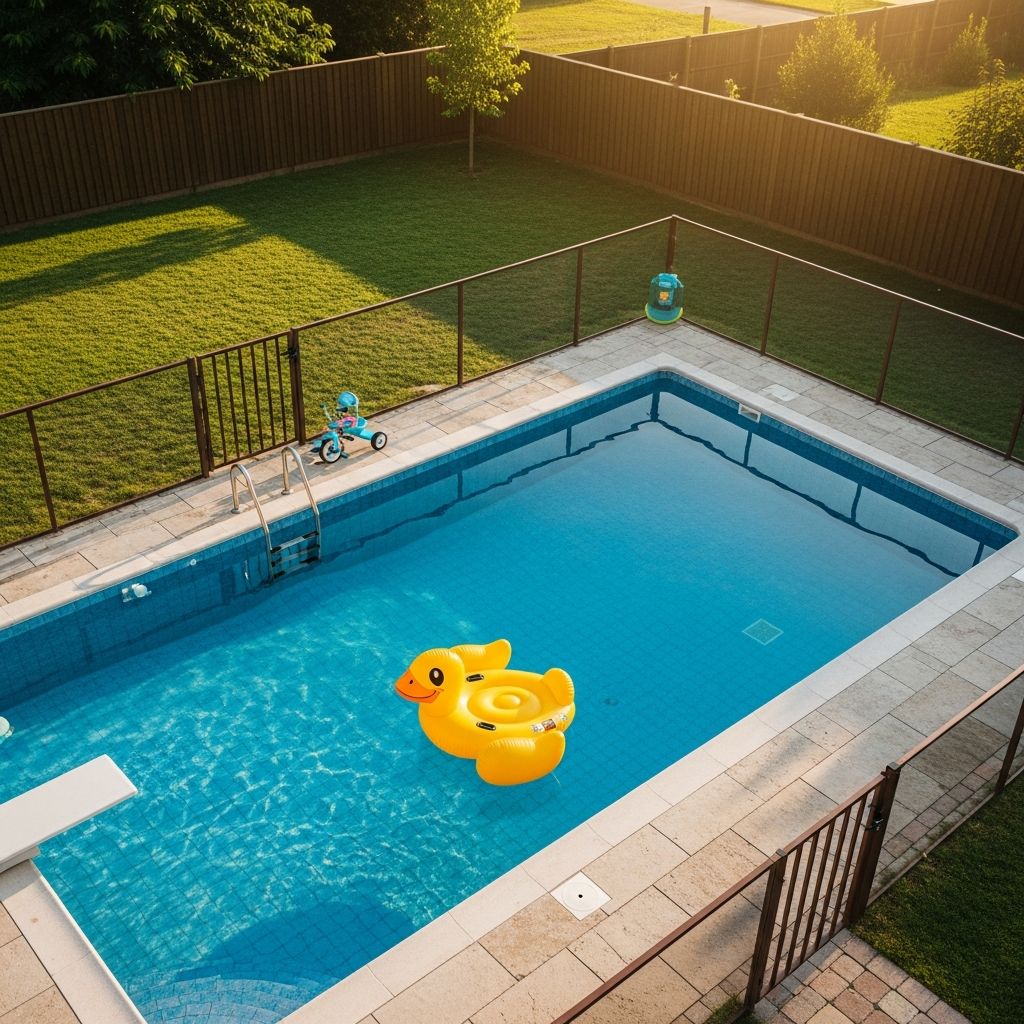
Property owners with swimming pools face unique legal responsibilities under the attractive nuisance doctrine, a rule designed to protect young trespassing children from foreseeable dangers. This principle holds owners accountable for injuries if certain conditions are met, even when children enter without permission.
Understanding the Legal Foundation of Attractive Nuisance
The attractive nuisance doctrine modifies traditional trespasser rules by imposing a duty of care on landowners toward children. Normally, property owners owe minimal duty to trespassers, but young children, due to their immaturity, receive heightened protection. This legal concept recognizes that kids are drawn to hazardous artificial features like pools and may not grasp the risks involved.
Originating from common law principles, the doctrine balances property rights with child safety. Courts apply it cautiously, requiring proof of specific elements before liability attaches. In essence, it prevents owners from maintaining dangerously enticing setups without safeguards.
Key Elements Property Owners Must Consider
To establish liability under this doctrine, plaintiffs typically prove several core factors. First, the landowner must know or reasonably foresee that children will trespass onto the property. Neighborhoods with many families heighten this likelihood for visible pools.
Second, the condition—such as an unfenced pool—must pose an unreasonable risk of serious harm or death to a child. Drowning represents a primary threat, given children’s limited swimming abilities and impulse control.
Third, children, because of their youth, must be unlikely to appreciate the peril. Courts generally protect kids under 14, though age varies by jurisdiction and facts.
Additionally, the landowner’s utility from the condition must not outweigh the risk burden, and feasible precautions must exist. Failure to implement reasonable measures, like fencing, strengthens claims.
- Foreseeable child trespassing based on location and visibility.
- Unreasonable danger known or knowable to the owner.
- Child’s inability to recognize risks due to age.
- Available, cost-effective safety options ignored.
Why Swimming Pools Top the List of Hazards
Swimming pools exemplify artificial conditions that lure children, making them classic attractive nuisances. Unlike natural ponds, man-made pools trigger liability because owners create and control them. A visible, accessible pool invites curious kids, especially with features like slides or diving boards amplifying appeal.
Statistics underscore the danger: unsupervised young children face high drowning risks in residential pools. Courts frequently cite pools in rulings, emphasizing owner duties to secure them. Even temporary setups, like above-ground pools, qualify if unguarded.
| Hazard Type | Why Attractive to Children | Common Risks |
|---|---|---|
| Swimming Pools | Water play allure, slides/diving boards | Drowning, slips, entrapment |
| Trampolines | Bouncing fun | Falls, spinal injuries |
| Construction Sites | Exploration curiosity | Falls, machinery accidents |
| Power Tools | Novelty appeal | Cuts, electrocution |
State Variations in Applying the Doctrine
While widely adopted, application differs by state. In Massachusetts, pools clearly qualify if they draw trespassers into foreseeable risks, with fences demonstrating reasonable care. California courts scrutinize pools closely, sometimes rejecting claims if children should know drowning dangers, though artificial features often tip the scale.
Indiana limits pool liability absent hidden perils, viewing open water as obvious. Other states, like those following Restatement (Second) of Torts § 339, use balanced tests weighing all factors. Owners must research local precedents, as rulings evolve.
Building codes often supplement: many require four-foot fences with self-latching gates. Compliance aids defenses but doesn’t absolve all duties under attractive nuisance.
Proactive Safety Measures for Pool Owners
Preventing claims starts with barriers. Enclose pools with fences at least four feet high, featuring self-closing, child-proof locks. Gates must swing outward and latch securely, positioned away from climbable objects.
Layered protection enhances safety: pool covers, alarms on doors/gates, and non-climbable fencing. Remove attractions like toys from view. Supervise rigorously and post warnings, though signs alone rarely suffice.
Insurance implications loom large: attractive nuisances like pools can raise premiums or trigger exclusions. Disclose pools to insurers and inquire about umbrella policies for extra coverage.
- Install compliant fencing and locked gates immediately.
- Add water alarms and automatic covers.
- Conduct regular safety audits.
- Educate neighbors on risks.
- Secure comprehensive liability insurance.
Defenses and Limitations for Property Owners
Owners aren’t strictly liable; viable defenses exist. Proving reasonable precautions—like a fully secured fence—often defeats claims. If children understand risks (e.g., teens), the doctrine may not apply.
Plaintiffs bear the burden: failure to show youth-related incapacity or owner knowledge weakens cases. Contributory negligence by parents or older kids can bar recovery in some states. Document all safety efforts meticulously.
Courts limit the doctrine to artificial conditions, excluding natural water bodies unless modified. Costly precautions might excuse inaction if utility justifies the setup.
Real-World Examples and Case Insights
Landmark cases illustrate applications. In scenarios with unguarded pools near schools, courts imposed liability for toddler drownings, citing foreseeable trespass. Fenced pools with breached gates have spared owners when locks functioned properly.
Trampoline cases parallel pools: unsecured units led to verdicts against owners, while enclosed ones prevailed. These precedents guide modern rulings, stressing prevention.
Frequently Asked Questions
What age qualifies a child under attractive nuisance?
Typically under 14, but courts assess maturity case-by-case. Younger children receive strongest protection due to limited risk awareness.
Does a fence alone protect against lawsuits?
No, but a proper, locked fence shows reasonable care and bolsters defenses significantly.
Are above-ground pools exempt?
No, they pose similar risks and require barriers if ladders are removable and secured.
How does this affect homeowner insurance?
Expect higher premiums; disclose features and consider extra coverage to mitigate financial exposure.
What if the pool is seasonal or temporary?
Still liable if unsecured during use; drain and cover when not in operation.
Broader Implications for Property Features
Beyond pools, recognize other lures: unfenced ponds, machinery, swing sets, or even accessible roofs. Each demands evaluation under the doctrine’s elements. Proactive risk assessment prevents tragedies and litigation.
Homeowners associations often mandate standards; comply to avoid dual liabilities. Community education fosters collective vigilance, reducing incidents.
In conclusion, awareness empowers owners to safeguard children while protecting assets. Consult local attorneys for tailored advice, as laws evolve.
References
- Swimming Pools, Kids, and Attractive Nuisance — Marcotte Law Firm. Accessed 2026. https://www.marcottelawfirm.com/blog/swimming-pools-kids-and-attractive-nuisance/
- Attractive Nuisance Doctrine — Cornell Law School Legal Information Institute. Accessed 2026. https://www.law.cornell.edu/wex/attractive_nuisance_doctrine
- Residential Swimming Pools and Attractive Nuisance in California — Hastings Law Journal, University of California. 1961. https://repository.uclawsf.edu/cgi/viewcontent.cgi?article=1669&context=hastings_law_journal
- What Is Considered an Attractive Nuisance? — KBG Injury Law. Accessed 2026. https://resultsyoudeserve.com/practice-areas/premises-liability/what-is-considered-an-attractive-nuisance/
- Understanding the Attractive Nuisance Doctrine — Super Lawyers. Accessed 2026. https://www.superlawyers.com/resources/premises-liability-plaintiff/understanding-the-attractive-nuisance-doctrine/
- What is an Attractive Nuisance? — Nationwide. Accessed 2026. https://www.nationwide.com/lc/resources/home/articles/attractive-nuisances
- Attractive Nuisance Doctrine — Wikipedia (informational, primary sources cited above). Accessed 2026. https://en.wikipedia.org/wiki/Attractive_nuisance_doctrine
Similar Articles








Read full bio of Sneha Tete




