
America’s Deadliest Occupations Revealed
Uncover the top hazardous jobs in the US with shocking fatality stats, risks, and vital safety measures for workers.
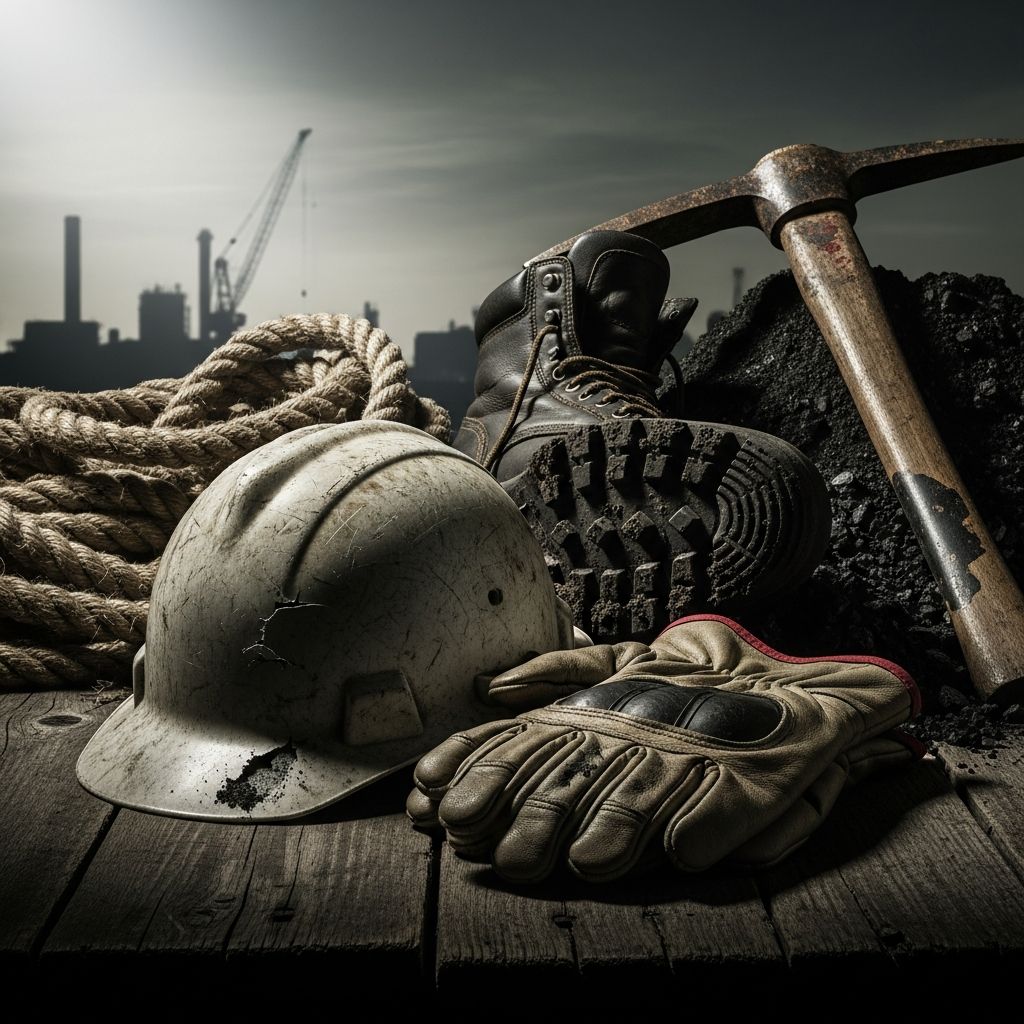
In the United States, certain professions carry extraordinary dangers that far exceed everyday workplace risks. According to the Bureau of Labor Statistics (BLS), these high-hazard jobs result in fatality rates dozens of times higher than the national average of about 3.5 per 100,000 full-time workers. Logging workers top the list with rates exceeding 100 fatalities per 100,000, followed closely by fishers, roofers, and others exposed to machinery, heights, and unpredictable environments. This article examines the
top 10 deadliest jobs
, their primary hazards, recent statistics, and proven prevention tactics, drawing from authoritative OSHA and BLS reports.Why These Jobs Dominate Fatality Rankings
The deadliest occupations share common threads: isolation, heavy machinery, extreme weather, and heights. Transportation incidents account for over 70% of fatalities in many cases, while falls, equipment contact, and exposure to harmful substances fill out the rest. Small workforces amplify rates—logging employs fewer than 50,000 but sees disproportionate deaths. Recent 2023 data shows 52 logger fatalities alone, underscoring persistent dangers despite regulations. Economic pressures, like demanding quotas in fishing or logging, often push safety aside.
Ranking the Top 10 Most Dangerous Jobs
Below is a comprehensive table of the
top 10 deadliest U.S. jobs
based on fatal injury rates per 100,000 workers, synthesized from BLS and OSHA data (primarily 2018-2023 figures). Rates vary slightly by year and source due to methodology, but rankings remain consistent.| Rank | Occupation | Fatal Injury Rate (per 100,000) | Total Recent Fatalities | Primary Causes |
|---|---|---|---|---|
| 1 | Logging Workers | 98.9-111 | 52-56 | Contact with objects/equipment, falling trees |
| 2 | Fishing & Hunting Workers | 86.9-132.1 | 19-75 | Drowning, vessel accidents, machinery |
| 3 | Roofers | 41-57.5 | 96 | Falls, slips, trips |
| 4 | Aircraft Pilots & Flight Engineers | 53 | 70 | Aircraft crashes, mechanical failures |
| 5 | Derrick Operators (Oil/Gas/Mining) | 46 | 20 | Equipment falls, explosions |
| 6 | Refuse & Recyclable Collectors | 22.6-34 | 37 | Transportation incidents, struck by vehicles |
| 7 | Structural Iron & Steel Workers | 29 | 15 | Falls, struck by objects |
| 8 | Farmers, Ranchers & Ag Managers | 26 | 257 | Machinery rollovers, animal strikes |
| 9 | Helpers–Construction Trades | 38.5 | N/A | Falls, hazardous materials |
| 10 | Power-Line Installers & Repairers | 20 | 29 | Electrocution, falls |
1. Logging Workers: The Unrivaled Leader in Peril
Logging claims the top spot with a staggering
98.9-111 fatal injuries per 100,000 workers
, making it over 30 times deadlier than average. Workers fell trees using chainsaws and heavy machinery in remote forests, where unstable terrain and sudden widowmakers (falling branches) pose constant threats. In 2023, 52-55 deaths occurred, mostly from equipment contact. Isolation delays medical aid, turning minor incidents fatal. Prevention includes mandatory PPE, felling plans, and GPS tracking for crews.2. Fishing and Hunting Workers: Battling the Seas
Commercial fishers face
86.9-132.1 fatalities per 100,000
, driven by rough waters, capsizing vessels, and long hours far from help. Drowning leads causes, with machinery injuries secondary. Hurricanes amplify risks during peak seasons. OSHA mandates life rafts and immersion suits; survival rates improve with EPIRBs (emergency beacons).3. Roofers: Gravity’s Harsh Lesson
At
41-57.5 per 100,000
, roofing’s main killer is falls from heights, exacerbated by slippery surfaces and heat exhaustion. Construction’s deadliest subset, roofers recorded 96 deaths in recent BLS data. Harnesses, guardrails, and training cut risks by 50%, per OSHA.4-10: Other High-Risk Contenders
- Aircraft Pilots (53/100k): Crashes from weather or mechanical issues; rigorous FAA certifications mitigate.
- Derrick Operators (46/100k): Oil rig explosions and falls; remote sites heighten danger.
- Garbage Collectors (34/100k): Hit by traffic while loading; high-vis gear and cameras help.
- Ironworkers (29/100k): High-steel construction falls.
- Farmers (26/100k): Tractor overturns common; roll bars save lives.
- Construction Helpers (38.5/100k): Multi-hazard exposure.
- Power Linemen (20/100k): Live wires electrocute; insulated tools essential.
Industry-Wide Trends and Contributing Factors
Across these jobs,
transportation incidents
dominate (71.7% of deaths), followed by falls (17%) and equipment strikes. Climate change worsens fishing and logging via storms, while labor shortages strain training. Women and minorities face disparities; construction fatalities hit Hispanic workers hardest. Average salaries ($40k-$70k) reflect risks but not fully compensate.Regulatory Frameworks and Enforcement
OSHA sets standards like fall protection (1926.501) and machine guarding (1910.212), with fines up to $156,259 per violation in 2026. BLS Census of Fatal Occupational Injuries (CFOI) tracks data annually. States like Georgia exempt some farmworkers from comp, leaving gaps. Unions push for better gear funding.
Technological Innovations Saving Lives
Drones scout logging sites, reducing tree risks. AI monitors pilot fatigue; telematics prevent truck crashes for collectors. Exoskeletons aid roofers, cutting strain. These tools, combined with VR training, show 20-40% fatality drops in pilots.
Worker Rights and Compensation Essentials
Injured workers qualify for benefits under state laws, covering medical costs and lost wages (typically 66% of salary). Fatal cases provide death benefits to families. Consult attorneys for denied claims, especially in exempt sectors like ag. Reporting hazards triggers OSHA inspections.
Frequently Asked Questions (FAQs)
What makes logging the deadliest job?
Remote locations, heavy chainsaws, and falling trees cause most fatalities, with rates over 100 per 100,000 workers.
Can safety gear prevent roofing deaths?
Yes, harnesses and guardrails reduce fall risks by over 50%, per OSHA guidelines.
Why are fishers at such high risk?
Drowning from vessel capsizes in rough seas accounts for most deaths, far from rescue.
Do deadliest jobs pay more?
Salaries range $41k-$72k, a risk premium but often insufficient given hazards.
How does OSHA enforce safety?
Through inspections, fines, and standards like machine guarding, targeting high-fatality industries.
Pathways to Safer Workplaces
Reducing fatalities requires multi-pronged action: stricter quotas, advanced tech, and cultural shifts prioritizing safety over speed. Employers must invest in training; workers, report issues. With 5,000+ annual workplace deaths, progress saves lives and billions in costs. Stay informed, gear up, and advocate—your job shouldn’t be a death sentence.
References
- The Most Dangerous Jobs in America: 2025 Data & Injury Rates — Pearson Koutcher Law. 2025. https://www.pearsonkoutcherlaw.com/blog/most-dangerous-jobs/
- Most Dangerous Jobs in the US According to OSHA — Hammers Law Firm. 2023. https://hammerslawfirm.com/blog/most-dangerous-jobs-in-the-us-according-to-osha/
- What Jobs Have the Worst Mortality Rates in the U.S.? — Gerber Holder Law. 2023. https://www.gerberholderlaw.com/atlanta-workers-compensation/most-deadly-jobs/
- Top 10 Most Dangerous Jobs According to OSHA — Invictus Law PC. N/A. https://www.invictuslawpc.com/most-dangerous-jobs-osha/
- Top 10 Most Dangerous Jobs in America (According to OSHA) — Russell and Hill. N/A. https://russellandhill.com/blog/most-dangerous-jobs-in-america/
- The 10 Most Dangerous Jobs in the U.S. — OSHA Education Center. N/A. https://www.oshaeducationcenter.com/dangerous-jobs-in-united-states/
- Top 25 most dangerous jobs in the United States — ISHN.com. 2019. https://www.ishn.com/articles/112748-top-25-most-dangerous-jobs-in-the-united-states
Similar Articles








Read full bio of medha deb




