
Altering Fingerprints: Legal Risks and Realities
Uncover the legal dangers of modifying fingerprints, from historical attempts to modern forensic detection and why it rarely succeeds.
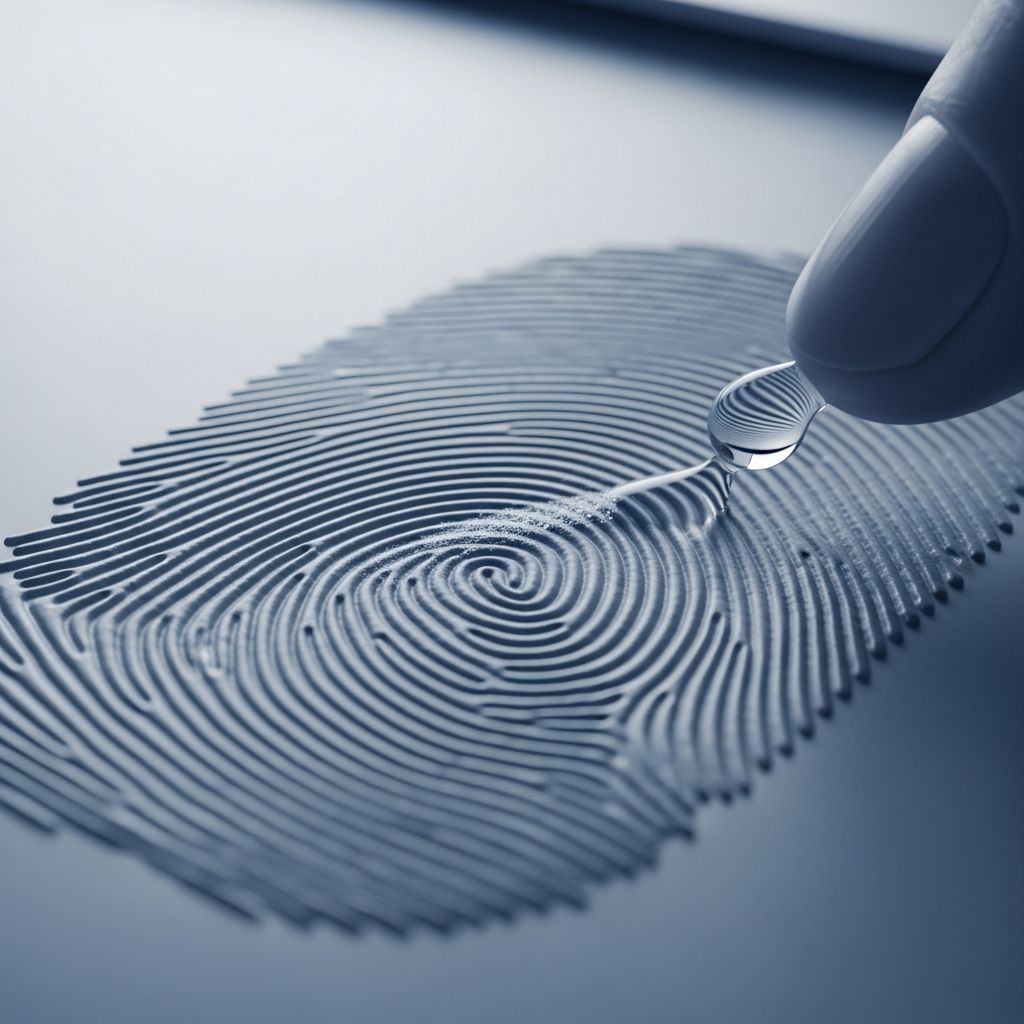
Fingerprints serve as a cornerstone of personal identification in criminal justice systems worldwide, uniquely linking individuals to crime scenes or records. Attempts to modify or obscure them often stem from a desire to evade detection, but such actions carry significant legal repercussions and are frequently thwarted by advanced forensics.
The Unique Nature of Fingerprints in Identification
Fingerprints form during fetal development and remain constant throughout life, consisting of ridge patterns that are individually distinct. Law enforcement agencies rely on these patterns for matching latent prints from crime scenes against known records in databases like AFIS (Automated Fingerprint Identification System).
In the U.S., fingerprints are collected during arrests and submitted to state and federal repositories. For instance, Florida statutes mandate fingerprinting of juveniles taken into custody, with records retained confidentially but usable for criminal justice purposes. This system ensures high accuracy, as examiners verify computer-generated matches manually to prevent errors.
Historical Attempts to Deface Fingerprints
Criminals have long sought ways to alter fingerprints since their adoption in the early 1900s. One notorious example is John Dillinger, the Depression-era gangster who underwent a painful procedure in 1934 to burn off his fingertip ridges using acid and a razor. Despite this, forensic experts matched his postmortem prints to prior records, proving regeneration and persistence.
Other methods historically tried include sanding, chemical burns, and surgical grafts, but all fail long-term because the epidermis regenerates with the original patterns. Skin cells are pre-programmed genetically, ensuring fingerprints return post-healing. These attempts highlight the futility against modern science.
Is Modifying Fingerprints a Crime?
Intentionally altering fingerprints to deceive authorities constitutes obstruction of justice or evidence tampering in most jurisdictions. While no single federal statute explicitly bans ‘fingerprint alteration,’ related laws cover fraud, impersonation, and interfering with investigations. For example, using altered prints to obtain false identification violates identity fraud statutes.
Courts view such modifications as attempts to hinder identification, akin to destroying evidence. In practice, discovery during arrest leads to additional charges, exacerbating penalties. Name changes, by contrast, do not erase criminal records; fingerprint-based checks link old and new identities.
Forensic Science’s Defenses Against Alteration
Modern forensics overcomes alteration through multiple techniques. Latent prints are lifted using powders, chemicals, or alternate light sources, then digitized for AFIS analysis. Even damaged prints yield partial matches sufficient for identification.
Regeneration is key: temporary damage from abrasion or burns heals in weeks, restoring original patterns. Permanent loss is rare, occurring only in severe cases like deep burns or certain diseases, and even then, toe prints or DNA serve as alternatives.
| Method of Alteration | Effectiveness | Forensic Counter |
|---|---|---|
| Chemical Burns | Temporary scarring | Regeneration; partial ridge matching |
| Abrasion/Sanding | Short-term obscuring | Healing restores patterns; AFIS partials |
| Surgical Removal | Rarely permanent | Genetic regrowth; alternative biometrics |
| Artificial Overlays | Detectable in lab | Chemical analysis reveals fakes |
Legal Challenges to Fingerprint Evidence
Defense attorneys often contest fingerprint evidence to exclude it. Challenges include authenticating ‘known’ prints from arrest cards, ensuring chain of custody, and barring prejudicial prior arrest implications. Motions in limine can succeed if prosecution fails notice requirements for experts.
- Authentication: Prove prints belong to defendant via booking officer testimony.
- Chain of Custody: Document unbroken handling to avoid hearsay exclusion.
- Expert Notice: Require pre-trial disclosure of forensic analysts.
- Prejudice: Exclude prints implying prior crimes if irrelevant.
These strategies underscore fingerprints’ courtroom strength when properly handled.
Practical Scenarios: When Fingerprints Fail or Change Naturally
Beyond criminal intent, fingerprints can degrade temporarily from manual labor, chemicals, or age-related smoothing. Job applicants with worn prints may face rejections but can retry after regeneration, avoiding excessive washing pre-scan.
In legal contexts, name changes do not sever fingerprint ties; background checks using biometrics persist. Courts demand proof name changes are not for evasion during petitions, often requiring fingerprint submissions.
Penalties for Attempting to Alter Fingerprints
Convictions for related offenses range from felonies carrying 5-20 years imprisonment, fines, and supervised release. Obstruction can add years to sentences, as seen in cases where altered prints are discovered post-arrest. Prosecutors leverage this to negotiate pleas.
Internationally, similar laws apply; biometric tampering is a serious offense in the EU under data protection regimes.
Emerging Biometrics and Future Implications
As fingerprints prove resilient, agencies adopt multi-factor biometrics: iris scans, facial recognition, DNA. These reduce reliance on single traits, making evasion harder. AFIS integration with national databases enhances cross-jurisdictional matches.
Technological advances like 3D ridge mapping detect alterations invisible to the eye.
Frequently Asked Questions
Can fingerprints be permanently erased?
No, fingerprints regenerate due to genetic programming in skin cells. Permanent loss requires extreme trauma, and alternatives like DNA exist.
Is it illegal to wear gloves to avoid leaving prints?
Not inherently, but using gloves to commit crimes aids concealment, prosecutable as part of the offense.
Do name changes hide criminal records?
No, fingerprint-based checks link identities despite name changes.
How accurate is fingerprint matching?
Extremely, with human-verified AFIS matches holding up in court when protocols followed.
What if my fingerprints are damaged for a background check?
Wait for regeneration; agencies often allow retakes.
Conclusion: Don’t Attempt It
Altering fingerprints is legally perilous, forensically ineffective, and medically risky. Legal systems evolve to counter evasion, prioritizing robust identification.
References
- Name Changes and Criminal History — Texas Law Help. Accessed 2026. https://texaslawhelp.org/article/name-changes-and-criminal-history
- Can Fingerprints be Altered or Disguised? — YouTube (Mr. P). Accessed 2026. https://www.youtube.com/watch?v=MaOEU4eFSKM
- Florida Statutes §985.11 — Florida Legislature. 2025. https://www.leg.state.fl.us/Statutes/index.cfm?App_mode=Display_Statute&Search_String=&URL=0900-0999/0985/Sections/0985.11.html
- Fingerprint Evidence — H. Michael Steinberg, Esq. Accessed 2026. https://www.hmichaelsteinberg.com/articles/forensic-evidence-issues/fingerprint-evidence/
- Can You Lose Your Fingerprints? — FASTCHECK. Accessed 2026. https://myfastcheck.com/can-you-lose-your-fingerprints/
Similar Articles








Read full bio of Sneha Tete




