
Common Legal Mistakes at Airports: Avoid Arrest
Learn critical airport security violations that lead to criminal charges and how to stay compliant.
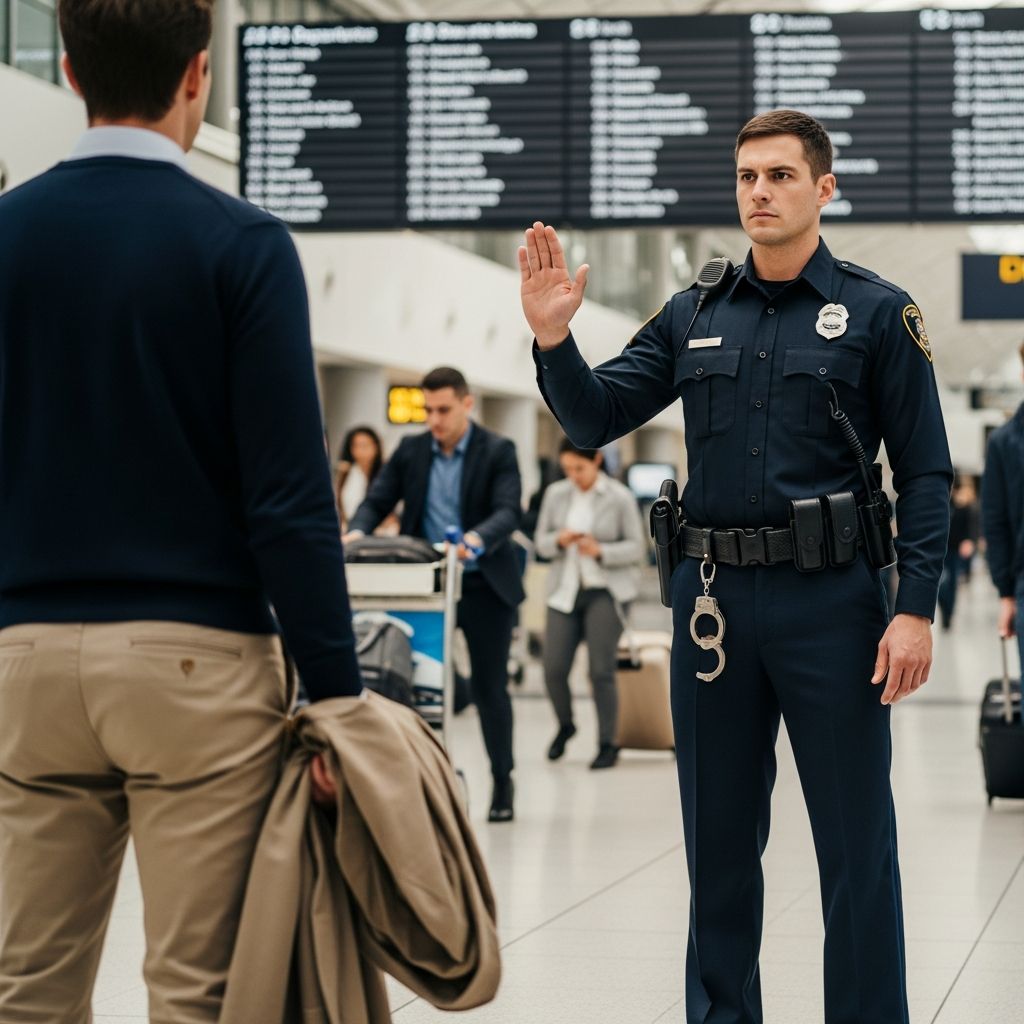
Navigating Airport Security: Understanding Legal Compliance and Consequences
Airports operate under a strict framework of federal regulations and security protocols designed to protect travelers and maintain public safety. Despite clear signage and regular announcements, thousands of travelers unknowingly engage in behaviors that violate these regulations each year, often resulting in serious legal consequences. Understanding what constitutes illegal conduct at airports is essential for any frequent or occasional traveler. This comprehensive guide explores the behaviors and decisions that can lead to criminal charges and airport-related arrests, helping you recognize potential pitfalls and maintain compliance with applicable laws and regulations.
Making False Claims About Weapons or Explosives
One of the most serious mistakes travelers can make involves joking about weapons, explosives, or threats while passing through airport security checkpoints or lounges. Federal law treats these statements with extreme seriousness, regardless of the traveler’s intent or whether the statement was meant as humor. The TSA and law enforcement agencies operate on the principle that every potential threat must be investigated thoroughly and taken at face value.
Even seemingly innocuous comments—such as joking with a security officer about carrying a bomb in your luggage or making a light remark about having a weapon—can trigger immediate law enforcement response. Federal authorities respond to these statements by treating them as credible threats, which can result in airport evacuation, delays affecting hundreds of travelers, and criminal investigation and prosecution of the person making the statement.
The legal framework addressing these violations falls under 49 U.S.C. § 46506, which prohibits communicating information that the individual knows to be false concerning an attempt or alleged attempt to do any act which would violate the Federal Aviation Act. Violators face potential federal criminal charges, substantial fines, and imprisonment. Beyond the legal consequences, making such statements creates significant disruption and anxiety for fellow travelers and airport staff.
Failing to Comply with TSA Officer Instructions
Transportation Security Administration officers maintain authority throughout security checkpoints and designated airport areas, and their instructions must be followed promptly and without argument. Many travelers facing arrest at airports did not violate transportation rules directly; rather, they were arrested for failing to comply with officer directives or refusing to follow security procedures.
Common scenarios include refusing to allow your carry-on bags to be screened, declining to pass through metal detectors or advanced imaging technology machines, or resisting searches when officers have reasonable suspicion of prohibited items. Some travelers attempt to bypass security entirely or become argumentative when questioned about items in their possession. Others refuse to provide identification documents or attempt to proceed through secure areas without authorization.
The legal authority for these compliance requirements derives from 49 U.S.C. § 44901, which grants the TSA authority to establish security rules and direct travelers to follow these rules. Obstruction or interference with TSA officers’ duties can result in federal charges under 18 U.S.C. § 111, which addresses resistance to federal officers and personnel. Penalties can include significant fines and imprisonment up to three years, depending on the severity of the resistance or obstruction.
Understanding that TSA officers are exercising lawful authority helps travelers recognize the importance of compliance, even when frustrated or uncomfortable. If you disagree with a security procedure, the appropriate response involves remaining calm, complying with the directive, and filing a formal complaint afterward rather than refusing or escalating the situation.
Attempting to Transport Prohibited Items Through Security
Federal regulations maintain strict prohibitions on numerous items that travelers cannot transport through security checkpoints or carry onto aircraft. While many people understand general restrictions on firearms and explosive materials, numerous other items surprise travelers when confiscated, and attempting to bring these items through security—whether intentionally or accidentally—can result in criminal charges.
Prohibited items include:
- Firearms, ammunition, and firearm components
- Explosive materials and detonators
- Flammable liquids and compressed gases exceeding TSA regulations
- Sharp objects exceeding size restrictions
- Certain tools and equipment designed for breaking or cutting
- Self-defense weapons such as pepper spray or stun devices
- Certain sporting equipment when designed to strike or injure
The critical distinction involves intent. Accidentally bringing a utility knife you forgot about in your carry-on differs legally from intentionally attempting to smuggle a firearm through security. However, law enforcement may investigate either scenario, and travelers should be prepared to demonstrate lack of criminal intent if charged. Documentation proving you didn’t know prohibited items were in your possession can help establish innocence, but the burden of maintaining awareness of what you pack remains with the traveler.
Federal charges for violating prohibited items regulations include violations under 49 U.S.C. § 46505 and related provisions in Title 18 of the United States Code. Penalties vary based on the specific item and circumstances but can include federal charges, substantial fines, and imprisonment. Additionally, attempting to transport prohibited items often results in detention, searches of your person and property, and investigation by law enforcement and TSA officials.
Providing False Information to Law Enforcement and TSA Personnel
When questioned by TSA officers, airport law enforcement, or federal agents, travelers must provide truthful and accurate information. Providing false identification, lying about your travel plans, misrepresenting the contents of your luggage, or giving false answers to security questions constitutes federal crimes that carry serious legal consequences.
Scenarios include providing a fake identification document, lying about where you’re traveling, falsely denying knowledge of items in your possession, or misrepresenting your purpose for travel. Some travelers provide false information thinking it will expedite the screening process or avoid complications, but false statements to federal officers compound legal problems significantly.
Federal law prohibits making materially false statements to law enforcement and federal agents under 18 U.S.C. § 1001. Conviction for providing false information to federal personnel can result in fines up to $10,000 and imprisonment up to five years. These charges often accompany other violations, making the overall legal exposure substantial. Additionally, providing false information suggests consciousness of guilt regarding other violations, which law enforcement may use when pursuing additional investigations or charges.
The straightforward approach involves answering questions truthfully or exercising your right to remain silent and requesting an attorney. Attempting to deceive federal officers rarely succeeds and almost always makes situations worse legally.
Engaging in Disruptive or Threatening Behavior
Airports maintain regulations prohibiting conduct that threatens other travelers, interferes with airport operations, or violates behavioral standards. Disruptive behavior includes fighting with other travelers or staff, verbally abusing TSA officers or airline personnel, making threats toward any person at the airport, or engaging in conduct that causes significant anxiety or fear among other travelers.
Federal law addresses disruptive conduct on aircraft and in airport facilities through 49 U.S.C. § 46504, which prohibits assault or intimidation of flight crew and other individuals at airports. Additionally, assault and threatening behavior violate state criminal statutes applicable at the airport’s location. Federal Aviation Administration records document thousands of disruptive passenger incidents annually, and criminal prosecution represents one consequence of such behavior.
Contributing factors to disruptive behavior include alcohol consumption, emotional distress, disagreement with policies, or frustration with travel delays. Regardless of the underlying cause, engaging in disruptive conduct results in detention by airport security and law enforcement, criminal investigation, and potential prosecution. Airlines also maintain no-fly lists and may ban passengers who engage in serious disruptive conduct from future travel.
Travelers facing frustration should step away from the situation, request assistance from airline staff, or take breaks to calm themselves. Physical altercations or verbal confrontations almost always make situations worse and introduce criminal liability.
Operating Under Influence at Airport Facilities
While airports permit travelers to purchase alcoholic beverages, arriving at the airport intoxicated or becoming intoxicated before or during the flight boarding process can result in arrest and criminal charges. Many travelers underestimate how alcohol consumption at airports, combined with security procedures, altitude changes, and fatigue, affects their behavior and judgment.
TSA officers and airline personnel receive training to identify signs of intoxication, and they have authority to refuse boarding to passengers displaying obvious signs of impairment. Additionally, law enforcement stationed throughout airports can arrest individuals whose intoxication creates safety concerns or results in disruptive behavior. Federal regulations prohibit operating an aircraft while under the influence, and this prohibition extends to passengers through restrictions on boarding intoxicated travelers.
Traveling with alcohol in your system affects your judgment during security screening, interactions with TSA officers, and behavior in airport facilities. Intoxicated travelers are more likely to make jokes about weapons, make false statements, become argumentative with officers, or engage in disruptive conduct—essentially amplifying the risk for all other violations discussed in this guide.
Planning your travel timeline to include time for consuming alcohol to metabolize before airport arrival, limiting alcohol consumption at airport bars and restaurants, and remaining aware of your impairment level helps travelers avoid this common pitfall.
Understanding the Arrest and Legal Process at Airports
When law enforcement arrests a traveler at an airport, the process typically involves initial detention, questioning, and transportation to a federal detention facility or local police station depending on whether federal or state charges apply. Understanding your rights during this process is critical:
- You have the right to remain silent and should exercise this right immediately
- You have the right to request an attorney before answering questions
- You should not consent to searches of your person or property without a warrant
- You will be informed of charges against you and have the right to a hearing on bail or release conditions
- You have the right to contact family members or your attorney after initial processing
Federal charges related to airport violations often involve felony-level offenses that carry substantial penalties. Even misdemeanor charges can result in significant consequences, including fines, community service, probation, and potential imprisonment. A criminal record affects future employment, travel, professional licensing, and educational opportunities.
Frequently Asked Questions About Airport Legal Violations
Q: Can I bring alcohol through airport security to bring on the plane?
A: No, you cannot bring alcohol through security checkpoints in carry-on luggage. Alcohol may be packed in checked baggage according to airline regulations, but bringing alcohol through security checkpoints is prohibited by TSA regulations.
Q: What should I do if I accidentally bring a prohibited item to security?
A: Immediately inform the TSA officer before they discover the item. Transparency about the accident is essential and demonstrates lack of criminal intent. However, you should still be prepared for the item to be confiscated, and you may face questioning or investigation depending on the item’s nature.
Q: Can I refuse a TSA search or pat down?
A: You can refuse, but doing so means you will not be allowed to proceed through security and board your flight. TSA officers will likely escalate the situation, and you may face detention and criminal charges for obstruction if the refusal becomes confrontational or you attempt to bypass security.
Q: What are the penalties for making jokes about bombs at airport security?
A: Federal charges under 49 U.S.C. § 46506 can result in fines up to $250,000 and imprisonment up to five years. Additionally, you may face state charges and civil liability for the costs of emergency response and airport disruption.
Q: Can airports ban passengers from traveling based on behavior at security?
A: Yes, airlines and airports maintain authority to refuse service and establish no-fly lists for passengers who engage in serious violations, disruptive behavior, or criminal conduct. These bans can be permanent or for specified periods.
Q: What should I do if I’m arrested at an airport?
A: Remain calm, do not answer questions, and immediately request to speak with an attorney. Provide your name, date of birth, and address, but do not discuss your case or circumstances with law enforcement. Contact family members to arrange legal representation.
Practical Steps to Ensure Airport Compliance
Avoiding arrests and legal problems at airports requires preparation and awareness. Begin by reviewing TSA regulations before traveling to understand current rules regarding carry-on and checked baggage restrictions. Arrive at the airport with sufficient time to proceed through security without rushing, as time pressure increases the likelihood of mistakes and confrontational interactions with TSA officers.
Pack your luggage carefully, maintaining awareness of what you include and ensuring prohibited items are not present. If you travel with items that might raise questions—such as tools, sporting equipment, or other items with legitimate purposes—carry documentation explaining their purpose and intended use.
Approach security interactions with patience and respect toward TSA personnel. These officers perform demanding jobs under challenging circumstances, and treating them professionally decreases the likelihood of confrontational situations. If you disagree with a security procedure or decision, comply with the officer’s directives and address your concerns through proper channels after your travel concludes.
Finally, avoid alcohol consumption that leads to intoxication before or during airport processes. This single factor prevents many of the violations and confrontations that result in arrests and criminal charges.
References
- 49 U.S.C. § 46506 – Falsification of Records and Reports — United States Code. https://www.law.cornell.edu/uscode/text/49/46506
- 49 U.S.C. § 44901 – Security Programs and Procedures — United States Code. https://www.law.cornell.edu/uscode/text/49/44901
- 18 U.S.C. § 111 – Assaulting, Resisting, or Impeding Certain Officers or Employees — United States Code. https://www.law.cornell.edu/uscode/text/18/111
- 18 U.S.C. § 1001 – Statements or Entries Generally — United States Code. https://www.law.cornell.edu/uscode/text/18/1001
- 49 U.S.C. § 46504 – Interference With Crew Members and Flight Attendants — United States Code. https://www.law.cornell.edu/uscode/text/49/46504
- TSA Prohibited Items List — Transportation Security Administration. https://www.tsa.gov/travel/security-screening/what-can-i-bring
- Federal Aviation Administration Unruly Passenger Incident Data — Federal Aviation Administration. https://www.faa.gov/faq/what-are-consequences-of-unruly-behavior-aircraft
Similar Articles








Read full bio of medha deb




