
Air Travel Restrictions: What You Cannot Pack
Essential guide to understanding TSA and airline prohibitions for safer air travel.
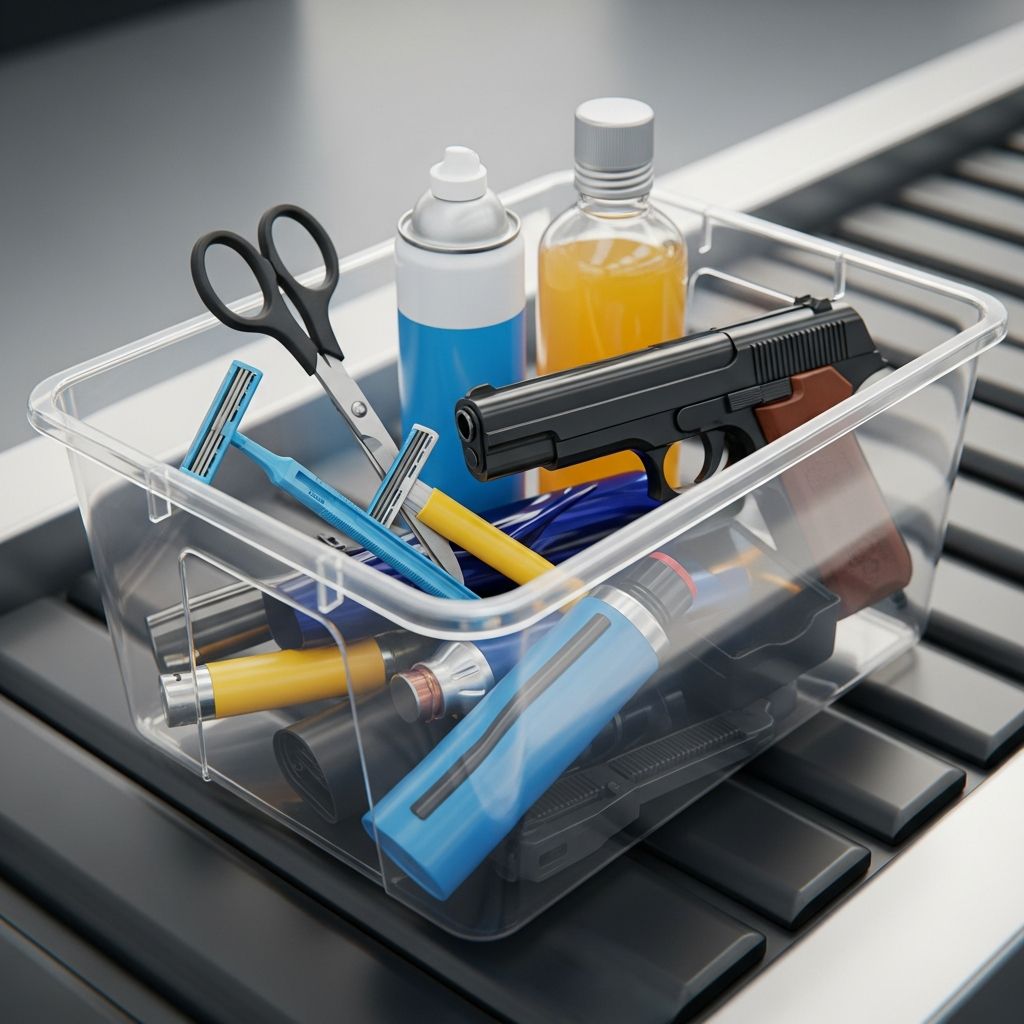
Understanding Air Travel Restrictions and Prohibited Items
When preparing for air travel, understanding what items cannot be brought aboard is essential for a smooth airport experience. Travelers often encounter confusion about transportation security regulations, leading to delays, confiscations, or even denied boarding. The Transportation Security Administration (TSA) and individual airlines maintain strict guidelines about what passengers can and cannot bring in both carry-on and checked baggage. These restrictions exist primarily to ensure passenger safety and protect aircraft integrity. Familiarizing yourself with these rules before arriving at the airport can save significant time and frustration.
Weapons and Firearm Regulations
One of the most straightforward prohibition categories involves any form of weaponry. The TSA maintains an absolute ban on all firearms in aircraft cabins, whether as carry-on or checked baggage. This encompasses traditional handguns and rifles, as well as non-traditional weapons like BB guns and compressed air guns. Toy weapons present a particularly important consideration, as they often go overlooked by travelers. Water guns, Nerf blasters, and replica firearms are completely prohibited because they can create security concerns and potentially violate aircraft safety protocols.
The prohibition extends beyond the actual weapons themselves. Ammunition in any quantity, gunpowder, flares, and firearm accessories designed for tactical use are forbidden items. However, TSA does permit certain accessories such as empty gun holsters and rifle scopes when packed properly in checked baggage. If you need to transport firearms, they must be unloaded, secured in a locked hard-sided container, and declared to the airline during check-in. This requires advance communication with your airline, as specific procedures vary by carrier.
Flammable and Explosive Materials
Flammable substances represent another critical category of prohibited items due to their inherent safety risks at high altitudes. Airlines and the TSA prohibit all common flammable liquids including gasoline, butane, chlorine, and lighter fluid from both carry-on and checked baggage. These substances can ignite under pressure changes or temperature fluctuations experienced during flight. Similarly, fireworks, bang snaps, blasting caps, and other explosive novelties are completely banned.
Some flammable items exist in gray areas. For instance, one lighter per passenger is permitted when carried on your person—not in checked or carry-on bags. Safety matches are allowed, but strike-anywhere matches are prohibited. Cigarettes and cigars are permissible items to transport, though smoking them anywhere on the aircraft is strictly forbidden. Certain aerosol products, particularly cooking sprays and anti-static sprays, cannot be transported in any form of baggage. Paint, stains, lubricants, and drain cleaners similarly fall under the flammable substance prohibition.
An often-overlooked consideration involves batteries. While dry batteries can be transported in carry-on baggage without quantity limitations, the terminals must not contact other metallic objects. Lithium batteries, common in many electronic devices, face specific regulations and should be carried only in carry-on bags where flight crews can monitor them. Spare lithium batteries or large battery packs are typically restricted.
Sharp Objects and Cutting Instruments
Sharp implements present safety concerns in enclosed aircraft environments, leading to comprehensive restrictions. The TSA prohibits knives of all types, including pocket knives and multi-tools with blades, sabers, saws, and throwing stars in carry-on baggage. Box cutters, razors, and scissors with blades exceeding four inches cannot be transported in carry-on bags and must be placed in checked luggage.
However, certain items with sharp components are permitted. Tweezers, fingernail clippers, pencil sharpeners, and safety pins pass through security checkpoints without issue. This distinction recognizes that some items with minimal weaponization potential present acceptable safety levels. The underlying principle involves assessing whether an item could reasonably be used as a weapon in a confined space. Items deemed impractical for such purposes receive authorization for carry-on transport.
Sporting Equipment and Athletic Gear
Recreational and sporting equipment presents interesting complexities in TSA regulations. Many travelers assume all sporting gear faces restrictions, but the reality is more nuanced. Items shaped like clubs or capable of bludgeoning receive particular scrutiny. Baseball bats, cricket bats, golf clubs, hockey sticks, lacrosse sticks, and walking sticks are prohibited in carry-on baggage and must be checked. Pool cues and bowling pins similarly fall under this prohibition.
Conversely, many sporting items are permitted. Fishing equipment can be transported, though fishing lures with large hooks require special consideration. Tennis rackets, badminton rackets, and similar implements are generally allowed. Skis and snowboards can often be carried, though size restrictions may apply. The key distinction involves whether an item could effectively function as a striking weapon. Items primarily used for their intended sporting purpose, rather than as potential weapons, typically receive clearance.
Certain specialized sporting equipment warrants specific attention. Horseshoes, clamp-ons, and spurs are generally allowed despite their pointed nature, as they lack practical weaponization potential in aircraft settings. However, travelers should verify specific items with their airline, as individual carriers sometimes impose additional restrictions beyond TSA guidelines.
Camping and Outdoor Equipment Considerations
Camping gear presents another category requiring careful evaluation. Tents, sleeping bags, and tent poles are permitted in both carry-on and checked baggage according to TSA regulations. However, individual airlines may impose size or weight restrictions that could prevent boarding even if items pass security screening. In such situations, gate-checking options may be available, though airlines are not obligated to offer this service.
Certain camping items face outright prohibition. Tent spikes and stakes are banned due to their pointed nature and potential weapon application. Bear spray and other animal deterrents cannot be transported. Gas cartridges of any size are completely prohibited in both carry-on and checked baggage. Cast iron cookware is restricted due to its weight and potential as a striking implement. Portable stoves and fuel canisters represent additional prohibited items that travelers frequently overlook when planning camping trips.
Electronic Devices and Battery Restrictions
Modern travel increasingly involves electronic devices, many of which contain lithium batteries presenting fire risks. The TSA and airlines maintain specific protocols for electronic items. Wireless cordless hair styling tools that operate on gas cartridges or lithium batteries were recently restricted from checked baggage due to documented fire incidents. These devices can still be transported in carry-on bags if they feature safety covers over heating elements, but spare gas cartridges are completely banned.
Power banks and portable chargers face specific restrictions regarding storage. While permitted on aircraft, these items must remain at passenger seats where flight crews can monitor them—they cannot be stored in overhead bins. This precaution addresses documented incidents of power bank fires during flight. All electronic devices containing lithium batteries should be clearly labeled and packed to prevent accidental activation.
One specific device warrants mention: Samsung Galaxy Note 7 phones are permanently banned from all commercial flights and the U.S. mail system by the Department of Transportation due to well-documented battery hazards. Passengers should verify that no prohibited electronic devices are included in their luggage before traveling.
Food Items and Powdered Substances
Food restrictions exist primarily for customs and agricultural reasons rather than general safety. While prepared meals are often transportable, certain items face restrictions. Peanut butter, despite being a common sandwich spread, cannot be carried through security checkpoints in carry-on baggage because of its gel-like consistency, which creates difficulty for TSA screening equipment. Other spreadable foods face similar restrictions due to their physical properties rather than inherent danger.
Powdered substances receive particular scrutiny. Any powdered item exceeding 12 ounces in carry-on baggage becomes subject to additional screening and potential confiscation. This includes protein powders, greens powders, pancake mix, powdered coffee creamer, and similar items. The TSA’s reasoning involves concerns that powders could potentially disguise explosive materials. Travelers should pack powder-based items in checked baggage when quantities exceed threshold amounts or be prepared for detailed inspection at security checkpoints.
Personal Care and Household Products
Many personal care items face quantity restrictions or outright prohibition. Aerosol products including deodorant, hairspray, and insect repellent typically cannot exceed certain volumes. Perfume and cologne containing alcohol face restrictions due to flammability concerns. Nail polish and nail polish remover are prohibited entirely in carry-on baggage. Acetone-based products like liquid nails are banned completely.
Bleach, drain cleaners, and pesticides are forbidden items that some travelers might not immediately associate with air travel restrictions. Meals Ready to Eat (MREs) are also prohibited by most major airlines. Hoverboards, self-balancing scooters, and motorized riding luggage containing lithium batteries are completely banned following documented safety incidents. Refrigeration units and appliances containing refrigerants are similarly prohibited.
Dual-Use Items and Security Considerations
Certain items present particular challenges because they have legitimate civilian purposes but could potentially be misused. Tools including hammers, screwdrivers, and wrenches face restrictions. Martial arts equipment and self-defense items like nunchucks and brass knuckles are prohibited. Magic 8-balls, which contain liquid fill, may face restrictions if they exceed size limitations. Items that might appear suspicious or could create confusion during screening should be carefully considered before packing.
Important Comparison Table: Common Restricted Items
| Item Category | Carry-On Status | Checked Baggage Status | Notes |
|---|---|---|---|
| Firearms & Ammunition | Prohibited | Prohibited (unless properly declared) | Unloaded weapons in locked containers require advance airline approval |
| Flammable Liquids | Prohibited | Prohibited | Includes gasoline, butane, lighter fluid |
| Large Knives | Prohibited | Permitted | Blades over 6 cm prohibited in carry-on |
| Baseball Bats | Prohibited | Permitted | Club-shaped sporting equipment restricted in cabin |
| Lithium Batteries | Limited Permitted | Restricted/Prohibited | Spares prohibited; devices only in carry-on |
| Tent Stakes | Prohibited | Prohibited | Pointed implements banned entirely |
| Powders (over 12 oz) | Subject to Screening | Permitted | Additional inspection required for carry-on |
Best Practices for Packing and Security Compliance
Successful air travel begins with careful pre-departure planning. Review your airline’s specific policies, as restrictions occasionally vary between carriers beyond TSA baseline requirements. When uncertain about specific items, contact the airline directly or visit the TSA website for detailed guidance. Pack prohibited items in checked baggage when permitted, keeping carry-on bags reserved for items explicitly authorized for cabin transport.
Organize your packing to facilitate security screening. Remove electronics, place liquids in designated bags, and arrange items so security personnel can easily inspect them. Declare items when required, and arrive at the airport with sufficient time for potential additional screening. Keep receipts for expensive electronics and expensive items in case questions arise during security processing.
Frequently Asked Questions About Airline Restrictions
Q: Can I bring a pocket knife in checked luggage?
A: Pocket knives and similar bladed implements are generally prohibited in carry-on bags but may be permitted in checked baggage. Verify with your airline, as policies vary.
Q: Are electronic cigarettes and vaping devices allowed?
A: Electronic cigarettes are permitted in carry-on bags only—never in checked baggage due to battery risks. Spare batteries are prohibited.
Q: What about sporting equipment for checked baggage?
A: Most sporting equipment can be checked, though size limitations may apply. Club-shaped items require verification with your airline.
Q: Can I transport ammunition through TSA security?
A: Ammunition is completely prohibited in carry-on bags and heavily restricted in checked baggage. Only unloaded firearms in locked containers with proper declaration are permitted for checked transport.
Q: Are there any exceptions for essential medical equipment?
A: Medical devices and equipment often receive special consideration. Contact your airline and TSA in advance if traveling with medical items requiring special handling.
References
- What is not allowed on a plane carry-on in 2025 — KAYAK. 2025. https://www.kayak.com/news/what-is-not-allowed-on-a-plane-carry-on/
- Prohibited or Restricted Items — Delta Air Lines. 2026. https://www.delta.com/us/en/baggage/prohibited-or-restricted-items/overview
- Prohibited Items — JetBlue Airways. 2026. https://www.jetblue.com/help/prohibited-items
- Restricted items — American Airlines. 2026. https://www.aa.com/i18n/travel-info/baggage/restricted-items.jsp
- TSA.gov — Prohibited Items — Transportation Security Administration, U.S. Department of Homeland Security. 2026. https://www.tsa.gov/travel/security-screening/whatcanibring
Similar Articles








Read full bio of Sneha Tete




