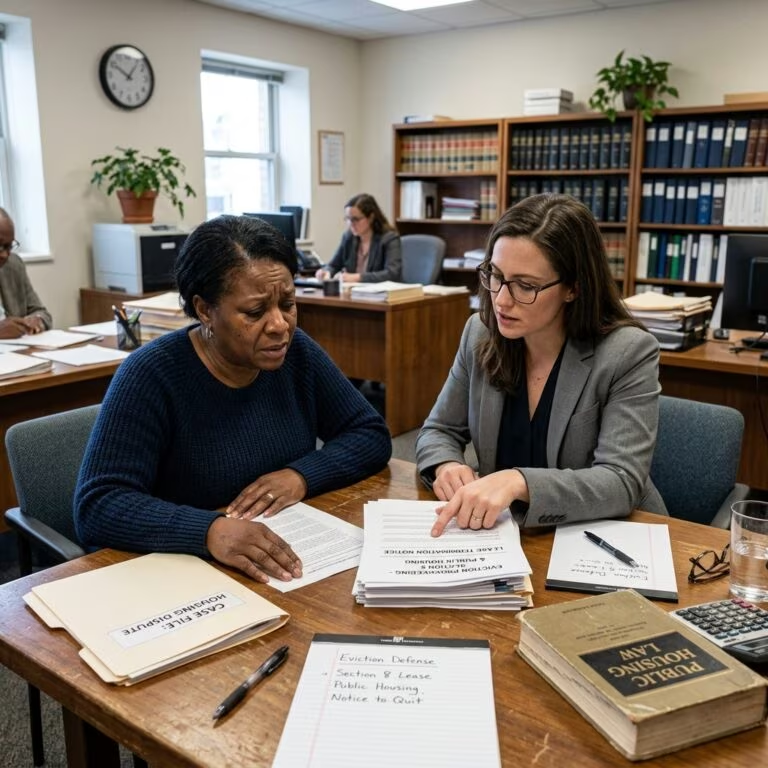
Seeking asylum in the United States offers a vital lifeline for individuals fleeing persecution, but the process splits into two primary tracks: affirmative and defensive asylum. Affirmative asylum allows proactive applications outside of deportation proceedings, while defensive asylum serves as a shield during removal hearings. Grasping these distinctions is crucial for applicants to choose the right path and maximize their chances of success.
Core Principles of Asylum Eligibility
Both affirmative and defensive asylum hinge on proving a well-founded fear of persecution in one’s home country due to protected grounds: race, religion, nationality, membership in a particular social group, or political opinion. Persecution may include serious physical harm, coercive medical procedures, disproportionate punishment, severe discrimination, or economic harm like extortion.
Applicants must be physically present in the U.S. and generally file within one year of arrival, though exceptions exist for changed circumstances or extraordinary situations. Successful claimants gain permission to live and work legally, with a path to permanent residency after one year.
Affirmative Asylum: The Proactive Route
Affirmative asylum empowers individuals not facing immediate deportation to submit their claim directly to U.S. Citizenship and Immigration Services (USCIS). This non-adversarial process suits those who entered legally on visas but later fear return, or undocumented entrants not yet detected by authorities.
Step-by-Step Affirmative Process
- File Form I-589: Submit the Application for Asylum and Withholding of Removal to USCIS, free of charge, ideally within one year of U.S. arrival.
- Biometrics Appointment: Attend a scheduled session for fingerprints, photo, and background checks, typically within weeks.
- Asylum Interview: Meet a USCIS officer within 45 days if possible; present evidence and testimony in a supportive environment without government opposition.
- Decision: Approval grants asylee status immediately; denial without lawful status triggers referral to immigration court for defensive proceedings.
During pendency, applicants can remain in the U.S. but face work authorization delays of up to 150 days post-filing. Family members included on the form may also qualify.
Defensive Asylum: Defending Against Deportation
Defensive asylum activates when the government initiates removal proceedings, often via a Notice to Appear (NTA) from DHS. This court-based path applies to border apprehensions, visa overstays detected by ICE, or failed affirmative claims. It’s adversarial, pitting applicants against DHS attorneys before an immigration judge.
Navigating Defensive Proceedings
- Receive NTA: DHS serves notice alleging removability, scheduling an initial master calendar hearing.
- File I-589 with Court: Submit to the Executive Office for Immigration Review (EOIR); no fee required.
- Merits Hearing: Present evidence, witnesses, and testimony; DHS cross-examines and argues against the claim.
- Judicial Ruling: Judge decides; appeals possible to the Board of Immigration Appeals (BIA) if denied.
No government-provided counsel exists in immigration court, underscoring the need for legal representation. Success yields the same benefits as affirmative asylum.
Comparative Analysis: Key Distinctions
The table below highlights critical differences to aid decision-making:
| Aspect | Affirmative Asylum | Defensive Asylum |
|---|---|---|
| Filing Agency | USCIS (DHS) | Immigration Court (EOIR/DOJ) |
| Proceedings Status | Not in removal | In removal |
| Process Nature | Non-adversarial interview | Adversarial court hearings |
| Timeline | Interview within ~45 days | Varies; backlogs common |
| Representation | Optional but advised | Highly recommended; no appointed counsel |
| Outcome of Denial | Referred to court | Possible removal or appeal |
Recent Developments and Special Rules
The 2022 Asylum Processing Rule introduced a hybrid expedited path for certain border arrivals in expedited removal. After a credible fear interview, eligible individuals undergo streamlined processing blending affirmative and defensive elements, aiming for faster resolutions.
Court backlogs plague defensive cases, with over 1 million pending as of recent reports, delaying merits hearings for years. Affirmative processing has improved but still faces delays.
Evidence Strategies for Strong Applications
Regardless of track, robust documentation bolsters claims:
- Personal affidavits detailing persecution incidents.
- Country condition reports from USCIS-recognized sources.
- Medical records, police reports, or witness statements.
- Expert affidavits on risks tied to protected grounds.
Consistency between written applications, interviews, and testimony is paramount; discrepancies can undermine credibility.
Paths Forward After Asylum Grant
Granted asylees receive employment authorization, travel documents, and derivative benefits for spouses/children. One year post-grant, apply for a green card via Form I-485. Citizenship eligibility follows five years later.
Withholding of removal or Convention Against Torture (CAT) protection offers alternatives if asylum is barred, preventing deportation but without full benefits.
Frequently Asked Questions
Can I apply for asylum after one year in the U.S.?
Generally no, but exceptions apply for changed circumstances (e.g., new persecution threats) or extraordinary reasons like trauma. File a written explanation with Form I-589.
What if my affirmative application is denied?
If out of status, USCIS refers you to immigration court where you can renew defensively without prejudice.
Do I need a lawyer for affirmative asylum?
Not required, but representation increases approval odds significantly, especially for complex claims.
How long does defensive asylum take?
Highly variable; initial hearings quick, but merits hearings face multi-year backlogs due to court overload.
Can family members join my claim?
Yes, include qualifying spouses and unmarried children under 21 on Form I-589; they gain derivative status if approved.
Strategic Considerations and Next Steps
Evaluate your situation early: if not in proceedings, pursue affirmative for its efficiency. Those in removal must pivot to defensive. Consult accredited immigration attorneys or nonprofits promptly. Track USCIS/EOIR updates, as policies evolve.
Prepare meticulously, gather evidence proactively, and maintain lawful presence where possible. Asylum represents hope amid hardship, but informed action determines outcomes.
References
- Affirmative vs. Defensive Asylum: Which One Applies to You? — Metcalf Law Group. 2023. https://www.metcalflawgroup.com/blog/affirmative-vs-defensive-asylum-which-one-applies-to-you/
- Asylum in the United States — American Immigration Council. 2023-05-01. https://www.americanimmigrationcouncil.org/fact-sheet/asylum-united-states/
- What is Defensive vs. Affirmative Asylum? — Salvado Law Offices. 2023. https://www.salvadolaw.com/blog/what-is-defensive-vs-affirmative-asylum
- Fact Sheet: U.S. Asylum Process — Forum Together. 2018-08. https://forumtogether.org/wp-content/uploads/2018/08/Asylum-Fact-Sheet-_Update_Final.pdf
- Types of Asylum — UNHCR USA. 2024. https://help.unhcr.org/usa/applying-for-asylum/types-of-asylum/