Modern work environments often feel like battlegrounds of deadlines, notifications, and endless meetings. Yet, fostering a sense of calm amid the chaos is not only possible but essential for sustained productivity and mental health. This article explores actionable strategies to create tranquility at your desk, drawing from mindfulness practices, physical adjustments, and psychological tools. By integrating these methods, professionals can transform their workspace into a haven of focus and well-being.
Mastering Breath for Instant Calm
Breathing stands as the cornerstone of quick stress relief, accessible anywhere without tools. Deep, intentional breaths activate the body’s relaxation response, lowering cortisol levels and sharpening mental clarity. Research from health authorities confirms that even brief sessions yield measurable benefits.
To begin, schedule hourly reminders for a ‘breath break.’ Inhale deeply through the nose for a count of four, hold for four, then exhale slowly for six. This 4-7-8 technique, popularized in clinical settings, resets the nervous system in under a minute. Pair it with good posture—sit tall to enhance oxygen flow by up to five percent, promoting better brain function.
- Inhale deeply into the belly, expanding like a balloon.
- Exhale fully, releasing tension with a sigh.
- Repeat three times for immediate relief.
Incorporate this during transitions between tasks. Before emails or calls, a 30-second pause centers you, preventing reactive stress buildup. Over time, this habit builds resilience against daily pressures.
Designing Your Personal Calm Zone
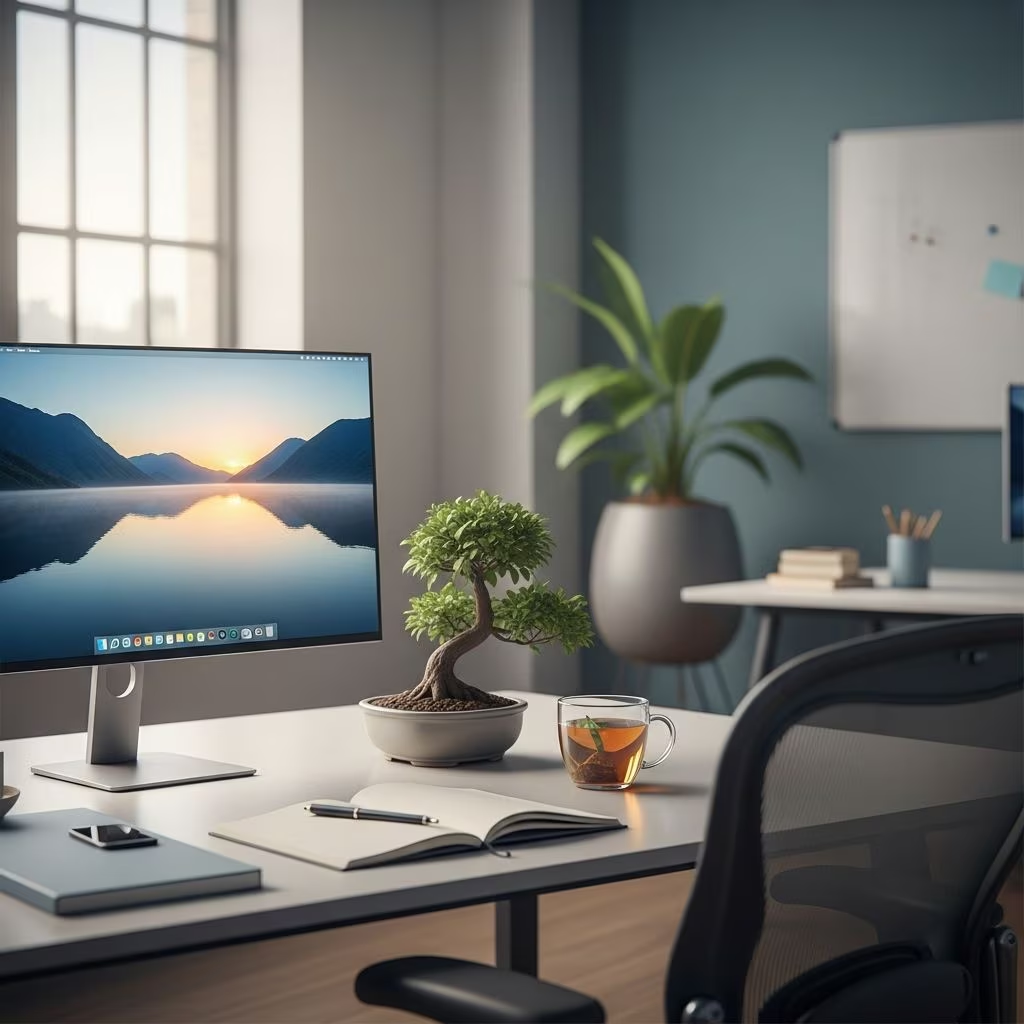
Your desk reflects your mindset; clutter breeds anxiety, while intentional elements invite peace. Start by decluttering ruthlessly—keep only essentials visible to reduce cognitive overload. Introduce natural touches: a small plant purifies air and evokes serenity, backed by studies on biophilia’s stress-reducing effects.
Add personal anchors like a family photo or calming artwork. These reminders of life beyond work provide emotional grounding. Optimize lighting with a desk lamp mimicking daylight to combat fatigue from harsh fluorescents. Ergonomic tweaks, such as a footrest or wrist support, prevent physical strain that amplifies mental unrest.
| Element | Benefit | Implementation Tip |
|---|---|---|
| Live Plant | Air purification, nature connection | Low-maintenance succulent |
| Personal Photo | Emotional uplift | Framed, non-distracting image |
| Ergonomic Chair | Posture support | Adjustable lumbar support |
| Noise-Canceling Headphones | Focus enhancement | With white noise tracks |
A tidy, personalized space signals control, fostering psychological safety and flow states.
Building Emotional Boundaries
Workplace drama and overload erode peace; strong boundaries preserve it. Practice ‘mindful involvement’ by assessing situations’ emotional worth. Not every email or meeting demands full investment—choose wisely to safeguard energy.
Implement ‘consciousness breaks’: every 90 minutes, pause to scan emotions. Ask: ‘Am I reacting or responding?’ This resets boundaries, preventing resentment. Use the 90-second rule: stress emotions pass naturally if observed without judgment. Tools like mental noting—labeling thoughts as ‘planning’ or ‘worry’—detach you from rumination.
- Notice physical cues: tight shoulders signal boundary breach.
- Breathe through the 90 seconds.
- Reframe: ‘This is temporary.’
Leaders benefit doubly—present listening builds team trust while modeling calm.
Dynamic Desk Exercises for Tension Release
Sedentary hours tense muscles, fueling anxiety. Desk stretches counteract this without leaving your seat. A 5-4-3-2-1 grounding: name 5 things seen, 4 touched, 3 heard, 2 smelled, 1 tasted—anchors you instantly.
Try seated twists: rotate torso gently side-to-side, releasing spine tension. Shoulder rolls and neck tilts target common stress spots. Body scans relax from head to toe: tense and release each group for 5 seconds. Schedule 2-minute sessions post-meeting.
- Arm circles: Forward 10x, backward 10x.
- Wrist flexes: Extend and flex 10x per side.
- Ankle rotations: Circle 10x each direction.
- Eye breaks: Look 20 feet away for 20 seconds every 20 minutes (20-20-20 rule).
These micro-movements boost circulation, clarity, and mood.
Infusing Gratitude and Recovery Rituals
Negativity spirals under pressure; gratitude pauses interrupt it. Dedicate 30 seconds thrice daily: note three appreciations, engaging senses for depth. ‘Warm coffee, supportive colleague, progress made’ shifts perspective.
Build recovery: quiet lunches away from screens allow mindful eating, digesting fully. Mini-meditations—eyes closed, breath-focused—center you mid-day. End-of-day rituals: review wins, plan tomorrow, then disconnect.
Morning routines set the tone: 5-minute meditation or walk primes calm. Apps with guided sessions fit seamlessly.
Enhancing Connections Mindfully
Peace thrives in positive interactions. Practice full presence: eye contact, no devices, active listening. This ‘psychological safety’ reduces conflict. Share calm via team breath breaks or gratitude shares.
For hybrid setups, clear communication prevents misunderstandings fueling stress. Daily check-ins foster empathy, amplifying collective serenity.
Frequently Asked Questions (FAQs)
Q: How often should I take breathing breaks?
A: Aim for every 60-90 minutes, or during natural pauses like task switches, for optimal stress management.
Q: Can these techniques work in open offices?
A: Yes, they’re discreet—breathing and grounding require no space or notice.
Q: What if my workplace resists wellness practices?
A: Start personally; benefits like higher focus will demonstrate value organically.
Q: How long until I notice improvements?
A: Many report calm within days; consistency yields deeper resilience in weeks.
Q: Are apps necessary?
A: No, but guided ones enhance beginners’ practice without commitment.
Sustaining Long-Term Workplace Harmony
Integrate one strategy weekly, tracking mood via journal. Combine for synergy: breath before stretches, gratitude post-recovery. Leaders: advocate wellness policies like break norms.
Ultimately, serenity stems from presence. These tools empower reclaiming control, turning offices into growth spaces. Commit today—your future self thrives in calm.
References
- 5 Ways to Cultivate Peace at Your Desk — Conferences for Women. 2023-05-15. https://www.conferencesforwomen.org/5-ways-to-cultivate-peace-at-your-desk/
- 5 Mindfulness Techniques to Find Your Inner Calm — WP Riders. 2024-02-20. https://inside.wpriders.com/5-mindfulness-techniques-to-find-inner-calm/
- 10 Ways to be More Mindful at Work — The Mindfulness App. 2024-08-10. https://www.themindfulnessapp.com/articles/10-ways-to-be-more-mindful-at-work
- 5 Strategies for Managing Workplace Stress — Insight Northwest. 2023-11-05. https://www.insightnorthwest.com/blog/5-strategies-for-managing-workplace-stress
- 12 Best Workplace Stress Relief Tips — Nivati. 2024-03-12. https://www.nivati.com/blog/12-best-workplace-stress-relief-tips-techniques
- The Art of Relaxation in the Office — Cafe Plus Co. 2023-07-18. https://www.cafeplusco.com/en/blog/the-art-of-relaxation-in-the-office—5-tips-for-a-comfortable-working-environment
- 17 Unbeatable Ways to Create a Peaceful Workday — Zen Habits. 2022-09-01. https://zenhabits.net/17-unbeatable-ways-to-create-a-peaceful-relaxed-workday/