
When Judges Revoke Bail: Rules, Risks and Rights
Understand why bail can be revoked, what judges consider, and how defendants can protect their freedom before trial.
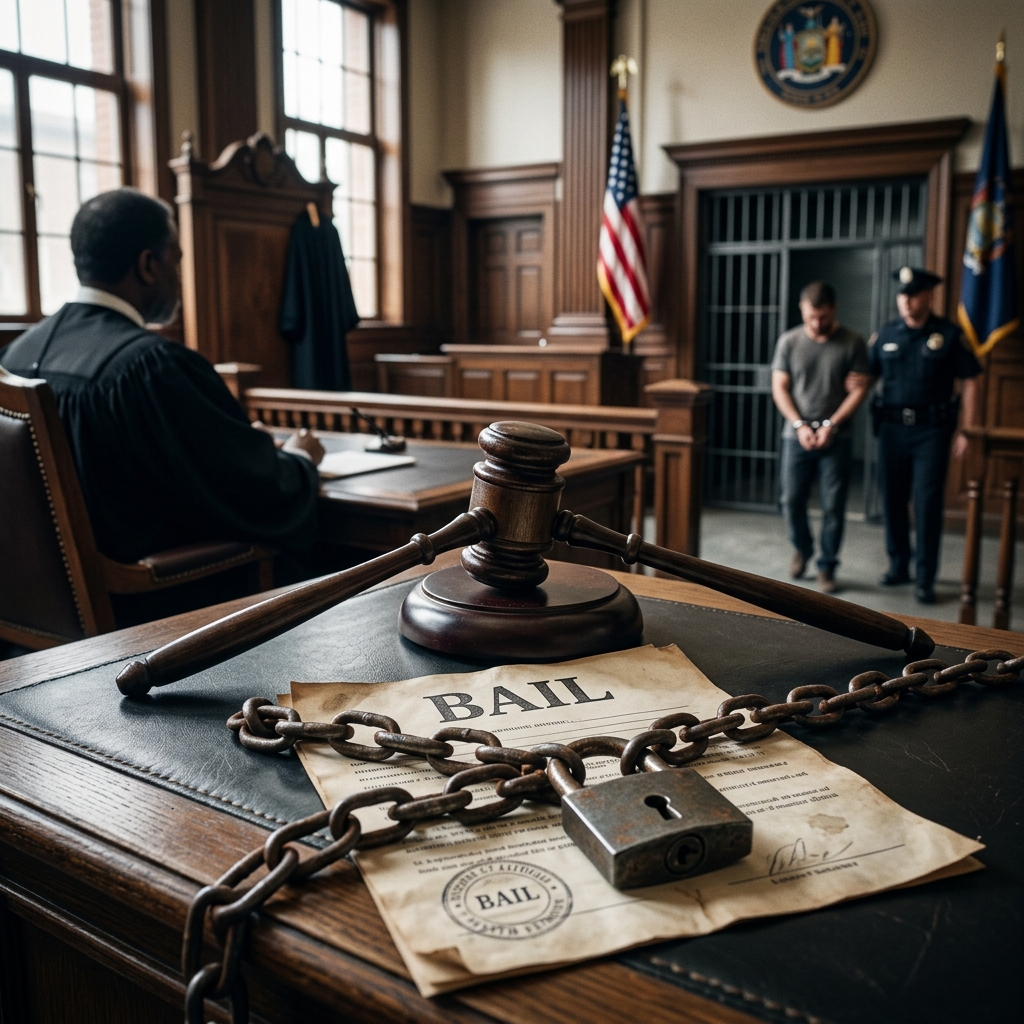
Bail gives an accused person the chance to wait for trial outside of jail, but that freedom comes with strict conditions and serious consequences if those rules are broken. Understanding when a judge will revoke bail, what happens next, and how to avoid problems is critical for anyone facing criminal charges.
What Bail Really Means in a Criminal Case
Bail is a form of pretrial release. Instead of staying in custody, a defendant may be allowed to go home, usually by paying money or posting a bond, on the promise to come back to court and follow specific conditions. The core purposes of bail are:
- Ensuring appearance in court for all hearings and trial dates.
- Protecting public safety by imposing rules like no-contact orders or bans on weapons and drugs.
- Maintaining the integrity of the legal process, such as discouraging witness intimidation or evidence tampering.
Most courts warn defendants in writing that violating conditions or committing a new crime while out on bail can lead to revocation—being sent back to jail until the case is resolved.
Key Reasons Judges Revoke Bail
Judges do not revoke bail randomly. They act when there is evidence that the defendant has broken the court’s trust or created new risks. Common grounds for revocation include:
- Failure to appear in court (often called “jumping bail”).
- Arrest for a new crime while already on bail for a previous charge.
- Violating specific bail conditions, such as no-contact orders, curfew, or travel restrictions.
- Positive drug or alcohol tests when sobriety is a condition of release.
- Threatening victims or witnesses or interfering with the investigation.
- Becoming a flight risk, such as making plans to flee the area or hide from authorities.
Even a single serious violation can justify revocation and a return to custody.
Failure to Appear: The Classic Bail Violation
Showing up for every scheduled court date is often the most important condition of bail. When a defendant fails to appear:
- The court may revoke bail and issue an arrest warrant.
- The defendant may be charged with a separate offense such as failure to appear, adding to their legal problems.
- The judge is more likely to deny future bail requests or impose much stricter conditions if the defendant is later released.
Many states explicitly authorize revocation for non-appearance. For example, Pennsylvania law allows a judge to revoke bail when a defendant fails to appear for any scheduled court proceeding.
Committing a New Crime While on Bail
Judges take new arrests very seriously. When a defendant is charged with a new crime while already on bail, the court may see this as evidence that the existing conditions are not enough to protect the public.
In many jurisdictions:
- A prosecutor or the government can file a motion to revoke bail based on the new charge.
- The judge usually needs probable cause—a reasonable basis to believe the new offense was committed—to revoke bail.
- If revocation is ordered, the defendant can be held without bail for a defined period, such as up to ninety days in some states.
Importantly, a formal conviction on the new charge is not always required. The arrest itself, supported by evidence, can be enough to trigger revocation.
Violating Bail Conditions: More Than Just New Crimes
Many bail orders include detailed rules that go beyond simple obedience to the law. Violating these conditions can also lead to revocation, even if the defendant has not committed a new crime.
Typical conditions that courts monitor include:
- No-contact orders with victims, witnesses, or co-defendants.
- Geographic limits, such as staying in the state or county.
- Curfews or electronic monitoring requirements.
- Drug and alcohol testing and participation in treatment programs.
- Firearms restrictions or bans on other dangerous items.
When these rules are broken, judges look at both the seriousness of the violation and the pattern of behavior. Repeated minor violations can, over time, convince a court that the defendant is unlikely to obey any conditions at all.
How Judges Decide: Legal Standards and Safety Concerns
Court decisions about bail revocation are guided by law and by practical concerns about risk. Many jurisdictions use a mix of standards such as probable cause and clear and convincing evidence to determine whether revocation is justified.
| Key Question | What Judges Consider |
|---|---|
| Did a violation occur? | Evidence of non-appearance, new crimes, or broken conditions; strength and reliability of that evidence. |
| Is public safety at risk? | Danger to specific individuals (victims, witnesses) or the community at large; history of violence or reckless behavior. |
| Will the defendant obey future conditions? | Past compliance, seriousness of the current violation, and any signs of planning to flee or avoid court. |
| Are there alternatives to revocation? | Possibility of stricter conditions, higher bond amounts, or closer supervision instead of immediate jail. |
In some states, judges are required to consider whether continued release would seriously endanger any person or the community and whether detention is necessary to reasonably assure safety.
What Happens at a Bail Revocation Hearing?
Revocation usually does not happen in secret or without warning. Courts hold revocation hearings—often called bond revocation or bail violation hearings—where both sides can present information.
Typical steps at such a hearing include:
- Government motion: Prosecutors or pretrial services ask the judge to revoke bail, explaining which conditions were violated.
- Evidence presentation: The state may offer police reports, witness statements, test results, or other records to show a violation occurred.
- Defense response: The defendant, often through counsel, can challenge the evidence, offer explanations, or present proof of compliance.
- Judicial decision: After hearing both sides, the judge may revoke bail, modify conditions, increase the bond amount, or leave bail unchanged.
Judges have wide discretion, meaning they can choose among several options depending on the facts and local law.
Consequences: Jail Time and Bond Forfeiture
Revocation has both immediate and longer-term consequences. The most obvious is loss of freedom: the defendant is taken back into custody and may remain there until trial, often with no further chance at bail in that case.
Financial consequences are also significant:
- When bail is revoked, courts commonly forfeit the bond, meaning the bail money or guarantee is lost.
- If a defendant posted cash bail personally, that money may not be returned.
- If a bail bond company paid the bail, the company may pursue legal action against the defendant to recover losses.
In some situations, defendants or sureties can ask the court to set aside forfeiture through a process known as remission, but success usually depends on factors like whether the violation was willful and whether the government incurred costs or harm because of it.
When Judges Might Choose Not to Revoke Bail
Courts do not automatically revoke bail for every alleged violation. Even after a motion to revoke is filed, a judge may decide that other responses are more appropriate.
Instead of revocation, a judge might:
- Increase the bond amount to reflect higher risk.
- Add new conditions, such as electronic monitoring, stricter curfew, or mandatory counselling.
- Issue a stern warning while keeping existing bail terms, especially for minor or first-time violations.
Factors that can help a defendant avoid revocation include strong community ties, reliable employment, a limited criminal history, and prompt corrective steps after a violation, such as entering treatment or relocating away from potential conflict.
Practical Steps to Avoid Bail Revocation
Defendants can significantly reduce the risk of revocation by treating bail as a serious legal obligation rather than a casual temporary freedom.
- Read all bail paperwork carefully and make sure you understand every condition; ask your lawyer about anything that is unclear.
- Keep a calendar of all court dates, and arrange transportation and time off work well in advance to prevent missed appearances.
- Follow no-contact orders strictly, even if the other person tries to initiate contact with you.
- Stay arrest-free by avoiding risky situations, people involved in crime, and substance use if that is a known trigger.
- Communicate with your attorney immediately if any issue arises—such as illness before a court date or confusion about a condition—so they can seek adjustments from the court.
Some courts also use pretrial services officers who monitor compliance and can recommend modifications when problems are minor, which may help avoid full revocation.
Regional Variations and Statutory Rules
While the basic ideas are similar across the United States, specifics of bail revocation procedures differ by state. As one example, Massachusetts law provides two statutory paths for revocation based on new crimes or violations of release conditions.
- Under certain provisions, revocation based on a new offense requires a finding of probable cause and a determination that continued release would seriously endanger a person or the community.
- Other statutes focus on violations of conditions, allowing revocation when there is clear and convincing evidence of non-compliance or when the defendant is deemed unlikely to follow any conditions.
- In these systems, detention periods after revocation are often capped (for example, not more than ninety days), unless specific legal exceptions apply.
Because of these differences, defendants should consult local legal counsel who understands the rules and practices in the relevant jurisdiction.
Frequently Asked Questions About Bail Revocation
Can bail be revoked even if I have not been convicted of anything?
Yes. Bail revocation decisions are based on pretrial conduct—such as missing court, new arrests, or condition violations—not on final guilt or innocence. Judges use standards like probable cause and clear and convincing evidence rather than proof beyond a reasonable doubt.
Will my bail always be revoked if I am charged with a new crime?
Not always, but revocation is common. Many judges treat new charges as a serious breach of trust and a sign of risk, though they may consider the nature of the offense, the defendant’s history, and alternative measures before deciding.
What happens to my bail money if bail is revoked?
Courts often order bond forfeiture when bail is revoked, meaning the money or bond is lost. In some cases, a defendant or surety can request remission to recover part or all of the forfeited amount, but success is limited and depends on the circumstances of the violation.
Can a judge add new conditions instead of revoking bail?
Yes. Judges have discretion to respond flexibly, which can include raising the bond amount, imposing electronic monitoring, house arrest, stricter curfews, or other conditions rather than immediate revocation.
What should I do if I think I might miss a court date?
Contact your lawyer immediately. In some situations—such as medical emergencies—counsel can ask the court to reschedule the hearing before the date, which is far better than simply failing to appear and risking an arrest warrant and revocation.
References
- Consequences of Violating Bail: Revocation and Bond Forfeiture — Lawyers.com / Nolo. 2023-01-01. https://legal-info.lawyers.com/criminal/criminal-law-basics/revoking-bail-and-forfeiting-bond.html
- 258E Guideline 8:07: Bail Procedures: Revocation — Massachusetts Trial Court, Mass.gov. 2022-06-01. https://www.mass.gov/info-details/258e-guideline-807-bail-procedures-revocation
- Bail Revocations — Cappetta Law Offices. 2021-05-01. https://www.cappettalaw.com/bail-revocations.html
- Can Bail be Revoked? — The Law Office of Matthew D. Sharp. 2020-03-15. https://sharpcriminalattorney.com/blog/criminal-law/can-bail-be-revoked/
- Pennsylvania Statutes Title 42 Pa.C.S.A. Judiciary and Judicial Procedure § 5747.1 — FindLaw / Pennsylvania General Assembly. 2016-01-01. https://codes.findlaw.com/pa/title-42-pacsa-judiciary-and-judicial-procedure/pa-csa-sect-42-5747-1/
- Seven Reasons Why Bail Could Be Revoked — Taylor Made Bail Bonding. 2019-09-01. https://www.taylermadebailbonding.com/info/seven-reasons-why-bail-could-be-revoked
- What is a Bond Revocation? — Applebaum & Associates. 2020-02-01. https://www.applebaumandassociates.com/blog/what-is-a-bond-revocation/
Similar Articles








Read full bio of Sneha Tete




