A bankruptcy discharge is one of the most important benefits of filing for bankruptcy in the United States. It is the legal mechanism that wipes out certain debts and permanently stops creditors from trying to collect them. For individuals overwhelmed by financial obligations, the discharge provides a critical opportunity for a fresh start.
What Is a Bankruptcy Discharge?
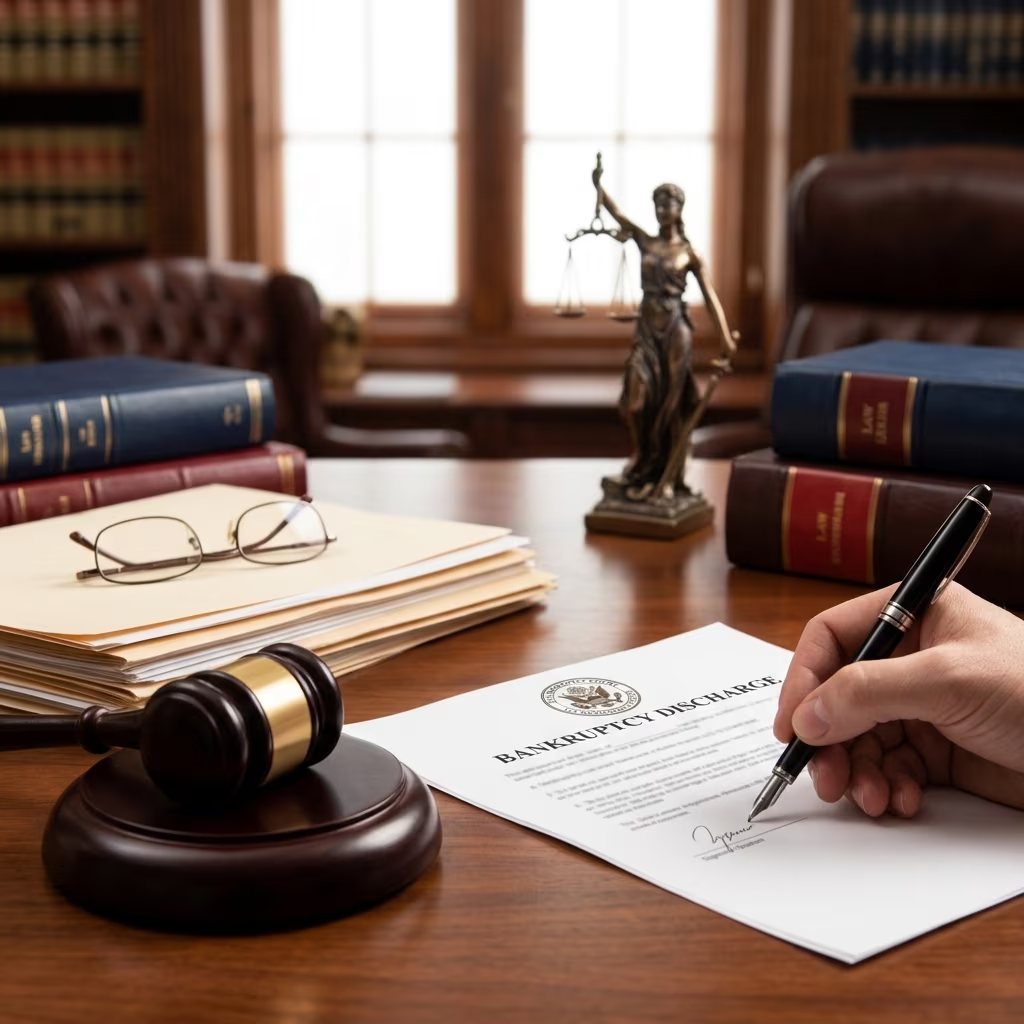
In U.S. law, a bankruptcy discharge is a federal court order issued by the bankruptcy court at or near the end of a successful case. Once entered, it:
- Releases the debtor from personal liability on specified debts.
- Permanently prohibits creditors from any collection action on those discharged debts, including lawsuits, wage garnishments, phone calls, letters, or other contacts.
- Applies only to covered debts; some obligations are never discharged.
In practical terms, after discharge, you are no longer legally required to pay the discharged debts, and creditors cannot legally pursue you for them.
How Discharge Fits Into the Bankruptcy Process
Discharge is the end-point of the bankruptcy process, not the beginning. The timing and path to discharge depend on the chapter of the Bankruptcy Code used.
Discharge in Chapter 7 (Liquidation)
Chapter 7 is often called “straight bankruptcy” and is designed to quickly eliminate many unsecured debts.
- A trustee is appointed to review your assets and, if necessary, sell non‑exempt property to pay creditors.
- You must attend a meeting of creditors and complete required financial education courses.
- Most individual Chapter 7 cases reach discharge in approximately three to six months from filing.
At the end of this period, if no successful objection is filed, the court enters a discharge order that eliminates qualifying debts.
Discharge in Chapter 13 (Repayment Plan)
Chapter 13 involves a court‑approved repayment plan, typically lasting three to five years.
- You propose a plan to repay part or all of your debts over time.
- A trustee collects your plan payments and distributes them to creditors.
- The discharge is entered after you complete all payments under the plan and meet other legal requirements.
Because the plan runs for years, Chapter 13 discharge usually occurs much later than in Chapter 7—often around four years after filing.
Automatic Nature of Discharge
In many routine cases, discharge is entered automatically once legal conditions are met, without needing a separate request from the debtor. However, creditors, the case trustee, or the U.S. Trustee can object in certain circumstances.
Debts Commonly Erased by Discharge
Not all debts are treated equally in bankruptcy. A discharge usually covers consumer and unsecured obligations, subject to specific exceptions.
Examples of Typical Dischargeable Debts
- Credit card balances and personal loans.
- Medical and hospital bills.
- Past‑due utility bills and many contractual debts.
- Loans from friends or family.
- Certain older tax debts, depending on timing and other criteria.
These debts are generally treated as unsecured claims and may be wiped out in Chapter 7 or Chapter 13, subject to the specific facts of the case and any objections.
Additional Debts Potentially Dischargeable in Chapter 13
Chapter 13 can discharge some debts that are not dischargeable in Chapter 7, including certain liabilities related to fraud or willful injury, unless the court rules they should be excluded.
- Debts for money or property obtained under false pretenses.
- Debts arising from fraud or misappropriation of funds while acting as a fiduciary.
- Some civil damage awards for willful or malicious personal injury.
Debts That Usually Survive Discharge
Bankruptcy does not erase every financial obligation. Certain debts are designated by statute as nondischargeable or are excluded unless specific procedures are followed.
Types of Nondischargeable Debts
- Domestic support obligations such as child support and alimony.
- Many recent federal and state tax debts.
- Most federally guaranteed student loans (absent a special hardship finding).
- Debts for death or personal injury caused by operating a vehicle while intoxicated.
- Fines, penalties, and certain restitution obligations imposed by a court.
These obligations remain enforceable even after the discharge order, and creditors or agencies may continue lawful collection efforts.
Debts Excepted Only If a Creditor Obobjects
Some debts—particularly those involving fraud, embezzlement, or malicious injury—are not automatically excluded from discharge. Creditors must file a timely request asking the court to declare those specific debts nondischargeable.
| Generally Dischargeable | Generally Nondischargeable |
|---|---|
| Credit cards, medical bills, personal loans | Child support, alimony |
| Utility bills, certain older taxes | Many recent tax debts |
| Rent arrears, some civil judgments | Most student loans |
| Loans from friends or family | Debts from drunk‑driving injuries |
Objections to Discharge and Loss of the Fresh Start
Debtors do not have an absolute right to discharge in all cases. If misconduct occurs, the court can deny discharge entirely or as to particular debts.
Who Can Object?
- Individual creditors.
- The case trustee.
- The U.S. Trustee (a Department of Justice official overseeing bankruptcy cases).
Common Reasons for Objection
- Failure to provide honest and complete financial information.
- Concealing assets or transferring property to hinder creditors.
- Destroying records or refusing to cooperate with the trustee.
- Fraudulent conduct related to particular debts.
If an objection is successful, the court may deny discharge of the affected debts or, in serious cases, refuse any discharge at all.
Debtor Duties Before Receiving Discharge
Receiving a discharge is contingent on meeting several statutory requirements that aim to ensure transparency and financial education.
- Credit counseling prior to filing, from an approved provider.
- Completion of a financial management course (debtor education) after filing.
- Attendance at the meeting of creditors and cooperation with the trustee.
- Compliance with all court orders and plan payments (in Chapter 13).
Failure to complete the required financial management course, for example, can prevent entry of discharge even when other steps are complete.
Effect of Discharge on Creditor Collection Rights
Once discharge is entered, creditors whose debts are covered must stop all collection efforts permanently. The discharge order operates as an injunction prohibiting:
- Lawsuits to collect discharged debts.
- Wage garnishments and bank levies related to discharged obligations.
- Telephone calls, letters, emails, or other direct contacts seeking payment.
Creditors that knowingly violate the discharge injunction risk sanctions by the bankruptcy court, which may include damages and attorneys’ fees.
Long‑Term Consequences of Discharge
While discharge relieves legal responsibility for many debts, it also has lasting effects on a debtor’s financial profile and credit history.
Impact on Credit Reports
- Bankruptcy typically remains on an individual’s credit report for up to six years or more, depending on jurisdiction and credit reporting rules.
- Discharged debts should be updated to show a zero balance and “included in bankruptcy,” rather than as active delinquencies.
- Debtors may need to provide proof of discharge to credit reporting agencies to ensure records are accurate.
Future Borrowing and Financial Planning
After discharge, many individuals gradually rebuild credit through consistent, responsible use of new credit and careful budgeting. The discharge itself does not prevent future borrowing, but lenders may view prior bankruptcy as a risk factor, affecting interest rates and terms.
Frequently Asked Questions About Bankruptcy Discharge
How long does it take to get a discharge?
In a typical consumer Chapter 7 case, discharge is entered about four to six months after filing. In Chapter 13, discharge comes only after all plan payments are completed, usually three to five years after the case begins.
Does discharge wipe out all of my debts?
No. Discharge eliminates many unsecured debts, but certain obligations—such as child support, alimony, many tax debts, and most student loans—normally remain. Your specific situation depends on the type of debt and the chapter under which you filed.
Can creditors still contact me after discharge?
Creditors whose debts were discharged are legally barred from contacting you to collect those obligations. If they do, you can seek relief from the bankruptcy court for violation of the discharge injunction. Creditors owed nondischargeable debts, however, may continue lawful collection efforts.
What happens if I received a prior bankruptcy discharge?
There are statutory waiting periods between discharges. For example, a debtor may be ineligible for Chapter 13 discharge if a prior discharge was received in another case within certain time frames. These rules are designed to prevent repeated use of bankruptcy in quick succession.
Do I need a lawyer to get a discharge?
The law does not require you to hire an attorney, but bankruptcy is complex and mistakes can jeopardize discharge. Consulting a qualified bankruptcy lawyer or legal aid organization can help you comply with all requirements and protect your rights.
Key Takeaways for Debtors Considering Bankruptcy
- A bankruptcy discharge is a permanent court order releasing you from personal liability on specified debts and stopping collection actions.
- The path and timing of discharge differ between Chapter 7 and Chapter 13.
- Significant categories of debt—especially domestic support obligations and many tax and student loan debts—usually survive discharge.
- Honest disclosure, cooperation, and completion of required education courses are essential to receiving discharge.
- Although discharge provides a fresh start, its impact on credit and future borrowing should be carefully considered.
References
- Discharge in Bankruptcy – Bankruptcy Basics — United States Courts. 2024-02-12. https://www.uscourts.gov/court-programs/bankruptcy/bankruptcy-basics/discharge-bankruptcy-bankruptcy-basics
- Process – Bankruptcy Basics — United States Courts. 2024-02-12. https://www.uscourts.gov/court-programs/bankruptcy/bankruptcy-basics/process-bankruptcy-basics
- What Is a Bankruptcy Discharge? — Experian. 2023-06-15. https://www.experian.com/blogs/ask-experian/what-is-a-bankruptcy-discharge/
- What is the bankruptcy discharge process? — Chad Edward Cos, LLC. 2025-03-04. https://www.coslaw.com/blog/2025/03/what-is-the-bankruptcy-discharge-process/
- Discharge from bankruptcy — Citizens Advice. 2023-11-07. https://www.citizensadvice.org.uk/debt-and-money/debt-solutions/bankruptcy/after-you-go-bankrupt/discharge-from-bankruptcy/
- bankruptcy discharge | Wex — Legal Information Institute, Cornell Law School. 2022-09-01. https://www.law.cornell.edu/wex/bankruptcy_discharge