
When DUI Arrests Go Wrong: Challenging Illegal Stops
How unlawful traffic stops, bad testing procedures, and constitutional violations can turn a DUI case upside down.
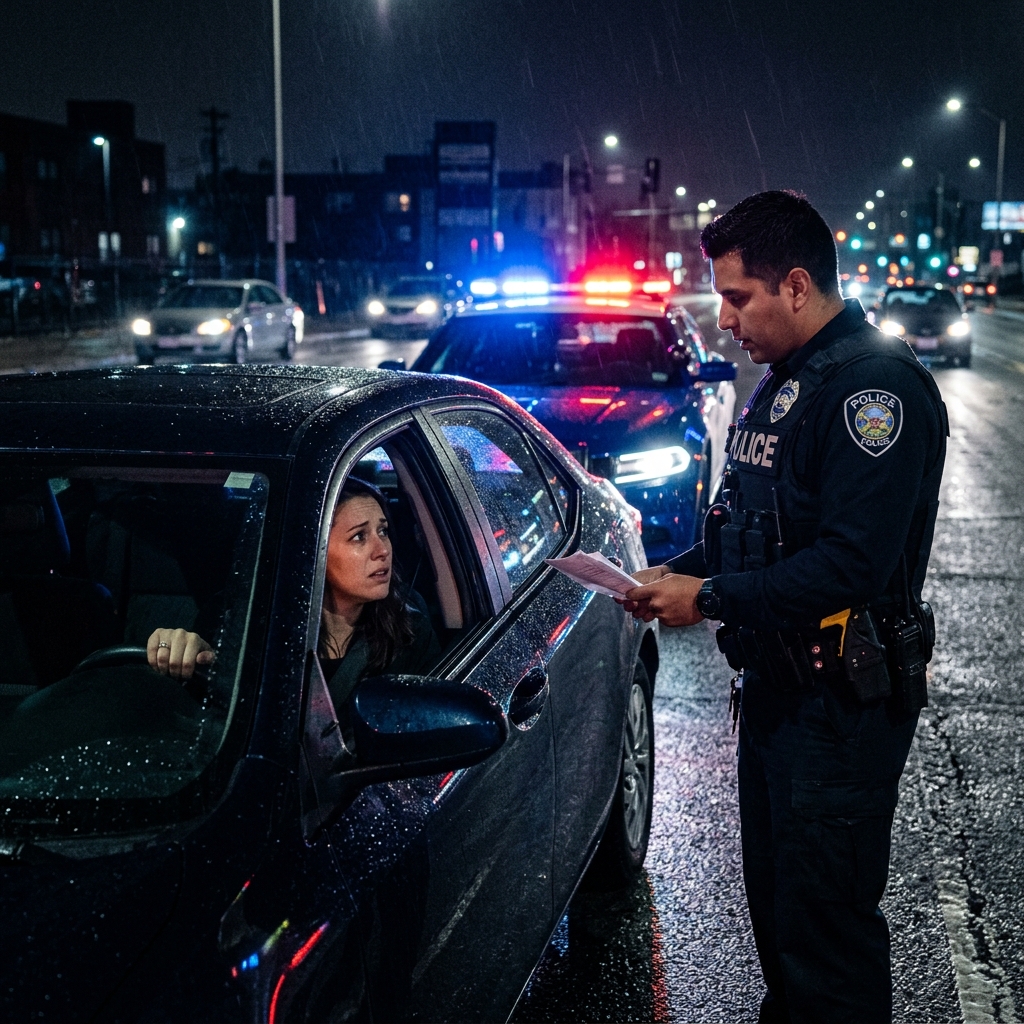
Driving under the influence (DUI) is treated as a serious offense in every state, but not every arrest is lawful. A DUI case can fall apart when officers stop a driver without adequate legal grounds, conduct roadside tests incorrectly, or disregard constitutional protections such as the Fourth Amendment and due process. Understanding how and why some DUI arrests are found illegal can help defendants and their attorneys identify powerful defenses.
This article uses well-known legal principles and real-world patterns from notable DUI cases as inspiration to explain how unlawful stops and arrests happen, what rights are at stake, and how courts respond when police cross the line. It does not provide legal advice, but it offers a structured overview of issues courts frequently examine when deciding whether a DUI arrest should stand.
Key Ways a DUI Arrest Can Be Legally Invalid
While every case is unique, courts tend to focus on several recurring problems when evaluating the legality of a DUI arrest:
- Lack of reasonable suspicion to initiate the traffic stop.
- Absence of probable cause to make the arrest after the stop.
- Improper field sobriety tests or inaccurate interpretation of performance.
- Faulty breath, blood, or urine testing, including poor calibration or mishandled samples.
- Violations of constitutional rights, such as unlawful searches or denying access to counsel.
- Misapplication of implied consent laws, including improper advisements or unlawful demands for testing.
When problems like these are proven in court, judges may exclude key evidence, reduce charges, or in some cases dismiss the DUI entirely.
Reasonable Suspicion: The Gateway to Any Lawful Stop
A police officer cannot simply stop a vehicle to look for drunk driving; the United States Constitution requires at least reasonable suspicion that a law has been or is being violated. Reasonable suspicion is a lower standard than probable cause, but it still demands specific, articulable facts—not just a hunch.
Common facts that legitimately support reasonable suspicion in DUI investigations include:
- Weaving within the lane or across lane lines.
- Erratic braking or speeding up and slowing down without cause.
- Running a red light or stop sign.
- Driving at unusually slow speeds, especially late at night near bars.
- Failing to signal turns or lane changes.
Conversely, stops can be ruled unlawful when the officer cannot point to specific driving behavior or circumstances suggesting a violation. For example, simply leaving a bar late at night or driving through a high-DUI enforcement area is not enough by itself. Courts regularly suppress evidence when the initial stop lacks reasonable suspicion, because any evidence obtained after that stop is considered the fruit of an unconstitutional seizure.
DUI Checkpoints and Constitutional Limits
Some states allow sobriety checkpoints, where officers briefly stop vehicles without individualized suspicion according to a pre-set plan. Even there, however, the checkpoint must follow strict constitutional guidelines: it must be publicly announced, based on neutral criteria, and designed to minimize arbitrary detention. When checkpoint rules are not followed, resulting DUI arrests may be challenged as unlawful.
Probable Cause: Crossing the Line from Stop to Arrest
After a lawful stop, officers need probable cause to arrest a driver for DUI. Probable cause exists when known facts and circumstances would lead a reasonable person to believe that the driver is impaired by alcohol or drugs. It is a higher threshold than reasonable suspicion and often depends on the officer’s observations and test results.
Factors that commonly contribute to probable cause include:
- Strong odor of alcohol from the driver’s breath or vehicle.
- Bloodshot or glassy eyes and slurred speech.
- Open containers of alcohol in the vehicle where illegal.
- Poor performance on standardized field sobriety tests (SFSTs), such as the walk-and-turn or one-leg stand.
- Admissions of drinking or drug use by the driver.
- Preliminary breath test readings showing elevated blood alcohol concentration (BAC).
However, courts have found arrests unlawful when officers rely on weak or misinterpreted evidence. Slight odor of alcohol with flawless driving, medical conditions that explain poor balance, or language barriers affecting test performance can all undermine a claim of probable cause.
| Standard | Purpose | Typical Evidence |
|---|---|---|
| Reasonable Suspicion | Allows the officer to stop and briefly detain the driver. | Traffic violations, unusual driving behavior, credible tips. |
| Probable Cause | Allows the officer to arrest the driver for DUI. | Observable impairment, SFST performance, preliminary test results, admissions. |
Field Sobriety Tests: Powerful Evidence or Legal Weak Point?
Field sobriety tests are a central feature of most DUI stops, but they are also a frequent source of legal disputes. Drivers typically have the right to refuse these tests in many jurisdictions, and officers are expected to follow standardized procedures when giving and scoring them.
Common Problems with Roadside Testing
Court challenges often focus on whether the tests were administered and interpreted correctly. Issues include:
- Non-standardized tests (like touching your nose) being treated as decisive evidence, even though they lack scientific validation.
- Poor instructions, where the driver is confused or does not understand what is required.
- Environmental conditions, such as uneven pavement, bad weather, or poor lighting affecting performance.
- Medical conditions or disabilities interfering with balance, eye movements, or coordination.
- Officer bias, including subjective scoring or ignoring successful parts of the test.
When these problems are demonstrated, judges may give field test performance less weight or find that the tests do not supply adequate probable cause. In some notable cases, flawed field sobriety testing has been central to dismissing DUI charges or excluding evidence.
Chemical Testing and Implied Consent Laws
Once a driver is lawfully arrested for DUI, nearly every state has an implied consent law requiring the driver to submit to chemical testing of breath, blood, or urine to determine BAC or drug presence. According to a widely used legal guide, all 50 states enforce some form of implied consent, and refusal to test typically triggers automatic license suspension and other administrative penalties.
Legal Issues with Chemical Tests
Even when implied consent laws apply, the testing process itself must be handled correctly. Problems that can make a test result inadmissible or unreliable include:
- Improper calibration or maintenance of breath-testing devices.
- Contaminated or mislabeled blood samples.
- Failure to follow required observation periods before breath tests.
- Lack of certification or training of the person administering the test.
- Incorrect implied consent warnings, leaving the driver misinformed about rights and consequences.
State motor vehicle departments often impose strict consequences for refusing tests or failing them, including suspensions that are separate from any criminal case. In New York, for example, alcohol-related convictions can lead to loss of driving privileges, fines, and possible jail time, with higher penalties for aggravated offenses and multiple convictions.
Constitutional Rights Before, During, and After a DUI Arrest
DUI enforcement is constrained by constitutional protections, notably the Fourth Amendment (search and seizure), Fifth Amendment (self-incrimination), and Sixth Amendment (right to counsel). Violating these rights can transform a seemingly strong DUI case into an unlawful arrest.
Fourth Amendment Protections
The Fourth Amendment protects against unreasonable searches and seizures, which directly governs traffic stops and vehicle searches. In DUI cases, key questions include:
- Was the stop supported by reasonable suspicion?
- Did officers extend the stop longer than necessary to address the initial issue?
- Was a vehicle search justified by consent, probable cause, or a valid warrant?
If a court finds the stop, detention, or search unreasonable, evidence obtained—such as open-container observations or test results—may be excluded.
Right to Remain Silent and to Counsel
Drivers have the right not to incriminate themselves. They generally do not have to answer questions about alcohol or drug use and can invoke their right to remain silent. From the point of custodial interrogation, they also have the right to request an attorney.
In some jurisdictions, drivers have the right to consult counsel before deciding whether to take a chemical test, though implied consent laws may limit the timeframe. Failing to honor a clear request for counsel or continuing questioning after the driver invokes silence can lead to suppression of statements and other evidence.
Administrative vs. Criminal Consequences
Many DUI cases involve two separate tracks: the criminal case in court and the administrative license consequences at the state motor vehicle agency. An arrest may be disputed in criminal court while administrative penalties still apply.
- Criminal case: Determines guilt or innocence of DUI or related offenses; may result in fines, probation, or jail.
- Administrative case: Typically addresses license suspension based on arrest, test results, or refusal; often uses lower proof standards.
For example, in New York, a driver convicted of aggravated driving while intoxicated faces substantial fines, potential jail time, and license revocation, while multiple alcohol-related violations or test refusals within ten years can lead to long-term or even permanent revocation. Even if the criminal case is later dismissed, administrative records may still show an arrest or suspension.
Long-Term Impact of DUI Arrests, Even When Charges Fail
A common surprise for drivers is that a DUI arrest can remain in public records even if they are never convicted. Court systems, law enforcement agencies, and motor vehicle departments all generate records that may be accessible to others.
Visibility varies by state and by the type of record, but in many jurisdictions:
- Courts keep full case records, including dismissed arrests.
- Law enforcement agencies retain arrest reports for investigations or official purposes.
- Employers and landlords may see convictions in background checks, though non-conviction arrests are often less visible.
- Insurance companies often review driving records for suspensions and DUI-related actions.
Some states limit the reporting of arrests that did not lead to conviction and allow sealing or expungement after certain conditions are met. Nonetheless, the fact of an arrest can carry consequences, which is why challenging unlawful DUI arrests is not only about avoiding criminal penalties but also about protecting long-term record integrity.
How Courts Remedy Illegal DUI Arrests
When defendants successfully show that a DUI arrest was unlawful, courts have several tools to remedy the situation. The most common is the suppression of evidence, where key pieces of the prosecution’s case are excluded because they were obtained through constitutional violations.
Possible remedies include:
- Excluding breath or blood test results derived from an illegal stop or arrest.
- Suppressing statements made without proper advisement of rights or after invocation of counsel.
- Preventing the prosecution from using observations made during an unconstitutional search.
When suppressed evidence leaves the prosecution without enough proof of impairment, judges may dismiss charges. Even where dismissal does not occur, suppression can lead to plea negotiations for lesser offenses, such as non-alcohol-related traffic violations.
Practical Takeaways for Drivers
Defendants cannot rely on police or prosecutors to raise constitutional issues for them. To use violations of rights as a defense in a DUI case, the driver must raise the issues through counsel and file appropriate motions.
Key practical lessons include:
- Document details of the stop and arrest as soon as possible.
- Consult a qualified criminal defense or DUI attorney promptly.
- Attend both criminal hearings and any separate motor vehicle proceedings.
- Understand that refusing chemical tests may lead to automatic administrative penalties, even where criminal charges are later reduced.
While not all DUI arrests are illegal, many high-profile and lesser-known cases show that courts are prepared to enforce constitutional standards rigorously when presented with clear evidence of violations.
Frequently Asked Questions About Illegal DUI Arrests
Can I be arrested for DUI if I am under the legal BAC limit?
Yes. Many states allow DUI charges based on impairment rather than just a specific BAC threshold. Officers can arrest a driver who appears impaired, even if chemical tests later show a BAC below the usual per se limit. Observable signs of intoxication, poor driving, or drug influence can support probable cause.
Does a dismissed DUI mean my arrest record disappears?
Not necessarily. While a dismissal means no conviction in the criminal case, arrest records may remain in court and law enforcement databases, and sometimes in public record systems. Some background checks focus on convictions, but others may show arrests depending on state law. Expungement or sealing procedures may be available in certain jurisdictions.
Is refusing a breath test always a good idea?
Refusing a chemical test can avoid providing direct evidence of a high BAC, but implied consent laws in every state generally impose automatic administrative penalties, such as license suspension, for lawfully arrested drivers who refuse. In some states, refusals also lead to separate criminal or civil fines. Whether refusal is wise depends on the specific circumstances and local law, which is why legal counsel is important.
What should I do if I think my DUI stop was unconstitutional?
If you believe the officer had no valid reason to stop you, or extended the stop without justification, speak to an attorney as soon as possible. They can review video, reports, and witness statements, then file motions challenging the legality of the stop and seeking suppression of evidence. Acting quickly helps preserve evidence and deadlines.
Can illegal police conduct lead to a civil lawsuit after a DUI arrest?
In some situations, severe constitutional violations—such as clearly unjustified stops or excessive use of force—may provide grounds for civil rights litigation. However, most disputes over reasonable suspicion or probable cause are handled within the criminal case through suppression and dismissal, not through separate civil damages claims. The viability of a civil suit depends heavily on specific facts and governing law.
References
- The Driver’s Rights Before, During and After a DUI/DWI Arrest — Helmer, Conley & Kasselman, P.A. 2023-05-10. https://www.helmerlegal.com/practices/new-jersey-dui-lawyer/driver-rights-after-dui-arrest/
- DUI Arrests: What to Expect, Penalties, and Your Rights — Nolo. 2022-03-15. https://www.nolo.com/legal-encyclopedia/free-books/beat-ticket-book/chapter8-2.html
- DUI Records: Are They Public and Who Can See Them? — Stonewall Institute. 2023-01-12. https://www.stonewallinstitute.com/are-dui-records-public/
- Penalties for Alcohol or Drug-Related Violations — New York State Department of Motor Vehicles. 2024-02-01. https://dmv.ny.gov/points-and-penalties/penalties-for-alcohol-or-drug-related-violations
- Reddit AskLE Discussion: DUI Under Legal Limit — Reddit user forum. 2024-04-03. https://www.reddit.com/r/AskLE/comments/1bmcnbl/dui_under_legal_limit/
Similar Articles








Read full bio of Sneha Tete




