The warranty of habitability is a legal promise built into almost every residential lease that guarantees tenants a home that is safe, sanitary, and reasonably comfortable to live in. Even if your lease never uses the word “habitability,” the law in most states reads this promise into the agreement between landlord and tenant.
This article explains what “fit for human habitation” means, how problems must be reported, what landlords are required to do, and what options tenants have if serious dangers are not fixed.
1. What Is the Warranty of Habitability?
In U.S. landlord–tenant law, the warranty of habitability is a rule that requires landlords to maintain rental housing in a condition that is safe and fit for human habitation. It applies to most residential leases, whether written or oral. A tenant does not have to negotiate this term or ask for it—it is implied by law.
- Implied promise: The warranty exists even if the lease is silent on repairs or habitability.
- Residential focus: It applies to homes and apartments, not typically to commercial leases.
- Non‑waivable duty: In many states, a landlord cannot force a tenant to waive the warranty in the lease.
Courts and legislatures adopted this warranty because modern tenants rely on landlords to maintain complex building systems—plumbing, heat, electricity—and cannot realistically inspect or repair every major component themselves.
2. What Does “Fit for Human Habitation” Mean?
When the law says a dwelling must be “fit for human habitation,” it means the unit must be free from serious defects or conditions that are, or could quickly become, a significant danger to the health or safety of the people living there.
Habitability is generally measured by whether the property substantially complies with applicable housing codes or basic health and safety standards. Minor inconveniences rarely count; serious risks often do.
2.1 Core Features of a Habitable Rental
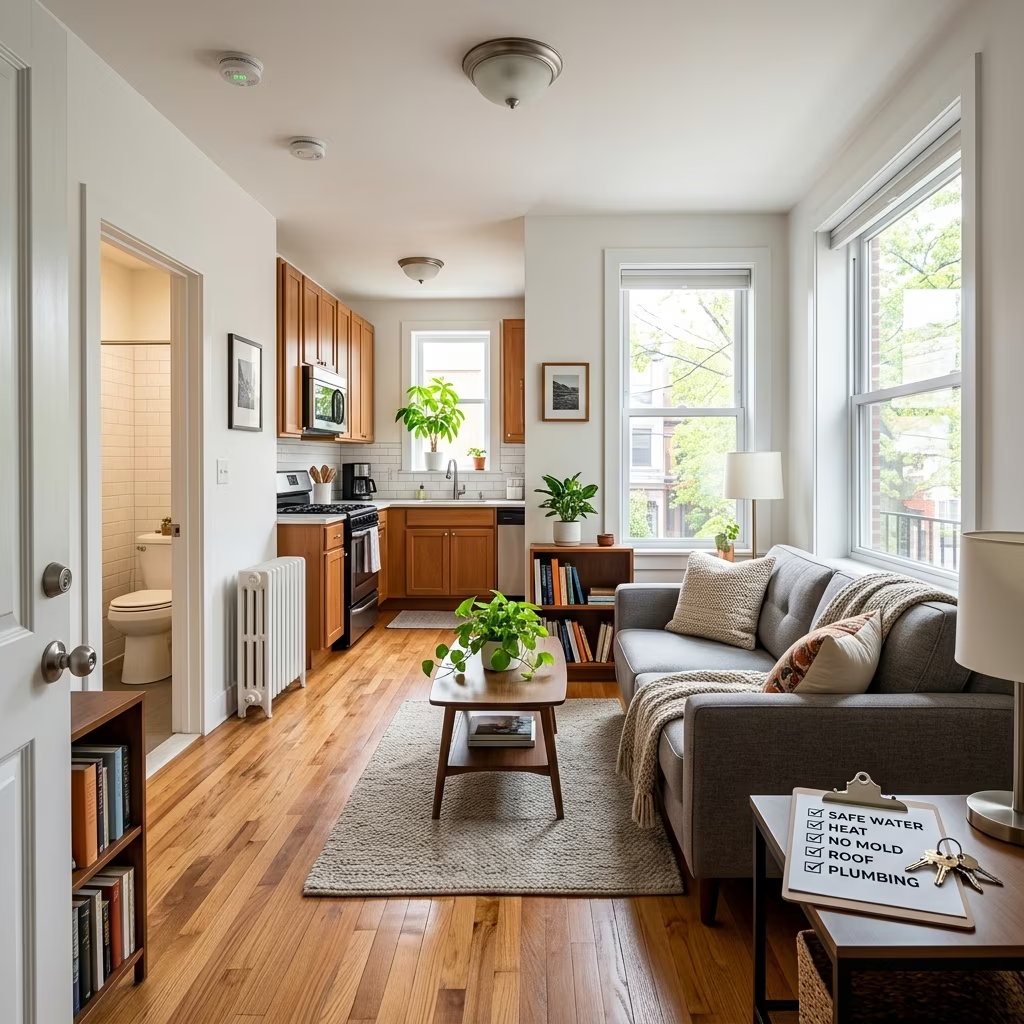
While details vary by state and local code, official guidance and statutes commonly require at least the following:
- Structural soundness: The foundation, walls, and roof must be reasonably safe and weather‑tight.
- Water and plumbing: Working plumbing that provides hot and cold water and safely disposes of wastewater.
- Heat: A functioning heating system capable of maintaining safe indoor temperatures in cold weather.
- Electricity: Safe electrical service with no exposed live wires or chronic outages that create hazards.
- Sanitation: Conditions that are clean enough to avoid disease and allow for proper trash and waste disposal.
- Fire safety: Reasonable protection from fire risks, often including smoke detectors and safe exits.
- Pest control: Freedom from infestations such as rats, mice, or bedbugs that threaten health.
- Locks and security: Doors and windows that can be locked to provide basic personal security.
States may list these requirements in statutes or regulations. For example, New York law explicitly states that premises must be fit for human habitation and not subject tenants to conditions that are dangerous, hazardous, or detrimental to their life, health, or safety. Colorado law similarly provides detailed requirements such as waterproofing, working plumbing and gas facilities, and compliance with building and health codes.
2.2 Examples of Serious Habitability Problems
Issues that are often considered serious enough to implicate the warranty of habitability include:
- No heat during winter or sustained indoor temperatures far below safe levels.
- No running water, or contaminated water making it unsafe to drink or bathe.
- Major sewage backups inside the unit or persistent raw sewage outside common living areas.
- Dangerous electrical problems, such as exposed wires, frequent sparks, or inoperable outlets leaving the unit largely unusable.
- Extensive mold growth that poses respiratory risks, particularly when linked to leaks not addressed by the landlord.
- Severe infestations of rodents, cockroaches, or bedbugs that the landlord fails to treat.
- Structural hazards like collapsing ceilings, unstable floors, or failing staircases.
- Lack of smoke detectors or blocked fire exits where required by law.
By contrast, small cosmetic issues—like chipped paint or a loose cabinet handle—are unlikely to be treated as habitability violations unless they are part of a broader safety concern.
3. Landlord Duties Under the Warranty
Because the warranty of habitability is a legal duty, landlords must maintain rental property so that serious hazards do not arise and, if they do, are corrected within a reasonable time after notice.
3.1 Ongoing Obligation Throughout the Lease
The duty to keep a property fit for human habitation covers the entire term of the tenancy, from move‑in to the end of the lease. It is not satisfied merely because the unit appears safe on the day the tenant receives keys.
- Landlords must respond to developing issues such as new leaks, broken heaters, or emerging pest problems.
- The obligation usually applies whether the lease is written or verbal, and regardless of the rent level.
- In many jurisdictions, the landlord must make habitability repairs even if the tenant is behind on rent.
3.2 Reasonable Time to Make Repairs
Once a landlord is notified of a serious habitability problem, they must fix it within a reasonable time. What is reasonable depends on the nature of the defect and local law:
- Emergency conditions (no heat in winter, gas leaks, exposed electrical hazards) may require very quick action.
- Non‑emergency but serious issues may allow slightly more time, but weeks of delay can be unacceptable.
- Some states specify exact timelines or procedures for written notices and corrections.
| Type of Problem | Typical Expectation for Landlord Response |
|---|---|
| Gas leak or major electrical hazard | Immediate or same‑day action; may require emergency services. |
| No heat during freezing temperatures | Prompt repair within a very short timeframe (often days or less). |
| No running water or sewage backup | Rapid response and professional repair; delay of more than a few days often unreasonable. |
| Persistent pest infestation | Inspection and treatment started quickly and continued until the infestation is resolved. |
| Leak causing growing mold | Timely repair of the leak and remediation of mold to prevent health risks. |
4. How Tenants Should Give Notice of Problems
Tenants generally must inform the landlord of serious defects before they use the warranty of habitability as a defense or seek remedies. This requirement exists because landlords cannot fix problems they do not know about.
4.1 Common Forms of Notice
State laws differ, but systems like Maryland’s Tenant Safety Act illustrate typical notice methods recognized in habitability disputes:
- Written communication: A letter or email to the landlord describing the dangerous condition and requested repairs. Some laws specifically refer to certified mail.
- Actual notice: The landlord personally observes the defect or is clearly informed in person—for example, during an inspection.
- Government notice: A written violation, condemnation, or similar notice from a government agency pointing out the habitability problem.
In many jurisdictions, tenants must give notice and allow a reasonable time for repair before they can legally withhold rent or use habitability as a courtroom defense.
4.2 Practical Tips for Tenants
- Describe the problem in detail, including when it started and how it impacts safety or everyday living.
- Keep copies of all written communications, photos, inspection reports, and government notices.
- Note dates of requests and any responses or attempts by the landlord to fix the issue.
- Consider contacting local housing code enforcement if the landlord ignores serious hazards.
5. Legal Remedies When the Landlord Fails to Act
If the landlord does not fix serious habitability problems within a reasonable time after proper notice, many states allow tenants to pursue specific remedies. Available options depend on local law, but they generally aim to restore safe conditions or compensate tenants for unsafe living situations.
5.1 Common Tenant Options
- Rent abatement or withholding: Tenants may withhold all or part of the rent, or seek a court‑ordered reduction in rent reflecting the diminished value of the unsafe property.
- Repair and deduct: In some states, tenants can pay for necessary repairs themselves and deduct the cost from future rent, provided they document expenses and follow legal requirements.
- Terminate the lease: Where conditions are legally uninhabitable and the landlord does not cure the problem, tenants may be allowed to end the lease and move without further rent obligation.
- Lawsuit for damages: Tenants can sue for monetary damages—such as reimbursement for hotel costs, personal property damage, or emotional distress—depending on state law.
- Court‑ordered repairs (injunctive relief): Courts may order landlords to correct dangerous conditions and, in some cases, oversee compliance.
Some laws explicitly permit groups of tenants to join together in a single lawsuit against the same landlord when a building‑wide problem exists. This can be important for issues like systemic lack of heat or water or widespread pest infestations.
5.2 What Courts May Order
After a hearing, courts evaluate evidence of notice, the severity of conditions, and the landlord’s response. If the court finds a breach of the warranty of habitability, it may order:
- Actual damages: Compensation for losses such as property damage or relocation expenses.
- Rent reduction or abatement: A decrease in rent owed, or refund of rent paid during periods of uninhabitable conditions.
- Lease termination: Ending the lease, returning any unused portion of the security deposit, and sometimes providing relocation assistance where statutes require it.
- Orders to repair: Directing the landlord to correct specific defects within set deadlines.
6. Frequently Asked Questions (FAQs)
6.1 Does the warranty of habitability apply if I don’t have a written lease?
In many states, yes. The warranty of habitability is implied in both written and oral rental agreements for residential property. You usually do not lose habitability protections simply because your agreement was made informally.
6.2 Can my landlord make me sign away my right to a habitable home?
Typically no. Courts and statutes in several states state that the warranty of habitability cannot be waived in a lease because it is a legal duty, not just a private contract term. Clauses that attempt to waive basic safety requirements are often unenforceable.
6.3 Do small problems, like peeling paint, violate the warranty?
Minor cosmetic issues usually do not rise to the level of a habitability violation unless they are part of a broader health or safety danger. The warranty focuses on conditions that significantly affect life, health, or safety, such as lack of heat, water, or structural integrity.
6.4 How long must I wait after giving notice before I can withhold rent?
Tenants must generally allow a “reasonable” time for repairs after proper notice, and what counts as reasonable depends on the seriousness of the problem and local law. Some states provide exact timelines in statutes or local codes. Because withholding rent carries legal risks, tenants should consider getting legal advice or contacting a local legal aid office before acting.
6.5 Can multiple tenants sue together over habitability issues?
Yes, in some jurisdictions the law expressly allows multiple tenants to join in a single lawsuit against a landlord where they share common habitability problems. Collective action may be efficient and can highlight that the issue is building‑wide rather than isolated.
6.6 What if the landlord blames me for the condition?
The warranty of habitability does not require landlords to fix damage that tenants cause through misuse or neglect. However, landlords remain responsible for structural, system, and safety problems arising from ordinary wear and tear or failure to maintain the property. Disputes over responsibility are often resolved in court based on evidence.
References
- Implied warranty of habitability — Legal Information Institute, Cornell Law School. 2023-05-01. https://www.law.cornell.edu/wex/implied_warranty_of_habitability
- Warranty of Habitability in Rental Housing — Maryland People’s Law Library. 2024-03-01. https://www.peoples-law.org/warranty-habitability-rental-housing
- New York Real Property Law § 235-B: Warranty of habitability — New York State Legislature / Justia. 2025-01-01. https://law.justia.com/codes/new-york/rpp/article-7/235-b/
- What Is the Implied Warranty of Habitability? — FindLaw. 2023-02-15. https://www.findlaw.com/realestate/landlord-tenant-law/what-is-the-implied-warranty-of-habitability.html
- Colorado Warranty of Habitability (CRS § 38-12-503, 505) — Colorado Department of Health Care Policy & Financing. 2022-08-01. https://hcpf.colorado.gov/sites/hcpf/files/Attachment%205-Warranty%20of%20Habitability.pdf
- Warranty of Habitability — PALawHELP.org. 2021-09-01. https://www.palawhelp.org/resource/warranty-of-habitability
- Implied Warranty of Habitability: The Landlord and Tenant Handbook — Azibo. 2023-10-10. https://www.azibo.com/blog/implied-warranty-of-habitability