
Domestic Violence Help: Heartly House Services Guide
A practical guide to crisis support, shelter, legal assistance, and long‑term recovery options offered through Heartly House for domestic violence survivors.
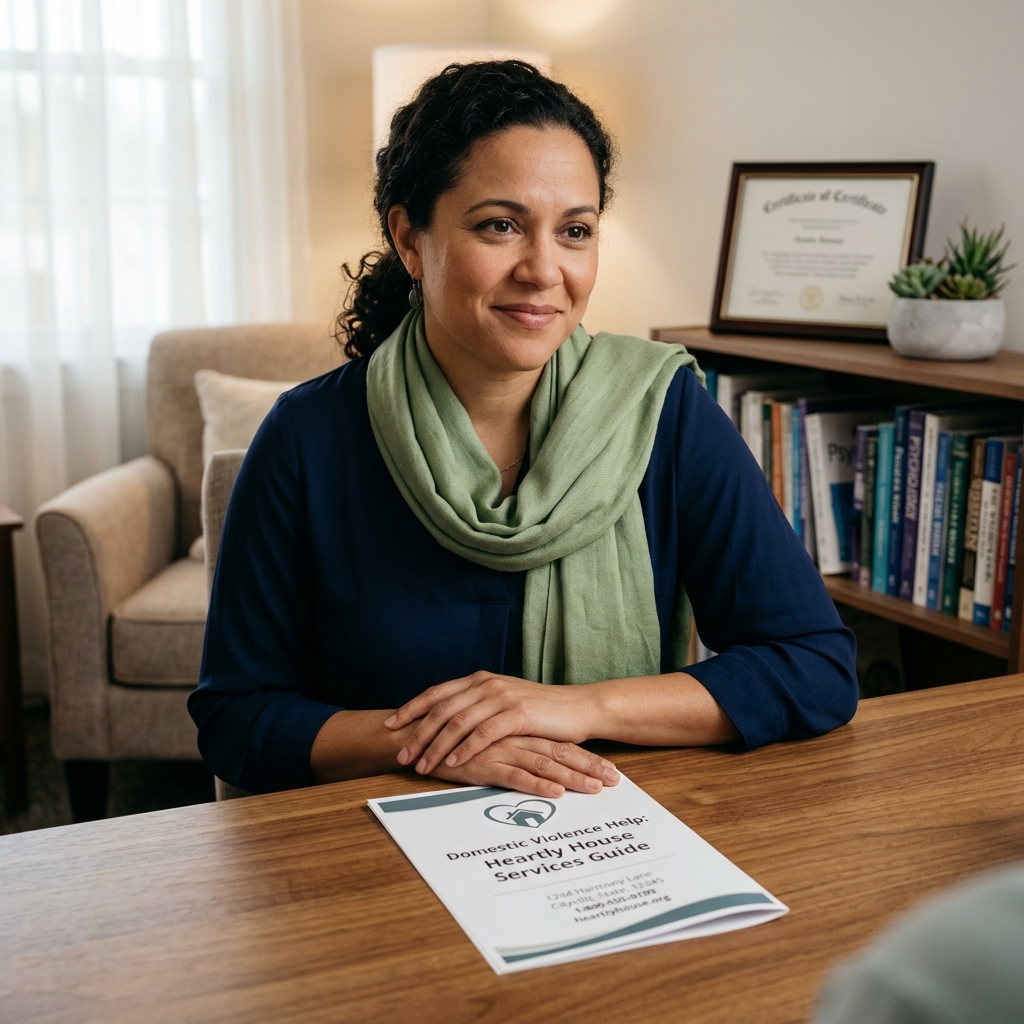
Domestic violence affects people of every age, gender, income level, and background, but no one has to face it alone. Community organizations like Heartly House exist to provide immediate safety, emotional support, and legal guidance for survivors rebuilding their lives after abuse.
This article offers an overview of the types of help typically available through Heartly House and similar agencies: 24‑hour hotlines, emergency shelter, counseling, legal assistance, and long‑term recovery programs. While details may vary locally, the core mission is consistent—help survivors live free from violence and regain control over their futures.
Recognizing Domestic Violence and Why Specialized Help Matters
Domestic violence is more than physical assault; it includes patterns of behavior used by one person to control another in an intimate or family relationship. These behaviors can be physical, emotional, sexual, financial, or digital, and often escalate over time.
- Physical abuse – hitting, choking, shoving, restraining, or using weapons.
- Emotional abuse – humiliation, threats, constant criticism, or isolation from friends and family.
- Sexual abuse – any sexual activity forced, coerced, or obtained through intimidation.
- Financial abuse – withholding money, preventing employment, or controlling all economic decisions.
- Digital abuse – monitoring phones or social media, cyber‑harassment, or using technology to track and intimidate.
Organizations like Heartly House are designed to respond to these complex patterns of harm, not just single incidents. Staff are trained to understand trauma, safety planning, legal protections, and housing options so they can help survivors make informed choices in difficult circumstances.
Immediate Safety: Crisis Hotlines and Emergency Response
The first priority in domestic violence situations is safety. Heartly House typically operates a 24‑hour crisis hotline where survivors and concerned friends or family members can speak with trained advocates at any time.
What Crisis Hotlines Usually Offer
Hotline services are confidential and generally available regardless of income or immigration status. When you call, advocates can:
- Listen without judgment and help you talk through the situation.
- Assess immediate danger and discuss options such as contacting law enforcement or emergency medical care.
- Assist with creating a personalized safety or escape plan.
- Provide information on shelter availability and transportation.
- Connect you with legal, counseling, or housing resources in your area.
Even if you are not ready to leave the relationship, calling a hotline can help you understand your options and create practical strategies to reduce risk for yourself and any children in the home.
| Hotline | Focus | Availability |
|---|---|---|
| National Domestic Violence Hotline | Relationship and family violence support | 24/7 phone, text, and chat services |
| Local domestic violence hotline | Connection to nearby shelters and advocates | Often 24/7, operated by community programs like Heartly House |
| Emergency (911 or equivalent) | Immediate law enforcement and medical response | When there is imminent danger of serious harm |
When using phones or computers to seek help, advocates frequently recommend clearing browser histories, using private browsing, or accessing the internet from a safe device to reduce the abuser’s ability to monitor your activities.
Safe Housing: Shelter and Transitional Support
For many survivors, leaving an abusive environment requires temporary housing. Heartly House generally offers confidential shelter for individuals and families escaping violence, often with secure locations and controlled access.
Typical Features of Domestic Violence Shelters
- Short‑term housing with basic necessities such as food, clothing, and toiletries.
- Safety measures, including secure entry and staff trained in crisis response.
- Support services on‑site, such as case management, counseling, and advocacy.
- Help with transportation, school enrollment for children, and day‑to‑day needs.
- Connection to transitional or longer‑term housing programs.
Shelters are not only places to sleep—they are hubs where survivors can stabilize, think through choices, and begin planning a future free from abuse. Staff can also coordinate with local housing authorities when Violence Against Women Act (VAWA) protections apply, helping survivors avoid eviction or discrimination because of abuse.
Transitional and Long‑Term Housing Options
Once the immediate crisis passes, Heartly House or partner agencies may help survivors move into:
- Transitional housing with supportive services, often for several months.
- Permanent housing using vouchers or programs designed for survivors of violence.
- Independent rentals, sometimes with financial or case management support.
Housing stability is a key factor in long‑term safety; without it, survivors may feel compelled to return to dangerous situations. This is why shelter and housing programs are central to Heartly House’s work.
Emotional and Psychological Support: Counseling and Groups
Domestic violence often leaves deep emotional scars, including anxiety, depression, post‑traumatic stress, and difficulty trusting others. Heartly House generally provides trauma‑informed counseling and support groups to help survivors process their experiences and regain confidence.
Individual Counseling
Through one‑on‑one sessions, licensed counselors or advocates can help survivors:
- Understand the dynamics of abuse and how it affected them and their children.
- Identify trauma responses such as hyper‑vigilance, guilt, or self‑blame.
- Learn coping strategies and grounding techniques for anxiety or panic.
- Set goals for education, employment, parenting, and personal wellbeing.
Support Groups
Group programs allow survivors to connect with others who have faced similar situations. Participants can:
- Share stories in a safe, facilitated setting.
- Learn practical skills, such as boundary‑setting and communication.
- Reduce isolation and shame by hearing, “you are not alone.”
- Practice problem‑solving with peers who understand the realities of leaving an abusive relationship.
Many organizations also offer counseling for children who witnessed violence, helping them address trauma and supporting healthy development.
Legal Help: Protection Orders, Criminal Cases, and Civil Remedies
Leaving an abusive partner often involves legal decisions, from obtaining restraining orders to addressing custody, housing, and financial matters. Heartly House typically collaborates with legal professionals to ensure survivors have information and representation when needed.
Common Legal Services Connected to Domestic Violence Programs
- Protection orders – assistance filing for civil protective orders or restraining orders.
- Criminal justice advocacy – support during police reports, court hearings, or interactions with prosecutors.
- Family law guidance – help with custody, visitation, divorce, or child support disputes.
- Immigration referrals – information on visas or relief options for survivors whose status depends on their abuser.
- Housing rights – support using VAWA or similar laws to avoid eviction or secure safer housing.
| Protection | Purpose |
|---|---|
| Protection or restraining orders | Restrict contact, harassment, or proximity by the abuser. |
| Criminal charges | Hold the abuser accountable for assault, stalking, or related offenses. |
| Housing protections under VAWA | Prevent survivors from losing housing solely because of violence, and allow transfers to safer units. |
Legal processes can feel overwhelming. Advocates from Heartly House or similar agencies usually accompany survivors to hearings, help with paperwork, and coordinate with attorneys so that survivors can make informed decisions without facing the system alone.
Safety Planning: Reducing Risk Before, During, and After Leaving
Not every survivor can or wants to leave immediately. Heartly House staff often work with individuals to create detailed safety plans tailored to their circumstances.
Examples of Safety Planning Steps
- Identify exits in the home and practice routes to leave quickly.
- Establish a code word with trusted people that means “call the police” or “I need help.”
- Teach children how to call emergency services and what to say.
- Prepare an emergency bag with documents, medications, keys, and cash, stored in a safe place.
- Remove or secure firearms and other weapons if possible.
- Plan where to go (friend’s home, shelter, public place) if you must leave suddenly.
- Use technology cautiously—update passwords, use two‑factor authentication, and limit location‑sharing.
Safety planning is an ongoing process. As situations change, advocates can help update plans and address new risks, such as stalking, legal conflicts, or digital harassment.
Supporting Survivors Beyond Crisis: Education, Employment, and Advocacy
Heartly House’s work does not end once the immediate danger passes. Long‑term support helps survivors regain independence, manage finances, and heal from trauma.
Common Long‑Term Support Services
- Case management – ongoing coordination of housing, benefits, medical care, and child services.
- Financial planning – budgeting assistance, credit repair, and guidance on rebuilding financial stability.
- Education and job readiness – referrals to training, resume help, and job search resources.
- Children’s services – parenting support, school advocacy, and youth counseling.
- Community education – outreach to schools, workplaces, and faith communities about recognizing and responding to abuse.
Community members who are not experiencing violence can also engage with Heartly House by volunteering, donating, or participating in awareness campaigns, all of which help sustain essential services.
How to Reach Help Like Heartly House
Specific contact information for Heartly House will depend on your location, but most domestic violence programs share similar access points.
Typical Ways to Connect
- Call the organization’s local 24‑hour hotline for immediate support.
- Visit the program’s website for details on services, eligibility, and outreach events.
- Ask hospitals, social service agencies, or law enforcement for referrals to nearby domestic violence resources.
- Use national hotlines to locate programs if you are unsure what exists in your area.
When contacting any service, advocates will generally ask broad questions about your situation, safety needs, and preferences, then work with you to create a plan that respects your choices and confidentiality.
Frequently Asked Questions (FAQs)
Do I have to leave my partner to get help?
No. Domestic violence organizations, including Heartly House, provide support whether or not you are ready or able to leave. Advocates focus on safety planning and informed choices, not forcing decisions.
Will my information be kept confidential?
Most programs follow strict confidentiality policies. While there are limits in situations involving child abuse or imminent danger, advocates will explain when they must share information and work with you to maintain as much privacy as possible.
Can I get help if I am undocumented or my immigration status depends on my partner?
Yes. Many organizations serve survivors regardless of immigration status and can connect you with legal resources that specialize in immigration remedies for victims of crime and abuse.
Is there support for children who witnessed domestic violence?
Most comprehensive programs offer counseling and advocacy for children, recognizing that exposure to violence can have long‑term effects on emotional and behavioral health.
How can I help a friend or family member who might be in danger?
Listen without judgment, avoid pressuring them to act before they are ready, and gently share information about hotlines or local programs. You can also call a hotline yourself to learn how to support them safely.
References
- Violence Against Women Act (VAWA) — U.S. Department of Housing and Urban Development. 2024-01-10. https://www.hud.gov/vawa
- Resources for Victims and Survivors — Office on Violence Against Women, U.S. Department of Justice. 2023-10-12. https://www.justice.gov/ovw/resources-victims-and-survivors
- Domestic Violence Support | National Domestic Violence Hotline — National Domestic Violence Hotline. 2024-06-05. https://www.thehotline.org/
- Domestic Violence Awareness Month Resources — California Victim Compensation Board. 2023-10-02. https://victims.ca.gov/news-releases/calvcb-highlights-resources-available-to-victims-during-national-domestic-violence-awareness-month/
- Domestic Violence — Los Angeles County Department of Public Social Services. 2023-04-18. https://dpss.lacounty.gov/en/jobs/gain/sss/domestic-violence.html
- Domestic Violence Resources — City of Los Angeles. 2024-03-21. https://lacity.gov/residents/community-assistance/domestic-violence-resources
- Domestic Violence – How We Serve — The Salvation Army USA. 2023-11-15. https://www.salvationarmyusa.org/domestic-violence/
Similar Articles








Read full bio of medha deb


