
Domestic Violence and Sexual Assault Help
A practical guide to shelters, hotlines, advocacy, and survivor-centered support.
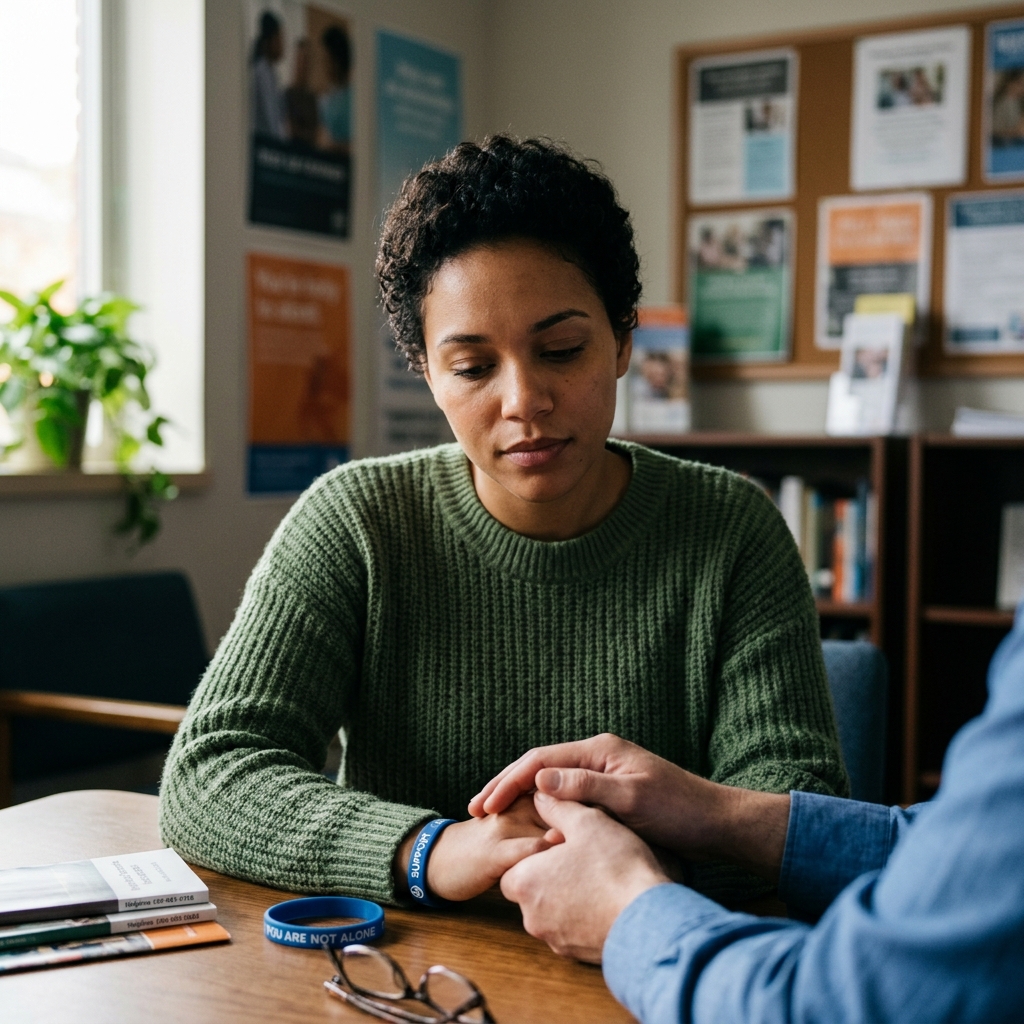
Survivors of domestic violence and sexual assault often need immediate safety, clear information, and support that respects their choices. Community programs can help with emergency shelter, crisis hotlines, advocacy, legal referrals, counseling connections, and practical planning for what comes next. These services are designed to reduce danger, increase stability, and help people move forward at their own pace.
What these services are designed to do
Domestic violence and sexual assault programs exist to help people in crisis and to support long-term recovery. They are not limited to one type of assistance. Instead, they usually combine short-term emergency support with longer-term help that can include housing, court guidance, and emotional support. The National Domestic Violence Hotline describes survivor support as confidential and available around the clock, while the U.S. Department of Justice points people toward national and local resources for direct help.
- Crisis support for people who need immediate guidance
- Safety planning for leaving, staying, or reducing risk
- Shelter and housing referrals for people who cannot safely remain where they are
- Advocacy for medical, legal, and system navigation needs
- Emotional support and connections to counseling or peer services
Ways a survivor may get help
Services differ by community, but many programs offer a similar core set of supports. YWCA organizations, for example, describe domestic and sexual violence services as including emergency, transitional, and long-term housing, along with crisis hotlines and advocacy. Tribal and community-based programs may also provide support for people who are relocating, seeking safety, or dealing with the effects of abuse.
| Type of support | What it can include | Why it matters |
|---|---|---|
| Emergency help | Hotline response, safe shelter, urgent referrals | Protects someone during immediate danger |
| Stabilization | Housing help, transportation, food, childcare referrals | Helps survivors meet daily needs after a crisis |
| Advocacy | Court accompaniment, medical support, system navigation | Makes difficult processes less overwhelming |
| Longer-term support | Counseling referrals, support groups, planning for independence | Supports recovery and long-term safety |
Hotlines are often the fastest first step
For many people, calling or texting a hotline is the easiest way to get help quickly and privately. The National Domestic Violence Hotline offers confidential support 24/7/365 and provides call, chat, and text options. The Department of Justice also lists national resources, including the National Sexual Assault Hotline and the StrongHearts Native Helpline, as entry points for survivors seeking immediate assistance.
- National Domestic Violence Hotline: 1-800-799-SAFE (7233)
- National Sexual Assault Hotline: 1-800-656-HOPE (4673)
- StrongHearts Native Helpline: 1-844-762-8483
- National Domestic Violence Hotline text option: Text “START” to 88788
Some states also maintain dedicated safelines for survivors. Oklahoma, for example, operates a confidential 24-hour Safeline for domestic violence, stalking, and sexual assault.
Emergency shelter and safer housing options
Housing is often one of the most urgent concerns after abuse or assault. Emergency shelters can provide temporary safe space for people leaving dangerous situations, while transitional housing gives survivors more time to plan the next step. Some programs also help with relocation or connection to other local providers when staying in the same area is unsafe.
Where a shelter is available, it may serve adults, children, and dependents. Some specialized programs are open to people from many backgrounds, including survivors who do not belong to the community that operates the shelter. This can be especially important when someone needs immediate safety and has few other options.
Advocacy beyond the phone call
Good services do more than answer questions. They help survivors deal with the systems that may become part of life after abuse or assault. That can include law enforcement, courts, medical providers, schools, housing offices, child welfare agencies, and benefits programs. The Chickasaw Nation’s violence prevention services, for example, note referrals and support that can connect survivors with law enforcement, probation, child support, child welfare, and mental health resources.
Advocates may help with:
- Understanding reporting options
- Preparing for court appearances
- Explaining protective orders or restraining orders
- Finding medical care after assault
- Communicating with landlords, employers, or schools
Protecting housing rights and stability
For survivors living in subsidized or assisted housing, federal protections may matter. HUD explains that under the Violence Against Women Act, people who have experienced domestic violence, dating violence, sexual assault, or stalking cannot be denied admission, evicted, or have assistance terminated because of the abuse committed against them. HUD also directs survivors to national hotlines and says it is not a direct service provider, which makes local referrals especially important.
This kind of protection can be crucial when abuse has affected a survivor’s ability to keep housing, respond to notices, or safely remain in a shared residence. A local advocate or housing counselor can help explain available rights and documents.
What to look for in a quality service provider
Survivors have different needs, so the best program is one that listens first and offers choices. A strong service provider should be accessible, respectful, and prepared to connect someone with multiple kinds of help. Publicly funded or certified programs may also follow standards set by state agencies.
- Confidentiality: clear privacy practices and safe communication options
- Accessibility: language access, disability accommodations, and multiple contact methods
- Choice: support without pressure to report, leave, or take a specific path
- Coordination: referrals to shelter, legal aid, counseling, or healthcare
- 24-hour availability: especially important when danger is immediate
When someone is not ready to leave
Leaving an abusive situation can be risky, and not every survivor can or wants to leave immediately. Support services should still be useful. Safety planning can include steps for reducing danger, preparing emergency documents, storing essential items, and identifying safe contacts. Hotlines and advocates can help a person think through choices without forcing a decision.
Examples of practical safety planning may include:
- Keeping copies of IDs, medical cards, and keys in a safe place
- Memorizing important phone numbers
- Choosing a code word with trusted friends or family
- Planning where to go if leaving becomes urgent
- Adjusting digital privacy settings when monitoring is a concern
Special considerations for tribal and community-based services
Some survivors prefer programs that understand their cultural background, family structure, or community context. Tribal and community-based services may provide more tailored advocacy, including help for people who are residing or relocating within a specific region. The Department of Justice also recognizes the role of Tribal coalitions and local resources in connecting survivors with the support they need.
Culturally informed support can matter because the best response is not only about immediate safety. It is also about trust, respect, and practical help that fits the survivor’s situation.
Frequently asked questions
Do I need to file a police report to get help?
No. Many hotlines and advocacy programs help survivors whether or not they want to contact police. Support can begin with safety planning, shelter referrals, and confidential guidance.
Can I call if I am helping someone else?
Yes. Many hotlines and service programs also help friends, family members, and other support people who want to understand how to assist a survivor safely.
What if I need help right now?
If you are in immediate danger, call emergency services first. If you need confidential support, contact a national or local hotline for next steps.
Are these services only for women?
No. Domestic violence and sexual assault services are generally available to survivors of all genders, though some programs may have specialized spaces or services for particular populations.
Can these programs help with long-term recovery?
Yes. Beyond crisis response, many organizations offer referrals for counseling, housing, legal help, and other services that support recovery over time.
How to use local services effectively
When contacting a provider, it helps to share only what feels safe to share. A hotline advocate or caseworker may ask about immediate danger, housing needs, transportation, children, medical concerns, and whether communication needs to stay confidential. From there, they can suggest a realistic plan that fits the survivor’s situation.
If a program cannot meet every need directly, it may still connect the survivor to another trusted source. That referral network is often what makes a community response effective: each organization focuses on a part of the problem, while survivors receive coordinated support.
References
- Domestic Violence Services – Chickasaw Nation — Chickasaw Nation. 2026-07-10. https://www.chickasaw.net/Services/Family/Domestic-Violence-Services
- Domestic and Sexual Violence Services — YWCA. 2026-07-10. https://www.ywca.org/what-we-do/health-safety/domestic-and-sexual-violence-services
- Certified Domestic Violence/Sexual Assault Programs — Oklahoma.gov. 2026-07-10. https://oklahoma.gov/oag/about/divisions/victim-advocacy-and-services-unit/certified-dvsa-programs.html
- Resources for Victims and Survivors — U.S. Department of Justice. 2026-07-10. https://www.justice.gov/ovw/resources-victims-and-survivors
- Domestic Violence Support — National Domestic Violence Hotline. 2026-07-10. https://www.thehotline.org/
- Violence Against Women Act (VAWA) — U.S. Department of Housing and Urban Development. 2026-07-10. http://www.hud.gov/vawa
Similar Articles








Read full bio of medha deb


