
Understanding Victim Impact Statements in Criminal Cases
How victim impact statements give victims a voice in court and help judges understand the full consequences of crime.
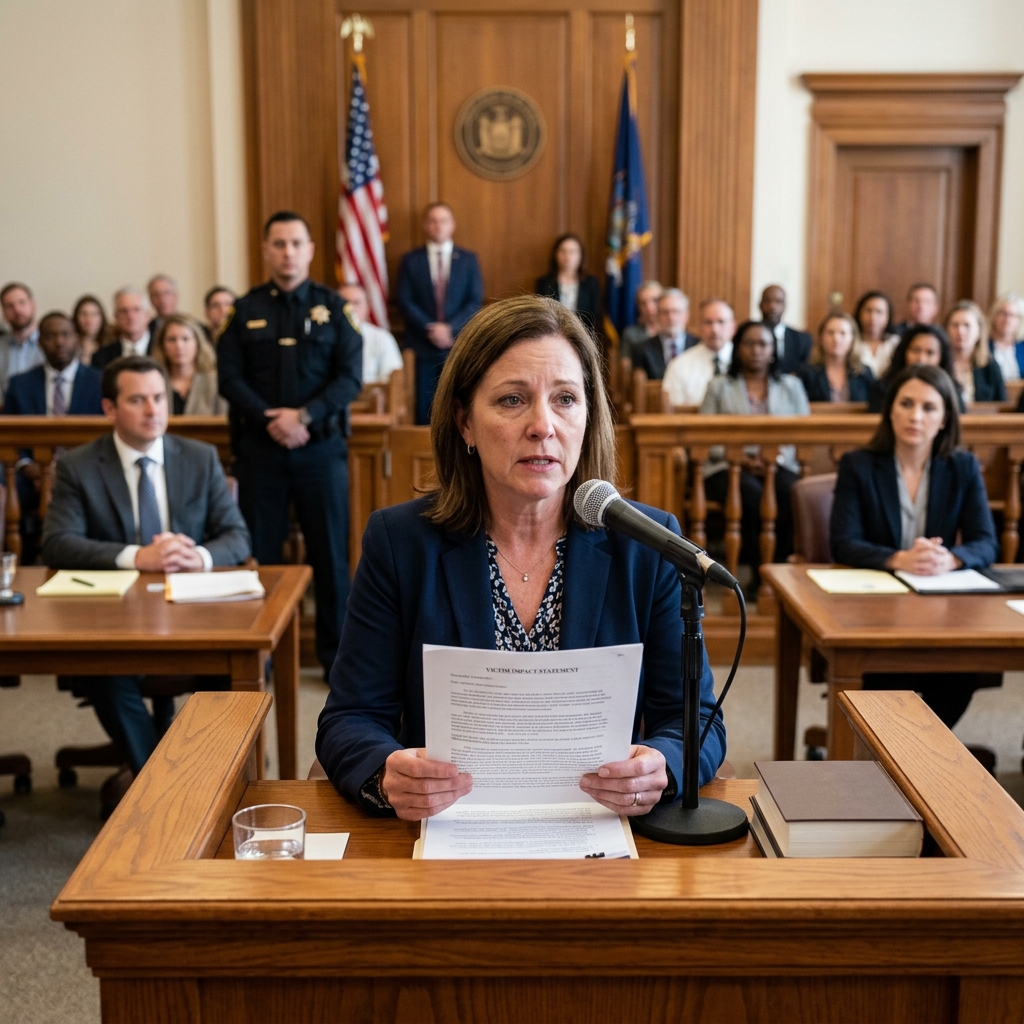
Victim impact statements are a key tool in many criminal justice systems, allowing people harmed by crime to explain the real-world consequences of the offense in their own words. These statements help judges, probation officers, and parole boards understand the emotional, physical, social, and financial effects that do not always appear in police reports or legal filings.
What Is a Victim Impact Statement?
A victim impact statement is usually a written or oral description of how a crime has affected the victim and sometimes the victim’s family or close community. It may be submitted to the court before sentencing, presented in person during a sentencing hearing, or provided later for parole or release decisions.
| Key Feature | Typical Details Included |
|---|---|
| Form | Written statement, oral testimony, audio/video recording, or sometimes telephone submissions in parole contexts. |
| Purpose | Explain harm suffered and ongoing consequences; inform sentencing, restitution, and release decisions. |
| Audience | Judge, prosecutor, defense counsel, probation or parole authorities, and in some cases jurors. |
| Timing | Primarily at sentencing; also at parole, restitution, pardon, or work-release hearings depending on jurisdiction. |
Although procedures vary by jurisdiction, many laws explicitly recognize victims’ rights to submit these statements and require courts to consider them before deciding a sentence.
Why Victim Impact Statements Matter
Courts traditionally focused on the offender’s conduct and criminal history. Victim impact statements add another dimension by highlighting the human cost of crime from the victim’s perspective.
Giving Victims a Voice
- Recognition of harm: Victims can explain not only direct injuries or financial losses, but also long-term trauma, lifestyle changes, and relationship impacts.
- Participation in the process: Having the chance to speak can help some victims feel that the system acknowledges their experience and values their input.
- Emotional validation: For many, setting out the impact in writing or speaking in court is part of their recovery and can offer a sense of closure, even if the sentence does not fully match their expectations.
Informing Sentencing and Restitution
Victim impact statements also provide information that may influence court decisions within the boundaries of applicable law.
- Sentencing decisions: Judges may use the details of harm and ongoing consequences as part of the overall analysis when choosing a sentence within the statutory range.
- Restitution orders: Statements can highlight medical expenses, property loss, counseling costs, or lost income that support restitution requests.
- Supervision and conditions: Probation or parole conditions—such as stay-away orders or treatment requirements—may be shaped by information the victim provides about ongoing safety and trauma.
When and How Courts Use Victim Impact Statements
Victim impact statements are used at multiple stages in the criminal justice process, although not every case or jurisdiction allows the same level of participation.
Sentencing Hearings
In many jurisdictions, victim impact statements are presented after a defendant has been found guilty or has entered a guilty plea and before the judge imposes a sentence.
- Victims may submit a written statement in advance, speak directly in court, or both.
- The defense typically receives a copy, and the statement may become part of the presentence report or case file.
- The judge must balance this information with legal factors, statutory ranges, and constitutional protections for the defendant.
Parole, Pardon, and Release Proceedings
Victim impact statements can also play a role after sentencing, particularly when authorities decide whether to release or continue to confine an offender.
- Parole hearings: Victims or families may submit written, audio, video, or telephone statements discussing ongoing harm and safety concerns.
- Work release and early release: Some laws allow victim input when officials consider moving an offender to a less restrictive setting or granting early release.
- Pardon and commutation: Victims may be permitted to share their views when executives or boards consider pardons or sentence reductions.
Special Rules in Capital Cases
In death-penalty proceedings, victim impact evidence is more tightly regulated because of constitutional concerns about arbitrary or emotionally-driven sentencing.
- Family members may describe how the crime affected their lives during the penalty phase.
- However, the prosecution may not introduce statements that directly ask the jury to impose a death sentence or offer opinions about the appropriate punishment, under longstanding Supreme Court precedent.
- Courts aim to ensure that such evidence informs jurors about harm without overriding reasoned moral judgment with intense emotional appeals.
What Can Be Included in a Victim Impact Statement?
While every statement is unique, most focus on several core areas of impact.
Types of Harm Commonly Described
- Physical impact
- Injuries suffered, medical treatment, rehabilitation, lasting disabilities or pain.
- Changes in daily activities due to physical limitations.
- Emotional and psychological impact
- Fear, anxiety, depression, post-traumatic stress symptoms.
- Sleep problems, nightmares, or concentration difficulties.
- Effects on relationships and trust, including isolation or conflict.
- Financial impact
- Medical bills, property damage or loss, lost wages, and other costs.
- Long-term financial strain or need for assistance.
- Social and life changes
- Relocation for safety, changes in employment or education.
- Altered family roles and responsibilities.
Some victims also share their views on an appropriate sentence, especially in jurisdictions that explicitly permit recommendations to the court. Others focus exclusively on describing harm and ongoing needs without discussing punishment.
Information That Is Usually Not Appropriate
Laws or court rules may limit certain kinds of content, particularly where there is a risk of prejudice or violation of the defendant’s rights.
- Requests for an illegal or extreme sentence beyond what the law allows.
- Comments about other alleged crimes not part of the case.
- In capital cases, explicit demands that the jury impose death or opinions on the defendant’s character and punishment that go beyond describing harm.
How to Prepare a Victim Impact Statement
Preparing a statement can be emotionally difficult. Many victims benefit from guidance from advocates, counselors, or attorneys when deciding what to share.
Step-by-Step Approach
- Understand your rights and options
Find out whether you are entitled to submit a statement, what forms are accepted (written, oral, audio, etc.), and when it must be provided. Victim assistance offices, prosecutors, or legal aid organizations can explain rules specific to your jurisdiction.
- Reflect on key impacts
Consider how your life has changed since the crime in physical, emotional, financial, and social terms. Writing notes or bullet points before drafting the full statement can help organize your thoughts.
- Write in clear, personal language
Use your own words to describe what happened to you and how you feel. Focus on specific examples—such as missed work, therapy sessions, or everyday tasks that have become difficult—to make the impact clear and concrete.
- Stay factual and respectful
It is natural to feel anger or grief, but overly inflammatory language or speculation about the defendant’s motives may be less helpful to the court. Stick to what you have experienced directly and what you know to be true.
- Review with a trusted advisor
Victim advocates, counselors, or attorneys can review your statement, suggest clarifications, and make sure it complies with legal guidelines. They can also help you decide whether to read it aloud in court or submit it in writing only.
Emotional Safety While Writing
Revisiting the details of harm may trigger intense emotions. It can be helpful to plan for support before, during, and after writing.
- Schedule time with a counselor or trusted friend after drafting your statement.
- Take breaks if you begin to feel overwhelmed.
- Remember that you can choose how much detail to include; you are not required to describe every aspect of the crime.
Legal and Practical Limits
Although victim impact statements are an important part of many systems, they operate within specific legal boundaries.
Balancing Victims’ Rights and Defendants’ Protections
Courts must respect both victims’ rights to be heard and defendants’ constitutional protections, including the right to a fair sentencing process.
- Judges may exclude or limit statements that contain improper content or could unfairly prejudice the decision.
- The defense usually has access to written statements and may respond or present contrary evidence if necessary.
- Appellate courts review the use of victim impact statements in serious cases, particularly capital sentencing, to ensure constitutional limits are respected.
Variation Across Jurisdictions
Research shows substantial variation among states and countries in how victim impact statements are framed, which victims may participate, and at what stages statements are considered.
- Some jurisdictions focus on written statements as part of presentence reports; others emphasize in-court testimony.
- Eligibility may be limited to particular crimes, such as violent offenses, homicides, or serious felonies.
- Procedures at parole or release hearings differ widely, including the permitted formats (written, audio, video, telephone) and the weight decision-makers give to victim input.
Frequently Asked Questions
Is submitting a victim impact statement mandatory?
No. In most systems that recognize victim impact statements, providing one is a right, not a requirement. Victims may choose not to participate, and information about harm can still be presented through other evidence in the case.
Who is allowed to submit a statement?
Typically, the direct victim of the offense may submit a statement, and in cases involving death or severe incapacity, close family members or legal representatives may do so on the victim’s behalf. Some jurisdictions also allow impact statements from organizations or communities affected by certain crimes.
Will the defendant see my statement?
In many systems, the defendant and defense attorney receive a copy of any written victim impact statement and may be present when it is read in court. This is part of ensuring a fair process and allowing the defense to respond if necessary.
Can I change or update my statement later?
Procedures for updating statements vary. At sentencing, once the hearing is complete, changes are usually not possible. However, at parole or release hearings, victims may be able to submit new statements describing ongoing impact or changed circumstances.
Do victim impact statements affect the outcome?
Studies suggest that victim impact statements can sometimes influence sentencing or release decisions, but their effect depends on legal context, judicial discretion, and the nature of the case. Courts must consider them along with other evidence and legal standards.
What if I am afraid to speak in court?
Victim assistance programs, advocates, or counselors can help you decide whether to speak in person or submit a written statement only. Some systems allow alternative formats, such as video or audio recordings, which can minimize the stress of appearing in court.
Key Takeaways for Victims
- You have choices: In many jurisdictions, you can decide whether to submit a statement, in what format, and whether to speak in court.
- Your experiences matter: Clear descriptions of harm can help courts understand the full impact of the offense and consider your needs during sentencing and release decisions.
- Support is available: Victim advocates, legal aid, and counseling services can assist with drafting, reviewing, and presenting your statement.
- Legal limits protect fairness: Courts must balance victims’ rights with defendants’ constitutional protections, especially in serious cases, which may restrict certain types of statements.
References
- Victim Impact Statements in the American Court System: A Legislative Exploration of Application Across the United States — CCJLS (ScholasticaHQ). 2023-01-01. https://ccjls.scholasticahq.com/article/159911-victim-impact-statements-in-the-american-court-system-a-legislative-exploration-of-application-across-the-united-states
- Victim Impact Statements — Office for Victims of Crime, U.S. Department of Justice. 1996-01-01. https://ovc.ojp.gov/sites/g/files/xyckuh226/files/pubs/OVC_Archives/reports/impact/impact.htm
- Victim Impact Statements — Pennsylvania Office of Attorney General. 2023-01-01. https://www.pa.gov/agencies/pcv/resources/victim-impact-statements
- Victim Impact Evidence — Death Penalty Information Center. 2016-10-06. https://deathpenaltyinfo.org/policy-issues/victims-families/victim-impact-evidence
- What Are Victim Impact Statements For? — Susan A. Bandes, Brooklyn Law Review. 2022-01-01. https://brooklynworks.brooklaw.edu/blr/vol87/iss4/7/
- What Is a Victim Impact Statement? — Shasta County District Attorney. 2020-01-01. https://www.shastacounty.gov/district-attorney/page/what-victim-impact-statement
- The impact of victim impact statements on legal decisions in criminal proceedings — Giosa & Brosig, International Review of Law and Economics. 2021-02-01. https://www.sciencedirect.com/science/article/pii/S1359178920302160
Similar Articles








Read full bio of Sneha Tete




