
Essential Rules Police Must Follow During Encounters
Understand the key constitutional limits on police authority and how those rules protect your rights in everyday encounters.
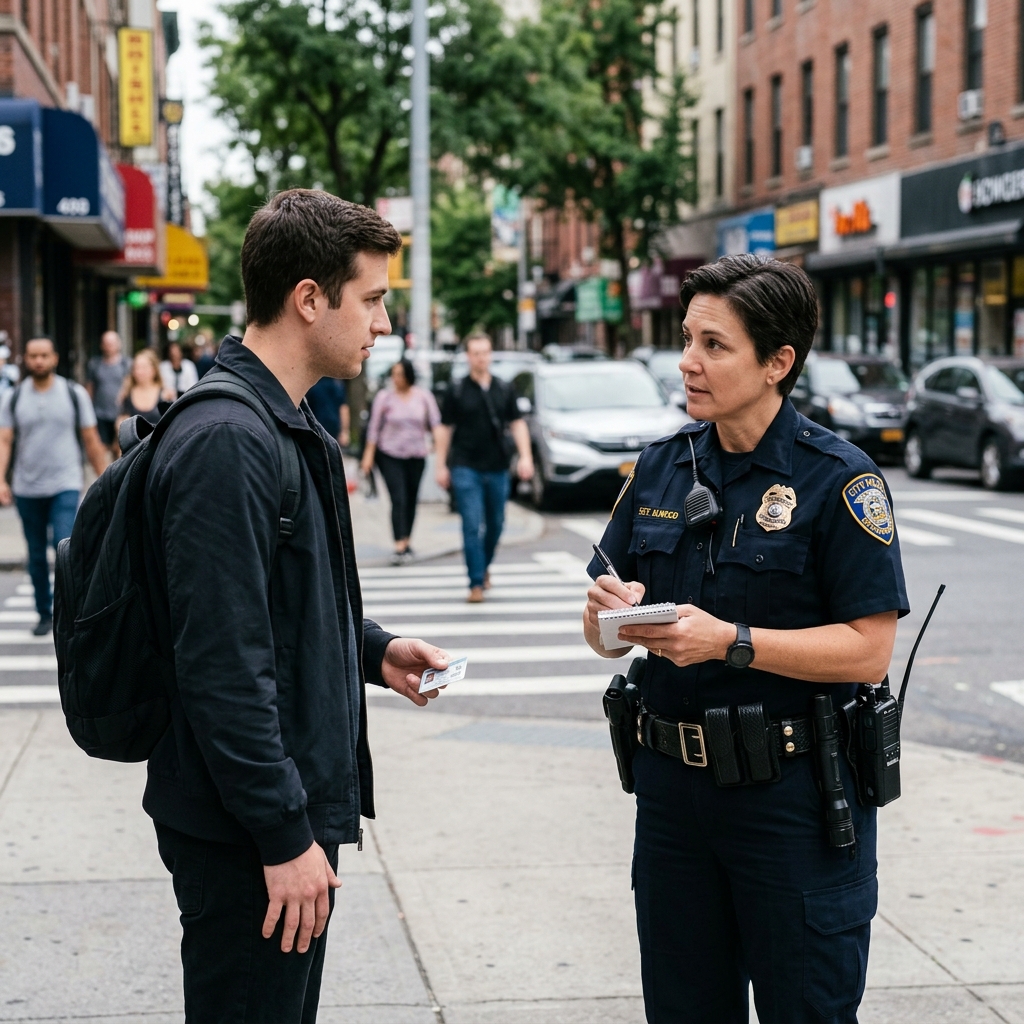
Police officers wield significant authority, but that power is carefully limited by the United States Constitution and by state and federal law. Police cannot simply stop, search, or arrest people based on a hunch; each step in a criminal investigation is governed by specific legal rules designed to protect individual rights. Understanding these rules helps you recognize when officers are acting lawfully and when they may be crossing a legal line.
This article explains the major legal constraints on police conduct in the United States, focusing on stops, searches, arrests, questioning, and the use of force. It also outlines what you can do if you believe officers have violated your rights, and when consulting a criminal defense lawyer may be essential.
Constitutional Foundations of Police Authority
Most of the rules police must follow stem from key constitutional amendments that limit how government actors, including law enforcement, may interact with the public. In everyday encounters, four amendments are especially important:
- Fourth Amendment – protects against unreasonable searches and seizures, setting standards for stops, frisks, searches, and arrests.
- Fifth Amendment – safeguards the right against self-incrimination, which is the basis for Miranda warnings.
- Sixth Amendment – guarantees the right to counsel and a fair trial, including the right to an attorney during critical stages of criminal proceedings.
- Fourteenth Amendment – ensures due process and equal protection, often used to challenge discriminatory policing or abusive practices.
These constitutional protections are enforced by courts, which suppress unlawfully obtained evidence or dismiss cases when officers ignore legal limits. As a result, police departments develop policies and training programs to ensure officers act within these boundaries.
Legally Permissible Police Stops
Not every interaction with an officer is the same. Different levels of police contact have different legal requirements, especially under the Fourth Amendment.
Consensual Encounters
Officers are allowed to approach and talk to people in public without any specific suspicion, as long as a reasonable person would feel free to leave or decline to answer questions. In these encounters:
- You generally do not have to answer questions.
- You may ask, “Am I free to go?” to clarify whether you are being detained.
- If the officer says yes, you may calmly walk away.
Although these contacts are voluntary, many people feel pressure to cooperate. Knowing you can politely decline and ask if you may leave can help you exercise your rights.
Investigative Detentions (Terry Stops)
An officer may briefly detain a person if the officer has reasonable suspicion that the person is involved in criminal activity. Reasonable suspicion is more than a hunch; it must be based on specific, articulable facts and rational inferences.
During a lawful investigative stop:
- The officer may ask questions about identity and activity.
- The stop must be temporary and no longer than reasonably necessary to confirm or dispel the suspicion.
- The officer may conduct a limited pat-down (frisk) of outer clothing if there is reasonable suspicion the person is armed and dangerous.
If a brief detention turns into a prolonged encounter, or if the officer’s suspicion was not based on objective facts, the stop may be challenged as unlawful in court.
Traffic Stops
Traffic stops are a common form of investigative detention. Officers must have at least reasonable suspicion of a traffic violation or other offense to pull a vehicle over. Once stopped:
- The driver is generally required to show a license, registration, and proof of insurance.
- Passengers may also be subject to limited questioning, though their rights differ from the driver.
- The stop should last only as long as necessary to check documents, investigate the violation, and issue any ticket.
Courts scrutinize prolonged traffic stops or unrelated questioning that significantly extends the encounter, especially when officers use stops to search for unrelated crimes.
Rules Governing Searches and Seizures
The Fourth Amendment’s prohibition on unreasonable searches and seizures is central to regulating police conduct. Whether officers may search you, your home, or your vehicle depends on the circumstances.
Search Warrants and Probable Cause
In general, police must obtain a warrant from a judge before entering a home or private area to look for evidence. To secure a warrant, officers must show probable cause – reasonable grounds to believe that evidence of a crime will be found in the place to be searched.
Warrants must describe:
- The specific location to be searched.
- The items or evidence officers are authorized to seize.
Searches that exceed the scope of the warrant or rely on stale or inaccurate information can be challenged in court. Evidence obtained in violation of these requirements may be excluded under the exclusionary rule.
Searches Without a Warrant
There are several well-recognized exceptions that allow warrantless searches in limited situations. Common examples include:
- Consent searches – If you voluntarily agree to a search, officers may proceed without a warrant. You generally have the right to refuse consent.
- Search incident to lawful arrest – After a lawful arrest, officers may search the arrestee and the immediate area for weapons or evidence.
- Plain view – Officers may seize evidence that is clearly visible from a lawful vantage point.
- Exigent circumstances – A warrant may not be required when there is an emergency, such as imminent destruction of evidence or risk of harm.
- Automobile exception – Vehicles can often be searched with probable cause but without a warrant because of their mobility and reduced expectation of privacy.
Even under these exceptions, police must respect constitutional limits. When officers stretch an exception beyond its intended scope, courts may later rule the search unlawful.
When Police May Make an Arrest
Arresting someone is one of the most serious actions police can take, and the law strictly controls when arrests are allowed. An arrest occurs when a reasonable person would understand they are not free to leave.
Legal Grounds for Arrest
Generally, officers can only make an arrest under a limited set of circumstances:
- The officer personally observes a crime being committed.
- The officer has probable cause to believe the person committed a crime, based on facts and evidence.
- A judge has issued an arrest warrant for the person.
An officer cannot lawfully arrest someone simply because they feel suspicious or uncomfortable; there must be specific, objective grounds to justify the arrest.
Arrest Procedures and Use of Force
Once an arrest is underway, police must follow rules about how they treat the person being taken into custody. Officers are generally permitted to use only the minimum amount of force necessary to protect themselves and bring the suspect under control.
Key principles include:
- No excessive force – The U.S. Constitution prohibits cruel or excessive force by law enforcement.
- No unnecessary physical or verbal abuse.
- Force must be proportional to the threat posed by the suspect.
Allegations of excessive force may be investigated by internal affairs units, civilian oversight bodies, or external agencies such as the U.S. Department of Justice.
Miranda Rights and Police Questioning
The Miranda rule requires police to warn suspects of certain rights before conducting a custodial interrogation. These warnings are rooted in the Fifth Amendment’s protection against self-incrimination and the Sixth Amendment right to counsel.
When Miranda Warnings Are Required
Miranda warnings are required when both of the following are true:
- The person is in custody (not free to leave).
- Officers want to ask questions likely to elicit incriminating responses.
Contrary to popular belief, police do not always have to read Miranda rights at the moment of arrest. They must do so before questioning someone in custody, but they may delay questioning and warnings if they are not yet interrogating the suspect.
Content of Miranda Warnings
Although wording varies slightly by jurisdiction, a typical Miranda warning tells suspects that:
- They have the right to remain silent.
- Anything they say can be used against them in court.
- They have the right to an attorney.
- If they cannot afford an attorney, one will be provided.
If officers conduct a custodial interrogation without valid Miranda warnings, statements may be excluded from evidence, and the violation can impact the strength of the prosecution’s case.
Overview of Key Police Rules
The following table summarizes major rules police must follow during common types of encounters:
| Scenario | Police Requirements | Your Core Rights |
|---|---|---|
| Consensual encounter | No suspicion required; must allow you to leave if you wish. | May refuse to answer; may ask if you are free to go. |
| Investigative stop | Requires reasonable suspicion of criminal activity. | Protected against prolonged or arbitrary detention. |
| Search of person or property | Generally requires a warrant or valid exception such as consent or exigent circumstances. | Right to refuse consent; right to challenge unlawful searches in court. |
| Arrest | Requires probable cause or an arrest warrant. | Protection from unreasonable seizure and excessive force. |
| Custodial interrogation | Requires Miranda warnings before questioning. | Right to remain silent and to an attorney; statements can be excluded if rights violated. |
Responding When Police Violate the Rules
Even with clear legal standards, violations do occur. If you believe police have ignored required procedures or infringed your rights, it is critical to respond strategically.
Immediate Steps During or After an Incident
Legal organizations and civil rights groups often recommend the following steps when you experience or witness potential misconduct:
- Stay calm and do not resist – Physical resistance can increase the risk of harm and may lead to additional charges.
- Assert your rights clearly – You may say, “I want to remain silent” and “I want to talk to a lawyer.”
- Document the encounter – As soon as you are safe, write down everything you remember, including officer names, badge numbers, vehicle numbers, location, and witness contact information.
- Preserve evidence – Photograph injuries or property damage and keep any relevant documents.
Some jurisdictions also allow you to record officers performing their duties in public, so long as you do not interfere with law enforcement activities. Check your state’s laws and guidance from reputable organizations if you plan to record police.
Filing Complaints and Seeking Legal Help
If you believe your rights were violated, you may have several options:
- Internal complaints – Many police departments have internal affairs units or professional standards offices that investigate misconduct claims.
- Civilian oversight – Some cities maintain independent oversight boards or offices of police oversight where complaints can be filed.
- Civil lawsuits – In some circumstances, you can sue officers or agencies for damages, often based on constitutional violations.
- Criminal defense representation – If you have been charged with a crime, a criminal defense lawyer can challenge illegal stops, searches, or interrogations and seek suppression of unlawfully obtained evidence.
Promptly consulting an attorney can be crucial. Legal counsel can evaluate whether officers broke the rules, how that affects your case, and what remedies may be available.
Frequently Asked Questions
Do police always have to show a warrant before entering my home?
Officers generally need a warrant to enter and search a home, but there are limited exceptions, such as consent or emergencies. If officers enter without clearly showing a warrant, the legality of the entry can later be challenged in court.
Can I refuse consent to a search of my car or belongings?
In most situations, you have the right to say, “I do not consent to a search.” However, officers may still search if they have independent legal grounds, such as probable cause or another recognized exception to the warrant requirement.
If police never read me my Miranda rights, will my case be dismissed?
Failure to provide Miranda warnings does not automatically dismiss a case, but it can lead to exclusion of statements made during custodial interrogation. Other evidence may still be used, so courts examine the impact on the overall case.
Are officers required to tell me why I am being arrested?
Many departments train officers to explain the reason for an arrest, but the legal requirement can vary by jurisdiction. Even if you are not immediately told the reason, the arrest still must be supported by probable cause and is subject to review in court.
What should I do if I think the police used excessive force?
Once you are safe, seek medical care, document injuries with photographs, write down all details of the incident, and consult an attorney or civil rights organization. You may be able to file a complaint, pursue civil remedies, or request a formal investigation.
References
- Police Laws: Rules Police Have to Follow — LegalMatch Law Library. 2024-01-01. https://www.legalmatch.com/law-library/article/rules-police-have-to-follow.html
- What Procedures Must the Police Follow While Making an Arrest? — FindLaw. 2022-06-01. https://www.findlaw.com/criminal/criminal-procedure/what-procedures-must-the-police-follow-while-making-an-arrest.html
- Stopped by Police — American Civil Liberties Union (ACLU). 2023-08-15. https://www.aclu.org/know-your-rights/stopped-by-police
- When Stopped by an Officer — ACLU of Southern California. 2023-03-10. https://www.aclusocal.org/know-your-rights/when-stopped-officer/
- Your Rights and the Police — GeorgiaLegalAid.org. 2021-11-01. https://www.georgialegalaid.org/resource/your-rights-and-the-police-1
- Protest Rights in Texas: Interactions with Police — State Law Library of Texas. 2022-09-20. https://guides.sll.texas.gov/protest-rights/police
Similar Articles








Read full bio of medha deb




