
Understanding Crime Victims’ Rights in Criminal Cases
A practical guide to the core legal rights, protections, and remedies available to crime victims in modern criminal justice systems.
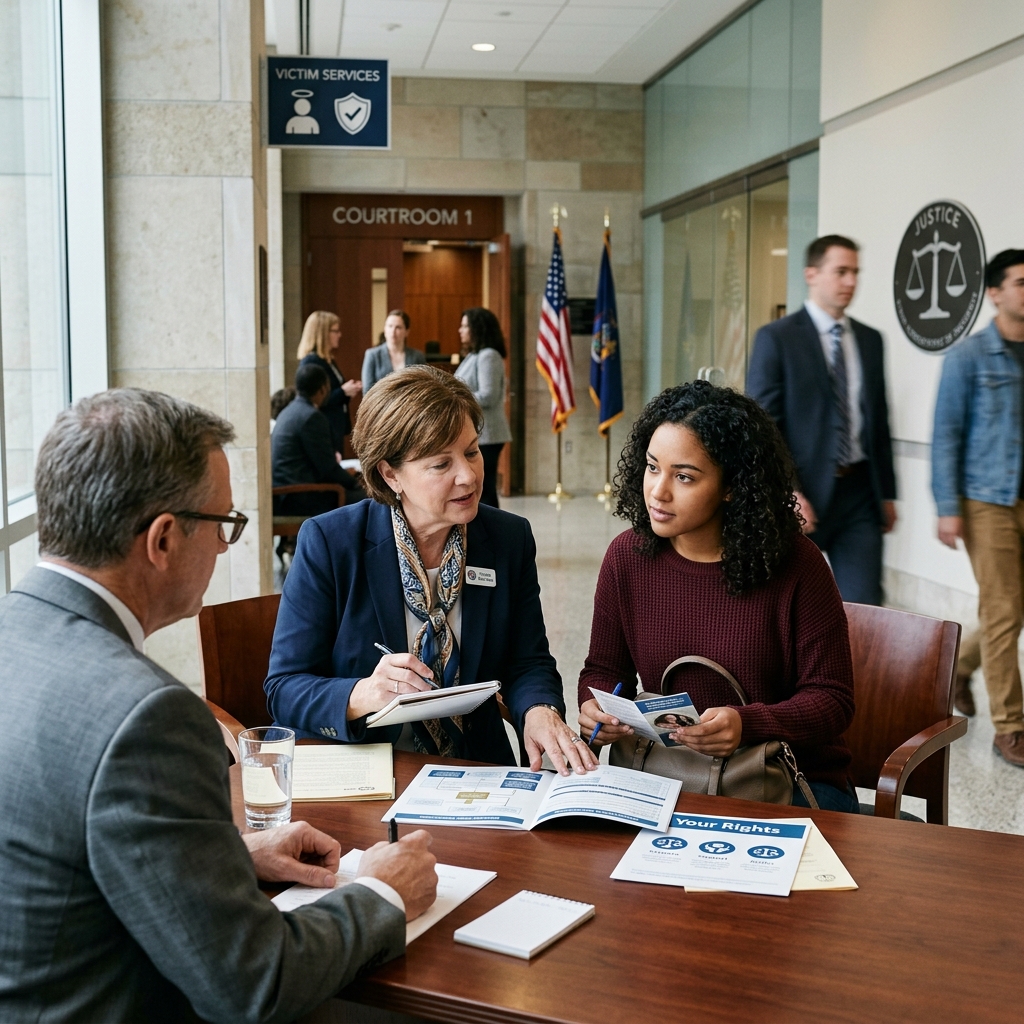
Criminal prosecutions focus on whether a defendant broke the law, but the experience of the victim is just as important. Over the last several decades, many jurisdictions have adopted detailed crime victims’ rights laws and constitutional provisions to ensure that people harmed by crime are treated fairly, informed about the process, and allowed to participate in meaningful ways.
This article explains the major types of rights crime victims typically have, how those rights operate during a criminal case, and practical steps victims can take to use and safeguard those protections. Although specific rules differ by state and country, the themes discussed here reflect common principles found in modern victims’ rights legislation, including the federal Crime Victims’ Rights Act (CVRA) in the United States.
Why Victims’ Rights Laws Exist
For much of legal history, criminal proceedings were dominated by the state and the accused. Victims often had little access to information, no formal role in court, and limited ability to seek compensation or protection. Over time, reform efforts emphasized that victims:
- Experience significant financial, physical, and psychological harm.
- Depend on the justice system for safety and acknowledgment.
- Need clear information and a voice in decisions that affect their lives.
In response, many legislatures enacted statutes and constitutional amendments establishing minimum standards of fair treatment for crime victims, such as rights to notification, participation, and restitution.
Core Categories of Crime Victims’ Rights
Although each jurisdiction defines rights differently, most systems organize victims’ rights into a few broad categories.
| Category | What It Protects | Typical Examples |
|---|---|---|
| Information | Ensures victims know what is happening in their case. | Notice of hearings, case status, release of the accused. |
| Protection | Helps keep victims safe from intimidation or harm. | No-contact orders, security measures, privacy safeguards. |
| Participation | Gives victims a voice in court and with prosecutors. | Victim impact statements, right to attend proceedings. |
| Restitution | Provides financial recovery from the offender. | Payment for medical bills, lost wages, property damage. |
| Fair Treatment | Requires respectful, dignified handling of victims. | Protection of privacy, avoidance of unnecessary delays. |
Who Qualifies as a Crime Victim?
The legal definition of a crime victim varies, but many statutes define it as a person directly and proximately harmed by a criminal offense. In some systems, close family members or a legal representative may exercise rights when the victim is a minor, incapacitated, or deceased.
Common examples of people who may qualify include:
- Individuals who suffer physical injury or emotional trauma due to a crime.
- People whose property or finances are damaged or stolen.
- Family members of homicide victims or victims unable to speak for themselves.
If there is any doubt about eligibility, victims can ask the prosecutor’s office or a victim assistance program to clarify which laws apply in their situation.
Right to Information and Notification
One of the most fundamental protections for victims is the right to information. Without timely, accurate updates, victims may feel powerless and unable to plan for safety or financial recovery. Modern victims’ rights laws typically guarantee that victims receive notice about key events in the criminal process.
Typical Notifications Provided
- Filing of charges and major case developments.
- Dates, times, and locations of court hearings open to the public.
- Plea agreements and sentencing hearings.
- Parole hearings and decisions, or other release proceedings.
- Escape or release of the accused from custody.
In many systems, this information is provided automatically once a victim is identified, but some rights must be specifically requested or opted into through victim registration forms.
Practical Tips for Victims
- Complete any victim notification forms offered by police, the prosecutor, or the court.
- Keep contact information up to date so notices reach you promptly.
- Ask questions about what information you will receive and how.
- Document communications in case you later need to show that notice was missing or insufficient.
Right to Protection and Safety Measures
Victims may reasonably fear retaliation, harassment, or further harm. Many victims’ rights laws therefore include a right to be reasonably protected from the accused, particularly in violent or sensitive cases.
Examples of Protective Measures
- No-contact orders or restraining orders preventing the defendant from contacting or approaching the victim.
- Conditions of bail or pretrial release restricting travel, communications, or proximity to the victim.
- Security arrangements at the courthouse or during testimony.
- Confidential address programs or limited disclosure of personal information when permitted by law.
These protections must be balanced with the defendant’s legal rights, but courts often give significant weight to safety concerns raised by victims or prosecutors.
How Victims Can Request Protection
- Tell law enforcement about any threats or harassment immediately.
- Ask the prosecutor to request no-contact or protective orders from the court.
- Consult local victim advocates, domestic violence centers, or legal aid for additional safety planning.
Right to Attend and Participate in Court Proceedings
Another cornerstone of victims’ rights is the ability to attend and be heard
Presence in Court
Many victims’ rights statutes guarantee victims the right not to be excluded from public court proceedings, with limited exceptions if a judge finds that hearing other testimony would alter the victim’s own testimony. This presence can help victims understand how the case is unfolding and feel that their experience is acknowledged.
Victim Impact Statements
In many jurisdictions, victims may provide a victim impact statement before sentencing or certain release decisions. These statements describe in the victim’s own words how the crime has affected their life, including:
- Physical injuries and ongoing medical issues.
- Emotional or psychological trauma.
- Financial losses and disruption of daily life.
- Concerns about safety and future harm.
Courts are often required to consider these statements when determining an appropriate sentence or conditions of release.
Consultation with Prosecutors
Victims’ rights laws frequently include a right to confer with the prosecuting attorney about important decisions, such as plea negotiations or trial strategy. This does not mean the prosecutor must follow the victim’s preferences, but it ensures the victim’s views are heard and considered.
Right to Restitution and Financial Recovery
Crime often leaves victims with substantial financial burdens: medical bills, counseling costs, lost wages, and property damage. Many jurisdictions recognize a right to restitution—a court-ordered payment from the offender to the victim—as part of the criminal judgment.
What Restitution Can Cover
- Medical and mental health treatment costs.
- Lost income due to injury or attending court proceedings.
- Repair or replacement of damaged or stolen property.
- Funeral and related expenses in homicide cases.
Restitution is different from civil damages. It is ordered by the criminal court as part of the sentence and enforced like other criminal obligations.
Seeking Restitution
- Keep detailed records of expenses related to the crime.
- Provide documentation to law enforcement, prosecutors, or probation officers as requested.
- Ask the prosecutor or court about how to request restitution formally.
- Explore state victim compensation programs, which may provide financial aid even when restitution is not ordered or collectable.
Right to Fair Treatment, Dignity, and Privacy
Beyond specific procedural rights, many laws emphasize that victims must be treated with fairness, dignity, and respect. This principle appears in federal law and numerous state constitutions and statutes.
Fair treatment often includes:
- Reasonable efforts to avoid unnecessary delays in proceedings.
- Sensitive handling of personal information and privacy concerns, especially in sexual assault or stalking cases.
- Efforts to return personal property once it is no longer needed as evidence.
- Clear explanations of the process in language the victim can understand.
Enforcing Victims’ Rights
Rights are most meaningful when there are ways to enforce them. Some laws allow victims to seek remedies when their rights are ignored or violated, although the exact options differ by jurisdiction.
Possible Enforcement Tools
- Motions in court asking a judge to recognize or restore a right (for example, to speak at a hearing or obtain restitution).
- Appeals or review procedures challenging orders that deny specific rights.
- Ombudsman or complaint offices dedicated to resolving victims’ rights concerns in federal systems.
Even where enforceability is limited, raising concerns formally can lead courts and prosecutors to correct oversights and adjust practices.
Working with Victim Advocates and Support Services
While victims’ rights laws provide legal protections, navigating the system can still be intimidating. Specialized victim advocates and assistance programs help victims understand and exercise their rights.
How Advocates Can Help
- Explain court procedures and upcoming hearings.
- Assist in preparing victim impact statements.
- Coordinate with prosecutors and law enforcement.
- Connect victims with counseling, shelters, and financial assistance programs.
Victim services are often available through prosecutor’s offices, police departments, community organizations, and state victim compensation programs.
Frequently Asked Questions (FAQs)
1. Do I have to participate in every court hearing?
No. Victims generally have the right to attend and be heard at certain hearings, but they are not forced to appear unless subpoenaed as a witness. Many people choose to attend only the most significant events, such as plea and sentencing hearings.
2. What if the defendant is acquitted—do my rights end?
Some rights, like attending proceedings and making statements, are tied to the existence of a criminal case and may end when the case is dismissed or the defendant is acquitted. However, victims may still pursue civil remedies or seek assistance from victim services programs, and they may continue to receive notice about post-acquittal release issues if applicable under local law.
3. Can I have my own attorney in addition to the prosecutor?
In many jurisdictions, victims are allowed to hire private counsel to help them understand and assert their rights, particularly in complex or sensitive cases. This lawyer does not replace the prosecutor but may file motions related to victims’ rights and advise the victim about civil options.
4. Are my statements and records kept confidential?
Privacy protections vary. Certain information, such as addresses or medical details, may be restricted or protected, especially in cases involving sexual assault, domestic violence, or stalking. Victims should ask prosecutors or advocates about what will be public and what can be kept confidential.
5. What if I stop wanting to be involved?
Victims can usually choose how actively they participate. They may opt out of some notifications or decide not to attend hearings. However, once someone is a witness, the court may still require testimony if it is essential to the case. Communicating clearly with prosecutors and advocates can help align expectations with the victim’s wishes.
Key Takeaways for Crime Victims
- You are entitled to information about your case, including notice of major court events and release decisions.
- You have important protection and safety rights, which can include no-contact orders and privacy safeguards.
- You may have a voice in court through attendance and victim impact statements, and a right to confer with prosecutors.
- You can often seek restitution and access state victim compensation programs to address financial harm.
- If your rights are overlooked, you may be able to use enforcement mechanisms such as motions, appeals, or ombudsman services.
Because victims’ rights laws differ from place to place, victims should consult local statutes, court rules, and victim assistance programs to understand the specific protections available in their jurisdiction.
References
- Victims’ Rights — Office for Victims of Crime, U.S. Department of Justice. 2022-04-01. https://ovc.ojp.gov/events/understanding-victim-rights
- 18 U.S.C. § 3771: Crime Victims’ Rights — U.S. Code, Office of the Law Revision Counsel. 2024-01-01. https://uscode.house.gov/view.xhtml?req=granuleid:USC-prelim-title18-section3771
- Rights of Federal Crime Victims — Federal Bureau of Investigation. 2023-06-15. https://www.fbi.gov/how-we-can-help-you/victim-services/rights-of-federal-crime-victims
- Crime Victims’ Rights Act — U.S. Department of Justice. 2022-11-10. https://www.justice.gov/usao/resources/crime-victims-rights-ombudsman/victims-rights-act
- Rights of a Crime Victim, or Victim’s Representative — Peoples Law Library of Maryland. 2021-09-30. https://www.peoples-law.org/rights-crime-victim-or-victims-representative
- Victims’ Rights — NC PRO, University of North Carolina School of Government. 2020-08-01. https://ncpro.sog.unc.edu/manual/108
- Victims’ Rights in California — California Courts Self-Help Guide. 2023-05-20. https://selfhelp.courts.ca.gov/criminal-court/victim-rights
Similar Articles








Read full bio of Sneha Tete




