
Stop A Divorce: Legal Options And Steps To Pause Proceedings
Learn practical legal and personal steps to pause, dismiss, or redirect a divorce case after papers have already been filed.
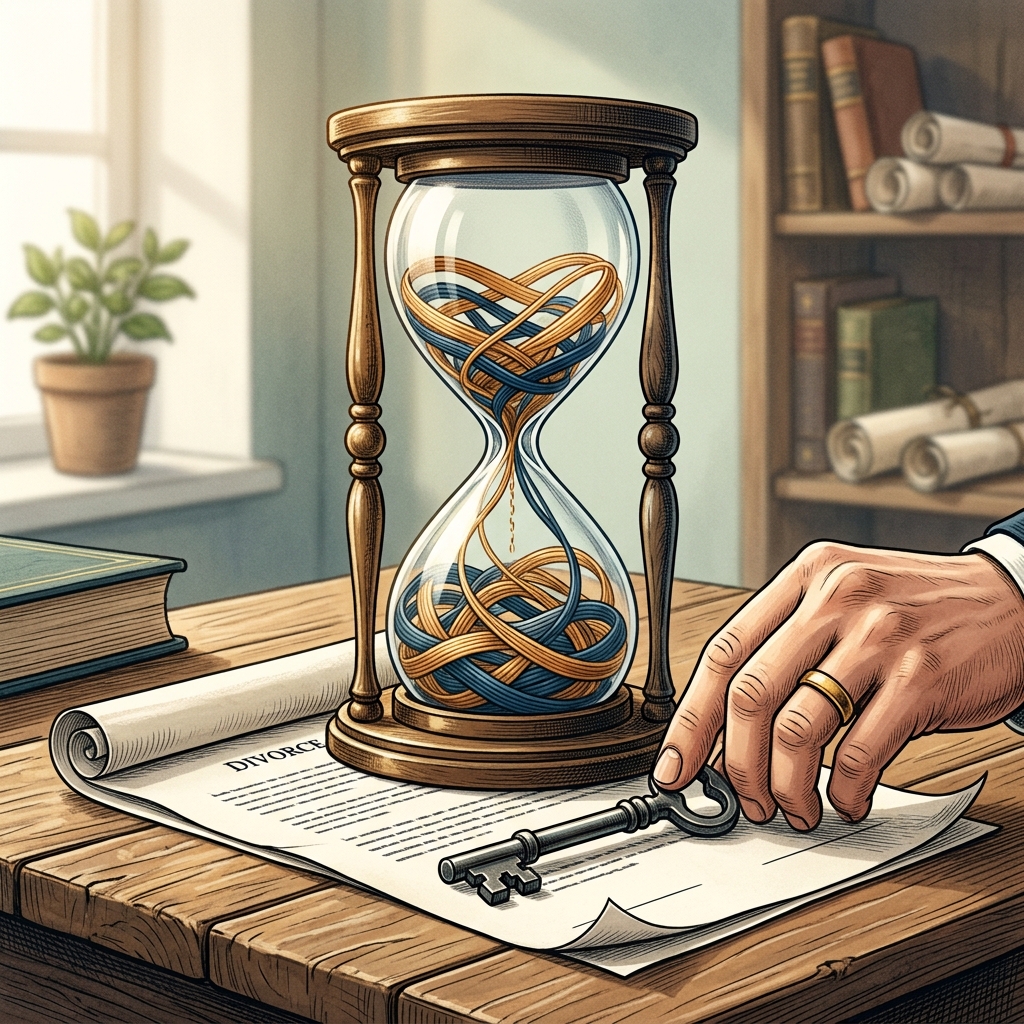
Many couples have second thoughts after a divorce case has already been filed. Whether you want to reconcile, slow things down, or simply make sure you understand the consequences, it is often possible to stop or pause a divorce before a final judgment is entered. However, the exact steps depend on your role in the case, your state’s rules, and how far the case has progressed.
This guide explains the key legal options for halting a divorce, the typical procedures in different states, and the practical relationship and financial issues you should consider before deciding to dismiss your case.
Understanding What It Means to “Stop” a Divorce
When people talk about stopping a divorce, they may mean different things. In legal terms, there are three main possibilities:
- Dismiss the case completely – the divorce lawsuit ends and the marriage remains legally intact.
- Pause or place the case on inactive status – deadlines and hearings are temporarily suspended, often for several months.
- Slow the case informally – the parties delay filings or hearings without officially dismissing or pausing the case.
Only dismissal or formal inactivity truly halts the legal process. Once a court enters a final divorce decree or judgment, the marriage is legally dissolved and cannot be “undone” by simply changing your mind.
Your Role Matters: Petitioner vs. Respondent
Divorce cases usually involve two core roles:
- Petitioner (or Plaintiff) – the spouse who filed the initial divorce petition or complaint.
- Respondent (or Defendant) – the spouse who was served with the divorce papers.
Your ability to stop the case often depends on which role you play.
Options if You Filed the Divorce
The spouse who filed the divorce typically has more control early in the case. In many jurisdictions, the petitioner can dismiss the case on their own before the other spouse responds.
| Stage of Case | Common Option | Requires Spouse’s Consent? |
|---|---|---|
| Petition filed, no response yet | File a notice or request for dismissal with the court clerk. | Usually no |
| Response or counterclaim filed | Submit a joint stipulation or agreement to dismiss the case. | Yes, both spouses sign |
| Close to trial or settlement hearing | Request dismissal or continuance; court approval is more closely scrutinized. | Usually yes |
In some states, you use specific forms. For example, California requires a Request for Dismissal (form CIV-110) and Notice of Entry of Dismissal (form CIV-120). Other states use notices of dismissal, motions to dismiss, or stipulations of dismissal.
Options if You Were Served With Divorce Papers
If you are the respondent, you generally cannot stop the case on your own. U.S. divorce law in most states allows one spouse to continue the case even if the other spouse wants to stay married.
However, you still have important steps you can take:
- Open communication – talk with your spouse about reconciliation and the possibility of dismissing the case jointly.
- Participate actively – attend hearings, respond to filings, and make sure your rights are protected if the case continues.
- Explore pausing the case – in some jurisdictions, either party can ask the court to place the case on inactive status for a period of time.
If your spouse refuses to dismiss the case, the court will generally proceed, though you can still negotiate terms or use mediation to minimize conflict.
Timing: When It Is Easier (or Impossible) to Stop a Divorce
Timing is critical. The earlier you act, the smoother it usually is to halt the case.
Early Stage: Before a Response Is Filed
This is often the most flexible stage. In many civil procedure rules, if no responsive pleading has been served, the filing spouse may dismiss the action without a court order. Some examples:
- Courts often allow a simple notice of dismissal filed with the clerk.
- In California, the petitioner can file a request for dismissal, which the clerk processes once the forms are completed properly.
- In Arizona and Indiana, petitioners can submit a notice or motion to dismiss if service is not complete or the decree has not been granted.
If reconciliation is likely, it is usually preferable to dismiss the case sooner rather than later to avoid unnecessary fees and emotional strain.
Middle Stage: After the Response, Before Final Judgment
Once the respondent has filed an answer or counterclaim, the case becomes a full civil dispute, and dismissal normally requires agreement from both spouses or a court order.
Common features of this stage include:
- Joint stipulation to dismiss – both parties sign a written agreement asking the court to end the case.
- Motion to dismiss – the court reviews whether dismissal is appropriate, especially when there are property, support, or child-related matters already pending.
- Potential inactive status – some states allow the case to be placed on hold (for example, up to one year) if no action is taken.
At this stage, judges sometimes want assurance that both parties understand the consequences of dismissal and are not being coerced.
Late Stage: After a Final Judgment or Decree
Once a court enters a final divorce judgment, the marriage is legally dissolved. You generally cannot cancel or undo the divorce simply by asking the court to reverse it.
What you can do at this point is limited:
- Appeal or seek modification – only for certain legal errors or specific terms such as support or parenting arrangements; this does not re-create the marriage.
- Remarry each other – if you reconcile later, you would need a new marriage license and ceremony.
Because of this, it is crucial to address any desire to halt the divorce before the final decree is entered.
Procedural Steps to Dismiss or Pause a Divorce Case
Although specifics vary by state, the overall process follows a similar pattern.
1. Speak With Your Spouse
Legal rules often hinge on whether both spouses agree to dismiss. Start by having a clear, respectful conversation about whether you both want to stop or pause the divorce.
- Discuss whether you want to reconcile, seek counseling, or simply take more time.
- Clarify expectations around finances, living arrangements, and parenting while the case is on hold.
- Decide together whether dismissal or a pause better reflects your situation.
2. Consult a Family Law Attorney
Even when both spouses agree, it is important to understand state-specific rules and forms. Attorneys can help you:
- Identify whether you are still within the time window for unilateral dismissal.
- Prepare the correct documents, such as a notice of dismissal, motion to dismiss, or stipulation of dismissal.
- Evaluate how dismissal might affect property division, support, and custody negotiations.
Low-cost or self-help legal resources are available in many states through court websites and legal aid organizations.
3. Prepare and File the Required Court Forms
Although form names differ across jurisdictions, the typical paperwork includes:
- Request or notice of dismissal – the main document asking the court to cancel the case.
- Stipulation or agreement to dismiss – signed by both parties if a response has already been filed.
- Proof of service – showing that the other spouse received notice of the dismissal request.
For example, California’s self-help site explains how to fill out and file the Request for Dismissal and Notice of Entry of Dismissal, including serving the other party and filing proof of service. Arizona and Indiana courts provide similar instructions for motions or notices to dismiss.
4. Wait for Court Approval
Once the forms are filed, the court will review them. In straightforward cases, especially early in the process, dismissal may be processed administratively by the clerk. In more complex matters, a judge may need to sign an order confirming that the case is dismissed.
After approval, you will typically receive a stamped copy or official notice showing that the case is no longer active.
5. Keep Records and Plan Next Steps
After dismissal or a formal pause:
- Store copies of all dismissal or inactive-status documents in a safe place.
- Consider setting up counseling, mediation, or financial planning sessions to address the underlying issues that led to the divorce filing.
- Understand that if the case is dismissed “without prejudice,” either spouse can generally file again in the future if needed.
Pausing Instead of Dismissing: When a Temporary Hold Makes Sense
Some couples are not ready to fully abandon their divorce case but want time to attempt reconciliation or handle urgent life events. In such cases, placing the case on inactive status or otherwise pausing it may be appropriate.
Key features of pausing a case include:
- Deadlines and hearings are delayed or frozen for a defined period.
- The marriage remains legally intact while the case is on hold.
- If no action is taken within the allowed time, some courts will automatically close the file.
For example, guidance from a Minnesota practice explains that a divorce file can be placed on inactive status for up to one year, after which the court may close it if neither party takes further action. This approach can provide breathing room without forcing a final decision.
Practical Considerations Before Halting a Divorce
Stopping or pausing a divorce is not only a legal decision. It affects finances, children, housing, and emotional well-being. Before you act, think through the following issues.
Financial and Property Implications
Dismissal may postpone or avoid decisions about property division and support. This can be beneficial if you hope to rebuild the relationship, but it may also delay necessary financial clarity.
- Joint debts and assets remain intertwined until either a divorce or another legal arrangement is completed.
- Health insurance, retirement benefits, and tax status may depend on whether you remain married.
- If you later refile, the valuation dates for property and the timing of support calculations may change.
Children and Parenting Arrangements
When children are involved, courts focus on their best interests. Halting a divorce may affect:
- Temporary custody orders and parenting schedules.
- Child support orders that were tied to the divorce case.
- School, housing, and stability decisions during reconciliation efforts.
Even if you pause or dismiss the case, it may be wise to maintain clear, written parenting agreements to reduce conflict.
Emotional Readiness and Relationship Health
Filing for divorce is often a sign that the marriage has reached a crisis point. Halting the legal process without addressing underlying problems can lead to repeated filings and ongoing stress.
Consider:
- Individual or couples therapy to address communication, trust, or conflict.
- Setting concrete goals for reconciliation, rather than simply “calling off” the divorce.
- Agreeing on timelines to reassess whether continuing the marriage is healthy for both of you.
Frequently Asked Questions About Stopping a Divorce
Can I stop the divorce if I changed my mind but my spouse still wants it?
In most U.S. states, divorce is allowed on a no-fault basis, which means one spouse can usually obtain a divorce even if the other wants to stay married. You cannot force your spouse to dismiss the case, but you can participate fully, negotiate fair terms, and explore counseling or mediation.
Is it easier to stop a divorce early in the process?
Yes. Before your spouse files a response, the filing party often has the right to dismiss the case relatively easily. Once both sides have appeared in court, dismissal typically requires a joint agreement or court order.
Will dismissing the case affect my ability to file again later?
If the case is dismissed “without prejudice,” either party can generally file for divorce again in the future. Many self-help court forms explicitly use this language to preserve the right to refile.
Do I need a lawyer to dismiss my divorce case?
Courts in several states provide self-help forms and instructions for dismissing a divorce. However, consulting a lawyer is strongly recommended, especially if there are complex property, support, or custody issues, so you understand the full consequences of dismissal.
What happens if I do nothing after the case is placed on hold?
Some courts automatically close inactive cases after a set period, such as one year with no activity. The exact rule depends on local procedures, so check with your court or attorney to avoid unexpected outcomes.
References
- Can you pause a divorce after it has started? — Safe Step Disability Planning & Advocacy (SSDPA) / Minnesota family law blog. 2024-01-15. https://www.ssdpa.com/blog/can-you-pause-a-divorce-after-filing
- Can You Cancel a Divorce After Filing — Hoffman Family Law, New Jersey. 2023-06-12. https://hoffman-familylaw.com/blog/can-you-cancel-a-divorce-after-filing
- Dismiss your divorce or legal separation — California Courts Self-Help Guide. 2023-09-01. https://selfhelp.courts.ca.gov/divorce-california/dismiss-divorce-case
- Can You Pause or Stop a Divorce Once It Has Started? — Spyro A. Davlaw, Illinois family law blog. 2026-01-10. https://www.spydavlaw.com/blog/can-you-pause-or-stop-a-divorce-once-it-has-started
- Can I dismiss my divorce case? — Arizona Courts / AZCourtHelp FAQ. 2022-04-05. https://azcourthelp.org/faq/divorce/348-dismiss-divorce
- Motion to Dismiss a Divorce — Indiana Legal Help. 2023-05-20. https://indianalegalhelp.org/legal-topic/motion-to-dismiss-a-divorce/
- When can a Divorce be Withdrawn in New York? — Law and Mediation Office of Darren M. Shapiro, P.C. 2021-11-30. https://www.darrenshapiro.com/practice-areas/divorce-and-separation/when-can-a-divorce-be-withdrawn-in-new-york/
Similar Articles








Read full bio of Sneha Tete


