
Understanding Excessive Force in Police Encounters
A practical guide to what counts as excessive force by police, your constitutional protections, and legal options after a harmful encounter.
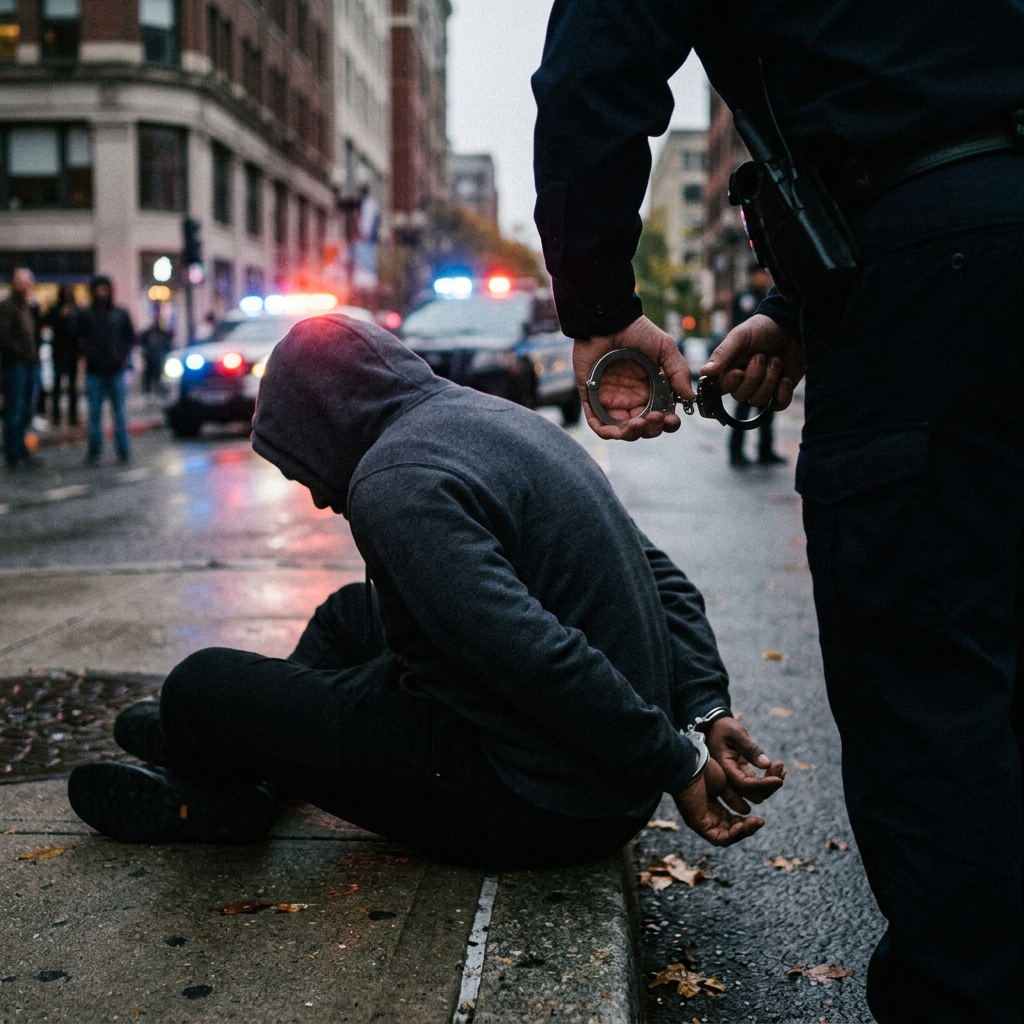
Police officers are authorized to use force in certain situations, but that authority is limited by the Constitution and by state and federal law. When officers use more force than the situation reasonably requires, they may be liable for excessive force, and the people harmed may have civil rights claims and a path to compensation.
What Excessive Force Means in Law Enforcement
Across U.S. law, excessive force generally describes any application of force beyond what a reasonable officer would believe is necessary to accomplish a lawful objective, such as an arrest or investigatory stop. In other words, the officer crosses the line from legitimate control into unconstitutional harm.
Key elements typically present in an excessive force situation include:
- The officer is acting in an official capacity (for example, during an arrest or traffic stop).
- Some level of physical force, restraints, or weapons are used against a person.
- The level or duration of that force is disproportionate to the threat or resistance involved.
Not every painful or upsetting encounter with police qualifies as excessive force. The question is whether the officer’s conduct was objectively unreasonable given what they knew at the time, not in hindsight.
Your Constitutional Protection Against Excessive Force
In most encounters, excessive force claims are analyzed under the Fourth Amendment, which protects people from unreasonable searches and seizures by government officials. An arrest, traffic stop, or investigatory detention is considered a “seizure” for Fourth Amendment purposes.
When someone alleges excessive force, courts look at whether the seizure was carried out in an objectively reasonable manner. This standard was established by the U.S. Supreme Court in Graham v. Connor, a landmark case on police use of force.
| Legal Concept | What It Means |
|---|---|
| Seizure | Any situation where police intentionally stop or restrain a person’s freedom of movement, such as arrests or traffic stops. |
| Objective reasonableness | The officer’s actions are judged from the perspective of a hypothetical reasonable officer on the scene, not based on perfect hindsight. |
| Excessive force | Force that exceeds what a reasonable officer would believe is necessary to gain compliance or address the threat in that specific incident. |
How Courts Decide if Force Was Excessive
Courts do not apply a rigid formula to determine excessive force. Instead, they weigh the totality of the circumstances and ask what a reasonable officer could have believed at the time. Important factors often include:
- Severity of the suspected offense
Officers may be allowed to use more force when they reasonably believe a serious felony has been committed than when the issue is a minor, nonviolent offense. - Immediate threat to safety
Whether the person appears to pose an immediate threat of harm to the officer or others is a central consideration in excessive force analysis. - Resistance or attempt to flee
Active resistance, fighting, or attempts to escape typically increase the level of force that may be justified. Passive or verbal resistance usually does not justify severe physical measures. - Availability of less intrusive options
If an officer had practical alternatives—including verbal commands, de-escalation, or less severe tools—but chose a more dangerous option without necessity, that may support an excessive force claim. - Duration and continued application of force
Force that might be justified at the start of an encounter can become excessive if it continues after a suspect is restrained or no longer a threat.
Because each incident is highly fact-specific, different courts may reach different conclusions on similar facts. Documentation and evidence therefore play a crucial role when someone challenges police conduct.
Examples of Conduct That May Count as Excessive Force
While every case depends on its unique circumstances, some patterns of officer behavior frequently appear in excessive force lawsuits and civil rights investigations.
- Physical violence against a subdued person
Striking, kicking, or otherwise assaulting someone who is already handcuffed, prone, or not resisting can be strong evidence of excessive force. - Unnecessary or prolonged use of weapons
Using Tasers, batons, chemical agents, or projectile weapons on individuals who pose little or no threat, or continuing to use these tools after compliance, may be unlawful. - Chokeholds and dangerous restraints
Applying chokeholds or restraint techniques that restrict breathing, especially where policies or local laws forbid them, is often cited as excessive force. - Unjustified discharge of firearms
Firing at an unarmed person who does not present an imminent risk of death or serious injury can violate the Fourth Amendment and related state laws. - Force used during wrongful or baseless arrests
When an arrest lacks legal justification—such as absence of probable cause—any force used in carrying out that arrest may be considered excessive. - Failure to intervene against another officer
Officers sometimes have a duty to step in when colleagues use obvious excessive force. Failure to do so can itself give rise to liability.
These examples illustrate the spectrum from less-lethal methods to deadly force. Importantly, even relatively minor actions—like overly tight handcuffing that causes injury—can support a claim when they go beyond what was reasonably necessary.
Reasonable Force vs. Excessive Force: Key Differences
It can be confusing to distinguish lawful force from misconduct, particularly in fast-moving situations. An officer is allowed to use reasonable force—the minimum level needed to achieve a legitimate law-enforcement goal, such as stopping an assault or safely completing an arrest.
Force may shift from reasonable to excessive when one or more of the following occurs:
- The person being restrained becomes compliant, yet force continues or escalates.
- The nature of the threat decreases, but the officer’s response does not.
- Force is used to punish, retaliate, or “teach a lesson” rather than to protect safety or carry out a lawful objective.
- The officer bypasses available non-force or lower-force options without valid reason.
Agencies and training academies often teach officers to escalate and de-escalate force in steps, beginning with presence and verbal commands, and only advancing to physical measures when necessary. Deviations from this graduated approach can be relevant when analyzing whether the force was excessive.
Legal Tools for Victims of Excessive Force
Individuals who have suffered harm from excessive police force may be able to pursue civil remedies and, in some cases, trigger internal or criminal investigations. A central legal mechanism is a civil rights lawsuit under 42 U.S.C. § 1983 (commonly called a “Section 1983” case).
Section 1983 allows people to sue state or local officers who, while acting under color of law, violate constitutional rights such as those protected by the Fourth Amendment. Depending on the case, a defendant may include:
- The individual officer or officers who used excessive force.
- A supervising officer who failed to intervene in obvious misconduct.
- In some circumstances, the municipality or agency, if its policies or practices contributed to the violation.
Claims involving federal law enforcement officers follow different routes and may rely on other legal theories, but the underlying question—whether force exceeded what was reasonable—remains central.
Possible Damages and Outcomes in Civil Rights Cases
When a civil rights claim succeeds, the person harmed may receive financial compensation and, in some instances, other forms of relief. Common categories of damages include:
- Medical costs for past and future treatment related to injuries caused by the excessive force.
- Lost income if the injuries prevented the person from working or diminished their future earning capacity.
- Pain and suffering and emotional distress associated with physical harm, psychological trauma, and loss of well-being.
- In appropriate cases, punitive damages intended to punish particularly egregious conduct and deter similar behavior in the future.
A court ruling or settlement can also lead to policy changes, training reforms, or revisions to departmental procedures, although those outcomes are typically negotiated on a case-by-case basis.
Steps to Take If You Believe Excessive Force Was Used
If you suspect that an officer used excessive force against you or someone close to you, the actions taken in the hours and days after the incident can significantly affect any future legal claim. While specific advice should come from an attorney, common steps include:
- Seek medical attention quickly
Getting prompt care both protects your health and creates records that document the nature and extent of your injuries. - Preserve physical and digital evidence
Photographs of bruises, cuts, or other visible injuries, damaged clothing or belongings, and any personal recordings can all help establish what occurred. - Identify and contact witnesses
Names, phone numbers, and brief notes about what witnesses saw can help your attorney later corroborate your account. - Obtain and review official records
Police reports, incident summaries, and, when available, body camera or dash camera footage may be crucial to understanding the officer’s version of events. - Consider filing an internal complaint
Submitting a formal complaint with the relevant department or oversight body creates an official record and may trigger an internal review. - Consult a civil rights or personal injury attorney
An experienced lawyer can assess whether the facts support an excessive force claim, explain deadlines, and represent you in negotiations or court.
Time limits—called statutes of limitations—apply to civil rights lawsuits and can vary by jurisdiction, so it is important to seek legal advice as soon as reasonably possible.
Frequently Asked Questions About Excessive Force
Is any use of force by police automatically excessive?
No. Police are permitted to use force that is reasonably necessary to carry out lawful duties, such as arrests, detentions, and protection of the public. The issue is not whether force was used at all, but whether the level, type, and duration of that force were justified under the circumstances.
Does verbal resistance or arguing with an officer justify physical force?
Generally, verbal criticism or non-threatening refusal to cooperate does not justify severe physical force. While officers can take lawful steps to control a situation, using physical violence as retaliation for speech or nonviolent resistance may support an excessive force claim.
Can an officer be responsible for another officer’s excessive force?
In some cases, yes. An officer may be held liable for failing to intervene when a colleague uses obvious excessive force, especially when the duty to prevent such misconduct is clear. This depends on the facts and local law but is a recognized basis for civil rights claims.
What if the officer reasonably believed I was dangerous but was mistaken?
Courts focus on what a reasonable officer could have believed at the time, not whether the threat later turned out to be real. If the belief in danger was not reasonable based on the available facts, the force may still be considered excessive, even if the officer claims they felt threatened.
Do I need serious physical injuries to bring an excessive force claim?
Serious injuries often strengthen a case and can increase available damages, but they are not strictly required. Even less visible harm—such as emotional distress or minor physical injury—can be relevant if the officer’s actions crossed the line of objective reasonableness.
References
- Excessive Force by Police & Related Legal Claims — Justia. 2023-05-01. https://www.justia.com/civil-rights/government-violations-of-civil-rights/excessive-force-by-police/
- Excessive force | Wex — Legal Information Institute, Cornell Law School. 2020-07-01. https://www.law.cornell.edu/wex/excessive_force
- Use of Force – Part I — Federal Law Enforcement Training Centers. 2021-03-15. https://www.fletc.gov/use-force-part-i
- Use of Force — Bureau of Justice Statistics, U.S. Department of Justice. 2018-11-01. https://bjs.ojp.gov/topics/law-enforcement/use-of-force
- Excessive Force and the Fourth Amendment: Supreme Court Jurisprudence — Congressional Research Service. 2019-06-10. https://www.congress.gov/crs-product/LSB11336
- Facts about Excessive Force by Law Enforcement in California — Haddad & Sherwin LLP. 2022-02-01. https://www.haddadandsherwin.com/excessive-force-law-enforcement-california-facts/
- When Is Police Use of Force Justified? How Officers Think — American Military University. 2023-04-01. https://www.amu.apus.edu/area-of-study/criminal-justice/resources/when-is-police-use-of-force-justified/
Similar Articles








Read full bio of Sneha Tete




