
Understanding DUI Penalties: A Practical Guide for Drivers
Clear, practical explanations of DUI penalties, consequences, and options so you can understand what’s at stake after an impaired driving charge.
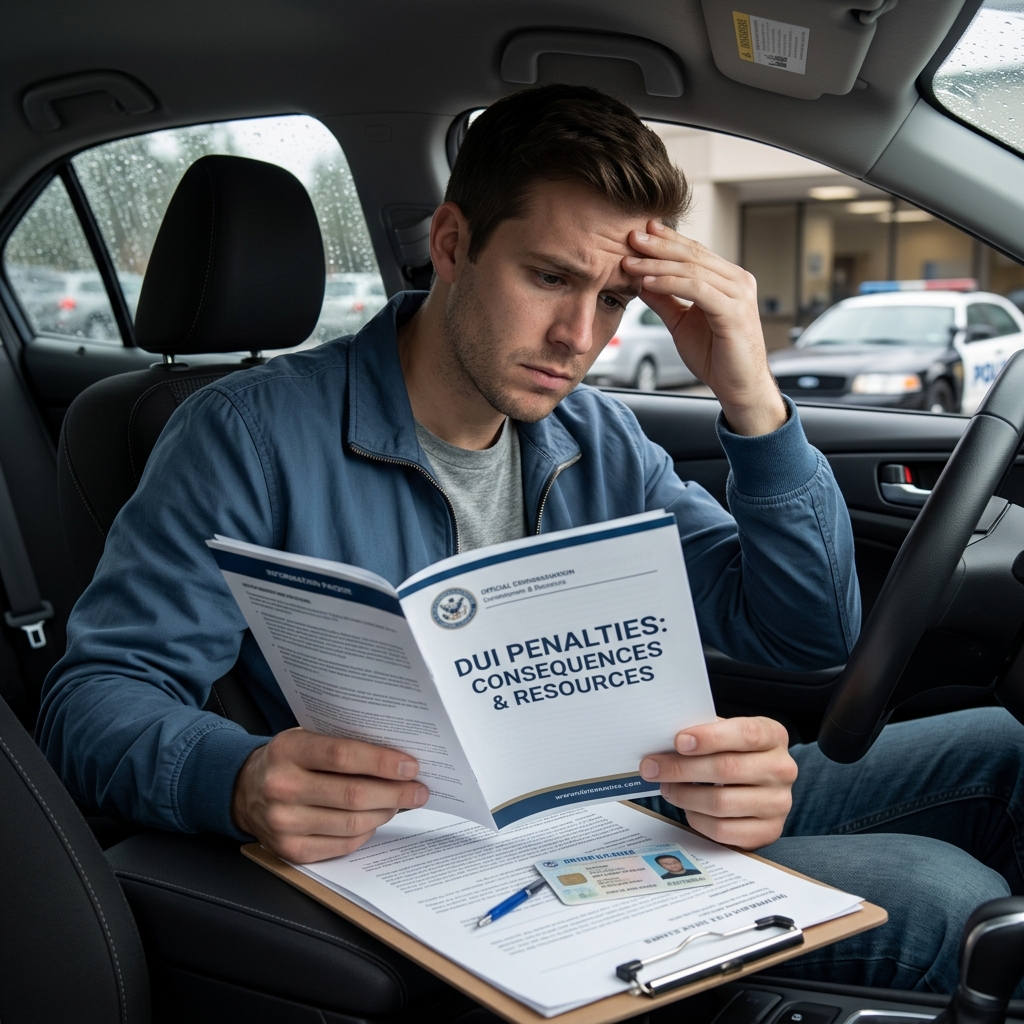
Driving under the influence (DUI) or driving while intoxicated (DWI) is treated as a serious offense in every U.S. state. Penalties range from fines and license suspension to jail or prison, and those consequences often grow more severe with each additional conviction. This guide explains how DUI penalties typically work, what factors can increase your punishment, and what practical steps you can take if you are facing an impaired driving charge.
What a DUI Charge Usually Means
Although terminology differs—some states use DUI, others DWI or similar terms—the underlying concept is the same: operating a vehicle while impaired by alcohol, drugs, or a combination of both. For most drivers age 21 or older in the United States, a blood alcohol concentration (BAC) of 0.08% or higher is unlawful. For drivers under 21, many states have stricter limits or zero-tolerance rules.
- Per se DUI laws: If your BAC is at or above the legal limit (usually 0.08%), you can be convicted even if your driving did not appear erratic.
- Impairment-based laws: You may still be charged if alcohol or drugs noticeably affect your ability to drive safely, even with a BAC below 0.08%.
- Underage drivers: Many states prohibit any detectable amount of alcohol for drivers under 21, leading to penalties even at very low BAC levels.
In addition to alcohol, many states also treat impairment from prescription medication, illegal drugs, and some over-the-counter substances as grounds for a DUI or related charge.
Common Types of DUI Penalties
Penalties for DUI generally fall into several categories: criminal punishment, loss of driving privileges, and collateral consequences such as higher insurance rates or employment problems. While exact penalty ranges vary by state, there are common themes.
Criminal Penalties: Jail or Prison
In most states, a first DUI conviction is classified as a misdemeanor, punishable by up to six months or a year in jail. Subsequent offenses or DUIs involving serious injury or death are more likely to be treated as felonies, which can mean years in state prison.
| Offense Level | Typical Classification | Approximate Custody Exposure |
|---|---|---|
| First DUI | Misdemeanor in most states | Up to 6–12 months in jail; some states use mandatory minimums measured in days. |
| Second DUI | Misdemeanor; sometimes elevated | Greater minimums, often from a few days to months of jail time. |
| Third+ DUI or injury-related DUI | Often felony in many states | Potential multi-year prison sentences, especially where there is serious bodily injury or death. |
Some states impose specific mandatory minimums even on first-time offenders. For instance, Ohio requires a 72-hour minimum jail sentence for a first offense, which can sometimes be satisfied by attending an approved education program.
Fines and Financial Costs
DUI convictions almost always involve substantial fines. In many states, a standard first conviction carries fines in the range of $500 to $2,000, with higher amounts for subsequent offenses or aggravating factors. Some states impose additional state surcharges or annual fees tied to maintaining driving privileges.
- First offense: commonly a fine of several hundred to a few thousand dollars.
- Second offense: higher fines, often into several thousands.
- Felony or injury-related DUI: fines can reach $10,000 or more in some jurisdictions.
Beyond the court-imposed fine, you may also face:
- Annual surcharges or administrative fees to keep your license.
- Costs for mandatory education or treatment programs.
- Vehicle towing and storage fees.
- Significant increases in auto insurance premiums or cancellation of coverage.
License Suspension and Restricted Driving
Loss of driving privileges is one of the most significant and immediate consequences of a DUI. Suspension can occur through the criminal court or through a separate administrative process handled by the state motor vehicle agency.
- Criminal suspension: Ordered as part of the sentence; typical ranges for a first conviction are several months, with longer periods for repeat offenses.
- Administrative License Revocation (ALR): In many states, refusing or failing a breath or blood test triggers an administrative suspension independent of the criminal case.
For example, some states impose an ALR suspension of around 90 to 180 days for a first test failure or refusal, and up to two years for repeat incidents. Other states may adopt similar timelines but with different exact durations.
Factors That Can Increase DUI Penalties
Certain facts surrounding a DUI can dramatically increase the severity of punishment, sometimes turning a misdemeanor into a felony or adding mandatory minimum jail time.
Previous DUI Convictions
One of the strongest predictors of penalty severity is the number of prior DUI convictions. States often treat second, third, and subsequent offenses much more harshly than first offenses.
- Second offense: longer jail terms, higher fines, and extended license suspensions.
- Third or subsequent offense: often treated as a felony, with the possibility of multi-year prison sentences.
High BAC or “Extreme” DUI
Some states have special categories for very high BAC levels (for example, 0.15% or 0.16% and above). A conviction with an extremely high BAC may carry mandatory jail time, longer license suspensions, and more stringent conditions such as extended ignition interlock requirements.
Injury, Death, or Property Damage
When a DUI incident causes serious injury or death, penalties often escalate to felonies, with considerable prison exposure and heavy fines. In addition to criminal consequences, drivers may face civil lawsuits for property damage or bodily injury.
Minors in the Vehicle
Driving while impaired with a child passenger can lead to separate charges, such as child endangerment, and add significant jail time, fines, and additional license suspension to the underlying DUI offense.
Refusing a Chemical Test
Under implied consent laws, drivers who refuse breath or blood testing after a lawful request often face automatic license suspensions. These administrative penalties can apply even if the criminal case ultimately results in a dismissal or reduced charge.
Administrative vs. Criminal DUI Actions
Understanding the difference between administrative and criminal actions is critical for anyone facing a DUI. These processes run on separate tracks and can affect your driving privileges and criminal record in different ways.
- Criminal case: Determines guilt or innocence of the DUI charge. Possible outcomes include jail or prison, fines, probation, and court-ordered license suspension.
- Administrative action: Handled by the motor vehicle agency, often triggered by test refusal or failure. May impose a license suspension regardless of how the criminal case is resolved.
In many states, you have a limited time—sometimes only a few days—to request a hearing to contest an administrative suspension. Failing to act within this window can mean automatic loss of your license for the full suspension period.
Practical Steps After a DUI Arrest
If you are arrested for DUI, the decisions you make in the days and weeks following can significantly affect your case outcome. While only a licensed attorney can provide specific legal advice, several general steps are commonly recommended.
- Track deadlines: Note any deadlines for requesting an administrative hearing and court dates. Missing these can lead to default suspensions or warrants.
- Consult legal counsel: A lawyer familiar with local DUI laws can explain potential consequences and defenses, including issues related to traffic stops, testing procedures, and the reliability of results.
- Document the incident: Write down your recollection of events, including what you drank or consumed, interactions with officers, and any witnesses who were present.
- Review insurance and employment impacts: Anticipate possible premium increases or job-related restrictions, especially if your work involves driving.
Collateral Consequences Beyond Court Penalties
A DUI conviction can affect your life long after fines are paid and license suspensions end. These collateral consequences can be financially and professionally significant.
- Auto insurance: Insurers may raise premiums sharply or cancel coverage because a DUI marks you as a high-risk driver.
- Employment: Jobs that involve driving, such as commercial driving or school transportation, may be closed to people with DUI convictions.
- Professional licensing: Certain professions may require disclosure of convictions, potentially affecting licensing or renewals.
- Travel restrictions: Some countries restrict entry for individuals with certain criminal convictions, including DUI, depending on severity.
Strategies to Reduce Future Risk
Preventing impaired driving is the most effective way to avoid DUI penalties. In addition to moral and safety considerations, the legal and financial consequences provide strong incentives to plan ahead.
- Use designated drivers or ride services: Arrange transportation before events where alcohol might be consumed.
- Understand local limits and laws: Learn your state’s BAC limits, implied consent rules, and penalties so you know what is at stake.
- Be cautious with medications: Many prescription and over-the-counter drugs can impair judgment or coordination when combined with alcohol.
- Monitor personal patterns: Repeated close calls or arrests signal a need for evaluation or treatment for substance use issues.
Quick Reference: Typical DUI Penalty Progression
While each state’s law is unique, the progression of penalties often follows a recognizable pattern.
- First DUI
- Misdemeanor in most states.
- Fine commonly between $500 and $2,000.
- Jail from a few days up to six months or a year, often with options for education programs.
- License suspension of several months to a year.
- Second DUI
- Higher mandatory jail time, with ranges from weeks to months.
- Significantly increased fines.
- Longer license suspension, sometimes multiple years.
- Third or Subsequent DUI
- Often treated as a felony.
- Exposure to multi-year prison sentences.
- Extended or indefinite license revocation in some jurisdictions.
FAQs About DUI Penalties
Is a first DUI always a misdemeanor?
In most states, a first-offense DUI is a misdemeanor. However, if the incident involves serious injury or death, or if there are unusual aggravating circumstances, it can be charged as a felony even for a first offense.
Can I lose my license even before I go to court?
Yes. Many states have administrative license revocation processes that suspend your driving privileges if you fail or refuse a chemical test, often starting shortly after arrest. This suspension is separate from whatever the criminal court may later impose.
Will a DUI conviction stay on my record permanently?
In many states, DUI convictions remain on your driving record and criminal history for years, and sometimes permanently. Some jurisdictions allow limited expungement or record sealing under specific conditions, but this varies widely.
Are penalties different for drivers under 21?
Yes. States often impose stricter limits on underage drivers, including lower or zero BAC thresholds and separate offenses for any detectable alcohol. Penalties can include license suspension, fines, and mandatory education programs.
Do I need an attorney for a DUI case?
Because DUI penalties can include jail, long-term license suspension, and significant financial consequences, many people choose to consult an attorney. A lawyer can evaluate the legality of the stop, testing procedures, and potential defenses, and help navigate both criminal and administrative processes.
References
- DUI and DWI Penalties: Jail, Fines, and License Suspension — Nolo. 2025-01-01. https://www.nolo.com/legal-encyclopedia/dui-or-dwi-punishments-penalties-30321.html
- Impaired Driving and Penalties – DUI/DWI — Texas Department of Transportation. 2024-01-01. https://www.txdot.gov/safety/driving-laws/impaired-driving.html
- DWI Laws and Consequences — Texas Impaired Driving Task Force. 2023-01-01. https://www.texasimpaireddrivingtaskforce.org/about/dwi-laws-and-consequences/
- Drunk Driving Laws and Penalties By State — Edgar Snyder & Associates. 2023-01-01. https://www.edgarsnyder.com/resources/drunk-driving-laws-by-state
- Criminal Status of State Drunken Driving Laws — National Conference of State Legislatures (NCSL). 2020-03-11. https://www.ncsl.org/transportation/criminal-status-of-state-drunken-driving-laws
- Drunk Driving in the United States — General background (referenced for legal BAC concepts). 2024-01-01. https://en.wikipedia.org/wiki/Drunk_driving_in_the_United_States
- State-by-State DUI Penalties — FindLaw. 2024-01-01. https://www.findlaw.com/dui/laws-resources/state-by-state-dui-penalties.html
Similar Articles








Read full bio of Sneha Tete




