
Disturbing The Peace: 5 Defenses, Penalties, And What To Do Now
A clear guide to disturbing the peace laws, common examples, penalties, and defenses people should know.
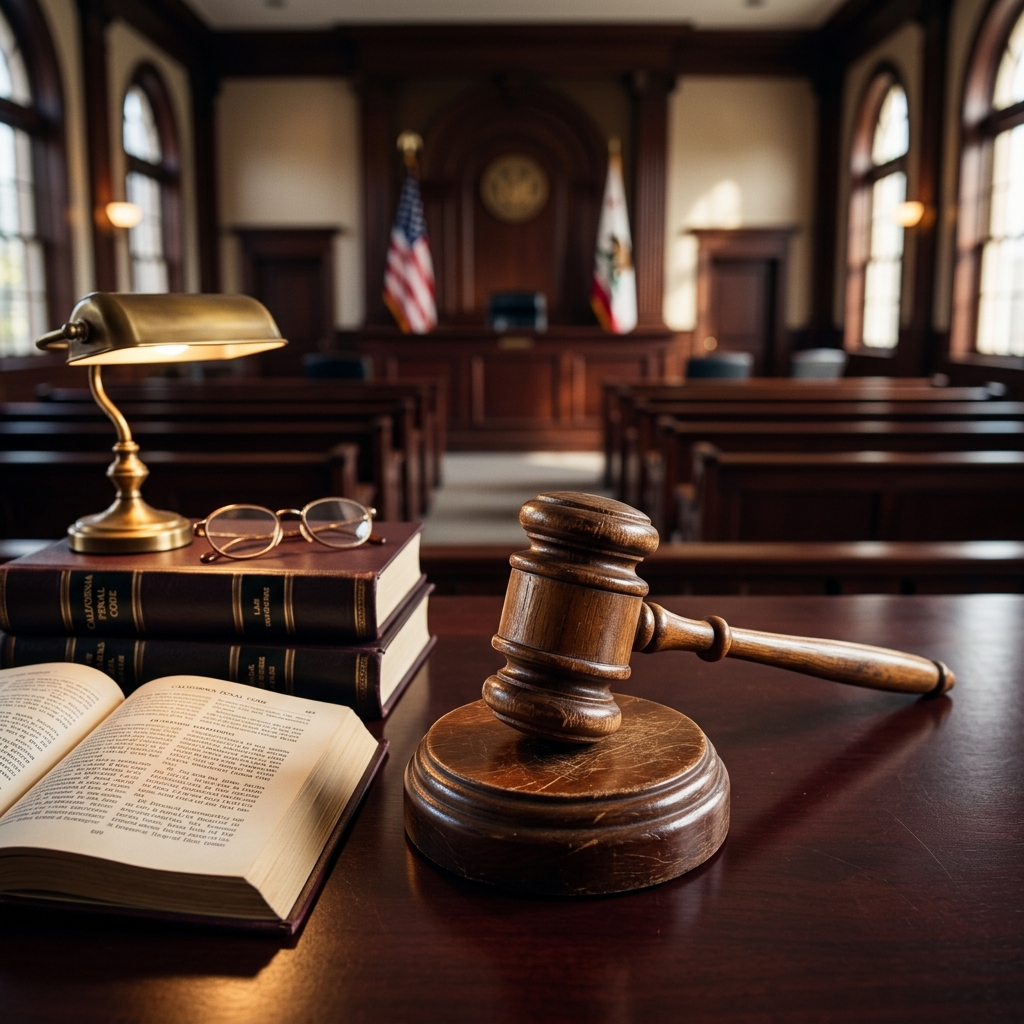
Disturbing the peace, often called breach of the peace or disorderly conduct, is one of the most commonly charged low-level crimes in the United States. Although these charges are usually misdemeanors, they can have lasting consequences, including a criminal record, fines, and sometimes jail time. This guide explains what disturbing the peace means, how different states treat it, what penalties you might face, and the defenses that may be available if you are charged.
What Does “Disturbing the Peace” Mean?
At its core, disturbing the peace laws are designed to protect the public’s right to tranquility and order in shared spaces. Instead of targeting serious violence or property crimes, these statutes focus on conduct that interferes with the sense of safety, quiet, or dignity that people reasonably expect in public or in their homes.
Although the exact wording differs from state to state, disturbing the peace typically involves:
- Unreasonable noise that disrupts others, such as exceptionally loud music or shouting late at night.
- Fighting or challenges to fight in public places.
- Threatening or abusive behavior that undermines public order.
- Offensive language or gestures likely to provoke violence, sometimes called “fighting words.”
- Disruptive conduct at sensitive events like funerals or memorial services.
Most statutes require that the behavior be intentional or willful, and that a reasonable person would find it disruptive or alarming.
How Disturbing the Peace Relates to Disorderly Conduct
In many jurisdictions, disturbing the peace is either defined as, or closely linked to, disorderly conduct. For example, Texas law treats a wide range of disruptive behaviors—such as loud noise, fighting, indecent exposure, and offensive gestures—as disorderly conduct that can disturb the public peace. New Jersey similarly treats disturbing the peace as a form of disorderly conduct when someone’s words or actions endanger the safety, health, or morals of others or disrupt the quiet of a neighborhood.
Because of this overlap, you may see both terms used in police reports and charging documents. In practice, they often describe similar factual scenarios: conduct that doesn’t rise to serious crime but still interferes with public order.
Common Behaviors That Can Lead to a Charge
Every state defines disturbing the peace differently, but there are recurring patterns. The examples below are drawn from statutes and case discussions across several jurisdictions.
- Public fighting or brawling
Engaging in a physical fight, throwing objects in a crowded area, or challenging someone to fight in a public place can support a disturbing the peace charge. - Loud or unusual noise
Playing extremely loud music at night, shouting or screaming in a residential area, or any loud, unusual noise that disrupts the peace of a neighborhood may be criminalized. - Threatening or tumultuous conduct
Threatening others, acting in a boisterous or tumultuous way, or creating a scene that alarms nearby people can fall under disturbing the peace. - Offensive words or gestures
Using profane or abusive language, or making offensive gestures in public, can lead to charges when those words or gestures are likely to provoke an immediate violent reaction and are not protected by free speech rules. - Misconduct involving weapons
In some states, firing a gun, displaying a firearm, or discharging a weapon in a public place in a way that alarms others is treated as disturbing the peace or disorderly conduct. - Interference with funerals or memorials
Specific statutes criminalize disturbing the dignity or reverent nature of funerals, memorial services, or funeral processions.
While trivial annoyance is not enough, conduct that any reasonable person would find disruptive or threatening can become the basis for a criminal charge.
State-by-State Variations
Because disturbing the peace is primarily a matter of state and local law, definitions and penalties vary significantly. The table below illustrates some differences using representative examples; it is not an exhaustive list.
| Jurisdiction | Core Definition (simplified) | Typical Penalties |
|---|---|---|
| California | Public fighting or challenging to fight; loud and unreasonable noise; offensive words likely to provoke violence. | Misdemeanor; up to about 3 months in jail and fines up to $400 in some cases. |
| Idaho | Maliciously and willfully disturbing peace or quiet by loud or unusual noise, tumultuous or offensive conduct, threats, fighting, firing guns, or vulgar language in presence of children. | Misdemeanor; punishable according to state law for misdemeanors. |
| Texas | Disorderly conduct that disturbs public peace, including loud noise, fighting, firearm display or discharge, indecent exposure, profane language, offensive gestures, and harmful odors. | Generally Class C misdemeanor (fine up to $500); can rise to Class B with up to 180 days in jail and higher fines when firearms are involved. |
| New Jersey | Words or actions that endanger safety, health, morals, or the peace and quiet of neighborhoods; often treated as disorderly persons offenses. | Possible fines up to $1,000 and up to six months in jail depending on classification. |
| Massachusetts | Intentional, unreasonably disruptive conduct that annoys or disturbs at least one person (e.g., loud noise, fighting, throwing objects). Offensive language alone is not enough unless it falls outside constitutional protection. | Misdemeanor; typically punished by a fine, with a potential criminal record upon conviction. |
Typical Penalties and Consequences
Disturbing the peace is often described as a “minor” offense, but the consequences can still be significant. Penalties depend on whether the charge is treated as an infraction, a misdemeanor, or, in rare cases, a felony.
Fines and Jail Time
- Infractions may lead to relatively small fines, commonly in the range of tens to a few hundred dollars.
- Misdemeanors can result in higher fines (sometimes up to $1,000 or more) and possible jail sentences from a few days to several months, depending on state law.
- Enhanced penalties can apply when weapons are involved, when the conduct occurs at schools or funerals, or when prior convictions exist.
For example, some resources describe typical fines for less serious disturbing the peace incidents as around $50–$200, with harsher cases leading to fines up to $1,000 and jail terms of several months or more.
Collateral Consequences
Beyond direct penalties, a conviction can carry additional consequences:
- Criminal record that can appear on background checks for employment, housing, or professional licensing.
- Probation conditions such as community service, restrictions on alcohol use, or requirements to avoid certain locations.
- Immigration impacts in some situations, particularly for noncitizens depending on the facts of the case and broader immigration law.
Because disturbing the peace is frequently charged alongside other offenses—such as public intoxication, trespass, or assault—the overall consequences can be more serious than the label of the charge might suggest.
Key Legal Elements Prosecutors Must Prove
While each statute is unique, several core elements recur in disturbing the peace cases. Understanding these elements can help you see where defenses may arise.
- Intent or willfulness
Most laws require that the defendant acted maliciously, willfully, or intentionally rather than by accident. - Unreasonable or extreme conduct
The behavior must go beyond ordinary annoyance and reach a level where a reasonable person would view it as disruptive or alarming. - Impact on others
Some statutes require proof that another person’s peace or quiet was actually disturbed or threatened. - Location
Statutes often specify that the conduct occurred in public, in a neighborhood, in the presence of children, or at a specific type of event such as a funeral. - Nature of the words or behavior
Where language is involved, courts consider whether it qualifies as unprotected “fighting words” or remains protected speech under the First Amendment.
Possible Defenses to Disturbing the Peace Charges
Anyone charged with disturbing the peace should speak with a qualified criminal defense lawyer for advice tailored to their situation. That said, several types of defenses appear frequently in these cases.
1. Lack of Intent or Willfulness
If the accused did not act intentionally or maliciously—such as an accidental noise or unintentional contact—this may undermine a required element of the offense.
2. Reasonableness of Conduct
Some cases turn on whether the conduct was truly unreasonable. If the behavior was brief, minor, or within normal expectations for the environment (for example, typical noise at a sporting event), the charge may be challenged on the grounds that the disturbance did not rise to the level contemplated by the statute.
3. Constitutional Protection of Speech
Where disturbing the peace allegations center on words alone, defense lawyers often argue that the speech was protected by the First Amendment. Courts distinguish between unprotected categories like true threats or “fighting words” and protected, though offensive, speech. If the prosecution cannot show that the language falls outside constitutional protection, a conviction may not stand.
4. Insufficient Evidence or Witness Issues
In many cases, the prosecution relies heavily on eyewitness testimony. Conflicting accounts, unreliable witnesses, or lack of corroborating evidence can all form the basis of a defense strategy.
5. Mistaken Identity or Self-Defense
When the alleged disturbance involves fighting or aggressive conduct, it may be possible to argue that the defendant was misidentified or that any physical actions were taken in lawful self-defense or defense of others.
Practical Tips If You Face a Disturbing the Peace Charge
Although every case is different, the following practical steps often help individuals protect their rights:
- Take the charge seriously even if it is “only” a misdemeanor. A conviction can have long-term consequences.
- Avoid discussing the incident with police or others without legal advice, as statements can be used against you.
- Document what happened as soon as possible, including names of witnesses, time and place, and any recordings or messages relevant to the event.
- Consult a criminal defense attorney who understands local laws on disturbing the peace or disorderly conduct.
Frequently Asked Questions (FAQs)
Is disturbing the peace a misdemeanor or an infraction?
In many states, disturbing the peace is charged as a misdemeanor, although some statutes allow it to be treated as an infraction in less serious situations. The classification affects both the potential penalties and how the offense appears on your record.
Can disturbing the peace ever be a felony?
Disturbing the peace is usually a low-level offense, but related conduct—such as using a weapon, causing serious injury, or committing the act in connection with other crimes—can lead to more serious charges. In some jurisdictions, certain aggravated forms of disorderly conduct or breach of the peace may be charged more severely, although this is less common.
Do I need a lawyer for a disturbing the peace case?
While some people choose to handle minor cases on their own, it is generally advisable to consult a lawyer. A defense attorney can explain local law, identify potential defenses, and help you understand whether options like diversion, plea negotiations, or trial might be appropriate for your situation.
How does disturbing the peace differ from public intoxication?
Public intoxication focuses on being under the influence in public in a way that may endanger yourself or others. Disturbing the peace focuses on conduct that disrupts public order or tranquility. However, they are often charged together when alcohol contributes to disruptive behavior.
Will a disturbing the peace conviction show up on background checks?
Yes, a conviction can appear on criminal background checks and may be considered by employers, landlords, or licensing boards, especially when evaluating reliability or behavior in public settings. In some jurisdictions, sealing or expungement may later be available, but eligibility and procedures vary by state.
References
- Disturbing the peace | Wex — Legal Information Institute, Cornell Law School. 2023-05-01. https://www.law.cornell.edu/wex/disturbing_the_peace
- Idaho Statutes §18-6409, Disturbing the peace — Idaho State Legislature. 2024-01-01. https://legislature.idaho.gov/statutesrules/idstat/title18/t18ch64/sect18-6409/
- California Penal Code §415 – Disturbing the Peace (summary) — Kann California Law. 2022-09-01. https://www.kannlawoffice.com/disturbing-peace.html
- Disturbing the Peace: Law and Penalties in Texas — The Law Office of Robert B. Isenberg. 2023-06-01. https://www.rbisenberg.com/faqs/disturbing-peace-law-penalties-texas/
- Disturbing the Peace — LawInfo. 2023-08-15. https://www.lawinfo.com/resources/criminal-defense/disturbing-the-peace/
- Defending Disturbing the Peace Charges in NJ — Villani & DeLuca, P.C. 2022-11-10. https://www.villanideluca.com/nj-lawyers-practice-areas/nj-criminal-defense-lawyers/common-criminal-offenses/nj-disorderly-conduct-lawyer/defending-disturbing-the-peace
- Disturbing the Peace — P. Donovan Law, Massachusetts Criminal Attorney. 2021-04-20. https://www.pdonovanlaw.com/disturbing-the-peace/
Similar Articles








Read full bio of Sneha Tete




