
Understanding Arrest Warrant Notices in the Mail
A practical guide to mailed arrest warrant notices, what they mean, common scams, and how to respond safely and strategically.
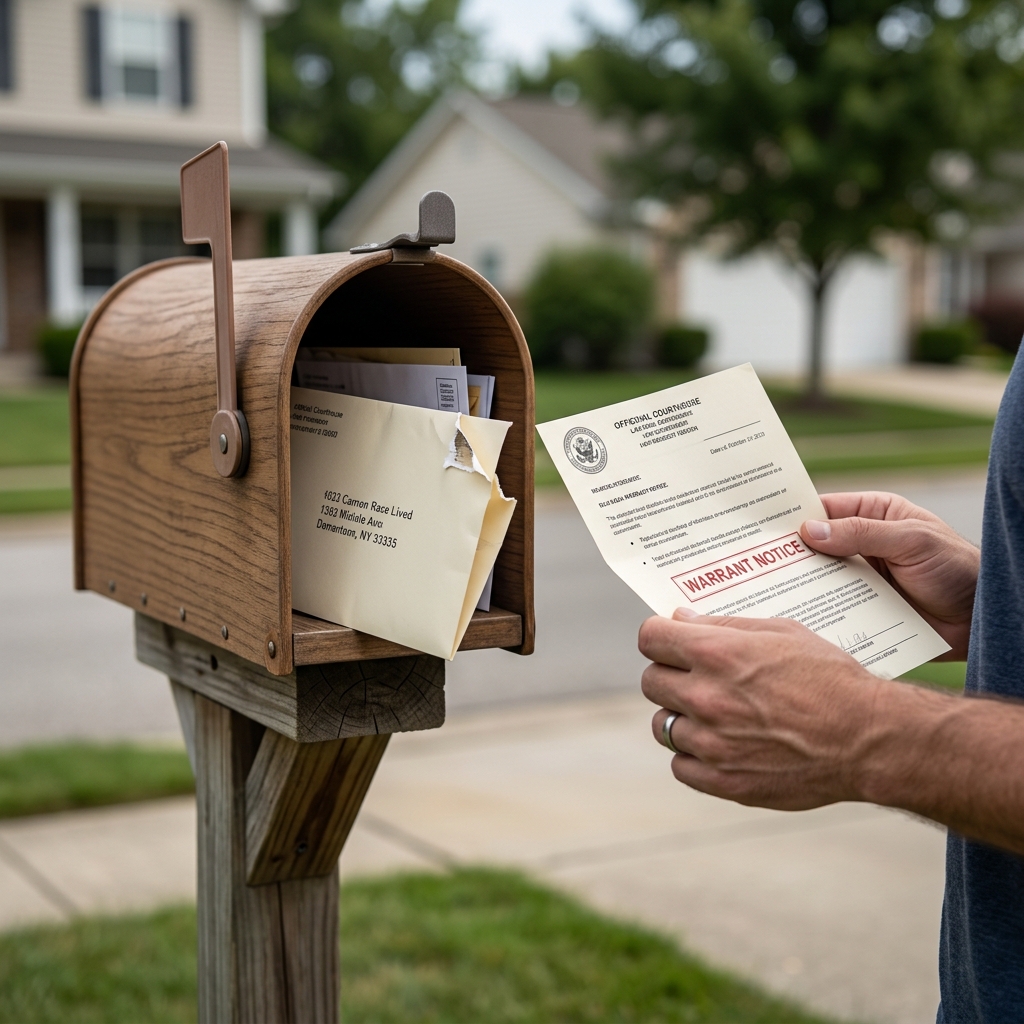
Opening your mailbox and finding a letter that says there is a warrant for your arrest is unsettling. Whether the notice looks official or confusing, your response in the next hours and days can strongly influence your legal situation and personal safety. This guide explains what these notices may mean, how valid warrants are typically handled, common scam patterns, and the practical steps you can take to protect your rights and limit potential damage.
What Is an Arrest Warrant?
An arrest warrant is a court order authorizing law enforcement to take a specific person into custody. In the United States, a judge or magistrate generally issues a warrant after finding probable cause that the person committed a crime or failed to obey a court order, such as appearing in court or paying a fine.
Key characteristics of a valid arrest warrant include:
- It is issued by a court or judicial officer with proper authority.
- It identifies the individual to be arrested.
- It typically specifies the underlying charge or reason for the arrest, such as failure to appear.
- It authorizes law enforcement to arrest the person and bring them before the court.
Warrants can arise in a variety of situations, for example when a prosecutor files criminal charges or when someone misses a required court appearance or fails to comply with a prior court order.
How People Usually Learn They Have a Warrant
In many jurisdictions, individuals learn about warrants through direct contact with law enforcement, court communications, or routine records checks. Some common scenarios include:
- Police contact: A routine traffic stop, call for service, or other encounter prompts officers to run a records check, revealing an outstanding warrant.
- Court or clerk notification: The court may send a notice about missed appearances, unpaid citations, or upcoming hearings, sometimes including information about a warrant.
- In-person service: For many warrants, especially serious ones, law enforcement attempts to locate and personally serve or arrest the individual.
Depending on the jurisdiction and type of case, you may also receive mailed notices related to your case or upcoming court dates, even if the warrant itself is not formally served by mail.
Can a Warrant Notice Arrive by Mail?
Different courts and municipalities follow different procedures. Some local courts send letters titled “Notification of Warrant” or similar language when someone fails to pay a citation or misses a scheduled court date. These notices are often designed to warn you that a warrant has been issued and give you a chance to resolve the matter by paying or appearing.
However, federal courts and many law enforcement agencies emphasize that actual service of a federal arrest warrant is not done by email, fax, or mail. A valid federal warrant is served in person by U.S. Marshals or other law enforcement officers. That distinction is important when evaluating any notice that arrives in your mailbox or inbox.
| Type of Notice | Common Delivery Method | Typical Purpose |
|---|---|---|
| Local “Notification of Warrant” letter | Postal mail from municipal or county court | Remind you that you failed to pay or appear and a warrant has been issued. |
| State or local court appearance notice | Postal mail or in-person service | Inform you of upcoming hearing, payment deadline, or status date. |
| Federal arrest warrant | In-person by U.S. Marshals or law enforcement | Authorize your arrest based on federal charges; not served by mail, email, or fax. |
| Scam “warrant” letter or email | Postal mail, email, phone calls, or messages | Impersonate officials to pressure payments or personal data; not a real warrant. |
Legitimate Reasons You Might Get a Warrant-Related Letter
If the letter really is from a court or law enforcement agency, common underlying issues include:
- Failure to appear in court: Missing a scheduled hearing for a traffic ticket, misdemeanor, or other case can trigger a bench warrant and a follow-up letter reminding you to pay or appear.
- Unpaid fines or citations: Municipalities sometimes issue notices after you fail to pay a traffic citation or local ordinance fine by the deadline. The letter may warn that a warrant exists and explain how you can resolve the citation.
- New criminal charges: A prosecutor may file charges and the court issues a warrant if you were not previously arrested on the case. Subsequent mail from the clerk might contain your case number, court date, or other information.
- Probation or supervision violations: Failing to comply with terms of probation, pay required fees, or appear for status dates may lead to a warrant and a notice from the court or probation department.
- Missed jury duty or similar obligations: Some jurisdictions issue warrants or sanctions for failing to respond to jury summons or other official notices; warning letters may follow.
Even when the letter is legitimate, the warrant itself may already exist. The purpose of the notice is often to prompt you to address the problem before you are arrested during a traffic stop or other encounter.
Red Flags That Suggest a Warrant Scam
Unfortunately, scammers frequently use fake warrant notices to frighten people into paying money or revealing personal information. Federal courts and law enforcement report ongoing schemes where criminals impersonate courts, marshals, or police to demand payment for supposed warrants.
Common warning signs include:
- Demand for immediate payment to avoid arrest: Messages insisting that you must pay a fine or “settlement” right now or officers will come to arrest you are a hallmark of fraud.
- Payment via wire transfer, gift cards, or cryptocurrency: Legitimate courts do not require fines to be paid through unconventional or anonymous payment channels.
- Threatening tone and pressure tactics: Scammers often use aggressive language, claim you will go to jail within hours, or threaten additional charges if you question them.
- Vague or incorrect agency identification: Fake documents may display generic logos such as “United States District Court” without specifying a location, or use made-up case numbers.
- Contact information that does not match official websites: Phone numbers or email addresses that cannot be verified through an official court or government website are suspicious.
Federal authorities emphasize that a valid federal warrant is not served by email, fax, or mail, and that anyone demanding money while impersonating a federal officer may face criminal penalties. Local sheriffs and police departments also warn the public about mailed or emailed letters falsely claiming that a warrant exists due to failure to appear in court.
First Steps If You Receive a Warrant Notice in the Mail
If you receive what appears to be a warrant notice, it is important to respond thoughtfully rather than react impulsively. Consider the following initial steps:
- Stay calm and read carefully: Do not ignore the letter, but also do not immediately call the number listed or send money. Read the document closely for details such as the issuing court, case number, and alleged reason.
- Check for obvious signs of fraud: Look for spelling errors, inconsistent agency names, unusual payment demands, or suspicious contact information as described above.
- Verify the issuing court or agency independently: Use official government websites or publicly listed phone numbers for the court clerk or law enforcement agency to confirm whether there is a case or warrant associated with your name.
- Avoid sharing personal or financial information: Do not provide bank details, Social Security numbers, or other sensitive data until you confirm the notice through official channels.
- Consult a criminal defense attorney: Before going to the police station or courthouse, many people benefit from speaking with an attorney who can explain local procedures and help plan a safe response.
Verifying Whether a Warrant Actually Exists
Determining whether there is a real warrant can be tricky, because practices vary by jurisdiction and some officials are cautious about disclosing warrant information over the phone. Nonetheless, you can take practical steps to confirm your status.
Contacting the Court Clerk
One common approach is to call the clerk of the court identified in the letter, using a phone number obtained from the court’s official website rather than the letter itself.
- Ask whether there is a case under your name and date of birth.
- Request information about any upcoming court dates or outstanding fines.
- Inquire whether a warrant has been issued and, if so, what options exist to address it.
Some county clerks will provide limited information, while others may refuse to discuss warrants for safety and policy reasons. In either case, the conversation can help clarify whether the letter corresponds to a real case.
Consulting an Attorney
A criminal defense lawyer can often verify warrant information through court systems, advise on local law enforcement practices, and help you decide whether and how to surrender. Attorneys are familiar with how judges handle voluntary appearances versus arrests and may negotiate conditions such as bond.
Using Official Law Enforcement Channels
For federal matters, you can contact the district clerk of court or the U.S. Marshals Service using information from official websites to confirm whether a warrant or case exists. You can also report suspected scams to the Federal Trade Commission or relevant law enforcement agencies.
Responding to a Legitimate Warrant
If you confirm that the warrant is real, ignoring it is rarely safe. Many people choose to proactively address the warrant to reduce the chance of being arrested unexpectedly.
Common Options
- Arranging a voluntary surrender: Turning yourself in at the courthouse handling your case or at a police station can sometimes lead to faster processing and may be viewed more favorably than being arrested during a traffic stop.
- Appearing in court with counsel: In some jurisdictions, if the warrant stems from a missed appearance or unpaid citation, the court may let you appear, pay fines, or reset the case and “quash” the warrant. A lawyer can explain whether this is possible.
- Addressing unpaid fines or citations: Courts may allow you to pay citations, post a cash bond, or obtain a new date to appear, especially when a warrant was issued for failure to pay or appear.
Regardless of the process, legal counsel can help you navigate bond issues, protect your right to remain silent, and avoid making incriminating statements while you resolve the warrant.
Protecting Your Rights When Dealing With Warrants
Whenever you interact with law enforcement or the court regarding a warrant, your constitutional rights remain important. Key protections include:
- Right to remain silent: If you turn yourself in or are arrested, you generally have the right not to answer questions about the alleged offense and to request an attorney before speaking.
- Right to counsel: In criminal cases, you are entitled to legal representation; if you cannot afford a lawyer, the court may appoint one.
- Right to a fair hearing: You have the right to appear before a judge, be informed of charges, and challenge the basis for the warrant or the underlying case through proper legal procedures.
Exercising these rights effectively often requires working with an experienced criminal defense attorney who understands local procedures and can guide you through each step.
Practical Tips to Avoid Future Warrant Problems
While some warrants arise unexpectedly, many are linked to missed deadlines or overlooked court notices. You can reduce the risk of future warrant issues with simple habits:
- Keep your mailing address updated with the court and Department of Motor Vehicles so you receive notices.
- Open and read all mail from courts, law enforcement, or government agencies promptly.
- Track court dates and payment deadlines in a calendar with reminders.
- Contact the court in advance if you cannot attend a scheduled hearing, rather than simply missing it.
- Seek legal advice early if you receive citations, summonses, or other official notices you do not understand.
FAQs About Arrest Warrant Notices in the Mail
1. Does a letter automatically mean I will be arrested?
No. A letter related to a warrant does not guarantee you will be arrested immediately. However, if a warrant exists, law enforcement may arrest you when they encounter you, such as during a traffic stop. The letter is often a warning that you should address the underlying issue before that happens.
2. Can I safely ignore a suspicious warrant letter?
You should not ignore any letter that appears to involve legal obligations. Instead, avoid contacting the number listed in the letter and independently verify with the court or a lawyer whether a real case or warrant exists. If it is a scam, you can report it to law enforcement or consumer protection agencies.
3. What if the letter says I missed court but I never got a notice?
Courts sometimes issue warrants when someone fails to appear, even if the person says they did not receive the original notice. In that situation, speak with a criminal defense attorney and contact the court to explain what happened and request a new date or other relief.
4. Should I call the police station to ask if I have a warrant?
Some law enforcement agencies may not disclose warrant information over the phone and may instead tell you to come to the station, which could lead to immediate arrest. Many people prefer to verify through the court clerk or an attorney, who can assess the safest way to obtain accurate information.
5. Is it ever legitimate for officials to ask for payment by phone or email?
Courts may allow you to pay fines online or by phone using official payment systems, but they do not typically demand payment through wire transfers, gift cards, or peer-to-peer apps with threats of immediate arrest. If payment instructions seem unusual or overly urgent, treat them as a potential scam and verify through official channels.
References
- WARNING: Arrest Warrant Scam — U.S. District Court for the Western District of Michigan. 2017-03-01. https://www.miwd.uscourts.gov/news/warning-arrest-warrant-scam
- If I Get a “Notification of Warrant” Letter, What Does It Mean? — Village of Evendale Police Department. 2020-01-01. https://www.evendaleohio.org/police/faq/if-i-get-%E2%80%9Cnotification-warrant%E2%80%9D-letter-what-does-mean
- What Should I Do if I Have a Warrant for My Arrest in Chicago? — Sexner & Associates LLC. 2021-04-15. https://sexner.com/blog/what-should-i-do-if-i-have-a-warrant-for-my-arrest-in-chicago/
- I Received a Felony Warrant Notice in the Mail — Jill Schaefer, L.L.C. 2016-05-27. https://www.jillcschaeferlaw.com/2016/05/27/i-received-a-felony-warrant-notice-in-the-mail
- SCAM ALERT: Fake Arrest Warrant Letters — Marion County Sheriff’s Office (Facebook post). 2017-10-26. https://www.facebook.com/MCSheriffOffice/posts/scam-alert-fake-arrest-warrant-lettersscammers-are-mailing-fake-letters-claiming/1108020561363083/
- Beware of Potential Email Scams Regarding Active Warrants — Amarillo Police Department (Facebook post). 2016-02-12. https://www.facebook.com/AmarilloPolice/posts/community-notice-beware-of-potential-email-scams-regarding-active-warrantsthe-ci/1063953835766747/
Similar Articles








Read full bio of medha deb




