
Suing for Abuse by Police or Prison Guards
A practical legal guide to civil rights claims arising from police brutality, jail misconduct, and abuse behind bars.
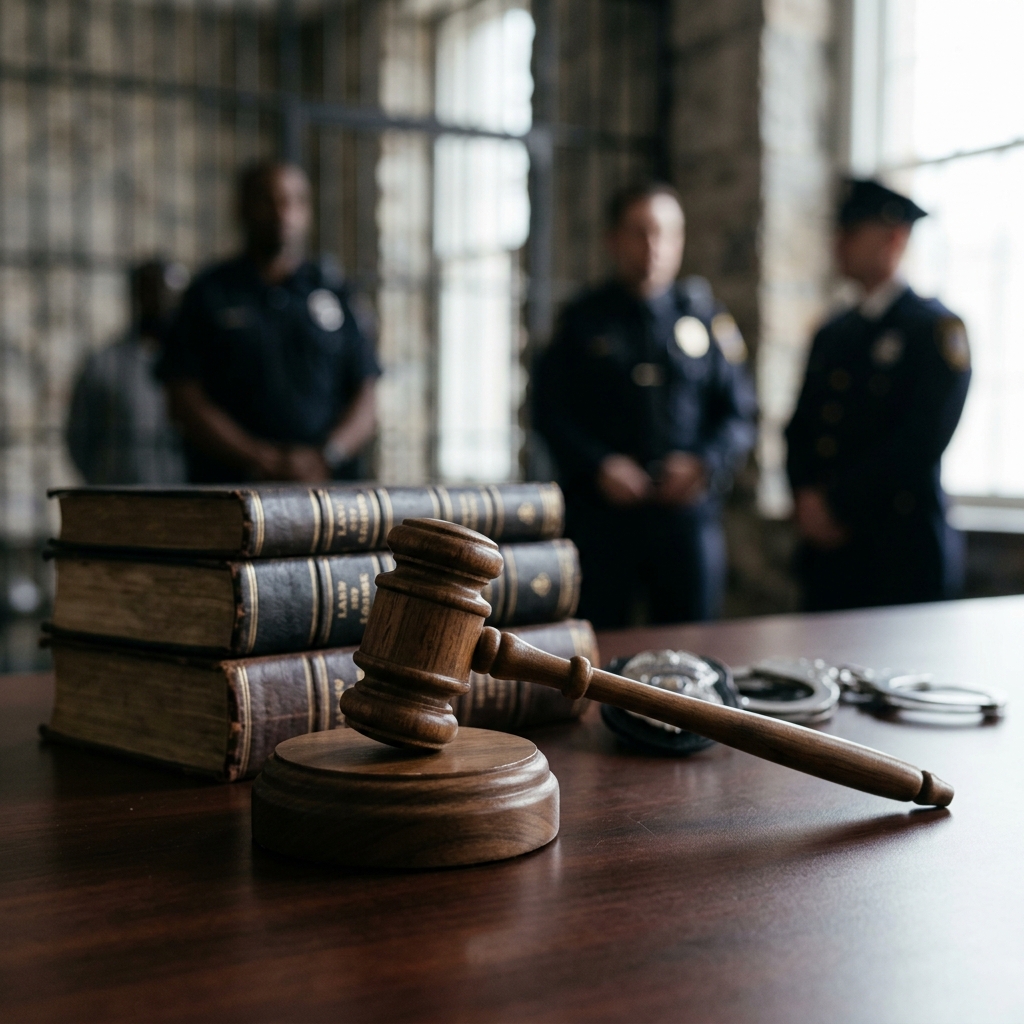
Abuse by police officers or correctional staff is not only immoral, it can be a serious violation of your constitutional civil rights. When law enforcement or prison guards use excessive force, deny necessary medical care, or subject people to inhumane conditions, victims may be able to sue for damages and other relief under federal law, particularly 42 U.S.C. § 1983, often called “Section 1983.”
This guide explains when abuse by police or prison guards can give rise to a lawsuit, the legal standards involved, the steps you must take before filing, and how to protect your case with strong evidence. It is informational and not legal advice; specific situations should always be reviewed with a qualified civil rights attorney.
Understanding Abuse by Police and Correctional Officers
Abuse can occur on the street during a stop or arrest, inside a local jail or county facility, in a state prison, or in federal custody. Civil rights law focuses on how government officials use their power and whether they cross legal boundaries to deprive you of rights protected by the U.S. Constitution or federal statutes.
Common Types of Misconduct
While every case is different, certain patterns of misconduct recur in civil rights litigation involving police departments and correctional institutions.
- Excessive force during arrest, transportation, or while in custody.
- Unlawful detention or false arrest without probable cause.
- Sexual assault or harassment by officers or staff.
- Failure to protect inmates from known threats by other prisoners.
- Deliberate indifference to serious medical needs, including ignoring obvious injuries.
- Conditions amounting to cruel and unusual punishment, such as extreme overcrowding, unsafe facilities, or intentional denial of basic necessities.
Misconduct becomes a civil rights violation when it is done by someone acting “under color of law,” meaning they are using or misusing power given by state or local government, such as a police badge or correctional officer authority.
Legal Foundations for Lawsuits
Most lawsuits for abuse by police or prison guards are brought under federal civil rights statutes, though state law claims (like assault, battery, or negligence) may be available as well.
Section 1983: The Core Federal Remedy
42 U.S.C. § 1983 allows individuals to sue any person who, under color of state law, deprives them of rights secured by the Constitution or federal law. It is frequently used against:
- Police officers and sheriffs
- Jail and prison guards
- Local governments and counties, in certain circumstances
Claims under Section 1983 commonly allege violations of:
- The Fourth Amendment (unreasonable search and seizure, excessive force).
- The Eighth Amendment (cruel and unusual punishment) for convicted prisoners.
- The Fourteenth Amendment (due process and equal protection), often invoked for pretrial detainees and for certain discrimination claims.
Color of Law and Federal Enforcement
Abuse committed while an officer is using official authority is known as a color of law violation. In addition to private lawsuits, the U.S. Department of Justice and the FBI investigate such violations and can bring criminal charges in serious cases, especially when the abuse results in severe injury or death.
| Concept | What It Means | Where It Commonly Applies |
|---|---|---|
| Excessive Force | Force beyond what is reasonably necessary under the circumstances. | Arrests, traffic stops, prison use-of-force incidents. |
| Deliberate Indifference | Knowing of a serious risk or medical need and consciously ignoring it. | Failure to provide medical care or protect inmates from harm. |
| False Arrest | Arrest without probable cause. | Street encounters, warrantless arrests, some jail bookings. |
| Cruel and Unusual Punishment | Conditions or treatment that are incompatible with contemporary standards of decency. | Prison and jail conditions, prolonged abuse or neglect. |
What Conduct Can Lead to a Civil Rights Claim?
Not every unpleasant interaction with police or correctional staff qualifies as a civil rights case. Courts look at whether the conduct violates specific legal standards and results in harm. Below are frequent bases for lawsuits.
Excessive or Unreasonable Force
Excessive force is one of the most litigated forms of abuse. Under the Fourth Amendment, force must be “objectively reasonable” in light of the severity of the suspected offense, whether the person poses an immediate threat, and whether they are resisting or fleeing.
- Unnecessary beatings when a person is already restrained.
- Use of chokeholds or restraints that cut off breathing.
- Striking or tasing individuals who pose little or no threat.
- Continuing to use force after a person is compliant or unconscious.
In custodial settings, force that is “malicious and sadistic” rather than used in good-faith effort to maintain discipline can violate the Eighth Amendment.
False Arrest, Unlawful Detention, and Malicious Prosecution
A false arrest occurs when officers detain or arrest someone without probable cause—meaning they lack facts that would lead a reasonable person to believe a crime has been committed.
Related claims include:
- Unlawful detention during traffic stops or street encounters.
- Malicious prosecution, where officers initiate charges without probable cause and with malice, and the case later ends in the victim’s favor.
Sexual Misconduct and Assault
Sexual assault or harassment by law enforcement or correctional staff is a grave civil rights violation. Because these officials wield immense power over detainees and inmates, any sexual activity can be coercive even if someone appears to consent.
Claims may allege violations of due process, equal protection, and cruel and unusual punishment, alongside state law claims such as assault, battery, or intentional infliction of emotional distress.
Failure to Protect and Dangerous Conditions
Officials responsible for jails and prisons must take reasonable steps to protect inmates from known risks of violence or serious harm. Civil rights claims can arise when:
- Staff ignore credible threats against an inmate.
- Housing decisions recklessly place vulnerable inmates with violent individuals.
- Security measures are grossly inadequate, leading to predictable assaults.
Conditions claims can also involve extreme overcrowding, unsanitary facilities, or lack of basic hygiene and safety measures, if they reach constitutional thresholds under the Eighth Amendment.
Denial of Medical Care
Courts recognize that prisoners and detainees rely entirely on the government for medical treatment. When officials know of a serious medical need—such as difficulty breathing, severe bleeding, or obvious mental health crises—and respond with indifference, they may be liable for violating constitutional rights.
- Refusing to provide urgently needed medical evaluation.
- Ignoring repeated requests for help after an injury.
- Failing to summon medical staff even when someone is visibly in distress.
Special Rules for Prisoners: Exhausting Internal Remedies
Individuals already in jail or prison face additional procedural hurdles before they can file federal lawsuits about abuse or conditions. The Prison Litigation Reform Act (PLRA) generally requires prisoners to exhaust all available administrative remedies within the facility before going to court.
What Exhaustion Means
Exhaustion typically requires inmates to use the facility’s grievance process according to its rules.
- Submitting grievances or complaint forms within deadlines.
- Appealing through all levels of the internal review system.
- Keeping copies or records of submissions when possible.
Failure to follow these steps can result in dismissal of a federal case, even when the underlying abuse is serious. Courts have consistently enforced exhaustion requirements unless the grievance process was genuinely unavailable.
Evidence: Building a Strong Civil Rights Case
Successful civil rights claims turn on proof. Because police departments, jails, and prisons control many of the relevant records and videos, acting quickly to preserve evidence can be crucial.
Types of Useful Evidence
- Witness statements from bystanders, cellmates, or other staff who saw or heard the incident.
- Medical records documenting injuries, diagnoses, and treatment.
- Photographs of bruises, cuts, or other physical signs of abuse.
- Body-worn camera and surveillance footage, including jail and prison camera recordings.
- Incident reports and disciplinary records created by the agency.
- Phone calls, text messages, and social media posts made in the aftermath of the event.
Preserving Time-Sensitive Records
Some agencies routinely overwrite video recordings within weeks. Lawyers often send a preservation letter demanding that the agency keep specified evidence, such as camera footage from a certain date and time. If you suspect abuse, contacting counsel quickly improves the chances that critical evidence will still exist when the case is pursued.
Relief You Can Seek in Civil Rights Lawsuits
Victims of police or prison abuse may seek several forms of relief in civil rights lawsuits. The specifics depend on the facts of the case, the jurisdiction, and the defendants involved.
Compensatory and Punitive Damages
Courts may award compensatory damages to cover harms such as physical injury, emotional distress, medical expenses, and lost wages. In especially egregious cases, punitive damages may be available to punish and deter intentional or reckless misconduct.
Injunctive and Declaratory Relief
Civil rights lawsuits can also seek injunctive relief, asking a court to order policy changes or stop ongoing abusive practices. This may include:
- Reforming use-of-force policies.
- Improving training and supervision.
- Changing medical care protocols.
- Altering housing or safety procedures in jails and prisons.
Declaratory relief—formal court statements that certain conduct is unlawful—can help shape future behavior by agencies and provide clarity on rights.
Attorney’s Fees
Many civil rights statutes allow successful plaintiffs to recover reasonable attorney’s fees from defendants, which helps make these cases possible even for individuals who could not otherwise afford litigation.
Beyond Lawsuits: Reporting Civil Rights Violations
In addition to private litigation, people can report possible civil rights violations to federal agencies. While this may not result in individual compensation, it can lead to investigations, systemic reforms, or enforcement actions.
Reporting to the U.S. Department of Justice
The Civil Rights Division of the U.S. Department of Justice provides an online form to report mistreatment by police, correctional staff, or other officials. After receiving a report, the Division may:
- Request more information.
- Open an investigation or mediation.
- Refer you to another agency or organization.
- Inform you if it cannot take action in your case.
Contacting the FBI
The FBI is the primary federal agency for investigating civil rights crimes, including color of law abuses. You can contact a local FBI office to provide details about:
- Police brutality or excessive force.
- Sexual misconduct by officials.
- Denial of rights while in custody.
Why Experienced Civil Rights Counsel Is Essential
Civil rights litigation against police departments or correctional institutions is complex. Defendants may raise immunities, procedural defenses, and technical arguments about constitutional standards. Because of this, victims are strongly encouraged to consult lawyers who focus on civil rights.
How a Lawyer Can Help
- Assess whether the misconduct meets legal standards for a civil rights claim.
- Identify all potential defendants, including individual officers and governmental entities.
- Navigate exhaustion requirements for inmates and filing deadlines (statutes of limitation).
- Gather and preserve evidence, including requesting agency records and video.
- Negotiate with government lawyers and litigate in federal or state court.
FAQs: Abuse by Police or Prison Guards
Can I sue if I was roughed up but did not suffer major injuries?
Minor injuries can still support a civil rights claim, particularly if the force used was clearly excessive or malicious. However, the amount of damages may be lower, and your attorney will weigh whether the case is practical to bring. Documentation of any physical or emotional impact remains important.
Do I have a case if I pleaded guilty to the underlying criminal charge?
A guilty plea does not automatically bar a civil rights claim. The key question is whether the abuse—such as excessive force or denial of medical care—violated constitutional standards. Some claims related to false arrest or malicious prosecution can be affected by a conviction or plea, so legal advice is crucial.
What if the abuse happened years ago?
Civil rights claims must be filed within applicable statutes of limitation, which vary by state and claim type. Once those deadlines pass, it can be very difficult or impossible to pursue relief. If you are unsure about timing, speak with counsel promptly.
Can I sue the city or county, not just individual officers?
Under Section 1983, municipalities can sometimes be liable when abuse stems from official policies, customs, or persistent practices—such as inadequate training or systematic tolerance of excessive force. These “Monell” claims are complex and should be evaluated by experienced counsel.
Is filing an internal complaint enough?
Internal complaints to police departments or correctional facilities can be valuable for documentation and potential discipline, but they are not a substitute for filing a civil lawsuit. If you are incarcerated, internal grievances may be required before you can sue, but they do not themselves provide compensation.
References
- Can I Sue for Abuse by Police or Prison Guards? — Super Lawyers. 2024-02-15. https://www.superlawyers.com/resources/civil-rights/can-i-sue-for-abuse-by-police-or-prison-guards/
- Examples of Civil Rights Violations by Police Officers — Abramson & Denenberg, P.C. 2023-07-12. https://abramsondenenberg.com/2023/07/examples-of-civil-rights-violations-by-police-officers/
- Understanding Police Misconduct and Civil Rights Violations — Haddad & Sherwin LLP. 2023-09-01. https://www.haddadandsherwin.com/understanding-police-misconduct-and-civil-rights-violations/
- Department of Justice Press Conference on Civil Rights Charges in Tyre Nichols Case — U.S. Department of Justice (video transcript via YouTube). 2023-09-12. https://www.youtube.com/watch?v=8QNRnZKPq5I
- Contact the Civil Rights Division — U.S. Department of Justice. 2023-11-20. https://civilrights.justice.gov/
- Civil Rights — Federal Bureau of Investigation. 2024-01-05. https://www.fbi.gov/investigate/civil-rights
- Deterring Prison Versus Police Civil Rights Violations — University of Miami Race & Social Justice Law Review. 2017-03-01. https://repository.law.miami.edu/cgi/viewcontent.cgi?article=1187&context=umrsjlr
Similar Articles








Read full bio of Sneha Tete




