
Protecting Your Land: Strategies Against Unauthorized Entry
Essential legal and practical steps to safeguard your property from trespassers, squatters, and unwanted intruders effectively.
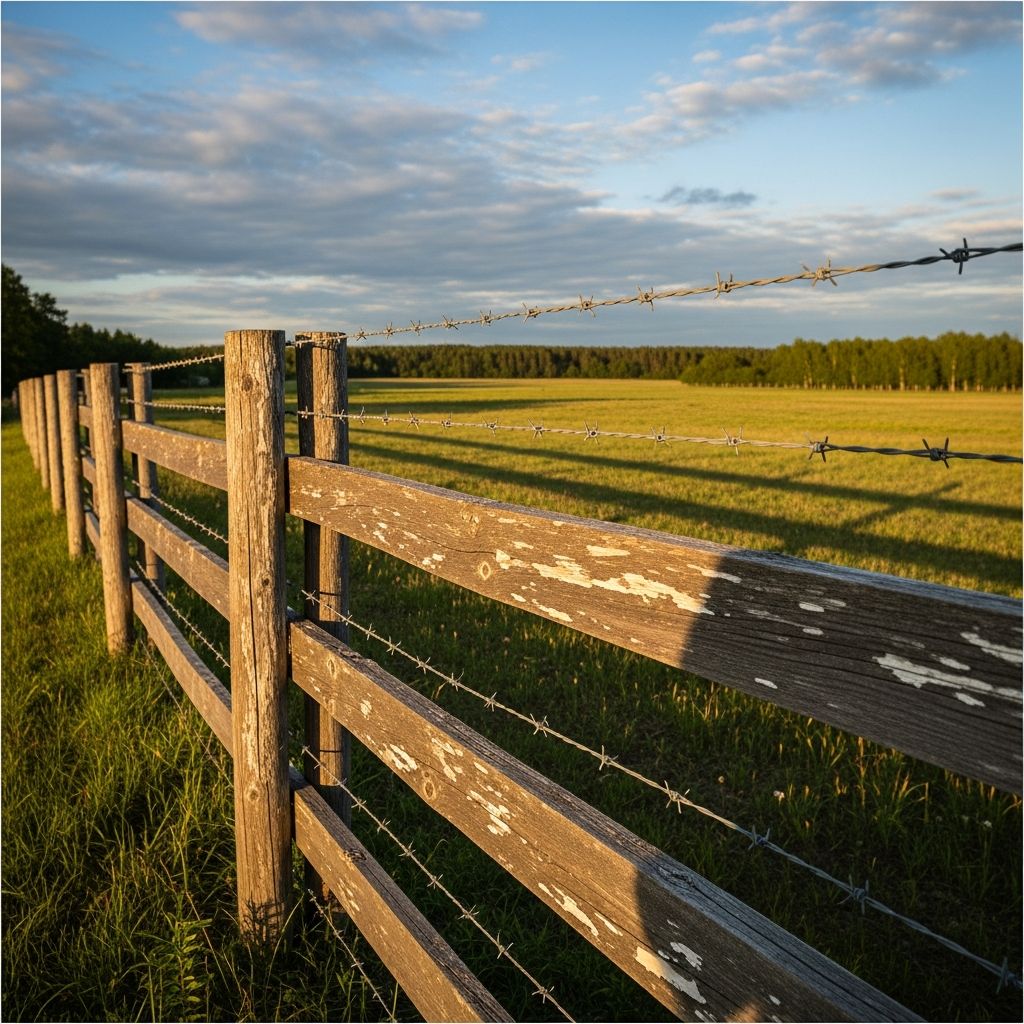
Property ownership brings the responsibility of maintaining boundaries and ensuring privacy. Unauthorized individuals entering private land pose risks ranging from minor disturbances to serious threats like vandalism or squatting. This guide explores practical and legal approaches to deter such intrusions, drawing on established methods to secure your territory effectively.
Understanding the Legal Framework of Trespassing
Trespassing laws differ across jurisdictions, forming the foundation for any defense strategy. In many states, entering or remaining on private property without permission constitutes a violation. For instance, Louisiana Revised Statute 14:63 defines criminal trespass as unauthorized entry or staying on another’s land, requiring notice from the owner for enforcement. Consequences can range from citations to arrests, depending on intent and prior warnings.
State variations are critical: some regions demand posted notices before prosecution, while others treat open land differently. Texas and Montana offer robust owner protections, potentially classifying violations as felonies for armed trespassers. Always verify local statutes, as they dictate signage requirements, notice methods, and police authority. Ignorance of these rules can weaken your position in disputes.
Establishing Clear Property Boundaries
Visible demarcation prevents accidental entries and strengthens legal claims. Well-marked lines leave little room for ‘I didn’t know’ defenses. Key methods include:
- Durable signage: Place ‘No Trespassing’ signs at access points, roadsides, and intervals meeting state specs—often every 500 feet or at corners.
- Boundary paint: Apply state-approved colors (e.g., international orange) on trees or posts along lines for remote areas.
- Gates and fences: Install sturdy barriers at entryways, ensuring locks and clear labeling.
- Cleared paths: Maintain visible lines through brush to highlight edges.
Annual renewal of markings ensures compliance, especially in wooded or rural settings. These steps not only deter but also satisfy legal prerequisites for action.
Physical Barriers: Your First Line of Defense
Impenetrable perimeters discourage opportunistic intruders. Fencing remains the gold standard, with options scaled to needs:
| Barrier Type | Best For | Pros | Cons |
|---|---|---|---|
| Chain-link or Wood Fence | Residential/Commercial | Affordable, visible deterrent | Climbable if low |
| Steel Security Doors/Screens | Buildings/Entrances | High durability, breach-resistant | Higher cost |
| Electric Fence (Inner Perimeter) | High-Risk Areas | Strong shock deterrent | Regulations vary; maintenance needed |
| Motion Lights/Gates | All Properties | Alerts activity, low cost | Requires power source |
Combine layers for maximum effect, like outer fences with inner electrics. Regular checks prevent breaches from weather or wear.
Leveraging Technology for Surveillance and Alerts
Modern tools provide real-time oversight without constant presence. Trail cameras at entry points capture evidence, with visible units deterring casual visitors. Smart systems elevate protection:
- Cellular cameras sending instant photos/videos to your phone.
- Remote smart locks for controlled access.
- Alarm systems notifying authorities directly.
- Motion-sensor floods startling intruders.
For vacant properties, adjust inspections to bi-weekly in vulnerable zones. Dummy cameras add cost-free deterrence. Evidence from these devices bolsters police reports and court cases.
Property Maintenance as a Deterrent Signal
Neglected land invites occupation. Regular upkeep signals active ownership:
- Mow lawns, trim brush to eliminate hiding spots.
- Remove debris, board vacant structures.
- Ensure utilities appear active where feasible.
- Schedule walkthroughs to check for signs of entry.
Initiatives like Shreveport’s code target dilapidated sites for swift removal, bypassing owner notice. A tidy appearance repels squatters seeking abandoned spots.
Responding to Active Trespassers: Step-by-Step Protocol
Discovery demands calm, documented action. Avoid direct confrontation to prevent escalation—let professionals handle risks.
- Assess safely: Observe from distance; note descriptions, vehicles, activities via camera.
- Issue notice: Verbal or written demand to leave, ideally witnessed or recorded.
- Call authorities: Provide details; file report even if intruder flees for record-building.
- Document everything: Photos, timestamps, prior incidents.
- Follow up: Seek trespass orders for repeaters.
For squatters overstaying (e.g., >5 days post-notice in Louisiana), pursue restraining orders. Police need proof of notice under statutes like RS 14:63.
Advanced Legal Tools and Remedies
When basics fail, escalate judicially. Restraining orders bar individuals without notice in urgent cases. Civil suits recover damages from harm caused. Hunting violation channels apply for seasonal issues.
Consult property attorneys for tailored advice—costs pale against prolonged disputes. Annual no-trespass registrations (e.g., LAMC §41.24) prosecute violators swiftly. Self-defense laws limit force; retreat if lawful unless threatened.
Special Focus: Combating Squatters and Holdovers
Squatters exploit vacancies, claiming residency. Prevention mirrors general tactics, with extras:
- Secure all entries with deadbolts, padlocks.
- Post against unlawful occupancy.
- Remote monitoring for quick detection.
New laws like Louisiana SB 466 (eff. 8/1/2024) define extended stays post-notice as trespass, enabling fast injunctions. Local codes aid police in uninhabitable structures. Eviction trumps criminal routes for long-term occupants.
Frequently Asked Questions (FAQs)
What should I do if I spot a trespasser?
Do not confront; document and call police immediately. Provide evidence for effective response.
Do I need signs to press charges?
Many states require conspicuous ‘No Trespassing’ postings or direct notice for criminal enforcement.
Can I use force against trespassers?
Limited to reasonable threat response; no duty to retreat if lawfully present, but avoid escalation.
How do I handle repeat offenders?
File for restraining orders or civil actions after police reports establish pattern.
Are cameras enough without fences?
They deter and provide proof but pair with barriers for comprehensive security.
Building a Comprehensive Security Plan
Integrate layers: legal knowledge, markings, barriers, tech, maintenance, response protocols. Rural owners prioritize signage and cameras; urban focus on fences, alarms. Budget for attorney consults yearly. Adapt to local risks—high-crime areas demand electrics, cameras.
Proactive owners rarely face invasions. Consistent application yields peace of mind and enforceable rights. Stay informed on law updates, like anti-squatter bills, for evolving defenses.
References
- Bill Amends Louisiana Law to Address Criminal Trespassing and Squatters — Safeguard Properties. 2024-08-01. https://safeguardproperties.com/bill-amends-louisiana-law-to-address-criminal-trespassing-and-squatters/
- Understanding Louisiana Trespassing Laws and Law Enforcement Authority on Private Property — Shreveport-Bossier Journal. 2025-03-04. https://shreveportbossierjournal.com/2025/03/04/understanding-louisiana-trespassing-laws-and-law-enforcement-authority-on-private-property/
- What to Do If Someone Is Trespassing on Your Property — Mossy Oak Properties. N/A. https://www.mossyoakproperties.com/what-to-do-someone-trespassing-your-property/
- Expert Tips: Preventing Trespassing on Your Property — BFP Management Inc. N/A. https://bfpminc.com/do-trespassers-know-theyre-not-welcomed-on-your-property/
- How to Prevent Trespassing on Commercial Property — AMAROK. N/A. https://amarok.com/blog/how-to-prevent-trespassing-on-commercial-property/
- RS 14:19 – Louisiana Laws — Louisiana State Legislature. N/A. https://www.legis.la.gov/legis/Law.aspx?d=78336
Similar Articles








Read full bio of Sneha Tete


