
When Your New Home Starts to Settle: Legal Risks & Owner Duties
Understand how normal settling differs from serious structural problems, and what every homeowner must do legally and practically to stay protected.
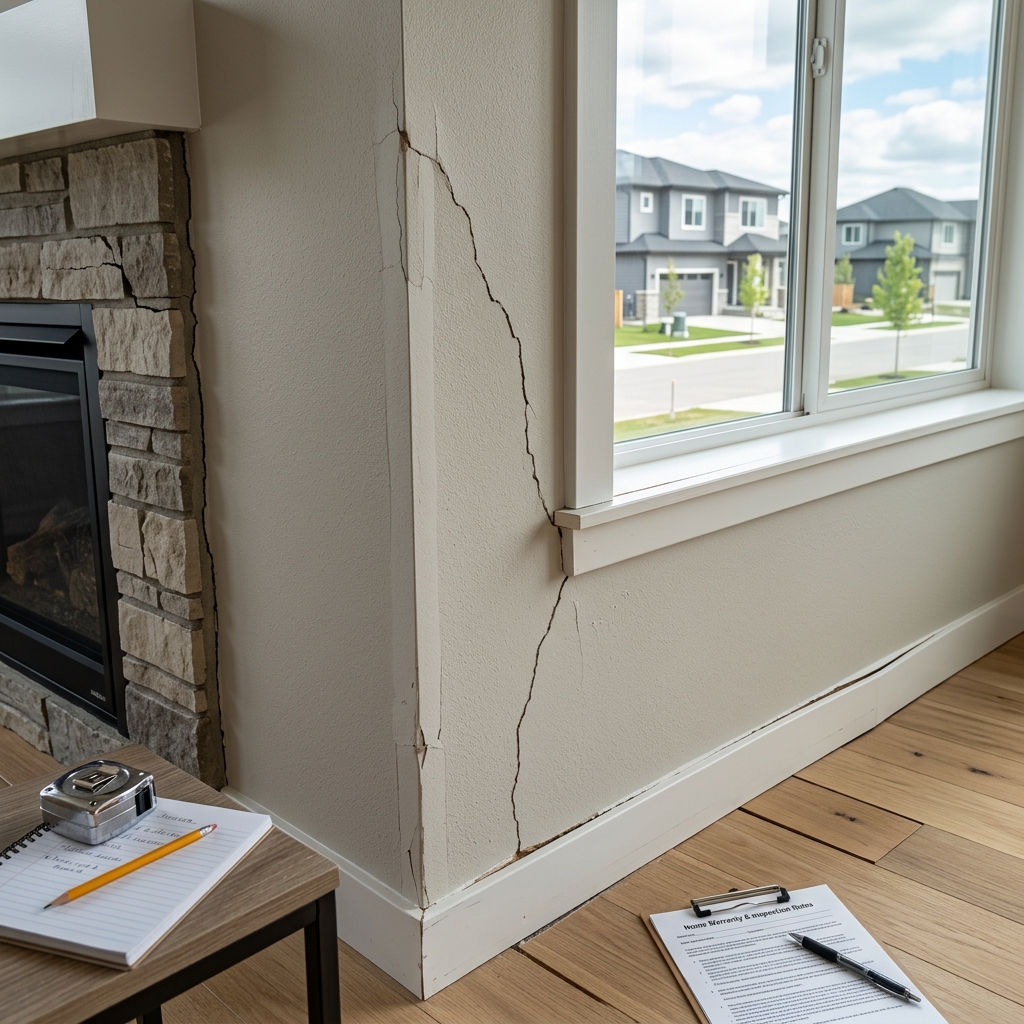
Most homes experience some degree of settling as soil compresses, moisture levels change, and building materials adjust over time. Mild settling is usually harmless. Significant movement, however, can create cracks, uneven floors, or even structural instability that affects safety, property value, and legal responsibility. Understanding the difference between normal settling and serious defects is essential for both buyers and sellers.
Understanding Home Settling vs. Structural Damage
Settling describes the gradual downward movement of a building into the soil beneath it. This process is influenced by the type of foundation, the quality of construction, and the characteristics of the underlying soil.
Typical Signs of Normal Settling
Small cosmetic changes often appear in most houses and do not automatically indicate a serious problem. Homeowners frequently notice:
- Hairline cracks in interior drywall or plaster, especially above doors and windows
- Slight gaps where baseboards meet floors or walls
- Minor doors or windows that stick when humidity changes
- Small separations in caulking around trim or countertops
These issues usually relate to material shrinkage and slight movement rather than structural failure. A qualified inspector or structural engineer can help determine whether repairs are routine or a symptom of deeper issues.
Warning Signs of Potential Structural Problems
More severe symptoms may suggest foundation movement or structural defects that could impact the habitability and safety of the property. Common warning signs include:
- Large, diagonal cracks extending from corners of doors or windows
- Visible stair-step cracks in brick or block exterior walls
- Floors that noticeably slope or feel uneven when walking
- Doors and windows that can no longer close properly even after adjustments
- Gaps between walls and ceilings or separation at the roofline
- Basement walls bowing inward or showing significant cracks
When these conditions appear, the problem may go beyond typical settling and can trigger legal questions about disclosure, warranties, and responsibility for repairs.
How Soil and Construction Affect Settling
Home settling rarely has a single cause. Instead, it results from combined factors related to the land and the construction methods used.
Soil Conditions and Foundation Performance
Local soil conditions heavily influence how a home settles. For example, clay soils can expand when wet and shrink when dry, causing cyclical movement that affects foundations. Sandier soils may drain well but can shift if not properly compacted before construction.
Guidance from the United States Geological Survey (USGS) and similar agencies points out that expansive soils are a major cause of structural problems, especially where builders do not adequately account for moisture changes during site preparation.
Construction Quality and Building Codes
Foundation design, reinforcement, drainage, and adherence to local building codes play a crucial role in how a structure withstands settling forces. Building codes are adopted and enforced by state and local governments, often based on model standards such as the International Residential Code, and are intended to ensure minimum safety levels.
If a builder fails to meet code requirements or uses substandard construction practices, the resulting defects can lead to legal liability. Buyers who discover serious problems may pursue claims under contract law, negligence, or consumer protection statutes, depending on their jurisdiction.
Buyer Protections: Inspections, Disclosures, and Warranties
When a home is bought and later shows serious settling issues, the first question is often whether the seller or builder should have disclosed the problem. Several legal mechanisms provide protections for buyers when property defects are involved.
Role of Home Inspections
Professional home inspections are a core part of the purchase process. Inspectors visually evaluate components such as the foundation, structure, roof, plumbing, and electrical systems to identify defects or safety concerns. Many states recommend or strongly encourage buyers to obtain an inspection before closing, and lending institutions often rely on inspection results in underwriting decisions.
Inspections are usually limited to visible and accessible areas. Hidden defects, especially those inside walls or below grade, may not be discovered. As a result, inspection reports often contain disclaimers and cannot guarantee that no defects exist; they simply document what was observed at the time of inspection.
Seller Disclosure Requirements
Most U.S. states require residential sellers to disclose known material defects that could affect the value or safety of the property, such as foundation issues, water intrusion, or prior structural repairs. “Known” usually means the seller has actual knowledge of the condition, not just suspicion.
Typical disclosure obligations may cover:
- Existing foundation cracks or structural repairs
- History of flooding, drainage problems, or chronic moisture
- Known soil or grading issues that impact stability
- Pending or past lawsuits or insurance claims related to structural damage
Failure to disclose known significant defects can lead to claims for misrepresentation or fraud. Buyers might seek reimbursement for repair costs, a reduction in purchase price, or, in rare circumstances, rescission of the sale.
Builder and New-Home Warranties
Many newly constructed homes are sold with express warranties that cover major structural elements for a defined period, often 10 years, while shorter coverage applies to workmanship and systems like plumbing and electrical. Structural warranties typically address defects in foundation, load-bearing walls, and framing that materially affect safety or habitability.
In addition to contractual warranties, some states recognize implied warranties of habitability or good workmanship in the sale of new homes. These implied protections may apply even if not written into the contract and can hold builders responsible for latent defects discovered after purchase.
Homeowner Responsibilities Once Settling Appears
After closing, the homeowner assumes primary responsibility for managing and maintaining the property. When settling issues arise, prompt and reasonable action is important both to preserve property value and to protect legal rights.
Duty to Maintain and Prevent Further Damage
Homeowners generally have an obligation to maintain their property and prevent deterioration where reasonably possible. This includes dealing with drainage, keeping gutters and downspouts clear, managing vegetation near the foundation, and repairing minor problems before they worsen.
Legal and educational resources emphasize that failure to perform basic maintenance can reduce options for legal relief. If a court determines that an owner allowed damage to worsen through neglect, it may limit the recovery of repair costs.
Steps to Take When You Notice Serious Settling
When more serious signs of distress appear, a structured response helps protect both safety and legal interests:
- Document the changes with dated photographs, videos, and notes describing the location and size of cracks or separations.
- Consult a qualified professional, such as a structural engineer or experienced foundation contractor, to evaluate the severity and recommend repairs.
- Review your purchase documents, including inspection reports, sales contract, and any builder warranties, to identify potential coverage or representations.
- Notify relevant parties promptly, such as the builder, warranty provider, or seller, if the defect may be covered under a warranty or disclosure obligation.
- Contact your insurer to determine whether the damage might fall under your homeowners policy, understanding that many policies exclude damage caused by earth movement.
Insurance and Financial Implications
Significant settling and structural damage can be expensive to repair. Understanding how insurance and financing obligations interact with these problems can help owners plan responses.
Homeowners Insurance Limitations
Standard homeowners policies generally cover sudden and accidental damage caused by specific perils, such as fire or certain types of water damage, but often exclude losses caused directly by settling, cracking, or earth movement. The exclusion means many foundation repairs will be out-of-pocket unless additional coverage was purchased.
In some cases, damage caused by a covered peril that leads to structural problems may be partially reimbursed. For example, a burst pipe or severe storm that undermines soil support might be treated differently than gradual settling. Policy language varies widely, so owners should review exclusions and endorsements carefully.
Impact on Property Value and Financing
Substantial structural damage can reduce market value, make the home harder to sell, or interfere with refinancing. Lenders may require repairs before approving a new loan or may adjust appraised value to reflect defects.
Owners planning to sell must balance disclosure obligations and repair strategies. In some markets, providing engineering reports and evidence of professionally completed repairs can help regain buyer confidence.
Legal Responsibilities of Sellers When Problems Exist
For homeowners who discover settling issues and later decide to sell, legal responsibility centers on honest disclosure and compliance with applicable law.
Disclosing Past and Present Structural Repairs
Sellers typically must disclose significant past repairs and current known defects, even if the repairs appear to have resolved the issue. Relevant information can include:
- Dates and contractors involved in foundation or structural work
- Copies of engineering reports or repair plans
- Warranties or guarantees related to completed work
- Any recurring problems, such as new cracks after previous repairs
Disclosure forms vary by state, but failure to answer truthfully or completely can lead to liability. Courts have recognized buyer claims where sellers concealed material information about foundation defects and serious settling problems.
As-Is Sales and Their Limits
Some homes are sold “as is,” meaning the seller offers no promise to make repairs. However, an as-is clause does not generally allow a seller to hide known defects or commit fraud. Many states still require truthful disclosure of material conditions despite as-is language.
Buyers of as-is properties should be especially diligent in inspections and may want specialized evaluations of foundations, drainage, and soil conditions.
Working With Professionals: Engineers, Lawyers, and Contractors
Because settling and structural disputes blend technical and legal issues, homeowners often benefit from targeted professional help.
Structural Engineers and Geotechnical Experts
Engineers can assess whether movement is ongoing, whether the structure is safe, and what repairs are required. They may recommend solutions such as underpinning, pier installation, drainage improvements, or soil stabilization.
Reports from licensed engineers carry significant weight with insurers, courts, and buyers. When litigation arises, these professionals often serve as expert witnesses to explain technical findings.
Real Estate and Construction Lawyers
Legal advice may be necessary when defects are severe, costs are substantial, or parties disagree about responsibility. Lawyers can:
- Interpret contracts, warranties, and disclosure laws
- Evaluate potential claims against builders, sellers, or insurers
- Help negotiate settlements or repair agreements
- Represent homeowners in mediation, arbitration, or court proceedings
Many disputes resolve through negotiation once the technical situation is clearly documented and the applicable legal standards are understood.
Practical Comparison: Normal Settling vs. Legal-Level Defects
| Aspect | Typical Settling | Potential Legal Issue |
|---|---|---|
| Cracks in Walls | Hairline, easily patched, stable over time | Wide, growing, diagonal or stair-step patterns |
| Floor Level | Slight unevenness not easily noticed | Visible sloping or tripping hazard; furniture tilts |
| Doors & Windows | Occasional sticking with seasonal changes | Persistent misalignment, cannot latch or lock properly |
| Foundation | No significant visible cracking or movement | Major cracks, bowing walls, shifting footings |
| Legal Risk | Usually minimal; treated as normal wear | Possible claims involving disclosure, warranties, or negligence |
Frequently Asked Questions
Is all settling considered a defect?
No. Every house settles to some degree, and minor cracking or cosmetic changes are usually expected. Only significant movement that affects structural integrity, safety, or habitability typically rises to the level of a defect that might have legal and financial consequences.
Can I sue the seller if I find major foundation problems after closing?
It depends on whether the seller knew about the issue, what was disclosed, the language of the contract, and the laws in your state. Buyers sometimes pursue claims for misrepresentation or nondisclosure if they can show the seller concealed known structural defects. A local attorney can evaluate your specific situation.
Will my homeowners insurance pay for settling damage?
Most standard homeowners policies exclude coverage for damage caused directly by settling, cracking, or earth movement. However, if a covered peril contributed to the damage, some costs might be reimbursable. Always review your policy language and speak with your insurer for clarification.
How quickly should I act if I see significant cracks or movement?
Act promptly. Document the changes, schedule an evaluation with an engineer or qualified contractor, and review your purchase documents and warranties. Delays can allow problems to worsen and may weaken potential legal claims or insurance arguments by suggesting inadequate maintenance.
Does selling a home “as is” protect me from all liability?
No. As-is language does not normally permit hiding known material defects or fraudulent behavior. Many states still require sellers to answer disclosure questions honestly and can impose liability if a buyer proves that critical information about structural problems was withheld.
References
- Expansive Soils — United States Geological Survey. 2014-04-24. https://www.usgs.gov/special-topics/water-science-school/science/expansive-soils
- Building Codes and Standards — National Institute of Standards and Technology. 2021-06-15. https://www.nist.gov/topics/buildings-and-construction/building-codes-and-standards
- Buying a Home — Maryland People’s Law Library. 2023-07-10. https://www.peoples-law.org/buying-home
- Homeowner Rights and Responsibilities — Northwestern Pritzker School of Law Homeowner Education Project. 2022-03-01. https://homeowner-education.law.northwestern.edu/module2/
- What Are My Rights as a Homeowner? — FindLaw. 2022-05-18. https://www.findlaw.com/realestate/land-use-laws/what-are-my-rights-as-a-homeowner.html
- Frequently Asked Questions About Homeowners Insurance — National Association of Insurance Commissioners. 2023-02-20. https://content.naic.org/consumer/homeowners-insurance
Similar Articles








Read full bio of medha deb


