
Micro Weddings: Intimate Celebrations With Big Impact
Discover how small guest lists, thoughtful details and smart planning turn micro weddings into unforgettable, high‑impact celebrations.
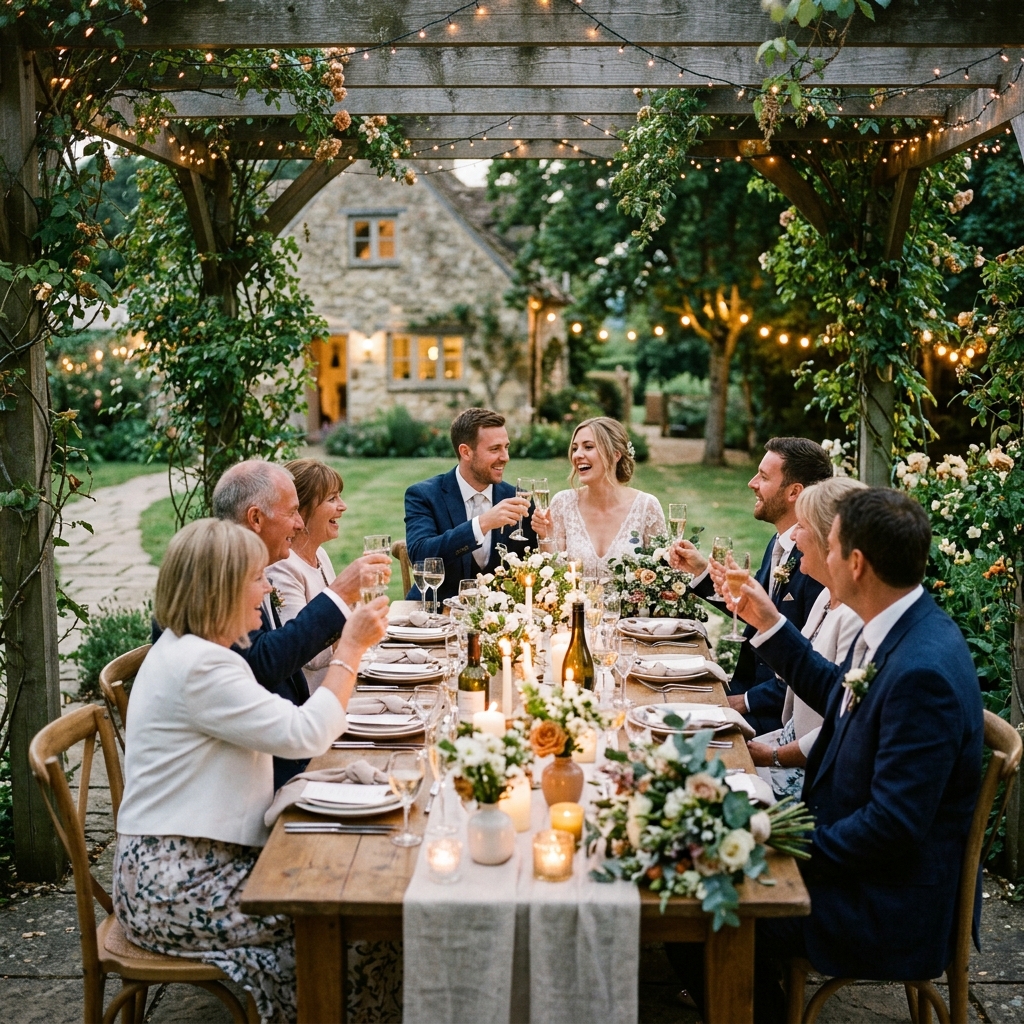
Micro weddings have transformed the way couples think about getting married. Instead of large, complex events with hundreds of guests, more people are choosing intimate celebrations that prioritize connection, experience and personal meaning. These smaller weddings can still feel luxurious and memorable while remaining easier to plan and more budget-conscious.
Understanding Micro Weddings
A micro wedding is generally a traditional wedding experience scaled down to a much smaller guest list, often around 20–50 people. It includes core elements such as a ceremony, meal and celebration, but with limited attendance and highly personalized details.
Key Characteristics of Micro Weddings
- Small guest count: Often capped around 50 guests, and sometimes far fewer.
- Full wedding format: Includes a ceremony, reception, and core traditions—just on a smaller scale.
- Emphasis on experience: Focus shifts from spectacle to meaningful moments and guest comfort.
- Intentional design: Décor, food and activities are chosen to reflect the couple’s story and values.
- Flexible locations: Private homes, gardens, architectural venues and destination sites are common.[10]
Unlike elopements, which may involve only the couple and officiant, micro weddings deliberately include a small circle of family and friends. They offer a middle ground between a traditional large wedding and a minimalist ceremony.
Why Micro Weddings Are On The Rise
The growth of micro weddings reflects broader cultural and economic trends. Couples are re‑evaluating what they truly want from the wedding day, often prioritizing authenticity, financial responsibility and guest experience over size.
Drivers Behind the Trend
- Budget control: Fewer guests typically mean lower catering, venue and rental costs, allowing couples to invest in higher quality experiences instead of quantity.
- Reduced stress: Managing a smaller event tends to be logistically simpler and less overwhelming.
- Personalization: With fewer people to accommodate, couples can tailor every detail—from food to music—to reflect their story.
- Shift in priorities: Many couples value time with loved ones, sustainable choices and unique experiences more than staged spectacle.[10]
- Travel and venue flexibility: Smaller groups make destination weddings and unconventional venues more feasible.[10]
Wedding industry reports highlight that intimate weddings and micro celebrations are among the defining trends for 2026, with strong interest in smaller guest lists, immersive venues and personalized storytelling.[10]
Comparing Micro Weddings and Traditional Weddings
Micro weddings share many elements with larger weddings but differ in scope, atmosphere and planning considerations. The table below outlines some common differences to help couples decide which format aligns with their goals.
| Aspect | Micro Wedding | Traditional Large Wedding |
|---|---|---|
| Guest Count | Typically 20–50 guests; sometimes fewer. | Often 100+ guests, depending on family and community size. |
| Budget Use | Spending concentrated on quality experiences, décor and food per guest. | Budget stretched across many attendees; per‑guest spending may be lower. |
| Planning Complexity | Generally simpler logistics and fewer moving parts. | More vendors, larger spaces and complicated timelines. |
| Atmosphere | Intimate, conversational, focused on meaningful interactions. | Lively and social, but guests may have less time with the couple. |
| Venue Options | Private homes, small architectural venues, unique destinations.[10] | Large ballrooms, banquet halls, hotels or event centers. |
| Customization | High level of personalization in food, décor and timeline. | Customization possible but often constrained by scale and budget. |
Designing a Micro Wedding Experience
Because micro weddings involve fewer guests, couples can craft highly intentional experiences that highlight their relationship and values. Current trends place emphasis on immersive environments, interactive elements and “storytelling” through design.[10]
Choosing the Right Venue
Venue selection plays a major role in setting the tone of a micro wedding. Industry trend reports show growing interest in venues that feel transportive and visually distinctive.[10]
- Personal spaces: Family homes, backyards and private properties create a relaxed, meaningful setting.
- Architectural locations: Small museums, art galleries, historic buildings and modern lofts provide character and strong visual identity.[10]
- Nature-forward venues: Gardens, farms and mountain lodges emphasize outdoor experiences and organic décor.[10]
- Destination sites: Coastal towns, villas or remote retreats work well for small guest groups willing to travel.[10]
Floral and Décor Considerations
Micro weddings allow for more detailed and cohesive design decisions. Florists and planners note that flowers now often tell a “story,” with arrangements designed to support a narrative rather than simply decorate.
- Organic arrangements: Meadow‑style aisles, garden‑inspired centerpieces and natural textures are sought after.
- Quiet luxury: Couples favor elegant but understated flowers, prioritizing quality stems and thoughtful color palettes over volume.
- Layered lighting: Ambient lighting, candles and accent fixtures create warmth and depth, especially for indoor intimate weddings.[10]
- Personal details: Custom symbols, embroidery‑inspired motifs and curated music are used to reinforce the couple’s story.
Food, Drink and Guest Experience
Smaller guest lists allow couples to focus on elevated dining and interactive experiences rather than mass catering. Reports highlight a shift toward progressive dining and “food moments” that engage guests.
Modern Approaches to Wedding Food
- Lounge‑style dining: Instead of formal plated meals, couples are choosing tasting menus, small plates and chef‑led experiences that feel like intimate dinner parties.
- Food stations and installations: Reimagined buffets—now called food stations or food installations—offer variety and accommodate diverse dietary needs while remaining stylish.
- Late‑night options: Oyster bars, dessert counters and interactive preparations keep energy high throughout the evening.
- Shared signatures: Some couples replace traditional cake with a shared signature cocktail or other unique treat.
Engaging Guests in Meaningful Ways
With fewer attendees, couples can design activities that involve guests directly rather than leaving them as passive observers.
- Interactive experiences: Live artists, collaborative art projects, audio guest books and hands‑on food experiences give guests ways to participate.
- Story‑driven timelines: Personalized schedules allow time for shared meals, rituals and surprise moments that reflect the couple’s relationship.
- Creative ceremony seating: Non‑traditional seating arrangements—such as circular layouts or serpentine aisles—bring guests closer to the ceremony emotionally and visually.
Budgeting and Value in Micro Weddings
Micro weddings do not automatically mean low cost, but they do provide flexibility in how funds are allocated. Many couples choose to maintain a similar overall budget to a larger wedding but spend more per guest on quality and detail.
Strategic Budget Allocation
- Focus spending where it matters: Invest in photography, food, music and elements that directly shape the guest experience and memories.
- Save on scale‑dependent items: Catering, rentals and large venue fees may decrease substantially with fewer guests.
- Consider multi‑day experiences: Some couples extend micro weddings across multiple days, using the budget for welcome dinners or day‑after gatherings rather than a single large reception.
- Eco‑conscious choices: Renting décor, repurposing flowers and minimizing waste align financial decisions with environmental values.[10]
Legal and Practical Considerations
Even small weddings must comply with legal requirements for marriage. The specific rules vary by jurisdiction, but couples should address key components such as licenses, officiants and name changes through official channels.
Core Legal Steps
- Marriage license: Obtain a marriage license from the local government authority (often a county clerk or registrar) within the required timeframe before the ceremony.
- Authorized officiant: Ensure that the person conducting the ceremony is legally permitted to do so under your jurisdiction’s laws.
- Witnesses: Some jurisdictions require one or more witnesses to sign the marriage certificate.
- Documentation and filing: Confirm who is responsible for returning signed documents to the appropriate office and how you will receive proof of marriage.
- Name change procedures: If either partner plans to change their name, follow official processes using the marriage certificate as evidence.
Couples hosting destination micro weddings should additionally review local marriage requirements at the location where the ceremony will take place. In some cases, they may perform a small legal ceremony at home and treat the destination event as a symbolic celebration.
Planning Timeline for a Micro Wedding
Micro weddings can be planned on shorter timelines than large celebrations, but it is still helpful to follow a structured process. The outline below offers a general framework that couples can adjust to their needs.
Six to Twelve Months Before
- Define your priorities: atmosphere, guest experience, budget and location.
- Create a preliminary guest list to determine the appropriate size.
- Research and book your venue, checking capacity and any legal requirements.
- Hire core vendors: photographer, planner (if desired), caterer and officiant.
Three to Six Months Before
- Finalize menu and bar plans, including any interactive food elements.
- Design invitations and communicate logistics clearly to guests.
- Refine décor and floral concepts to match your venue and story.
- Confirm music, entertainment and any participatory activities.
One to Three Months Before
- Apply for your marriage license following jurisdiction guidelines.
- Create a detailed day‑of timeline, including ceremony, portraits and reception.
- Share expectations and roles with your wedding party and close relatives.
- Verify final guest count with your caterer and venue.
Week of the Wedding
- Reconfirm arrangements with all vendors and your officiant.
- Prepare payment schedules and gratuities.
- Review legal documents and ensure all required parties understand their responsibilities.
- Set aside intentional time for rest and connection before the event.
Frequently Asked Questions About Micro Weddings
1. How many guests make a wedding a micro wedding?
Definitions vary, but many planners and venues consider a micro wedding to have around 20–50 guests. Some couples choose even smaller numbers, but once the guest list grows significantly beyond 50, the event tends to resemble a traditional wedding in terms of logistics.
2. Are micro weddings cheaper than traditional weddings?
Micro weddings often reduce certain costs such as catering and large venue fees. However, couples may decide to maintain a similar overall budget and invest more per guest in food, décor and experiences. Whether a micro wedding is cheaper depends on how the budget is allocated.
3. Can we still include traditional elements in a micro wedding?
Yes. Micro weddings can feature vows, ring exchanges, first dances, toasts and other traditions. Many couples simply adapt these elements to suit a smaller space and more intimate group.
4. Is a micro wedding the same as an elopement?
No. Elopements typically involve only the couple and perhaps one or two witnesses, often with minimal planning. Micro weddings include a modest guest list and follow a full wedding format with a ceremony and reception.
5. What legal steps should we prioritize for a micro wedding?
You should secure a marriage license, confirm your officiant’s legal authority, arrange for any required witnesses and ensure proper filing of your marriage certificate. If you plan a destination event, check applicable laws in that location well in advance.
References
- 2026 Wedding Trends Report — Pinterest Newsroom. 2026-01-15. https://newsroom.pinterest.com/news/wedding-trend-report-2026/
- 2026 Micro Wedding Trends: Why Small is Better — Cedar Bay Farm. 2026-02-10. https://www.cedarbayfarm.com/blog/micro-wedding/2026-wedding-trend
- Intimate Wedding Trends 2026: Micro Weddings Done Right — Pike & West. 2026-01-20. https://pikeandwest.com/blog/intimate-wedding-trends-2026/
- The Wedding Trends That Will Define 2026 — 100 Layer Cake. 2026-01-06. https://www.100layercake.com/2026/01/06/2026-wedding-trends/
- The 2026 Wedding Trends That Will Be All Over Your FYP — The Knot. 2026-01-03. https://www.theknot.com/content/new-wedding-trends
- How Micro Weddings Are Changing Floral Design in 2026 — Mayesh Wholesale Florist. 2026-02-05. https://www.mayesh.com/blog/micro-wedding-floral-trends-2026
- Smaller, intentional gatherings are on the rise in 2026 — Martha Stewart (Facebook post). 2026-01-12. https://www.facebook.com/marthastewart/posts/smaller-intentional-gatherings-are-on-the-rise-in-2026-referred-to-as-micro-cele/1519669562848284/
Similar Articles








Read full bio of Sneha Tete


