
Renting Out Rooms In Your Home: A Practical Legal Guide
Learn how to legally, safely, and profitably rent out rooms in your home, from local rules and insurance to tenant screening and house rules.
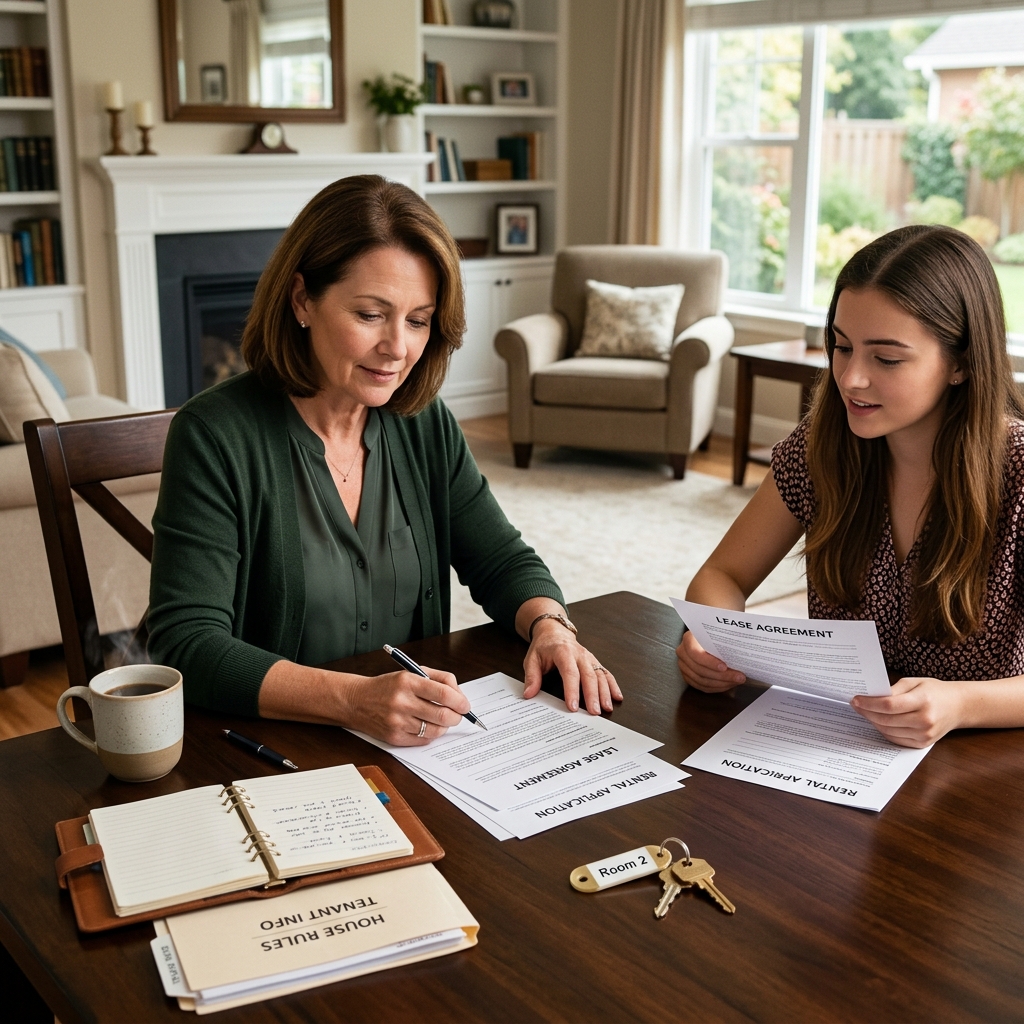
Renting out a spare bedroom can help you offset mortgage payments, build savings, or test the waters as a small-scale landlord. Yet turning part of your home into a rental is more than placing an online ad; it involves legal compliance, careful planning, and clear communication with the person who will be living under your roof.
This guide walks you through the major legal and practical steps involved in renting out rooms in your home, using trusted real estate and housing resources as a foundation. While specific rules vary by state and city, the principles explained here will help you ask the right questions and build a safer, more predictable arrangement.
1. Clarify Your Goals And Comfort Level As A Live-In Landlord
Before you dive into legal details, take time to define what you want from renting out a room and how involved you are willing to be as a live-in landlord.
- Income objectives: Decide whether your priority is maximizing rental income, simply offsetting costs, or covering specific expenses like taxes or repairs.
- Length of stay: Choose whether you prefer short-term stays (months), long-term tenants (a year or more), or flexible month-to-month arrangements.
- Lifestyle boundaries: Reflect on how much privacy you need, what kind of shared-space use you are comfortable with, and whether you want a quiet household or do not mind more social activity.
- Level of control: Determine how strictly you intend to enforce house rules and how much autonomy you are willing to give the renter.
Answering these questions will influence the type of tenant you seek, the rental price, and the rules you put in your written agreement.
2. Understand Local Laws, Zoning Rules, And Occupancy Limits
Room rentals are regulated by a combination of state landlord–tenant laws, local zoning rules, building codes, and sometimes homeowners association (HOA) covenants. You must ensure that renting out a room is permitted and that you follow the relevant procedures.
2.1 Common Legal And Regulatory Checks
- Zoning and use restrictions: Many cities regulate how many unrelated people can live in a single dwelling or whether renting rooms in owner-occupied homes is allowed. Consult your city or county planning or zoning department.
- Rental licenses or permits: Some jurisdictions require a rental license or inspection before you can legally lease a room, especially in multi-family or high-density areas.
- State landlord–tenant laws: State statutes govern issues like security deposits, notice for entry, eviction procedures, and habitability standards. Review your state’s official landlord–tenant resources, often provided by consumer affairs or housing departments.
- Homeowners association rules: If you live in a community with an HOA, check for bans or restrictions on renting part of your home, minimum lease terms, or registration requirements.
- Existing mortgage or lease: If you have a mortgage or are a tenant yourself, see whether your agreement limits subletting or room rentals and get written permission if required.
2.2 Habitability And Safety Requirements
As a landlord, you generally must provide a “habitable” living space that meets basic health and safety standards under state or local law. These commonly include:
- Safe, working heating and electrical systems.
- Plumbing with access to hot and cold water.
- A structurally sound building free from significant leaks, pests, or hazards.
- Smoke detectors and, where required, carbon monoxide alarms.
Failing to meet habitability standards can expose you to legal claims, rent withholding, or orders to repair by housing authorities.
3. Coordinate With Insurance, Lenders, And Tax Advisors
Renting a room changes your risk profile. Insurance and lending contracts are written with assumptions about who lives in the property, and adding a tenant can alter those assumptions.
3.1 Homeowners And Landlord Insurance
- Notify your insurer: Most insurers expect to know if you are renting out part of your home. Failure to disclose can jeopardize coverage if a claim arises involving the tenant.
- Consider landlord coverage: Ask about landlord or rental dwelling endorsements that provide additional liability protection and coverage for tenant-related damage.
- Encourage renters insurance: Tenants can purchase their own policy to cover their belongings and liability; this is often recommended though not always required by law.
3.2 Mortgage, Taxes, And Financial Planning
- Mortgage notifications: Some lenders require disclosure if you start renting part of your home; others restrict certain rental uses. Contact your lender to avoid breaching loan terms.
- Tax implications: Rental income is usually taxable. You may also be able to deduct certain expenses related to the rented portion of the home. Consult a qualified tax professional or review guidance from the Internal Revenue Service (IRS) for details on reporting and deductions.
- Budgeting and pricing: Examine comparable room rentals in your area to set a competitive yet realistic price, considering utilities, furnishings, and shared-space access.
4. Preparing The Room And Shared Spaces For Tenants
Next, ensure the physical space you are offering is ready for occupancy and that shared areas can be comfortably used by both you and the renter.
4.1 Setting Up The Rented Room
- Cleanliness and repairs: Deep-clean the room and complete any necessary maintenance, such as fixing doors, windows, and outlets.
- Basic furnishings: Decide whether you will offer a furnished or unfurnished room. Typical furnishings include a bed, dresser, desk, and adequate lighting.
- Privacy and security: Provide a functional door lock if permitted by local code, and clarify who has a key. Tenants generally have strong rights to privacy in their bedrooms.
- Bathroom arrangements: Specify whether the tenant has a private bathroom or will share one, and communicate any expectations around cleaning and scheduling.
4.2 Organizing Shared Areas
Because you will live alongside your tenant, managing shared spaces is critical for avoiding conflicts.
- Define which rooms tenants may use (kitchen, living room, laundry, yard).
- Set reasonable guidelines for cleanliness and shared responsibility for chores.
- Consider storage options for tenant belongings to prevent clutter.
| Area | Access | Expectations |
|---|---|---|
| Kitchen | Full access | Clean surfaces after use; label personal food; no loud cooking after 10pm. |
| Living Room | Limited access | Use for quiet activities; ask before hosting guests. |
| Laundry | Scheduled access | Reserve time slots; clean lint trap; avoid late-night cycles. |
5. Drafting A Clear Room Rental Agreement
A written agreement is strongly recommended even when renting to someone you know well. It sets expectations, helps prevent disputes, and demonstrates that you are following legal standards.
5.1 Key Elements To Include
- Names and description of space: Identify both parties and describe the specific room and shared areas covered by the agreement.
- Rent amount and payment terms: State the monthly rent, due date, acceptance methods (online, check, cash), and any late fees, in compliance with local law.
- Security deposit: Explain the deposit amount, where it will be held if required by law, permissible deductions, and the timeline for return after move-out.
- Utilities and services: Clarify which utilities are included in rent and which are shared or separately metered (electricity, water, internet, trash).
- Term and termination: Specify whether the agreement is month-to-month or a fixed term, and describe how much notice is required to end the tenancy, consistent with state rules.
- House rules and guest policy: Outline noise rules, overnight guest limits, smoking policies, pet policy, parking, and quiet hours.
- Maintenance responsibilities: Distinguish routine maintenance from tenant-caused damage and confirm how repair requests should be made.
- Entry and privacy: Acknowledge the tenant’s right to privacy and explain when and how you may enter the room (for example, with reasonable notice except in emergencies).
5.2 Lodger Versus Traditional Tenant
In some places, people who rent a room in an owner-occupied home are treated differently from tenants in separate rental units. They may be called “lodgers” or “roomers,” and rules for eviction or access can differ. Consult your state’s landlord–tenant materials or an attorney to understand these distinctions before relying on them.
6. Marketing The Room And Screening Potential Tenants
Finding a compatible renter is as important as setting good rules. Poor screening can lead to late payments, conflict, or safety concerns. Balanced, fair screening helps you comply with housing laws while protecting yourself and your household.
6.1 Advertising The Room Responsibly
- Use reputable listing platforms and local community channels.
- Describe the room, shared areas, rent, and key house rules clearly.
- Avoid discriminatory language and follow fair housing laws, which generally prohibit discrimination based on protected characteristics such as race, religion, and disability.
6.2 Conducting Tenant Screening
Responsible screening typically involves:
- Rental application: Collect basic information, employment details, and references via a written application with consent to perform background checks.
- Credit and background checks: Review credit history, potential criminal records where allowed, and verification of identity to reduce fraud risk.
- Previous landlord references: Contact prior landlords to ask about payment history, property care, and behavior.
- In-person or video interviews: Discuss expectations, lifestyle habits, and house rules. The goal is compatibility, not interrogation.
Always apply screening criteria consistently to avoid unfair treatment and potential discrimination claims.
7. Setting House Rules, Boundaries, And Communication Practices
Clear house rules are one of the most effective tools for maintaining harmony when you share your home with a renter. Rules should be reasonable, lawful, and included in the written agreement.
7.1 Common House Rule Topics
- Noise and quiet hours: Specify hours for reduced noise and expectations regarding music, television, and phone calls.
- Guests and overnight visitors: Limit frequency or duration of overnight guests, particularly in shared spaces.
- Smoking, vaping, and substances: Clarify whether these are allowed, and if so, where.
- Pets: Indicate whether pets are allowed, any pet deposits, and rules on cleaning and damage.
- Parking and outdoor areas: Assign parking spaces and explain use of yards or patios.
- Shared chores: If desired, outline expectations for trash, recycling, and cleaning of common areas.
7.2 Communication And Conflict Resolution
- Schedule occasional check-ins to discuss any concerns.
- Encourage written repair requests and document responses.
- Address conflicts early and calmly, focusing on the agreement and house rules rather than personalities.
8. Managing Rent Collection, Deposits, And Ongoing Obligations
Once the tenant moves in, you will need systems for collecting rent, handling deposits, and meeting your legal obligations over time.
8.1 Rent Collection Practices
- Use a consistent due date and agreed payment method.
- Provide receipts for cash payments and maintain records of all transactions.
- Follow state rules for notices and late fees before taking stronger action such as eviction.
8.2 Handling Security Deposits Legally
- Observe any state limits on deposit amounts and rules for how deposits must be held (for example, in separate accounts).
- Conduct a move-in checklist with the tenant and document existing wear and tear.
- At move-out, compare the condition to the checklist, deduct only lawful amounts for damage beyond normal use, and provide an itemized statement and timely refund as your state requires.
8.3 Fulfilling Maintenance And Privacy Duties
As a landlord, you have ongoing obligations:
- Respond promptly to repair requests and maintain habitability.
- Provide appropriate notice before entering the rented room, except in emergencies.
- Respect the tenant’s right to quiet enjoyment, meaning you avoid unnecessary interference with their use of the space.
9. Frequently Asked Questions (FAQs)
Do I need a special license to rent out a room?
In some cities, you may need a rental license or permit, even for a single room in an owner-occupied home. Check with your local housing or licensing authority, as requirements vary widely.
Can I rent a room without a written lease?
Oral agreements are legally recognized in many states, but they are harder to enforce and prove. A written agreement is strongly recommended because it clarifies rent, rules, and responsibilities and helps prevent disputes.
How much notice do I need to give before ending the arrangement?
Notice requirements depend on state law and whether the agreement is month-to-month or a fixed term. Many states require written notice and specify minimum timeframes; consult your state’s landlord–tenant resources or an attorney for exact rules.
Can I check a tenant’s background if they are renting a room in my home?
Yes, landlords commonly perform credit and background checks with the applicant’s consent, using standardized applications and screening services. However, you must comply with fair housing laws and applicable consumer reporting regulations.
What happens if the tenant stops paying rent?
Non-payment usually requires a formal notice giving the tenant a short period to pay or move out, followed by court proceedings if the issue is not resolved. The exact procedure depends on state law, and self-help measures like changing locks without a court order are often prohibited.
Is renting out a room treated differently from renting a separate apartment?
Sometimes. Some states or localities have special rules for lodgers or roomers who live in the landlord’s home, affecting eviction timelines or access rules. Reviewing official landlord–tenant materials or consulting legal counsel is important before relying on any differences.
References
- Rules For Renting A Room In Your House: Legal And Practical Tips — HomeRiver Group. 2024-03-01. https://www.homeriver.com/blog/rules-for-renting-a-room-in-your-house-legal-and-practical-tips
- Essential Rules for Renting a Room in Your House — Azibo. 2023-09-12. https://www.azibo.com/blog/renting-a-room-in-your-house
- A Landlord’s Guide to Renting a Room — Steadily Insurance. 2023-06-20. https://www.steadily.com/blog/a-landlords-guide-to-renting-a-room
- Rules for Renting a Room in Your House — Baselane. 2026-01-10. https://www.baselane.com/resources/rules-for-renting-a-room-in-your-house
- Florida Renters Rights Guide – The Tenant’s Handbook — Bay Area Legal Services. 2020-05-01. https://bals.org/help/resources/tenants-handbook
- Landlord/Tenant Law in Florida — Florida Department of Agriculture and Consumer Services. 2022-08-15. https://www.fdacs.gov/Consumer-resources/landlord-tenant-law-in-florida
Similar Articles








Read full bio of medha deb


