
DIY Home Renovations: 5 Warning Signs You Need A Pro Checklist
Know when a home project stops being a weekend fix and starts becoming a legal, financial, and safety risk.
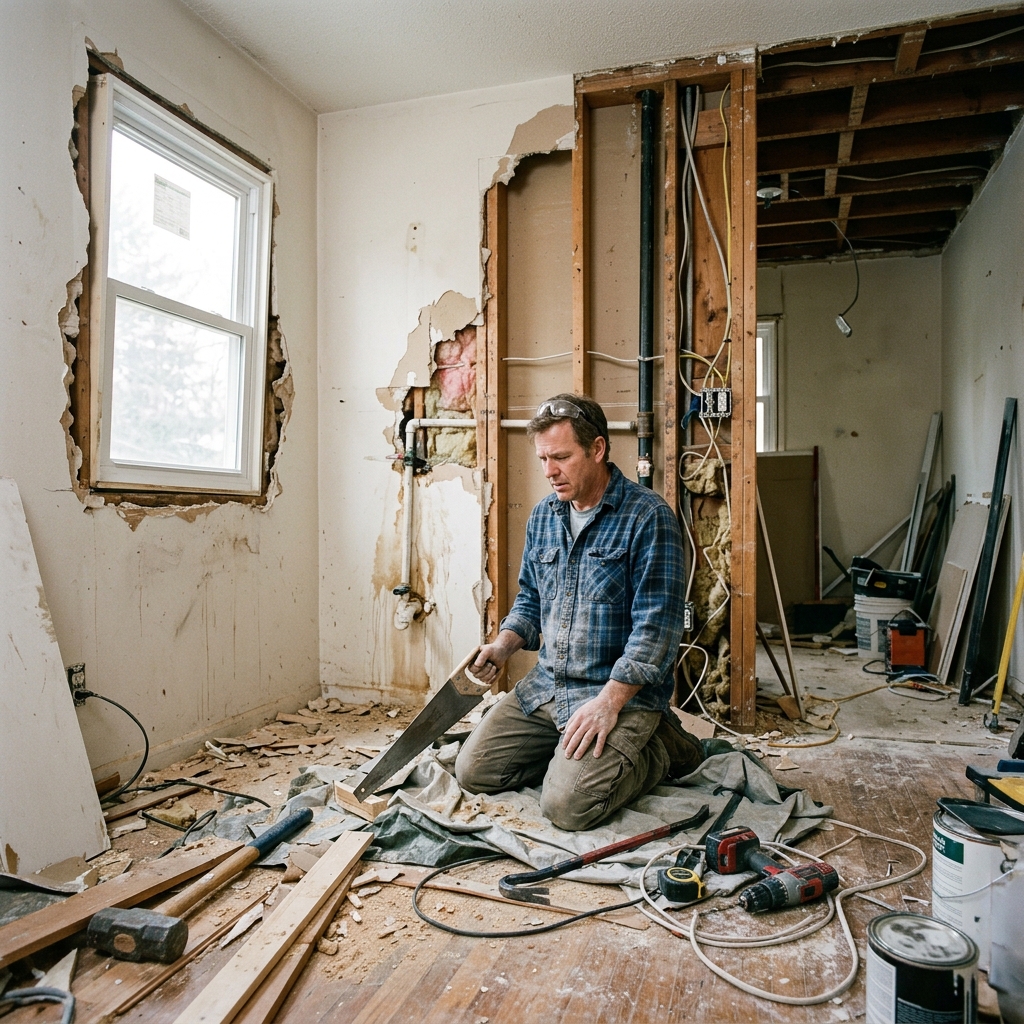
Taking on home improvements yourself can save money and give you more control over the result, but the savings can disappear quickly when a project becomes more complicated than expected. The real challenge is not whether you can start a renovation on your own; it is knowing when the work has become too risky, too technical, or too regulated to continue without help.
Many homeowners discover that a small weekend project can grow into a chain of delays, extra costs, and code problems. A smart DIY approach begins with honest planning, a realistic budget, and a clear understanding of which tasks are safe to do alone and which ones belong in the hands of licensed professionals.
Why DIY feels appealing in the first place
Homeowners often choose DIY because they want to reduce labor costs, move at their own pace, or feel more connected to their home. For smaller cosmetic updates, that approach can work well. Painting a room, replacing cabinet hardware, or assembling basic shelving usually involves limited risk if the work is planned carefully.
The problem begins when enthusiasm replaces judgment. A project that looks simple at first may hide structural issues, wiring concerns, water damage, or permit requirements. In those situations, the initial savings may be outweighed by repairs, delays, and the need to redo work that was never completed correctly.
The warning signs that a project is getting out of hand
There are several clear signals that a renovation has moved beyond ordinary DIY territory. These warnings do not always mean you must stop immediately, but they do mean the project deserves a second look.
- The work depends on electrical, plumbing, roofing, or structural changes.
- You need to cut into walls, floors, ceilings, or load-bearing components.
- The task requires permits, inspections, or specialized code compliance.
- You are discovering hidden damage, such as rot, mold, or outdated wiring.
- Each step is taking longer and costing more than originally planned.
When multiple warning signs appear at the same time, the project is no longer just a simple improvement. It is becoming a renovation with legal, safety, and financial consequences that should be evaluated before more work is done.
Hidden costs are often the first surprise
One of the most common DIY mistakes is underestimating the true cost of the job. Homeowners often budget for visible supplies and forget about waste disposal, tool rental, replacement materials, protective equipment, inspection fees, and the cost of fixing errors. A project that begins as a modest expense can become expensive very quickly once mistakes are counted.
Cost overruns are especially common when a homeowner must undo part of the work and start again. That can mean paying twice for materials, paying for professional corrections, and losing time that could have been spent finishing the project properly from the start. A contingency fund is not optional in serious renovation planning; it is a necessary buffer against the unexpected.
Safety risks are not limited to dramatic accidents
Many people think DIY injuries only happen during obvious hazards like demolition or roof work, but the more common dangers are often less visible. Old materials may contain contaminants, tools can be misused, and temporary supports can fail if the work is not staged correctly. Even a minor-looking mistake can create a dangerous home environment.
Electrical problems can lead to shocks or fire. Plumbing errors can cause leaks that spread behind walls. Structural mistakes can weaken the stability of a room or an entire section of the house. These risks matter because the harm is not limited to the person doing the work; it can affect family members, visitors, and future occupants as well.
Permits and inspections are part of the project, not an afterthought
Some homeowners treat permits as a bureaucratic inconvenience, but for many renovations they are a legal requirement. Permits help local authorities verify that the work meets safety and construction standards. Inspections are how that compliance is checked. If a project needs a permit and the homeowner skips it, the cost of the mistake may not appear immediately, but it can surface later during a sale, insurance claim, or code enforcement review.
When an inspection fails, the issue is not always easy to interpret. Inspectors may identify a code problem without giving step-by-step repair instructions, which can leave the homeowner unsure how to proceed. In those cases, hiring a licensed professional to review the work can save time and reduce the chance of repeated failures. If inspections are delayed, it may also be worth asking whether the local process allows expedited scheduling.
When to pause and call a professional
There is a difference between a manageable task and a job that requires licensing, specialized tools, or technical judgment. Homeowners are usually better off bringing in a professional when the work involves any of the following:
- Electrical rewiring or panel work
- Plumbing lines, water heaters, or drainage changes
- Roof repairs or replacement
- Foundation, framing, or wall removal
- Gas appliances or line connections
- Major remodeling after storm or fire damage
These jobs are more likely to trigger licensing rules, permit requirements, and liability concerns. They also tend to have consequences that are much more expensive than the price of hiring help at the outset.
A simple decision table for homeowners
| Project type | Typical DIY fit | Professional help is usually wiser when… |
|---|---|---|
| Painting and cosmetic updates | Often manageable | You need lead-safe preparation, extensive prep, or fine finish work |
| Fixture replacement | Sometimes manageable | Wiring, plumbing, or mounting loads become more complex |
| Kitchen or bath remodeling | Partial DIY may work | Cabinets, plumbing, ventilation, or layout changes are involved |
| Structural changes | Rarely appropriate | Walls, framing, or load-bearing elements may be affected |
This kind of comparison does not replace local rules or professional advice, but it can help homeowners think more realistically about the scale of a project before work begins.
How to vet a contractor after a DIY setback
If you decide to stop a project and hire someone, speed can become a risk of its own. Homeowners under pressure are more vulnerable to sales tactics, inflated prices, and vague promises. Even if the project is already behind schedule, it is still worth taking a careful approach to hiring.
Start by collecting multiple estimates from licensed contractors or experienced trade professionals. Compare not only the price but also the scope of work, timeline, materials, and warranty terms. Review online feedback, ask for references, and verify whether the contractor is licensed where required. If the project is complex, it may also help to speak with a lawyer or local building office about rules that affect the work.
A rushed repair can create a larger problem than the one you started with. The goal is not simply to finish quickly; it is to finish in a way that protects safety, value, and compliance.
Contracts should define the work clearly
Any professional hired to clean up, complete, or replace your DIY work should be operating under a written agreement. A solid contract reduces confusion and makes it easier to hold everyone accountable. At minimum, the document should state what will be done, when it will be done, and how payment will work.
Depending on the project, that agreement may function as a construction contract, a repair contract, a remodeling agreement, or a home improvement contract. The label matters less than the content. If the scope is vague, the pricing is unclear, or the timing is open-ended, the homeowner is exposed to unnecessary risk.
What to document during and after the project
Good records are often overlooked during DIY renovations, but they can become extremely valuable later. Photos taken before, during, and after the project can show what changed and when. Receipts help verify material quality and spending. Permit records and inspection results can demonstrate that the work was handled responsibly.
This documentation can matter for resale, insurance claims, warranty issues, and disputes over who did what. Even if the renovation is small, keeping a file of the work creates a paper trail that protects the homeowner if questions arise later.
Safer ways to build DIY confidence
Homeowners do not need to abandon DIY entirely in order to avoid serious mistakes. A more effective approach is to build skills gradually. Start with smaller, low-risk projects and learn the basics before taking on anything that affects the house’s systems or structure.
- Read reliable instructions before starting.
- Watch demonstrations from reputable sources.
- Use the correct tools rather than improvising.
- Wear protective equipment appropriate to the task.
- Prepare the work area to keep people away from hazards.
Preparation is not just about efficiency. It is also about reducing the chance that a small mistake turns into a major repair.
Questions homeowners ask before they keep going
How do I know whether a project is beyond my skill level? If you are repeatedly guessing, correcting errors, or reading conflicting instructions while the work keeps expanding, the project is probably beyond a comfortable DIY scope.
What if I already started and now regret it? Stop and assess the unfinished work before proceeding. In many cases, getting a licensed professional to review the project early is cheaper than waiting until the damage becomes harder to fix.
Should I always hire out electrical and plumbing work? For most homeowners, yes, especially when the work involves permanent changes, hidden systems, or permit-triggering repairs.
Can a small mistake really create legal trouble? Yes. Unpermitted or noncompliant work can affect inspections, insurance, and future sale transactions, even if the project looked harmless at the start.
References
- DIY Renovations: The Hidden Risks — Renovare. 2024. https://www.renovare.com.au/diy-renovations-the-hidden-risks/
- The Hidden Liabilities of DIY Home Improvements — McMahon Agency. 2024. https://mcmahonagency.com/the-hidden-liabilities-of-diy-home-improvements-what-every-homeowner-should-know/
- DIY vs Contractors — Justia. 2024. https://www.justia.com/real-estate/home-ownership/owning-a-home/diy-vs-contractors/
- The Cons of DIY in Home Renovations — Sweeten. 2024. https://sweeten.com/advice-and-faq/the-cons-of-diy-renovation/
- The Pros and Cons of DIY Home Renovation Projects — HAR.com. 2024. https://www.har.com/blog_127810_the-pros-and-cons-of-diy-home-renovation-projects
Similar Articles








Read full bio of Sneha Tete


