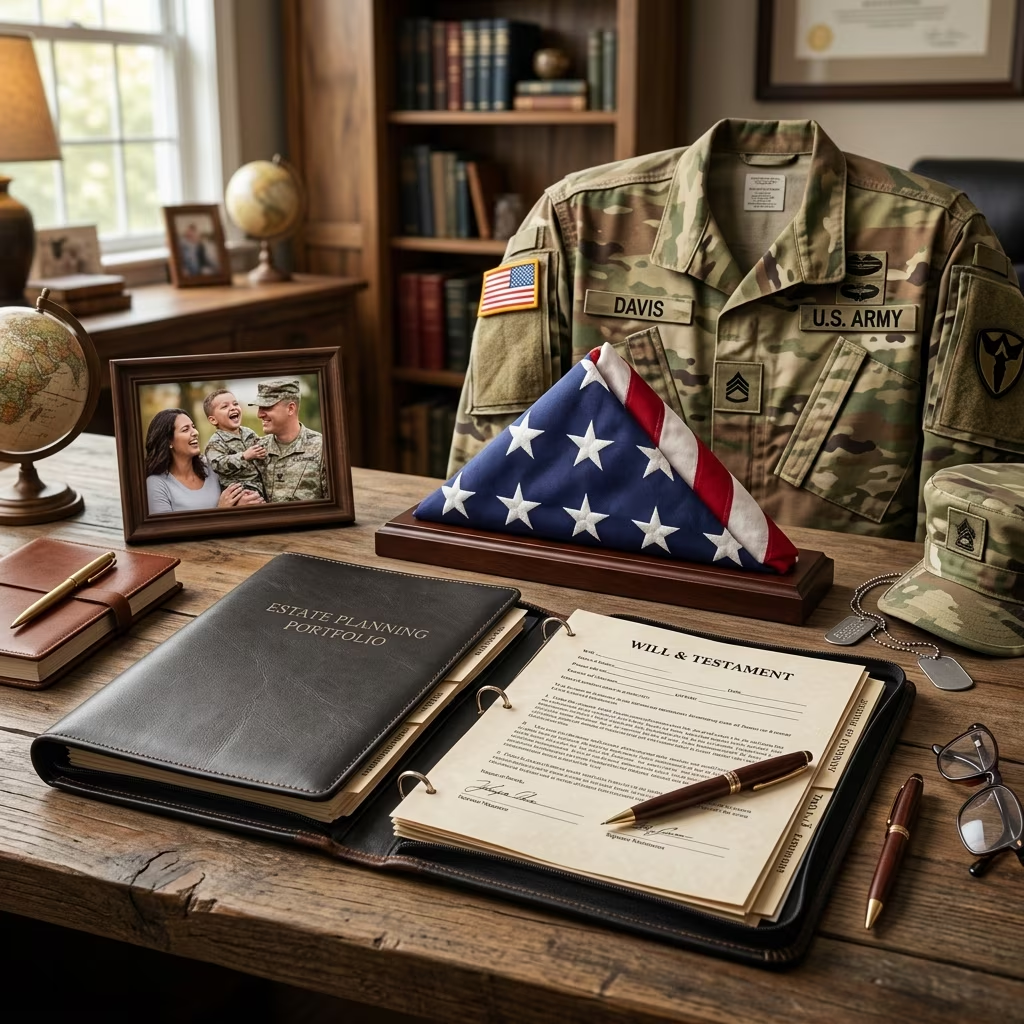
Military life brings unique risks, responsibilities, and benefits. A thoughtful estate plan ensures your loved ones are protected, your military benefits are used as intended, and your wishes are honored if you die or become incapacitated while serving or after retirement.
This guide offers a practical, military-focused approach to estate planning for active-duty members, Guard and Reserve, and veterans. It explains the key documents you need, how to coordinate military benefits with your broader financial life, and where to find free or low-cost help.
Why Estate Planning Is Especially Important for Military Families
Every adult can benefit from estate planning, but the nature of military service makes it particularly vital. Deployments, frequent moves, hazardous duties, and specialized benefits create both additional risk and additional opportunity that a plan must address.
Unique Factors for Service Members
- Heightened risk of injury or death due to combat, training, and operational hazards.
- Frequent relocations between states or countries, which can affect the validity and interpretation of legal documents.
- Time away from home during deployments, training rotations, and TDYs, requiring trusted decision-makers to handle finances and medical issues.
- Complex benefits including Servicemembers’ Group Life Insurance (SGLI), Survivor Benefit Plan (SBP), military pensions, and VA benefits that must be integrated into the estate plan.
Goals of a Military-Savvy Estate Plan
A well-designed estate plan for service members aims to:
- Protect your spouse, children, and other dependents from financial disruption after your death.
- Appoint trusted individuals to manage your finances and health care if you are injured or deployed.
- Coordinate military and civilian benefits so they support your long-term family and retirement goals.
- Minimize conflict, confusion, court involvement, and delays at a difficult time.
Core Legal Documents Every Service Member Should Consider
Your estate plan is built on a set of core legal documents. Many of these can be prepared or reviewed free of charge through your installation’s legal assistance office or VA-related programs.
Last Will and Testament
Your will states how your property will be distributed at your death and who will oversee the process. Without a will, state law decides who inherits and who manages your estate, which may not align with your wishes.
- Asset distribution: Specify who should receive your real estate, savings, personal property, and other assets.
- Guardianship for minor children: Nominate guardians to care for your children if both parents die or cannot serve as caregivers.
- Executor or personal representative: Choose a reliable person to carry out the instructions in your will.
Many military installations provide will-drafting services through their Legal Assistance Office.
Durable Power of Attorney
A durable power of attorney (POA) gives a trusted individual authority to act on your behalf in legal and financial matters if you are unavailable or unable to manage your affairs.
- Financial POA: Allows someone you choose to pay bills, manage bank accounts, handle housing decisions, file taxes, and interact with financial institutions.
- Durability: A durable POA remains effective if you become incapacitated, making it crucial for serious injuries or illnesses.
- Scope and limits: You can tailor the authority granted so it matches your needs and comfort level; some institutions may require specialized language.
Advance Healthcare Directive and Medical POA
An advance healthcare directive, often combined with a medical power of attorney, documents your medical care preferences and names someone to make health decisions when you cannot.
- Indicate whether you want life-sustaining treatments in cases of terminal illness or severe injury.
- Appoint a healthcare agent to speak with doctors and decide on treatments consistent with your values.
- Provide clarity and comfort to family members by removing guesswork during medical emergencies.
Trusts for Added Control and Protection
A trust is a legal arrangement where a trustee manages assets for beneficiaries according to rules you set. Trusts can add privacy, protect vulnerable beneficiaries, and help avoid or streamline probate.
- Minor children: A trust can ensure children receive funds gradually or with safeguards rather than a lump sum at adulthood.
- Special needs beneficiaries: Special needs trusts can protect eligibility for public benefits while providing supplemental support.
- Probate and privacy: Certain trusts may reduce court involvement and keep asset distribution out of public records.
Because trust laws are complex, working with an attorney experienced in estate planning is strongly recommended.
Funeral and Burial Instructions
Written instructions about funeral, burial, or cremation preferences help ensure your final wishes are respected and reduce stress for loved ones.
- Specify military honors you would like, such as burial in a national cemetery, a military funeral, or specific ceremonial elements.
- Indicate your preferences for religious services, memorials, or celebrations of life.
- Document how costs should be covered, including use of death gratuity or insurance proceeds where appropriate.
Coordinating Military Benefits with Your Estate Plan
Service members and veterans have access to powerful benefits that can support surviving family members. Your estate plan should ensure these benefits are correctly elected, coordinated, and updated over time.
Key Military and Veterans Benefits to Address
| Benefit | Purpose | Estate Planning Considerations |
|---|---|---|
| Servicemembers’ Group Life Insurance (SGLI) | Low-cost life insurance for service members | Ensure beneficiary designations align with your will and trust plans; review after major life events. |
| Veterans’ Group Life Insurance (VGLI) | Post-service continuation of life insurance | Coordinate beneficiaries with your estate plan and consider how proceeds will support long-term goals. |
| Survivor Benefit Plan (SBP) | Provides a monthly annuity to eligible survivors | Review elections at retirement; understand how SBP interacts with your spouse’s income and other assets. |
| Thrift Savings Plan (TSP) | Retirement savings plan for military and federal employees | Keep beneficiary forms current and consistent with your broader estate planning strategy. |
| VA life insurance and related services | Insurance and free planning tools for certain beneficiaries | Eligible beneficiaries may receive free financial planning and online will preparation, which can support or supplement your legal plan.[10] |
Beneficiary Designations vs. Your Will
Beneficiary designations on insurance policies and retirement accounts generally control who receives those assets, even if your will says something different.
- Review designations for SGLI, VGLI, TSP, IRAs, and other accounts regularly, especially after marriage, divorce, births, or major moves.
- Coordinate designations with your will and any trusts so your plan is consistent and comprehensive.
- Seek legal advice if you intend to name a trust or minor children directly as beneficiaries, as this can have legal and tax implications.
Navigating Multi-State and Overseas Issues
Because military families often move across state lines and overseas, understanding how different jurisdictions treat your estate planning documents is critical.
Document Validity After a Move
Many states honor a will if it was valid in the state where it was originally executed, but specific rules can vary.
- When you move, consult a legal assistance attorney to confirm your existing documents comply with your new state’s requirements.
- Pay attention to witnessing, notarization, and state-specific language that may impact enforceability of wills, POAs, and healthcare directives.
- Consider updating your documents if you have significant changes in property ownership, family status, or home state.
Property in Multiple States or Countries
Owning real estate or significant assets in more than one state—or abroad—can add complexity.
- Discuss with an attorney whether separate documents or special planning are needed for property outside your home state.
- Understand how foreign property laws, Status of Forces Agreements, and local rules may affect inheritance.
- Keep clear records of where property is located and under whose name it is held to simplify administration for your executor.
Step-by-Step Estate Planning Checklist for Service Members
Creating your estate plan is easier if you follow a structured process. The following checklist can help you move from “nothing in place” to a coordinated, documented plan that reflects your values and responsibilities.
1. Take Inventory of Your Life and Assets
- List all bank accounts, retirement plans, life insurance policies, and major personal property.[10]
- Document real estate holdings, vehicles, and valuable items such as collectibles or family heirlooms.
- Note all military-related benefits, including SGLI, SBP elections, and TSP accounts.
2. Clarify Your Priorities and Family Needs
- Decide who should receive assets and in what proportions.
- Identify children or dependents who may need extra protections, such as minors or individuals with disabilities.
- Discuss values around education, housing, and long-term support for survivors.
3. Draft or Update Core Legal Documents
- Prepare a will that reflects your current situation and names guardians for minor children where applicable.
- Sign durable financial and medical powers of attorney and confirm they meet your state’s requirements.
- Create or revise an advance healthcare directive to capture your medical preferences.
- Consider trusts if you have complex assets or particular needs for privacy and control.
4. Align Beneficiary Designations with Your Plan
- Review and update beneficiaries on SGLI, VGLI, TSP, IRAs, employer plans, and civilian life insurance.
- Ensure designations support your will and trust structure rather than contradict it.
- Repeat this review after marriage, divorce, birth or adoption of children, and retirement.
5. Organize and Store Documents Securely
- Keep signed originals of your will, POAs, and directives in a secure but accessible location.
- Maintain a folder or digital file with orders, DD Form 214, benefit information, and insurance policies.
- Tell your executor, spouse, or trusted family member how to access these documents in an emergency.
6. Review Your Plan Regularly
- Schedule check-ins every few years or after major life changes to confirm your plan still fits your situation.[10]
- Update documents promptly when moving to a new state, changing marital status, or altering SBP or insurance elections.
- Stay informed about changes in military or VA policies that may affect benefits or survivorship rules.
Free and Low-Cost Resources for Military Estate Planning
Cost should not be a barrier to basic estate planning. Service members and veterans have access to several free or subsidized resources for legal and financial guidance.[10]
Military Legal Assistance Offices
Most military installations have a Legal Assistance Office staffed by Judge Advocate General (JAG) or other legal professionals who provide core services at no cost, including:
- Drafting or updating wills and certain powers of attorney.
- Explaining state-specific rules that affect your documents after a Permanent Change of Station (PCS).
- Reviewing SBP choices, beneficiary designations, and basic trust options.
Military OneSource and Service-Specific Programs
Military OneSource offers information, counseling, and referrals related to legal and financial planning for military families.
- Educational materials on wills, POAs, and other estate planning topics.
- Access to financial counselors who understand military pay and benefits.
- Connections to legal assistance within your service branch.
VA and Related Estate Planning Services
The U.S. Department of Veterans Affairs supports certain life insurance beneficiaries with free planning tools.
- Beneficiaries of SGLI, VGLI, Family SGLI, and Traumatic SGLI may qualify for free financial planning and online will preparation services.[10]
- VA medical centers and regional offices may host legal service clinics that offer wills and estate planning assistance at no cost or reduced cost.
- Additional programs, such as Wills for Heroes in some states, connect veterans and first responders with volunteer attorneys.[10]
Frequently Asked Questions (FAQs)
Do I need a will if I am young and have few assets?
Yes, a will is strongly recommended even for younger service members with limited property. It clarifies who should manage your affairs, can designate guardians for children, and helps avoid unnecessary court fees and disputes.
What happens if my beneficiary forms conflict with my will?
Generally, beneficiary designations on insurance policies and retirement accounts take precedence over your will. If there is a conflict, the asset usually goes to the named beneficiary on the account, not the person named in your will.
How often should I update my estate plan?
Update your plan whenever you experience major changes such as marriage, divorce, birth or adoption of a child, a PCS to a new state, serious illness or injury, or retirement from the military. Regular reviews every few years are also advisable.[10]
Can I get help with estate planning without hiring a private attorney?
Yes. Legal Assistance Offices, Military OneSource, VA-sponsored programs, and certain state initiatives offer free or low-cost services that cover basics like wills, powers of attorney, and beneficiary reviews.[10]
Is a trust necessary for every service member?
No. Trusts are most useful when you have significant assets, want to control how and when beneficiaries receive property, or have special circumstances such as a child with disabilities. However, you should only create a trust under the guidance of a qualified estate planning attorney.
References
- Estate Planning Information for the Military — Military OneSource. 2023-06-01. https://www.militaryonesource.mil/resources/millife-guides/estate-planning/
- Estate Planning “Need to Knows” for Military Families — University of Florida IFAS Extension. 2022-10-15. https://ask.ifas.ufl.edu/publication/FY1531
- Estate Planning for Veterans & Active Military: A Complete Guide — Evans & Davis. 2023-04-10. https://www.evansdavis.com/estate-planning/military-estate-planning/
- ESTATE PLANNING — U.S. Army Financial Readiness Program (PDF). 2023-01-01. https://militarypay.defense.gov/Portals/3/Documents/Army%20CMT/Divorce/Army%20FRP%20Handout-Estate%20Planning_Final%202023.pdf
- National Estate Planning Awareness Month: Why Military Need an Estate Plan — National Military Family Association. 2022-10-01. https://www.militaryfamily.org/national-estate-planning-awareness-month-why-military-need-an-estate-plan/
- 12 Places That Offer Free Wills or Trusts for Veterans — U.S. Department of Veterans Affairs (VA News). 2023-02-08. https://news.va.gov/111089/13-places-free-wills-trusts-veterans/
- Does the VA Do Wills for Veterans: Understanding Estate Planning Services — Elder Law Guidance. 2023-05-20. https://elderlawguidance.com/does-the-va-do-wills-for-veterans-understanding-estate-planning-services/