
Budget-Friendly Renovations That Raise Home Value
Practical, low-cost upgrades that improve comfort, appeal, and resale potential.
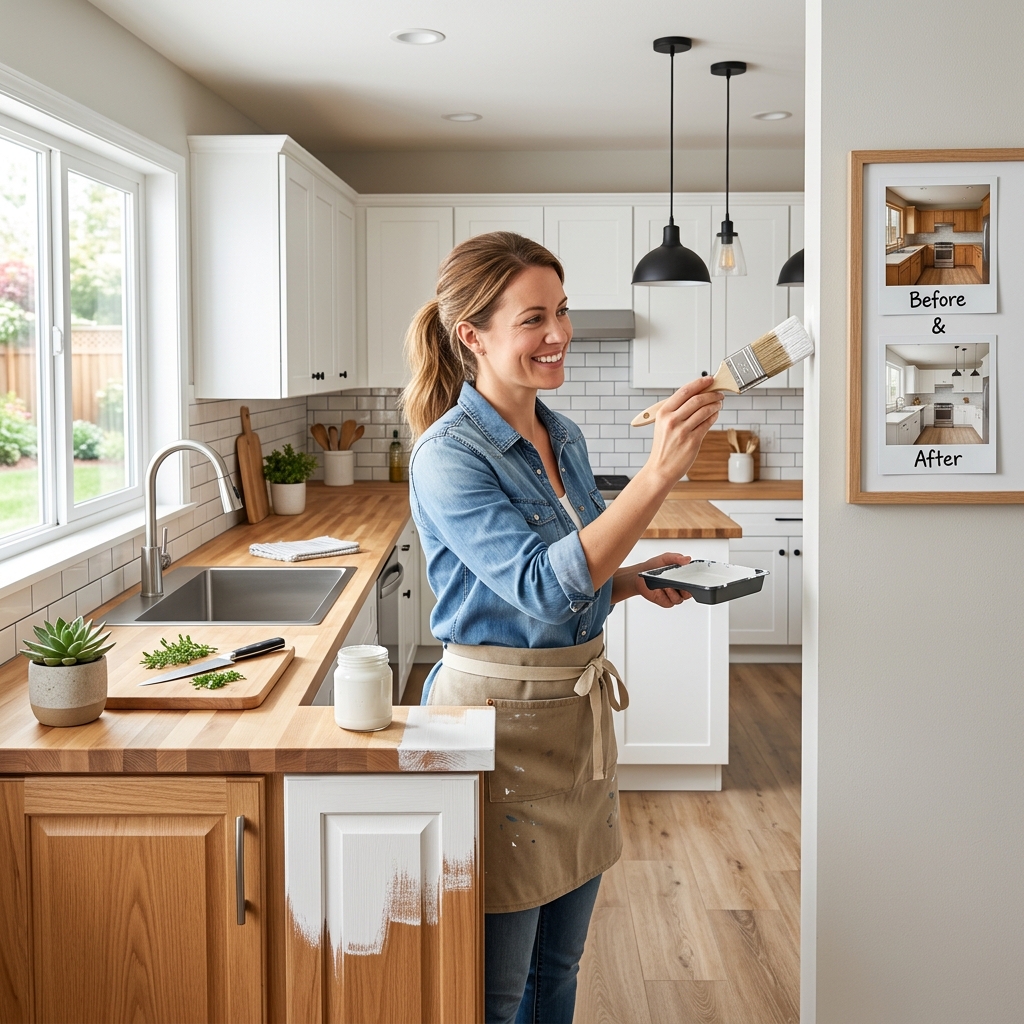
If you want to improve your home without taking on a major remodeling bill, the smartest approach is to focus on updates that buyers notice quickly and that also make daily life easier. Small, targeted projects often create a stronger impression than expensive overhauls because they clean up visible wear, improve first impressions, and reduce the number of repairs a buyer may worry about later. Research from real-estate and home-improvement sources consistently shows that exterior refreshes, modest interior upgrades, and basic maintenance tend to deliver the best balance between cost and payoff.
The goal is not to make every room brand new. Instead, it is to choose improvements that make the home feel well cared for, functional, and move-in ready. That usually means starting with the projects that are visible from the street, then moving to spaces that buyers inspect carefully, such as kitchens, bathrooms, floors, lighting, and storage.
Start with the projects buyers notice first
When people evaluate a house, they form opinions fast. The outside appearance, front entry, and overall cleanliness shape expectations before they even step inside. That is why low-cost curb appeal projects are often the best place to begin. A tidy exterior suggests the property has been maintained, while peeling paint, broken fixtures, or overgrown landscaping can make the whole home feel neglected.
Simple updates can change the mood of the property without requiring major construction. A freshly painted front door, modern house numbers, clean walkways, and a neat lawn all help create a more polished presentation. Even modest exterior improvements can make the home feel newer and more inviting.
Affordable curb appeal upgrades
- Paint the front door in a clean, modern color.
- Replace dated house numbers with a more contemporary style.
- Pressure wash siding, porches, driveways, and walkways.
- Trim shrubs, remove weeds, and refresh mulch beds.
- Repair cracked paths, loose trim, or visible exterior damage.
Use paint to create a stronger first impression
Paint remains one of the most cost-effective ways to improve a home because it can quickly hide scuffs, brighten dark rooms, and make outdated spaces feel cleaner. A neutral color palette is usually the safest choice when resale matters, since it helps buyers imagine their own furnishings in the space.
Interior paint is especially useful in rooms that look tired but are structurally fine. If a room has no major defects, a new coat of paint can make old walls, trim, and ceilings feel fresh again. Exterior touch-ups can be just as useful when the main structure is in decent shape but a few surfaces are faded or chipped.
| Paint Project | Why It Helps | Best Use |
|---|---|---|
| Front door repaint | Improves curb appeal quickly | Entryway refresh |
| Interior walls | Makes rooms feel cleaner and larger | Living rooms, bedrooms, hallways |
| Trim and baseboards | Removes signs of wear | High-traffic areas |
| Exterior touch-ups | Shows the home has been maintained | Peeling or faded areas |
Refresh the kitchen without a full remodel
The kitchen is one of the most closely watched spaces in any home, but it does not always need a full replacement to make an impact. Minor kitchen updates often outperform expensive custom projects because they improve what people see every day without inflating the budget unnecessarily.
Instead of tearing out cabinets, consider repainting them and replacing worn hardware. This combination can make the entire room feel updated at a fraction of the cost of new cabinetry. Updating the backsplash is another practical option, especially if the existing surface is plain, damaged, or dated.
Kitchen improvements with strong value potential
- Paint cabinets in a clean, timeless color.
- Install new pulls or knobs to modernize the room.
- Add or replace a backsplash behind sinks and cooking areas.
- Swap out an old faucet for a simpler, more contemporary design.
- Upgrade light fixtures to improve brightness and style.
These changes work best when they focus on appearance and function rather than luxury. Buyers usually respond well to kitchens that look cared for, bright, and easy to use. A modest refresh can also help the room photograph better, which matters if the property will be listed online.
Give bathrooms a cleaner, newer look
Bathrooms can look expensive to renovate, but a few strategic upgrades often go a long way. Instead of replacing everything, focus on surfaces and fixtures that reveal age quickly. Re-caulking, reglazing, repainting, and replacing dated lighting can change the feel of the room without major demolition.
Clean bathrooms matter because buyers often interpret them as a sign of how the rest of the house has been maintained. A bathroom that feels bright, dry, and orderly tends to reduce concern, while stained grout, old caulk, or weak lighting can make even a functional space seem neglected.
Low-cost bathroom upgrades
- Re-caulk tubs, sinks, and tile joints.
- Replace worn mirrors or light fixtures.
- Paint cabinets or vanities instead of replacing them.
- Install a better faucet or showerhead.
- Deep clean grout and refresh aging surfaces.
Improve floors before replacing them
Flooring makes a strong visual impression because it covers such a large part of the home. Before spending heavily on new materials, check whether the existing floors can be cleaned, repaired, refinished, or simplified. Many buyers prefer clean, neutral flooring over flashy materials that clash with their own taste.
Hardwood floors may only need buffing or refinishing to look much better. Carpets may be salvageable if they are professionally cleaned and still in good condition. If replacement is necessary, choose practical, durable materials that fit the house’s price point rather than aiming for premium finishes that may not return their cost.
Make lighting work harder for the space
Lighting is one of the easiest upgrades to underestimate. Old fixtures can make a house feel dim and outdated even when the rooms themselves are in good shape. Replacing a few key fixtures can modernize a home quickly, especially in the kitchen, dining room, entryway, and bathrooms.
Better lighting also helps rooms appear larger and more open. That is why simple fixture swaps often deliver more visible improvement than owners expect. If possible, use brighter, energy-efficient bulbs and make sure the rooms do not have dark corners or uneven light.
Focus on maintenance that prevents buyer objections
Some of the best value-boosting projects are not flashy at all. Fixing visible problems can matter more than adding decorative features because buyers often subtract money from their offer when they see deferred maintenance. Leaky faucets, cracked tiles, broken appliances, damaged trim, and peeling wallpaper can all create doubts about the home’s overall condition.
Addressing these issues before listing can help the property feel move-in ready. That does not always mean replacing everything. In many cases, the better strategy is to repair what is failing, clean what is dirty, and update only the items that look obviously outdated.
Common maintenance tasks worth prioritizing
- Repair plumbing leaks and water-stained areas.
- Replace broken hardware, hinges, and fixtures.
- Patch holes, cracks, and damaged trim.
- Remove peeling wallpaper and repaint problem walls.
- Fix cracked tiles, worn sealant, and other visible defects.
Choose upgrades that fit the neighborhood
One of the most important rules in value-focused renovation is to stay aligned with the rest of the neighborhood. A project only helps if buyers in that market are likely to appreciate it. In a modest area, for example, a highly customized luxury remodel may cost more than the sale price can support, while simple updates could produce a much better return.
Matching the neighborhood also means thinking about style. Timeless finishes usually outperform trendy choices because they appeal to more buyers over time. Neutral paint, simple hardware, and durable materials tend to be safer than bold design decisions that may feel dated quickly.
Where to spend first when the budget is tight
If you can only complete a few projects, start with the ones that improve both appearance and functionality. The order below is a practical way to prioritize limited funds while still making the home more attractive to buyers.
- Clean and declutter every room so the home feels larger and better maintained.
- Handle basic repairs that could cause buyer concern.
- Improve curb appeal with paint, landscaping, and entryway updates.
- Refresh paint and lighting in the most visible interior spaces.
- Update kitchens and bathrooms only where surfaces and fixtures clearly look dated.
How to stretch each renovation dollar
Budget-friendly renovations work best when they are planned carefully. Homeowners can stretch limited funds by reusing what still functions, choosing standard finishes instead of custom materials, and focusing on visible improvements rather than hidden luxury upgrades.
It also helps to compare the likely resale effect of a project with its cost. Spending more on a change does not guarantee a better return. A modest improvement that makes the home cleaner, brighter, and easier to maintain may outperform a more expensive project that only appeals to a narrow set of buyers.
Frequently asked questions
Which low-cost renovation usually has the biggest visual impact?
Painting is often the fastest way to improve how a home looks because it touches large surfaces and can make rooms feel cleaner, brighter, and newer. Entryway and exterior paint changes are especially effective because they shape first impressions immediately.
Should I remodel the kitchen before selling?
Not necessarily. A minor kitchen refresh is often a better use of money than a full remodel if the cabinets, layout, and major systems are still in good condition. Simple changes such as paint, hardware, lighting, and a backsplash may offer stronger value per dollar.
Do buyers care about maintenance as much as upgrades?
Yes. Buyers often react strongly to signs of neglect because maintenance issues suggest future costs. Fixing leaks, cracks, worn caulk, and damaged surfaces can be just as important as cosmetic improvements.
What should I avoid if I want broad resale appeal?
Avoid overly personalized design choices, expensive custom features, and finishes that are likely to feel dated soon. Neutral, durable, and practical upgrades generally appeal to a wider range of buyers.
Is curb appeal really worth the effort?
Yes. Exterior presentation is one of the first things buyers see, and it helps create expectations before they enter the home. Small changes such as cleaning, landscaping, and updating the front door can noticeably improve the property’s perceived value.
References
- 8 Best ROI Home Improvements to Increase Your Property Value — Clark Hall Doors. 2025-2026. https://clarkhalldoors.com/home-exteriors/roi-home-improvements/
- 21 Budget-Friendly Home Improvement Ideas — Extra Space Storage. 2025-2026. https://www.extraspace.com/blog/home-organization/budget-friendly-home-improvement-ideas/
- Best Home Improvements to Increase Value — Zillow. 2024-2025. https://www.zillow.com/learn/best-home-improvements-to-increase-value/
- 8 Easy Ways To Increase Your Home’s Value — Bankrate. 2025-2026. https://www.bankrate.com/home-equity/ways-to-increase-your-homes-value/
- What Upgrades Increase Home Value? 25 High-ROI Improvements — HomeLight. 2025-2026. https://www.homelight.com/blog/what-upgrades-increase-home-value/
Similar Articles








Read full bio of medha deb


