
Sports Betting Laws: State-By-State Guide For U.S. Bettors 2025
Understand how U.S. sports betting laws work, which states allow wagers, and what to check before placing a bet online or in person.
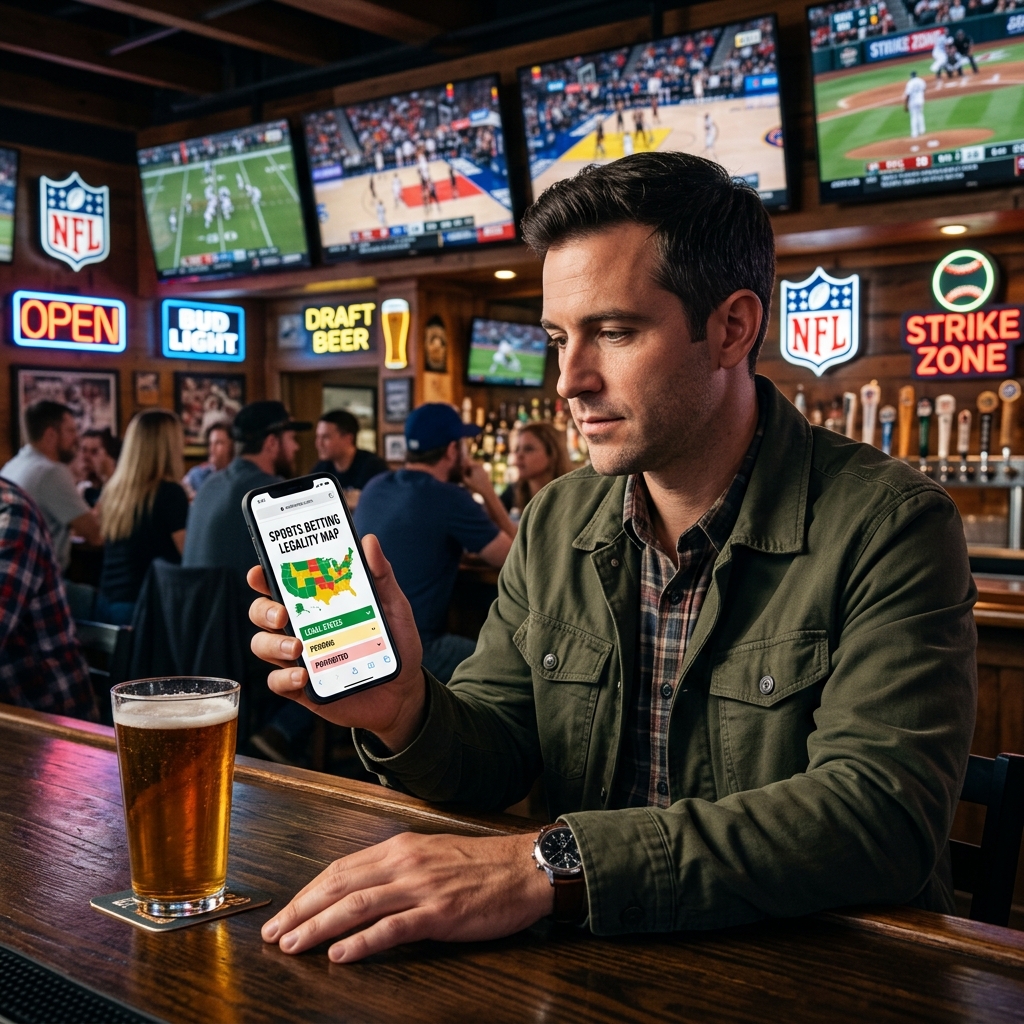
Sports betting has moved from casino sportsbooks and informal office pools into mainstream mobile apps, but the legality of placing a wager still depends heavily on where you live. While a growing majority of U.S. states now regulate sports wagering, each state sets its own rules about whether bets are allowed, how they can be placed, and who can offer them.
This guide explains how sports betting laws work in the United States, how to tell whether betting is legal in your state, and what practical steps you can take to stay compliant and protect yourself as a consumer.
How Federal Law Shapes Sports Betting
For many years, most sports betting in the United States was effectively banned by federal law. That changed in 2018, opening the door for states to decide for themselves whether to permit wagers on sporting events.
The end of the national sports betting ban
Congress previously restricted sports wagering through the Professional and Amateur Sports Protection Act of 1992 (PASPA), which prevented states from authorizing sports betting except for a few that were already operating sports books.
In Murphy v. National Collegiate Athletic Association, the U.S. Supreme Court struck down PASPA in 2018, holding that the law violated principles of state sovereignty. Once PASPA was invalidated, states gained clear authority to legalize and regulate sports betting within their borders, subject to other federal rules such as restrictions on interstate gambling.
Why state law now matters most
Federal law still governs areas like interstate transmissions of bets and certain online gambling activities, but it no longer prohibits states from adopting their own sports betting frameworks. As a result:
- Each state chooses whether to permit sports betting at all.
- States that legalize betting decide whether wagers can be made online, in person, or both.
- Tribal gaming compacts can create special rules for bets placed on tribal lands.
Current Landscape: Where Is Sports Betting Legal?
Since 2018, state-level legalization has moved quickly. As of the most recent data, sports betting is legal in the majority of U.S. states, though specific forms of betting vary.
National snapshot of legality
Recent industry and media analyses indicate that around 39 states, plus Washington, D.C., have legalized sports betting in some form. Among these, roughly 30 jurisdictions offer legal online or mobile sports wagering, while others limit betting to retail locations or tribal casinos.
In contrast, a smaller group of states still prohibit regulated sports betting entirely. These states do not allow licensed sportsbooks, whether online or in person.
Major categories of state sports betting laws
When considering whether betting is allowed, it is helpful to group states by the types of legal wagering they permit.
| Type of Legal Framework | What It Means for Bettors | Typical Examples |
|---|---|---|
| Online & In‑Person Betting | Bettors can place wagers via approved apps or websites and at physical sportsbooks in casinos or licensed venues. | Many states, including Arizona, Colorado, New Jersey, New York, Pennsylvania, and others fall into this group. |
| Online‑Only Betting | Bets are allowed through licensed mobile and online platforms. Physical sportsbooks are not authorized. | Some states, such as Tennessee and Vermont, focus on mobile wagering without retail locations. |
| In‑Person‑Only Betting | Sports bets must be placed on-site at casinos, racetrack sportsbooks, or tribal gaming facilities. No statewide online betting. | States like Mississippi and Nebraska allow wagers only at specific brick‑and‑mortar venues. |
| Tribal‑Only Markets | Betting is permitted only at tribal casinos or, in some cases, through tribal‑controlled online platforms pursuant to compacts. | In states such as Washington or Wisconsin, sports betting is available only under tribal agreements. |
| Sports Betting Prohibited | No legal sportsbooks operate; regulated sports betting is not permitted through any format. | States including Alabama, Alaska, California, Georgia, Hawaii, Idaho, Texas, and Utah currently prohibit sports betting. |
How to Check If Sports Betting Is Legal in Your State
Because each state sets its own rules, you should treat sports betting as a local legal issue. Before placing a bet, confirm both whether betting is authorized and which types of wagers are permitted.
Key questions to ask
- Is sports betting expressly authorized by state law or tribal compact? Check whether your state has passed legislation allowing licensed sportsbooks or has entered gaming agreements with tribal governments.
- Which formats are legal? Determine whether your state allows online betting, in‑person wagers, or both. Some states permit only mobile apps, while others restrict betting to physical sportsbooks.
- Who may offer sports betting? Confirm whether only casinos, racetracks, tribal casinos, or state lotteries may operate sportsbooks, and whether out‑of‑state apps are permitted under licensing schemes.[10]
- What is the minimum age? States usually set a betting age of 21, but some jurisdictions use 18 for certain forms of gambling.
- Are there location restrictions? Online platforms often use geolocation technology to ensure wagers are placed within state borders, and some tribal systems require bets to be placed on tribal lands.
Where to find reliable information
To answer these questions, consult high‑quality sources rather than relying on informal advice or unverified websites. Useful starting points include:
- State gaming commissions and lottery boards, which publish official rules, licensing information, and lists of legal operators.[10]
- Government or attorney general websites that summarize gambling and sports wagering laws.
- Industry maps produced by reputable organizations, such as the American Gaming Association, which track where regulated sports betting is available.[10]
Online vs. In‑Person Sports Betting
The growth of sports betting has been driven largely by mobile and online platforms, but not every state treats digital wagers the same way. Understanding the differences between online and in‑person betting can help you interpret your state’s rules.
Online sports betting rules
Online sports betting typically means placing wagers through licensed websites or mobile apps that operate within a specific state. These platforms must comply with state regulations regarding licensing, consumer protections, and responsible gambling programs.[10]
Common features of legal online markets include:
- Mandatory geolocation to verify that bettors are physically inside the state where the sportsbook is licensed.
- Identity verification and age checks to prevent underage gambling.[10]
- Limits on wager types, such as prohibitions on certain college sports or high‑school events.[10]
In‑person and retail sportsbooks
In‑person betting occurs at physical sportsbooks located in casinos, racetracks, tribal gaming facilities, or other venues authorized by state law. States that permit only in‑person wagering generally require bettors to:
- Travel to a licensed facility to place and sometimes cash out bets.
- Observe venue‑specific house rules approved by regulators.
- Place bets during operating hours and through on‑site kiosks or ticket windows.
Some states, such as Nebraska and Mississippi, use this model to maintain closer control over wagering and limit rapid, anonymous online betting.
States Where Sports Betting Is Still Illegal
Not every state has embraced legalized sports betting. A group of states continues to prohibit regulated sportsbooks, either due to legislative decisions or constitutional constraints.
Complete prohibitions
States that currently do not offer any legal sports betting options include Alabama, Alaska, California, Georgia, Hawaii, Idaho, Oklahoma, South Carolina, Texas, and Utah. In these jurisdictions:
- No licensed retail sportsbooks or statewide online betting platforms operate.
- Commercial sports betting through apps or websites is illegal.
- Unregulated offshore sites may still solicit customers, but they are not authorized under state or federal law.
Utah presents a particularly strong barrier because its state constitution explicitly forbids gambling, making future legalization unlikely without major legal changes.
Consumer Protection Issues in Sports Betting
Legal sports betting brings opportunities for entertainment and tax revenue, but it also creates risks for consumers. States typically build safeguards into their regulatory systems to address issues such as problem gambling, fraud, and unfair practices.[10]
Why regulation matters for bettors
Regulated sports betting offers several protections that are not guaranteed when using unlicensed or offshore operators:
- Oversight and licensing – State regulators can require operators to meet financial, technical, and ethical standards before offering bets.[10]
- Responsible gambling tools – Many regulated platforms must provide self‑exclusion options, deposit limits, and information on problem gambling resources.[10]
- Dispute resolution – If a licensed sportsbook fails to honor payouts or engages in deceptive practices, regulators may intervene, and consumers may have legal recourse.[10]
Risks of unregulated betting
Using unlicensed or offshore sportsbooks can expose bettors to serious risks:
- Funds may be difficult or impossible to recover if an operator refuses payouts or shuts down unexpectedly.
- Data security practices may be weak, increasing risks of identity theft or fraud.
- Consumers may have no effective way to challenge unfavorable decisions or incorrect grading of bets.
Practical Tips Before You Place a Bet
Whether you are considering a casual wager on a championship game or exploring regular betting through an app, it is important to take basic steps to stay within the law and protect yourself.
Checklist for individual bettors
- Confirm legality in your state – Use official state or regulatory websites to verify whether sports betting is allowed and in what forms.[10]
- Use only licensed operators – Choose sportsbooks that are explicitly approved by your state’s gaming authority or lottery board.[10]
- Check age requirements – Make sure you meet your state’s minimum age for sports betting, typically 21.
- Understand bet types – Read terms carefully, especially for live betting, parlays, and futures, to avoid misunderstandings about payouts or timing.
- Set limits – Decide in advance how much you can afford to lose, and consider using responsible gambling tools offered by regulated platforms.
Special considerations for workplaces and groups
Office pools and informal betting at work may appear harmless, but they can raise legal and employment issues. Key factors include whether bets involve real money, how they are organized, and whether they cross state lines.
For businesses and group organizers, it is prudent to:
- Review state laws regarding social gambling and private betting pools.
- Avoid using company funds, accounts, or communication channels to run betting operations.
- Consult legal or HR professionals if considering any structured betting activity in the workplace.
Frequently Asked Questions About Sports Betting Laws
Is online sports betting legal everywhere if one state allows it?
No. Online sports betting is legal only in states that have specifically authorized it and licensed operators. Sportsbooks use geolocation technology to ensure that wagers occur within allowed jurisdictions.
Can I use an out‑of‑state betting app while traveling?
You can typically use a sports betting app only if you are physically located in a state where that app is licensed and operational. If you cross into a state that prohibits betting or does not license that operator, the app may block wagers using geolocation.
Is it illegal to bet with an offshore sports betting website?
Offshore websites often operate without U.S. state licenses and outside domestic regulatory systems. Even if they accept U.S. customers, they may violate state or federal law, and bettors have limited protection if disputes arise.
What is the minimum age to place a sports bet?
Most states that allow sports betting set the minimum age at 21, though exact rules can vary by jurisdiction and type of gambling. Always check your state’s regulations before wagering.
Do tribal casinos follow different sports betting rules?
Yes. Sports betting at tribal casinos generally operates under tribal‑state compacts that define which games are allowed, how wagers are offered, and how revenue is shared. In some states, such as Florida and Washington, tribal agreements create limited or exclusive markets for sports wagering.
References
- Sports Betting Regulations in the US 2026 | By State Guide — RG.org. 2026-05-15. https://rg.org/guides/regulations
- U.S. sports betting: Where all 50 states stand on legalizing online sports betting sites, proposed legislation — CBS Sports. 2025-04-10. https://www.cbssports.com/betting/news/u-s-sports-betting-where-all-50-states-stand-on-legalizing-online-sports-betting-sites-proposed-legislation/
- Sports Betting Laws: Risks for Small Businesses — Rocket Lawyer. 2025-03-01. https://www.rocketlawyer.com/the-briefing-room/sports-betting-laws-by-state-what-small-businesses-should-know
- Which U.S. States Have Regulated Sports Betting? — Paysafe. 2025-11-20. https://www.paysafe.com/us-en/resource-center/which-us-states-have-regulated-sports-betting/
- Sports Betting States: Where It’s Legal in the US 2026 — FOX Sports. 2026-05-30. https://www.foxsports.com/stories/betting/where-is-sports-betting-legal
- Gaming Map — American Gaming Association. 2025-09-01. https://www.americangaming.org/research/state-of-play-map/
- Gambling in the United States — Wikipedia (summary of legal framework, citing U.S. Supreme Court and federal statutes). 2025-02-10. https://en.wikipedia.org/wiki/Gambling_in_the_United_States
Similar Articles








Read full bio of medha deb


