
Filing a Car Insurance Claim After a Crash
Learn how to protect your rights, document the accident, and navigate the claims process smoothly after a car crash.
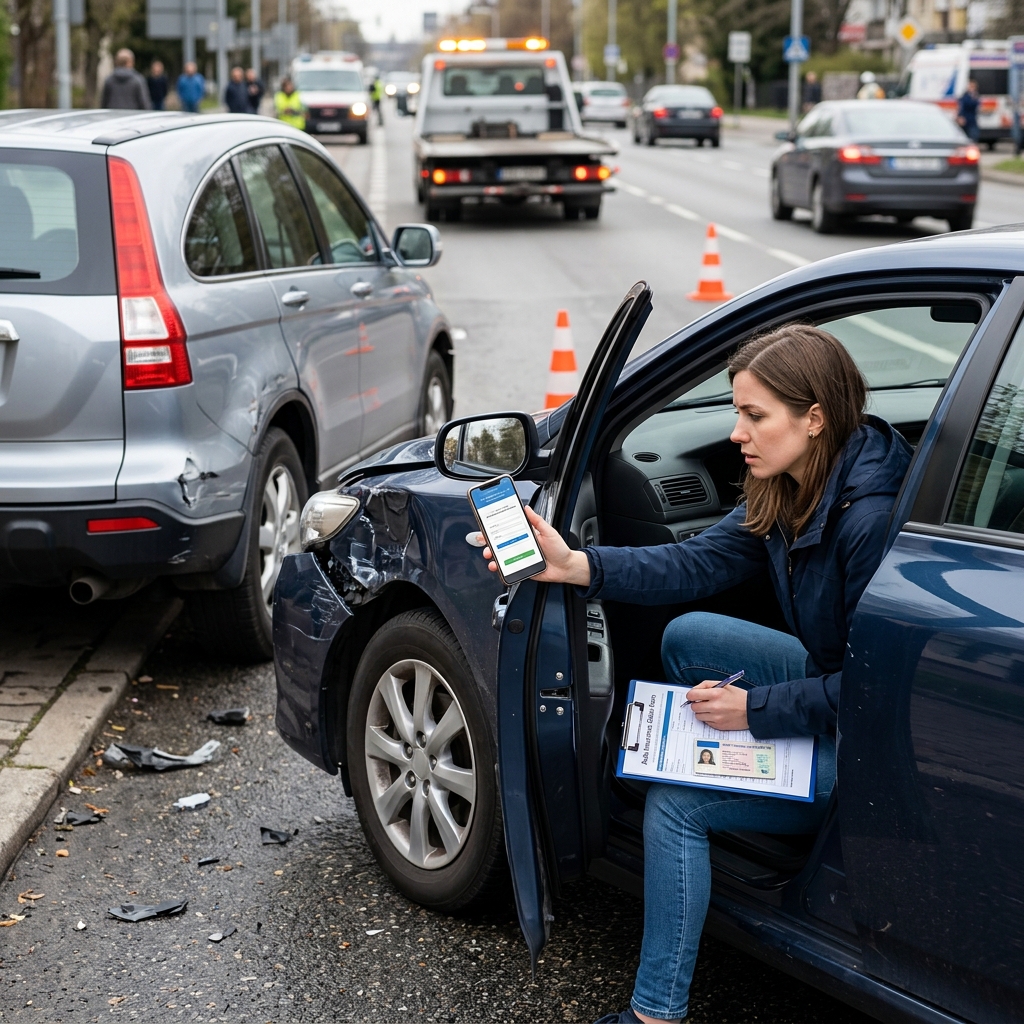
A car accident can turn an ordinary day into a stressful and confusing experience. Once you make sure everyone is safe and any urgent medical needs are handled, you will almost always need to deal with car insurance. Understanding how claims work and what steps to take can help you protect your rights, shorten the claims process, and improve your chances of a fair payout.
This guide walks through the key stages of filing a car insurance claim, from what to do at the scene to working with the adjuster and resolving disputes. The information is general in nature; specific rules and deadlines will vary by state law and by your insurance policy.
1. Immediate Steps at the Accident Scene
Your actions in the minutes and hours after a crash will shape the rest of your claim. Safety and documentation are the top priorities.
1.1 Focus on Safety First
Before you think about insurance, make sure everyone is safe:
- Check yourself and passengers for injuries and call emergency services if anyone may be hurt.
- If vehicles are drivable and it is safe, move them out of traffic to avoid another collision.
- Turn on hazard lights and, if available, use warning triangles or flares to alert other drivers.
If someone is seriously injured, do not attempt to move them unless there is an immediate danger (such as fire). Let medical professionals handle this.
1.2 Contact Law Enforcement
In many states, you must report accidents that involve injuries, fatalities, or significant property damage.[10] Even when a police officer does not come to the scene, you may be able to file a written report later.
- Call 911 or the local non-emergency number to report the crash.
- Provide your driver’s license and insurance details to the officer, and answer questions honestly based on what you observed.
- Ask how you can obtain a copy of the accident or incident report, and note the report number if one is provided.[10]
The police report can serve as an official record for your insurance claim and may be helpful if fault is disputed.
1.3 Exchange Information and Identify Witnesses
Insurance claims rely heavily on accurate information. Obtain and share basic details with the other drivers and any witnesses.[10]
- Names, addresses, and phone numbers of all drivers involved.[10]
- Insurance company names and policy numbers.[10]
- License plate numbers and vehicle descriptions (make, model, color).
- Names and contact information of passengers and witnesses.[10]
Keep the conversation courteous, but avoid discussing who was at fault or promising to pay for damages. Many state insurance departments caution against admitting responsibility at the scene because fault determinations can be complex.[10]
1.4 Document the Scene Thoroughly
Photos, notes, and diagrams provide critical evidence for your claim and may help recreate the accident later.[10]
- Take pictures of each vehicle from multiple angles, including close-ups of damage and wide shots showing road position.
- Photograph skid marks, road signs, traffic signals, and weather or visibility conditions.[10]
- Write down the time, location, and a simple description of what happened while details are still fresh.[10]
Many insurers now encourage or require photo submission, often via mobile apps, as part of their claims process.
2. Deciding Whose Insurance to Use
After the initial shock fades, you will need to decide how to pursue coverage. In some situations, you may file with your own insurer, the other driver’s insurer, or both.
2.1 First-Party vs. Third-Party Claims
| Type of claim | Who you file with | Common uses | Key considerations |
|---|---|---|---|
| First-party claim | Your own insurance company | Collision, comprehensive, uninsured/underinsured motorist, medical payments | May involve a deductible; generally covered by policy terms. |
| Third-party claim | Another driver’s insurance company | Damage caused by the other driver’s negligence | No deductible, but disputes over fault or value are more common. |
Your options depend on your coverages (such as collision or medical payments) and state law. Some states have “no-fault” systems for injuries, while property damage claims still focus on who caused the crash.
2.2 When to Notify Your Own Insurer
As a general rule, you should contact your own insurance company or agent as soon as reasonably possible, even if you believe the other driver is clearly at fault.[10]
- Reporting promptly can help you avoid missing policy deadlines for filing or documenting claims.
- Your insurer can explain which coverages apply and whether you should also file with the other driver’s company.[10]
- Some policies require timely notice as a condition of coverage.[10]
State insurance departments commonly advise drivers to keep their insurer’s claim contact information and policy number handy in the vehicle, so they can call from the scene or soon after the accident.[10]
3. Starting the Claims Process
Once you have basic information and have notified your insurer, the claim officially begins. Each company has its own procedures, but several common steps appear in most auto claims.[10]
3.1 How to File: Phone, Online, or Mobile App
Insurers typically offer multiple ways to file claims:
- Phone call: Speak directly with a representative or your agent to report the accident.
- Online form: Many insurer websites allow you to open a claim, upload documents, and track status.
- Mobile app: Some apps let you submit photos, request towing, arrange rental cars, and view your deductible and claim updates.
Ask how the company prefers to receive information and whether using the app or website can speed your claim.
3.2 Information and Documents You Will Need
To start and support your claim, you will normally be asked for:[10]
- Your policy number and contact information.
- Date, time, and location of the crash.
- Names and contact details for all drivers, passengers, and witnesses.[10]
- Vehicle information (year, make, model, VIN, license plates).
- Description of damages and preliminary photos.
- Police report number or copy, if available.[10]
Some insurers will send a “proof of claim” form, which you must complete accurately and return within a specified period.
3.3 Tracking Deadlines and Claim Timing
Policies and state laws can impose time limits for key claim steps.
- Deadlines for reporting the accident and submitting medical bills or repair documents.
- Time frames for challenging a settlement offer or pursuing dispute resolution.
- Statutes of limitations for filing lawsuits related to bodily injury or property damage.
Ask your insurer about any relevant deadlines and keep notes of what you are told. State insurance departments emphasize the importance of knowing your time limits to avoid losing rights inadvertently.[10]
4. Working With the Insurance Adjuster
After your claim is opened, an insurance adjuster will typically be assigned to review the facts, inspect damages, and make recommendations about payment.
4.1 What the Adjuster Does
The adjuster’s role generally includes:
- Reviewing the accident description, photos, and police report.
- Inspecting the vehicle or arranging an appraisal, either in person or via photos and repair shop reports.
- Assessing policy coverages, deductibles, and applicable limits.
- Communicating settlement figures for repair or total loss and, if applicable, medical or rental coverage.
Keep the adjuster’s name, phone number, and email in your records. State insurance authorities advise policyholders to document all conversations, including dates and key points discussed.[10]
4.2 Repair Choices and Rental Cars
Policies differ in how repairs are handled, but common issues include:[10]
- Whether you may choose any repair shop or must use one in an insurer-preferred network.[10]
- How estimates are gathered and approved before repair work begins.
- Whether your coverage includes rental car reimbursement while your vehicle is in the shop.
Ask your adjuster to explain how these features work under your policy and what you must do to receive reimbursement (for example, submitting receipts or using certain vendors).[10]
5. Medical Bills, Lost Wages, and Other Damages
Car accidents can cause more than just vehicle damage. Injuries, time away from work, and other losses may be covered by various portions of your policy or the other driver’s liability coverage.
5.1 Documenting Injuries and Expenses
Even seemingly minor injuries should be evaluated by a medical professional. For claim purposes, keep clear records:[10]
- Copies of medical records and itemized bills.
- Receipts for prescriptions, physical therapy, and medical equipment.
- Written notes of symptoms and how they impact daily activities.
- Employer letters or pay stubs showing lost income.
State insurance agencies recommend providing detailed documentation to help adjusters understand the full scope of your losses.[10]
5.2 Types of Coverage That May Apply
Depending on your policy and state, the following may provide benefits:
- Bodily injury liability: Pays for injuries you cause to others when you are at fault, up to policy limits.
- Property damage liability: Covers damage you cause to someone else’s vehicle or other property.
- Medical payments or personal injury protection (PIP): May help pay medical expenses for you and your passengers, regardless of fault, in applicable states.
- Uninsured/underinsured motorist coverage: Provides protection if the at-fault driver has no insurance or not enough coverage.
Your insurer or agent can help you interpret how these coverages apply to your specific accident.[10]
6. Disputes, Denials, and Next Steps
Not all claims go smoothly. You may disagree with the valuation of your vehicle, the decision on fault, or the amount offered for injuries or other losses.[10]
6.1 Common Sources of Disagreement
- Whether your vehicle is a total loss or repairable and at what cost.
- How diminished value is handled after repair.
- Fault determinations, especially in complex crashes or where accounts conflict.
- Whether medical treatment is considered reasonable and necessary.
If you receive a denial letter or a settlement offer you believe is too low, request a clear explanation of the reasons in writing.[10]
6.2 Options When You Disagree With an Offer
Available options vary by state and policy, but may include:[10]
- Negotiating further with the adjuster or requesting a supervisor review.
- Submitting additional documents, such as independent repair estimates or medical opinions.
- Contacting your state insurance department for consumer assistance or guidance on filing complaints.[10]
- Consulting a qualified attorney, especially for serious injury or complex liability issues.
- Filing a lawsuit within the applicable statute of limitations if the dispute cannot be resolved.
In some states, if the other driver’s insurer denies your third-party claim or offers less than you believe you are owed, you may choose instead to pursue coverage under your own policy (if available) or bring a legal action against the at-fault driver.
7. Recordkeeping and Claim Organization Tips
Staying organized can make the claims process more manageable and help you respond quickly to insurer requests.[10]
- Create a folder (physical or digital) for all claim-related materials, including photos, reports, bills, and letters.
- Maintain a log of phone calls, noting dates, times, and names of people you spoke with, along with key points discussed.[10]
- Store copies of any forms you submit and keep proof of delivery if mailed or faxed.
- Review your policy so you understand deductibles, limits, and exclusions.
Official guidance from multiple state insurance agencies emphasizes meticulous recordkeeping to safeguard your rights during claims.[10]
8. Practical FAQ About Auto Insurance Claims
FAQ 1: Do I have to call my insurer even if the accident was minor?
Many insurers and state insurance regulators recommend notifying your insurance company as soon as possible after any accident, even if damage appears minor.[10] Hidden damage can surface later, and early notice helps avoid coverage disputes based on late reporting.
FAQ 2: Can I file a claim without a police report?
Yes, in many cases you can file a claim without a police report if your insurer has enough information to evaluate the loss. However, a report can strengthen your documentation, and some states or insurers may require reporting when injuries or major damage are involved.[10]
FAQ 3: How long will the claims process take?
Timelines vary widely. Insurers are often required by state law or regulation to respond within certain periods, but the overall claim length depends on the complexity of the accident, availability of documents, and nature of injuries. Ask your adjuster about expected timing and any statutory or policy deadlines that apply.
FAQ 4: Will my insurance rates go up if I file a claim?
Premium impacts depend on many factors, including fault, claim type, your driving record, and state rules. Some insurers offer accident forgiveness programs, while in other situations a claim may contribute to higher future premiums. Your insurer or agent can explain how a particular claim may affect your rates.
FAQ 5: What if the other driver has no insurance?
If the at-fault driver is uninsured, your options may include making a claim under your uninsured motorist coverage, using collision or medical payments coverage, or pursuing legal action against the driver directly. The available paths will depend on your policy and state law.
References
- How to file an auto insurance claim — Insurance Information Institute. 2023-04-15. https://www.iii.org/article/how-do-i-file-claim
- Insurance Claims After an Accident: The Basics — FindLaw. 2022-09-30. https://www.findlaw.com/injury/accident-injury-law/insurance-claims-after-an-accident-the-basics.html
- Tips for Filing Auto Insurance Claim — Georgia Office of Commissioner of Insurance and Safety Fire. 2021-06-01. https://oci.georgia.gov/insurance-resources/auto/auto-claim-tips
- What to Know About Your Insurance After a Car Accident — District of Columbia Department of Insurance, Securities and Banking. 2020-11-10. https://disb.dc.gov/page/what-know-about-your-insurance-after-car-accident
- Were you in a wreck? Tips for auto insurance claims — Texas Department of Insurance. 2022-08-12. https://www.tdi.texas.gov/tips/what-to-do-after-a-wreck.html
- Filing an Auto Claim With Another Driver’s Insurance Company — Illinois Department of Insurance. 2021-05-20. https://idoi.illinois.gov/consumers/consumerinsurance/auto/filing-an-auto-claim-with-anothers-insurance-company.html
- So You’ve Had an Accident, What’s Next? — California Department of Insurance. 2019-07-01. https://www.insurance.ca.gov/01-consumers/105-type/95-guides/01-auto/hadaccident.cfm
Similar Articles








Read full bio of medha deb




