
Winter Evictions: What Landlords and Tenants Need to Know
Understand how evictions work in cold-weather months, including legal limits, safety rules, and practical options for both landlords and tenants.
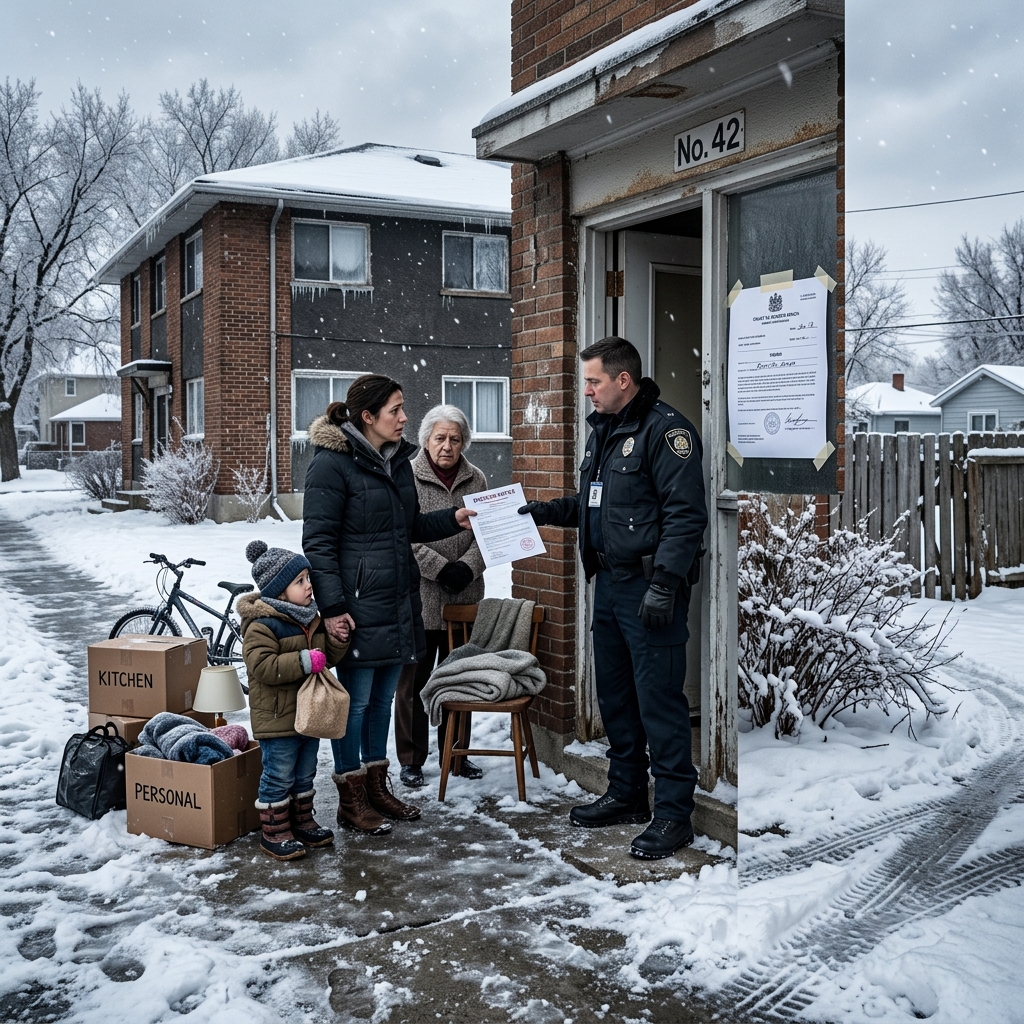
Many renters believe that landlords cannot evict anyone once temperatures drop or snow appears. In reality, evictions can usually proceed year-round, but winter brings extra legal and practical considerations that both landlords and tenants need to understand.
This guide explains how winter evictions work, where seasonal protections may exist, and what steps each side should take to stay compliant with the law and safe in cold weather.
Can Evictions Happen During Winter?
In most parts of the United States, there is no blanket prohibition on evictions during the winter season. If a landlord has a valid legal reason and follows the required court process, an eviction action may move forward regardless of the month.
- Courts generally allow eviction filings year-round for legal causes such as nonpayment of rent or serious lease violations.
- Tenants usually do not gain extra rights solely because it is cold outside or because holidays are approaching.
- Special protections, if they exist, are typically created by specific state or local laws, not by general custom or myth.
That said, winter can affect how and when an eviction order is enforced, especially during extreme weather events or in jurisdictions that adopt seasonal protections.
Common Myths About Winter Evictions
Persistent myths can cause confusion and lead to risky decisions. Two misunderstandings are particularly widespread:
- Myth 1: Landlords cannot evict tenants in winter.
Most states allow lawful evictions in every month of the year. A tenant who stops paying rent or violates the lease can still face eviction even during the coldest weeks. - Myth 2: Tenants cannot move out or end a lease in winter.
Tenants generally retain the ability to terminate a lease according to its terms (or with appropriate notice), regardless of the season.
Because laws vary by jurisdiction, both parties should confirm local rules to avoid relying on inaccurate assumptions.
Legal Grounds for Eviction Remain the Same
Winter does not change the basic legal reasons that can justify eviction. Across states, landlords typically must show a valid cause under landlord-tenant law or the lease agreement.
| Typical Legal Cause | Example | Applies in Winter? |
|---|---|---|
| Nonpayment of rent | Tenant fails to pay monthly rent by the deadline. | Yes, landlords may file for eviction if rent is not paid. |
| Lease violations | Unauthorized occupants, pets, or illegal activity. | Yes, violations can support eviction actions at any time. |
| Holdover tenancy | Tenant remains after lease expires without permission. | Yes, after proper notice, landlord may seek eviction. |
| Serious property damage | Tenant causes extensive damage or safety hazards. | Yes, regardless of season, if permitted by local law. |
Without a legally recognized cause, a landlord generally must wait until the lease term ends and then follow notice requirements before asking a tenant to move.
The Winter Eviction Process: Key Steps
While details vary, the eviction process in winter usually mirrors the process at other times of year. A typical sequence includes:
- Written notice to the tenant
Landlords start by giving written notice that identifies the problem and a deadline to fix it or vacate. Common examples include:- Notice to pay rent or quit (often three days in many states).
- Notice to cure a lease violation or quit.
- 30-day notice to end a month-to-month tenancy.
- Waiting period
The landlord must wait the legally required number of days before filing in court. Tenants may still cure the problem (for example, by paying overdue rent) during that window if state law allows. - Filing an eviction lawsuit
If the issue is not resolved, the landlord files an eviction case (often called “unlawful detainer”) in the appropriate court. - Court hearing and judgment
A judge decides whether the landlord has met legal requirements. If the landlord prevails, the court may issue an order authorizing eviction. - Enforcement by law enforcement
Only an authorized officer, such as a sheriff, may physically remove a tenant, and only after a valid court order. Self-help actions—like changing locks or shutting off heat—are typically illegal.
Winter weather may affect the final enforcement step if local authorities temporarily suspend removals during storms or extreme cold.
Where Winter Protections May Apply
Although most jurisdictions do not ban winter evictions, a few have adopted seasonal protections or cold-weather rules.
Seasonal Moratoriums on Evictions
Some lawmakers have proposed or enacted laws that limit residential evictions during specified winter months. For example, one New York legislative proposal would create a “winter moratorium on evictions” to prohibit certain residential evictions during winter. Other cities or counties may adopt policies that pause enforcement during extreme cold or holidays.
These protections typically:
- Target residential tenants rather than commercial properties.
- Apply only to the physical removal, not to the filing of court cases.
- Include exceptions for serious safety threats, unlawful activity, or other urgent circumstances.
Temperature-Based Limits on Enforcement
Some jurisdictions restrict eviction enforcement when temperatures fall below a certain threshold. For instance, a county policy may stop sheriffs from carrying out lockouts when outdoor temperatures are extremely low or during specific holiday periods.
When these rules apply:
- The court can still issue an eviction order, but law enforcement waits to enforce it until conditions improve.
- Landlords may need to reschedule enforcement and pay additional fees to the sheriff’s office.
- Tenants gain temporary protection from physical removal but remain obligated under the lease.
Cold-Weather Habitability Standards
Separate from eviction rules, some states impose minimum temperature requirements to keep rental units habitable in cold months. For example, one state has adopted a law requiring landlords to maintain indoor temperatures at or above a specified level during the heating season in units where residents cannot control the heat themselves.
Failure to meet habitability standards can lead to:
- Tenant complaints or code enforcement actions.
- Possible rent abatements or court orders requiring repairs, depending on local law.
- Limits on a landlord’s ability to evict if the unit is not legally habitable.
Utilities, Heat, and Illegal Self-Help in Winter
Winter increases the consequences of any attempt by a landlord to force a tenant out without going through the court system. In most states, landlords are prohibited from using “self-help” tactics such as turning off heat or electricity, removing doors, or changing locks to push tenants out.
- Shutting off heat or power can be especially dangerous in freezing temperatures and may violate local housing codes or landlord-tenant laws.
- Lockouts or removal of belongings are typically illegal unless done under a lawful court order executed by law enforcement.
- Tenants facing self-help actions may be able to seek emergency court relief or report the conduct to local enforcement agencies.
Landlords who engage in self-help may face damages, penalties, or even criminal consequences, depending on state law.
Special Considerations for Vulnerable Tenants
Winter eviction can be particularly harsh for families with children, older adults, or tenants with disabilities. However, many state laws explicitly state that there is no automatic exemption from eviction for these groups if the landlord has a valid cause and follows lawful procedures.
In some jurisdictions, tenants may request extra time before an eviction is enforced. For example, a court may grant a “stay of execution” of the eviction order for several months in hardship situations such as difficulty finding alternative housing, with longer stays possible for elderly or disabled tenants.
These protections are:
- Case-specific and granted at a judge’s discretion.
- Dependent on the tenant’s ability to show hardship or lack of fault.
- Limited in duration, not permanent safe harbors from eviction.
Practical Tips for Landlords During Winter
Landlords who consider eviction in winter should balance legal rights with safety and practical realities.
- Confirm local laws
Check state statutes, municipal codes, and court policies to identify any winter moratoriums, temperature-based limits, or special requirements. - Maintain habitability
Ensure heat, hot water, and other essential services meet local standards. Do not cut utilities as a pressure tactic—this can be unlawful and dangerous. - Consider negotiated solutions
Before filing for eviction, explore payment plans, mediation, or move-out agreements, particularly during extreme cold or holiday periods. - Document everything
Keep records of notices, communications, maintenance, and payments. Clear documentation helps demonstrate compliance if the matter goes to court. - Avoid self-help
Always use the court process and law enforcement. Do not change locks, remove doors, or shut off heat to force a move-out.
Practical Tips for Tenants Facing Winter Eviction
Tenants who receive an eviction notice in winter should respond quickly and proactively.
- Read the notice carefully
Understand the alleged reason, the cure period, and the deadline for action. Many notices give a short window to pay rent or correct a violation. - Act within the cure period
If possible, pay overdue rent or fix the lease violation before the deadline. In some states, curing the issue within the notice period can prevent eviction. - Seek legal advice
Contact legal aid, tenant rights organizations, or a lawyer to review your options, including defenses or hardship requests. - Document habitability problems
If the unit lacks heat or fails to meet safety standards, record evidence and report issues according to local procedures; this may affect the eviction case. - Prepare for alternative housing
Even when winter protections exist, they often delay rather than prevent eviction. Begin exploring new housing options as early as possible.
Frequently Asked Questions About Winter Evictions
Do I have extra rights in winter that prevent eviction?
In most places, tenants do not gain automatic extra rights simply because it is winter. Landlords can still file for eviction if there is legal cause and they follow the proper court process. Some jurisdictions may offer limited seasonal protections, but these are tied to specific statutes or policies, not to the season alone.
Can a landlord turn off my heat to make me leave?
Generally, no. Turning off essential utilities such as heat or electricity to force a tenant out is often illegal and may violate both landlord-tenant laws and local housing codes. Eviction must occur through the courts and law enforcement, not through self-help tactics.
Are eviction orders ever delayed because it is too cold?
Yes, in some jurisdictions the authorities may postpone physical enforcement of an eviction order during periods of extreme cold or around certain holidays. The court’s judgment still stands, but the actual lockout may be rescheduled once conditions improve.
Can a tenant ask the court for more time to move in winter?
In certain states, tenants may request that a judge temporarily delay enforcement of an eviction (often called a stay of execution) due to hardship or difficulty finding housing. The availability and length of such a stay depends on local law and the tenant’s circumstances.
Is it legal to file an eviction case during the holidays?
In most jurisdictions, landlords are allowed to file eviction actions at any time of year, including during the holidays. However, actual enforcement by sheriffs or other officers may be limited or paused during certain holiday periods in some areas.
References
- Can Landlords Evict Tenants During Winter Months? — Rocket Lawyer. 2023-11-01. https://www.rocketlawyer.com/real-estate/landlords/eviction/legal-guide/can-landlords-evict-tenants-during-winter-months
- Can You Evict in the Winter in Chicago? A Guide for Landlords — GC Realty & Development. 2023-02-15. https://www.gcrealtyinc.com/blog/can-you-evict-in-the-winter-in-chicago-a-guide-for-landlords
- NY State Senate Bill S1403A: Winter Moratorium on Evictions Act — New York State Senate. 2023-06-07. https://www.nysenate.gov/legislation/bills/2023/S1403/amendment/A
- Minnesota Passes New Protection to Ensure Rental Units Remain Habitable During Winter — National Low Income Housing Coalition. 2021-03-15. https://www.nlihc.org/resource/minnesota-passes-new-protection-ensure-rental-units-remain-habitable-during-winter
- Winter Issues — Tenant Resource Center (Wisconsin). 2020-12-10. https://www.tenantresourcecenter.org/winter_issues
- Massachusetts Law About Eviction — Mass.gov. 2024-01-05. https://www.mass.gov/info-details/massachusetts-law-about-eviction
- Eviction – Tenants’ Rights — Housing Equality Center of Pennsylvania. 2022-08-01. https://renters.equalhousing.org/eviction/
Similar Articles








Read full bio of Sneha Tete


