
Planning Guardianship and Child Care: Key Legal Documents
Understand the core legal documents and practical steps needed to ensure your children are protected and cared for when you cannot be there.
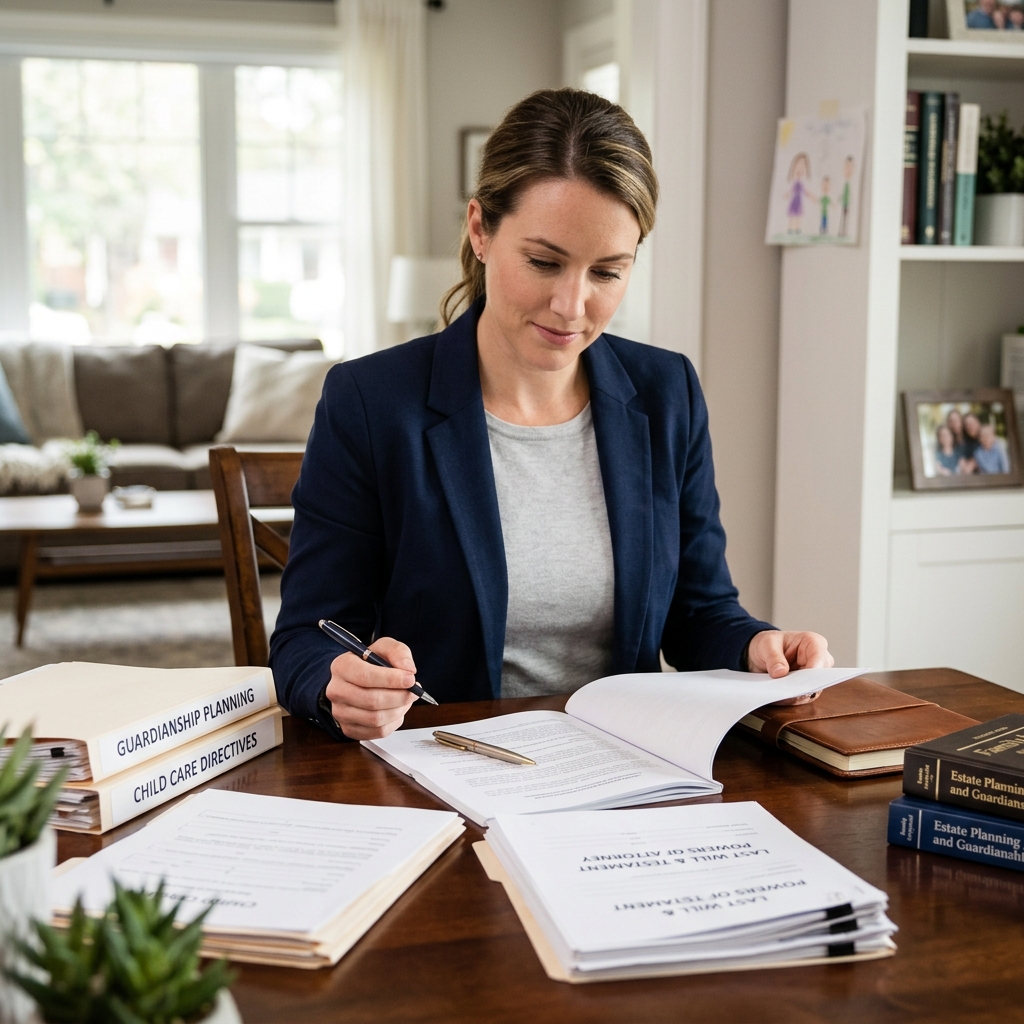
Making sure your children are safe and cared for when you are not available requires more than verbal instructions. It often demands a set of clear legal documents that allow trusted adults to make decisions, access services, and step in as caregivers when needed.
This guide explains the main types of documents parents frequently use for guardianship and child care planning, how they work together, and practical steps to create an organized plan. While specific forms and rules vary by state or country, the concepts described here can help you understand what to ask about when speaking with a lawyer or using reputable self-help resources.
Why Planning Ahead for Child Care and Guardianship Matters
Parents commonly assume that family members or close friends will know what to do in an emergency. Yet without formal authority, even a willing caregiver may have difficulties consenting to medical treatment, enrolling a child in school, or dealing with authorities and service providers.[10]
Guardianship and child care planning documents serve several important purposes:
- Empower caregivers to make medical, educational, and daily care decisions without unnecessary delay.
- Clarify your wishes about who should care for your children, and under what circumstances.
- Prevent confusion or conflict among relatives, schools, health providers, and child protection agencies.
- Provide continuity in routines, schooling, and medical care if you are absent due to travel, illness, or emergencies.
Core Elements of a Child Care and Guardianship Plan
An effective plan is built from several interconnected components. Not every family will need all the pieces listed below, but most parents benefit from considering each category:
- Short-term child care authorizations for day-to-day situations.
- Medical consent and emergency treatment permissions.
- Temporary transfer of parental powers through a power of attorney.
- Long-term guardianship choices documented in a will or court orders.
- Non-legal instructions and practical information for caregivers.
Short-Term Child Care Authorization Documents
Short-term child care documents allow another adult to care for your child in predictable situations, such as babysitting, school pick-ups, or weekend stays with relatives. These forms typically do not replace you as the legal parent, but they help caregivers perform routine tasks.
Child Care Authorization or Similar Forms
Many parents use a child care authorization form or comparable document to give a named adult permission to:
- Pick up a child from school, daycare, or extracurricular activities.
- Supervise the child during specific hours or events.
- Communicate with teachers or program coordinators about the child’s needs.
In some jurisdictions, there are statutory forms for caregivers, such as a caregiver’s authorization affidavit, that allow an adult to enroll a child in school and consent to certain medical care without a formal guardianship.[10]
Medical Consent and Treatment Permissions for Minors
Health care is a critical area where documentation matters. Hospitals and clinics often hesitate to treat minors without clear consent from a parent or someone with authority. Having the right papers ready can avoid delays in emergencies.
Medical Treatment Authorization for a Minor
A medical treatment authorization or child medical consent document allows you to grant another adult permission to consent to health care for your child when you are not present. Typical features include:
- Names and contact details of the child, parents, and authorized caregiver.
- Scope of medical decisions the caregiver may make (routine care, emergency treatment, medications, etc.).
- Effective dates or conditions (for example, while you are traveling abroad).
- Any limits or special instructions, such as allergies or religious restrictions on certain procedures.
Health providers tend to rely on written authority when they cannot quickly reach a parent, especially for non-routine procedures. Providing copies of the authorization to your child’s pediatrician and regular clinic can help ensure they recognize the caregiver’s role.
Emergency Health and Contact Information
Legal authority is only useful if professionals can reach the right people. Parents should prepare a simple, readable set of emergency instructions including:
- Primary and secondary emergency contacts.
- Names and numbers of doctors, dentists, and specialists.
- Known medical conditions, allergies, and medications.
- Insurance details, including policy numbers and insurer phone numbers.
Although this information is not usually a formal legal document, combining it with medical consent forms helps caregivers respond quickly and confidently.
Powers of Attorney for Parental Responsibilities
A power of attorney (POA) for parental powers or similar instrument allows you to temporarily delegate a broad set of decision-making authority to another adult. This is often useful when you expect to be unavailable for a longer period, such as military deployment, incarceration, or prolonged medical treatment.
What a Parental Power of Attorney Can Cover
Depending on local law, a POA for parental powers can authorize a caregiver to:
- Take physical custody of the child for a defined period.
- Manage schooling and educational decisions.
- Consent to routine and emergency health care.
- Arrange child care, extracurricular activities, and travel.
- Handle limited financial matters related to the child’s property or benefits.
The parents remain the legal guardians unless a court changes that status, but the POA provides a practical mechanism for another adult to act on their behalf. In many regions, parents must sign the document, and either notarization or witnesses are required for it to be effective.
Limitations of Parental POA
A POA is typically temporary and may be revoked by the parent. It usually cannot override court orders or existing custody arrangements. In situations where long-term care and legal responsibility need to change, courts may require formal guardianship proceedings instead of relying solely on a POA.
Long-Term Guardianship Planning and Your Will
Short-term documents manage foreseeable absences. Long-term guardianship planning addresses what happens if you die or become permanently unable to care for your children.
Nomination of Guardians in a Will
For many parents, a last will and testament is the central instrument for naming a permanent guardian for minor children. Guardianship nominations in a will signal to the court whom you trust to raise your children, manage their property, and make major decisions.
While courts retain ultimate authority to decide what is in the child’s best interests, documented nominations carry significant weight and can avoid disputes among relatives.
Temporary vs. Permanent Guardians
Parents may wish to distinguish between temporary and permanent guardians:
- Temporary guardians are often local individuals who can care for children immediately after an emergency, until a permanent guardian is able to assume responsibility.
- Permanent guardians are designated for ongoing care if parents have died or cannot resume responsibilities.
Documenting both roles reduces the risk that children enter the court or child welfare system unnecessarily while longer-term arrangements are still being organized.
Court-Ordered Guardianship: When Formal Proceedings Are Needed
In some circumstances, informal arrangements and parental authorizations are not sufficient. If parents are unavailable, unfit, or unable to resume care, relatives or other adults may need to seek court-ordered guardianship.
Basics of Petitioning for Guardianship of a Minor
Although procedures vary by jurisdiction, a typical guardianship process often involves:
- Filing a verified petition with the court clerk that identifies the child, current living situation, and reasons guardianship is necessary.
- Notifying parents and sometimes other parties as required by law.
- Attending a hearing where the judge evaluates whether the proposed guardian is suitable.
- Receiving an order appointing the guardian over the child’s person, property, or both.
Guardians of a child’s property may have to inventory assets and file periodic accountings with the court to demonstrate proper management.
Guardianship as a Permanency Option
In child welfare cases, guardianship can serve as a long-term solution when reunification with parents and adoption are not appropriate. Official guidance notes that guardianship is considered only after other permanency options have been ruled out, and often involves coordination between social workers, courts, and subsidy programs.
Supplementary Documents and Instructions for Caregivers
Legal forms are powerful, but caregivers also need everyday information. Comprehensive planning includes written guidance that is easy to understand and update.
Practical Child Care Instructions
Consider creating a binder or digital file with practical details, such as:
- Daily schedules: school start and end times, homework routines, and bedtime expectations.
- Food preferences: favorite meals, cultural or religious dietary rules, and allergy information.
- Behavior and discipline guidelines that reflect your parenting style.
- Contact lists for neighbors, relatives, and local emergency services.
- Locations of essential documents, such as passports, birth certificates, and health insurance cards.
While not legally binding, these instructions help new caregivers maintain continuity in your child’s life and uphold your values.
Letters of Intent and Family Values Statements
Some parents draft a more narrative document—sometimes called a letter of intent—to describe their long-term hopes for their child, particularly when the child has special needs. This type of letter may address educational goals, social preferences, religious expectations, and guidance on managing benefits or services.
Comparing Common Child Care and Guardianship Tools
The following table summarizes key differences among frequently used planning tools. It is not a substitute for legal advice, but can help you frame questions for a professional.
| Document Type | Main Purpose | Who Creates It | Typical Duration |
|---|---|---|---|
| Child Care Authorization / Caregiver Affidavit | Allow caregiver to handle school and limited medical matters without full guardianship. | Parent or caregiver, using statutory or standard forms. | Short-term, often renewed periodically (e.g., annually).[10] |
| Medical Treatment Authorization | Authorize another adult to consent to health care for the child. | Parent or legal guardian. | Defined period, often tied to travel or specific events. |
| Parental Power of Attorney | Delegate broad parental powers for a temporary period. | Parent(s) as legal guardians. | Temporary; may last months or up to a year, depending on local law. |
| Guardianship Nomination in Will | Express preferred long-term guardian if parent dies or is incapacitated. | Parent, within an estate plan. | Intended for permanent care; implemented after death or incapacity. |
| Court-Ordered Guardianship | Transfer legal responsibility and rights to a guardian after court review. | Petitioner (relative or other adult) files with court. | Ongoing, subject to court modification or termination. |
Steps to Build a Comprehensive Child Care and Guardianship Plan
Parents can approach planning in stages. The outline below provides a practical roadmap:
- Identify trusted caregivers. Consider who is realistically available and willing to assume responsibilities both short-term and long-term.
- Clarify your goals. Decide whether you are planning mainly for travel, medical events, deployment, or long-term contingencies.
- Gather information. Compile your child’s key medical, educational, and identification details.
- Choose appropriate documents. Determine which authorizations, POAs, and guardianship tools match your situation.
- Consult reliable resources. Review official self-help materials or speak with a lawyer to ensure your documents comply with local law.
- Organize and share. Store documents safely but accessibly, and give copies to caregivers, schools, and health providers.
- Review regularly. Update your plan as children grow, family situations change, or laws are revised.
Frequently Asked Questions (FAQs)
Do I need a lawyer to prepare child care and guardianship documents?
In many places, parents can use standardized forms for basic authorizations and medical consents without hiring a lawyer, especially when the arrangements are short-term. However, long-term guardianship nominations, complex custody situations, and court petitions are often safer to handle with legal advice, because they can significantly affect parental rights and the child’s future.
What happens if I do not have any planning documents?
If you are temporarily unreachable, schools and health providers may struggle to obtain consent for non-emergency matters. In serious situations where you cannot care for your child and no clear plan is documented, child welfare authorities or courts may step in to determine temporary placements and long-term arrangements, which might not reflect your preferences.
Can a power of attorney replace court-ordered guardianship?
A parental power of attorney can provide a practical way for another adult to act on your behalf for limited periods. It generally does not replace formal guardianship proceedings when the goal is to permanently transfer legal responsibility or when parents cannot resume care. Courts retain authority to order guardianship when necessary.
How often should I update my child care plan?
It is wise to review your documents at least annually and whenever major changes occur, such as divorce, relocation, new medical diagnoses, or changes in your chosen caregiver’s circumstances. Some forms, such as caregiver affidavits, must be renewed periodically under local law.[10]
Are these documents valid everywhere?
Laws governing guardianship, consent for minors, and powers of attorney differ across states and countries. Documents prepared for one jurisdiction may not automatically be recognized elsewhere, particularly for international travel or relocation. If you anticipate cross-border issues, consult a lawyer familiar with the relevant legal systems.
References
- Essential Documents for Guardianship and Child Care Planning — Rocket Lawyer. 2024-01-01. https://www.rocketlawyer.com/family-and-personal/family-matters/childcare-and-elder-care/legal-guide/essential-documents-for-guardianship-and-child-care-planning
- Plan for someone else to care for your child if you can’t — Washington LawHelp (Northwest Justice Project). 2023-06-01. https://www.washingtonlawhelp.org/en/plan-someone-else-care-your-child-if-you-cant
- Options other than a guardianship — California Courts Self Help Guide. 2023-04-01. https://selfhelp.courts.ca.gov/guardianship/other-options
- Guardianship of a Child (Minor) — Legal Aid Services of Oklahoma. 2022-05-01. https://oklaw.org/resource/guardianship-of-a-child-minor
- Section 4, Chapter 9: Adoption and Guardianship Process — Missouri Department of Social Services Child Welfare Manual. 2022-03-01. https://dssmanuals.mo.gov/child-welfare-manual/section-4-chapter-9-adoption-and-guardianship-process-subsection-5-guardianship-planning-process/
- Essential Documents Every Parent Should Have — LawDepot. 2023-01-01. https://www.lawdepot.com/us/children/
- Guardianship: What Documentation You Need To Create A Solid Plan — Lagerlof, LLP. 2022-10-01. https://www.lagerlof.com/estate-planning/guardianship-what-documentation-you-need-to-create-a-solid-plan/
Similar Articles








Read full bio of medha deb


