
Pregnancy Behind Bars: Rights, Risks, and Reality
An in-depth look at what happens when someone is pregnant in prison, from medical care and legal rights to birth, separation, and alternatives.
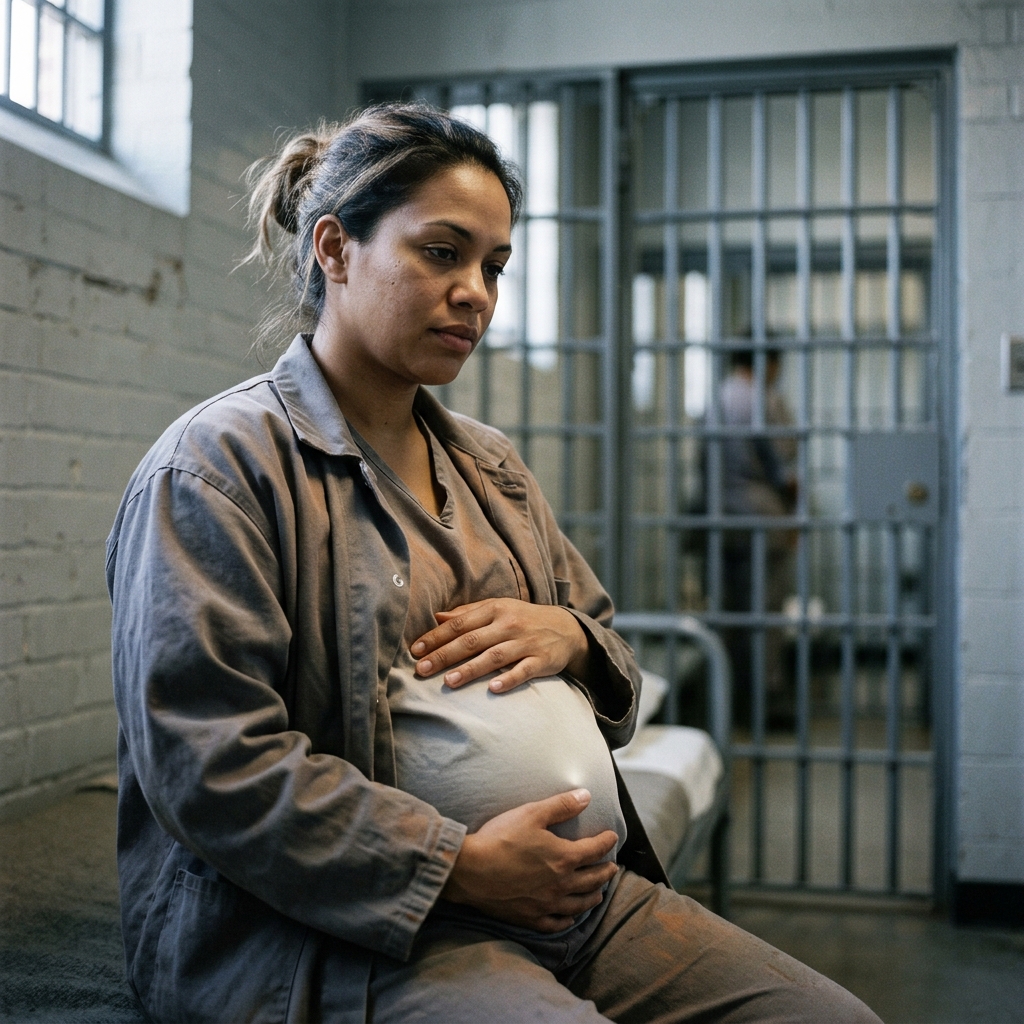
Becoming or being pregnant while incarcerated raises difficult questions that blend health care, constitutional rights, family law, and ethics. A person does not lose their basic human or reproductive rights when they enter a jail or prison, yet the reality of pregnancy behind bars often falls far short of legal standards. This article explains what may happen when someone is pregnant in custody, what protections the law is supposed to provide, and where serious gaps still remain.
Why Pregnancy in Prison Raises Unique Concerns
Correctional systems are designed around security and control, not around the needs of pregnant people or infants. When pregnancy intersects with incarceration, several competing priorities collide:
- Medical safety for the pregnant person and fetus
- Constitutional rights to health care and bodily autonomy
- Institutional security and staffing limits
- Child welfare, including placement of newborns when a parent remains incarcerated
Because of this complex mix, outcomes for pregnant prisoners can vary widely between facilities and states, even though broad constitutional principles apply nationwide.
Discovering a Pregnancy After Arrest or Incarceration
Many people first learn they are pregnant shortly after arrest or upon intake into a jail. Standard intake procedures in most facilities include health screening and may include pregnancy testing, particularly for people of childbearing age. Early identification is vital, because medical decisions made in the first weeks or months of pregnancy can affect long-term outcomes.
Initial Health Screening
During the first days in custody, medical staff typically ask about:
- Existing medical conditions and medications
- Menstrual history and possible pregnancy
- Substance use, including opioids, alcohol, and other drugs
- Mental health needs and history of trauma
For pregnant prisoners, this intake assessment should trigger prompt referrals to prenatal care, nutritional adjustments, and monitoring for high-risk conditions such as hypertension, diabetes, and substance use disorders.
Legal Foundations: Rights Do Not End at the Prison Gate
Although the criminal legal system restricts liberty, it does not erase fundamental rights. Several overlapping legal frameworks protect pregnant people in custody:
Eighth Amendment: Right to Adequate Medical Care
The U.S. Constitution’s Eighth Amendment, as interpreted by courts, prohibits “deliberate indifference” to serious medical needs of people in prison. Pregnancy is recognized as such a serious medical condition. This means jails and prisons must provide:
- Timely access to qualified medical professionals
- Reasonable prenatal and postnatal care
- Assessment and treatment for pregnancy-related complications
Failure to act on clear warning signs—such as severe abdominal pain, bleeding, or reduced fetal movement—can violate this constitutional standard.
Reproductive Autonomy While Incarcerated
Civil rights organizations emphasize that incarcerated people retain the right to make decisions about their own bodies, including whether to continue a pregnancy or obtain an abortion. Prisons and jails cannot punish or threaten someone for choosing:
- To carry a pregnancy to term
- To terminate a pregnancy where abortion remains legal
- To use contraceptives or refuse them
In practice, exercising these rights may depend on facility policies, state law, and available medical providers, but the underlying constitutional protections are clear.
What Prenatal Care Should Look Like in Custody
Proper prenatal care reduces risks for both parent and child. Health standards for pregnant prisoners draw on general medical guidelines as well as specific protections for incarcerated populations.
Core Components of Prenatal Care
At minimum, pregnant prisoners should receive:
- Regular medical checkups with qualified clinicians
- Access to prenatal vitamins when prescribed
- Screening for high-risk conditions (e.g., preeclampsia, gestational diabetes)
- Nutrition adapted to pregnancy, including adequate calories and protein
- Monitoring fetal growth and development
Civil liberties groups also highlight the right to a safe sleeping environment, such as a bed at a reasonable height, and limits on use of restraints.
Environmental and Housing Considerations
Beyond clinical care, facilities should adjust daily living conditions to support pregnancy. This can include:
- Assignment to lower bunks and safer housing units
- Protection from physical violence and excessive physical labor
- Access to clean water and bathroom facilities when needed
- Limits on exposure to smoke, extreme temperatures, or toxic substances
When such accommodations are denied, pregnant prisoners may face avoidable health risks and potential legal violations.
Table: Key Rights Commonly Recognized for Pregnant Prisoners
| Area | Examples of Rights or Standards |
|---|---|
| Medical Care | Timely prenatal visits, postnatal follow-up, emergency care for complications. |
| Reproductive Autonomy | Ability to decide to continue or terminate a pregnancy; access to contraception. |
| Safety and Housing | Lower bunk bed, reduced use of restraints, safe environment during and after birth. |
| Nutrition | Medically appropriate diet, extra calories during pregnancy and lactation. |
| Postpartum Support | Recovery care, mental health services, lactation accommodations. |
Labor, Delivery, and the Use of Restraints
When a pregnant prisoner goes into labor, the facility is responsible for arranging timely transport to a hospital or appropriate medical unit and allowing qualified professionals to manage the delivery. In most jurisdictions, correctional officers accompany the patient but should not interfere with medical care.
Restraints During Labor and Postpartum
Advocacy groups and medical organizations have condemned shackling pregnant people during labor as dangerous and inhumane. Many states now limit or ban restraints during late pregnancy, labor, delivery, and the immediate postpartum period.
Typical standards include:
- No restraints during active labor, except in extraordinary security circumstances
- Documentation and approval requirements if restraints are used despite medical objections
Even where laws exist, enforcement can be uneven, and some pregnant prisoners still report being restrained during medical procedures and hospitalizations.
After Birth: Separation, Child Placement, and Postpartum Care
In the United States, most prisons and jails do not allow infants to live with their incarcerated parents. After delivery and medical clearance, the newborn is typically discharged to a family member or into the foster care system, while the parent returns to custody.
Emotional Impact of Separation
Separation shortly after birth can be highly traumatic. Research and advocacy reports describe significant grief and depression among prisoners who must leave the hospital without their child. The sudden shift—from labor and delivery to transport back to a secure facility—can intensify feelings of loss and helplessness.
Postpartum Medical and Mental Health Needs
Postnatal care should address both physical recovery and mental health, including the risk of postpartum depression. Recommended services include:
- Follow-up medical visits to monitor healing and complications
- Screening and treatment for mental health conditions
- Support groups or counseling where available
- Consideration of lactation needs, including breast pumps and storage of milk for infants who are not in the facility
Some guidelines also call for limits on solitary confinement in the weeks after birth, recognizing the heightened vulnerability of postpartum prisoners.
Alternatives to Incarceration for Pregnant and Postpartum People
To reduce the harms of incarceration during pregnancy and early parenting, several jurisdictions have created alternatives to prison sentences or custodial arrangements. These options vary widely but share a common goal: to address legal issues while prioritizing health and family stability.
Examples of Alternative Approaches
- Community-based supervision (probation, electronic monitoring) in place of incarceration for certain offenses
- Residential programs focused on treatment, parenting support, and stability rather than confinement
- Deferred or modified sentencing that accounts for pregnancy and postpartum needs
- Mother-and-baby units in a small number of facilities that allow limited co-residence under strict conditions
Public health experts argue that such alternatives can improve outcomes for both children and parents, particularly when combined with substance use treatment and social services.
Gaps Between Law and Practice
Even where laws and policies exist, implementation often falls short. Reports from advocacy organizations and litigation describe persistent problems:
- Delayed or inadequate prenatal care
- Overuse of restraints during pregnancy and hospitalization
- Lack of clear procedures for abortion access and reproductive decision-making
- Insufficient mental health and postpartum support
- Limited training for correctional staff on pregnancy-related emergencies
Addressing these gaps requires both stronger legal protections and practical reforms in day-to-day facility operations, including accountability when standards are violated.
Practical Considerations for Pregnant People Facing Incarceration
Someone who is pregnant and facing jail or prison time may need to think about issues that go beyond the criminal case itself. While the exact steps depend on local law and personal circumstances, some general planning points include:
- Medical planning: Identify any high-risk pregnancy issues and gather medical records before incarceration when possible.
- Legal advocacy: Talk with a defense attorney about alternatives to incarceration, sentence timing, and facility options.
- Child placement: Decide who can safely care for the baby after birth, and coordinate with that person and, if relevant, child welfare agencies.
- Support networks: Maintain contact information for trusted family, friends, or advocates who can help monitor care and raise concerns.
In some jurisdictions, legal aid and civil rights organizations can help incarcerated pregnant people understand and assert their rights.
Frequently Asked Questions (FAQs)
Do people still have a right to prenatal care in prison?
Yes. Under the Eighth Amendment, prisons and jails must provide adequate medical care, and pregnancy is recognized as a serious medical condition that requires prenatal and postnatal services. Civil rights groups further emphasize a specific right to prenatal care, including vitamins and regular checkups.
Can a person in prison choose to have an abortion?
In states where abortion remains legal, incarcerated individuals retain a constitutionally protected right to access abortion care, subject to procedural and logistical rules. Facilities cannot retaliate against someone for choosing to terminate a pregnancy, though practical barriers may still exist.
What happens to the baby after birth if the parent stays incarcerated?
In most U.S. facilities, infants do not remain in custody. After hospital discharge, the newborn is typically released to a family member or to child protective services, while the parent returns to jail or prison. A small number of facilities operate mother-and-baby programs that allow limited co-residence under strict conditions.
Are pregnant prisoners still shackled during labor?
Many states now restrict or prohibit shackling during labor, delivery, and postpartum recovery, recognizing the medical dangers and human rights concerns. However, reports and lawsuits indicate that restraints are still sometimes used contrary to policy, which has prompted ongoing advocacy and reforms.
Are there alternatives to incarceration for pregnant people?
Some states allow judges to consider alternative sentences for pregnant or postpartum defendants, such as community-based programs, treatment-focused residential placements, or modified supervision. Availability and criteria vary between jurisdictions, so legal advice is essential.
References
- Pregnant Prisoners’ Rights: Prenatal and Postnatal Care Laws — Brian Zeiger, Esq. (Law Office of Brian J. Zeiger). 2023-05-10. https://brianzeiger.com/blog/pregnant-prisoners-rights/
- Know Your Rights: Reproductive Rights While Incarcerated — American Civil Liberties Union of Illinois. 2021-09-01. https://www.aclu-il.org/know-your-rights/know-your-rights-reproductive-rights-while-incarcerated/
- State Standards for Pregnancy-Related Health Care and Abortion for Women in Prison — American Civil Liberties Union. 2012-06-01. https://www.aclu.org/state-standards-pregnancy-related-health-care-and-abortion-women-prison-0
- Pregnancy in Prison — MacArthur Justice Center. 2018-03-15. https://www.macarthurjustice.org/blog2/pregnancy-in-prison/
- Alternatives to Incarceration for Pregnant & Postpartum People — Center for Leadership Education in Maternal & Child Public Health, University of Minnesota. 2020-11-01. https://mch.umn.edu/alternatives/
- ELI5: What Happens When a Pregnant Woman Gets Sentenced to Prison? — Reddit (user discussion thread, contextual example only). 2014-10-05. https://www.reddit.com/r/explainlikeimfive/comments/2iujdp/eli5_what_happens_when_a_pregnant_woman_gets/
Similar Articles








Read full bio of medha deb




