
Understanding Debit Card Theft and Your Legal Rights
Learn what happens when your debit card is stolen, what the law requires, and how to protect your money before and after fraud occurs.
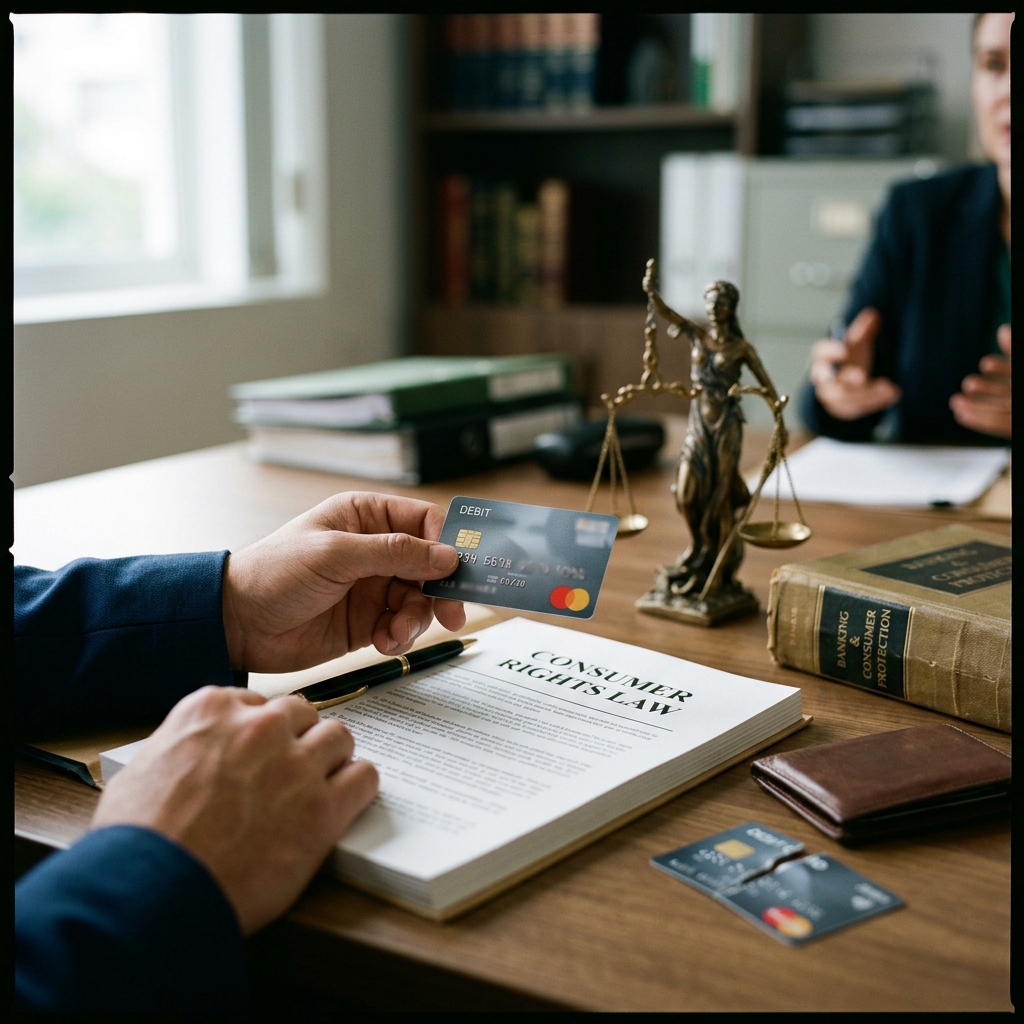
Debit cards are convenient tools for everyday spending, but that convenience comes with risks. When a debit card is lost, stolen, or used without permission, money can be pulled directly from your bank account in seconds. Unlike a credit card, which uses a line of credit, debit card theft immediately affects the cash you rely on for rent, food, and bills. Knowing what the law says about your protections and responsibilities is essential to limiting the financial damage.
This guide explains what legally counts as debit card theft, how federal law limits your liability, what to do if your card or card number is compromised, and how to prevent future fraud. It is inspired by legal discussions of debit card theft but written in original language for practical, consumer-focused use.
What Counts as Debit Card Theft and Fraud?
The term debit card theft can cover several different situations. You may face a direct theft of the physical card, a compromise of your card details online, or unauthorized electronic transfers from your account.
Common scenarios of debit card theft
- Physical loss or theft of the card: Your card is taken from your wallet, purse, car, or home, or you misplace it and someone else finds and uses it.
- Card number and PIN stolen: Criminals capture your card data with devices such as skimmers at ATMs or gas pumps, or through data breaches at retailers, and then make unauthorized purchases or withdrawals.
- Account number used without the card: Your card itself is still in your possession, but someone uses your account and routing numbers, or card number, to initiate unauthorized electronic transfers or online transactions.
- Identity theft connected to your debit card: An identity thief gains enough personal information to access your banking profile, change addresses or contact details, and then issue new debit cards or transfer funds.
All of these situations can fall under the broader category of unauthorized electronic fund transfers, a term used in federal law to describe transactions made without your permission from your bank account.
Why debit card theft is uniquely risky
Because a debit card is directly tied to your checking account balance, fraudulent transactions typically remove your own money rather than affecting a credit line. That means:
- Unauthorized withdrawals or purchases can immediately reduce the funds you need for essential expenses.
- Reimbursement from the bank may take time, creating temporary financial hardship.
- If you do not act quickly, your legal liability can grow significantly.
Consumer protection law recognizes this risk and provides specific rules to limit how much you can lose, but only if you follow certain reporting deadlines.
Federal Consumer Protections: The Electronic Funds Transfer Act
In the United States, the primary federal law governing debit card theft and similar issues is the Electronic Funds Transfer Act (EFTA), enforced by agencies such as the Federal Trade Commission (FTC) and banking regulators. This law sets limits on how much money you can legally be held responsible for when unauthorized transactions occur on your account.
Liability limits for lost or stolen debit cards
Your maximum legal loss depends on two key factors: whether your card was lost or stolen, and how quickly you report the problem to your financial institution.
| When you report the loss or theft | Maximum liability for unauthorized transactions |
|---|---|
| Before any unauthorized charges occur | $0 – you are not responsible for later fraudulent charges. |
| Within 2 business days after learning of the loss or theft | Up to $50 in unauthorized transactions. |
| More than 2 business days after learning of the loss or theft, but within 60 calendar days after your statement is sent | Up to $500 in unauthorized transactions. |
| More than 60 calendar days after your statement is sent | All money taken from the account, and possibly funds in linked accounts. |
These limits apply when your physical card or PIN has been lost or stolen. The law is designed to encourage fast reporting; the sooner you act, the less you can be forced to pay.
When your account number is used but the card isn’t lost
Sometimes, your card never leaves your possession but your account details are used without authorization—for example, in an online purchase, a phone order, or a fraudulent transfer initiated by a criminal. In such cases, federal guidance states that you are not responsible for any unauthorized transactions, as long as you report them within 60 calendar days after your financial institution sends your statement showing the unauthorized transfer.
If you fail to report within that 60‑day window, however, you can be liable for subsequent unauthorized transfers that occur after the deadline.
Additional protections from banks and card networks
Many banks, credit unions, and debit card brands voluntarily offer protections that go beyond what federal law requires. Common features include:
- “Zero liability” policies for certain types of point‑of‑sale transactions, if you report quickly.
- Real‑time fraud monitoring and automatic alerts for suspicious activity.
- Instant card locking or freezing through mobile apps and online banking.
These enhancements do not replace your legal rights under EFTA but may provide added peace of mind. Always review your bank’s terms to understand the protections that apply to your card.
Immediate Steps to Take After Debit Card Theft
Fast, organized action is the best way to preserve your legal protections and limit financial loss. If you suspect that your debit card or account has been compromised, treat the situation as urgent.
Step 1: Contact your bank or credit union immediately
Federal consumer guidance stresses that you should call your card issuer or use its mobile app to report loss or theft as soon as possible. When you contact the bank:
- Explain whether your card is missing, your account shows unfamiliar transactions, or you suspect your card number has been exposed.
- Ask the bank to block or cancel the card so no further transactions can be made.
- Request a replacement card with a new card number and, if relevant, a new PIN.
If your bank offers a digital lock feature in its app or website, you can often freeze the card yourself before or while you speak to a representative.
Step 2: Document the incident in writing
After you call, it is wise to follow up in writing. Federal guidance recommends sending a letter or secure electronic message to your card issuer that includes:
- Your name and account number.
- The date and approximate time you noticed your card was missing or saw unauthorized transactions.
- The date and time you first reported the loss or fraud to the institution.
- A list of disputed transactions, including amounts and dates, if available.
Keep copies of your communication and notes from phone calls. This documentation can be important if there is a later disagreement about your liability or the timing of your report.
Step 3: Review recent statements and pending transactions
Carefully check past statements and current online account activity for any charges or withdrawals you did not authorize. Pay special attention to:
- Small “test” charges that may indicate criminals are checking whether a card works.
- Cash withdrawals from ATMs you never visited.
- Transfers to unfamiliar accounts or payment services.
Promptly report all unauthorized entries to your bank. Additional fraud discovered after your initial call should be communicated as soon as possible.
Step 4: Strengthen your security after the incident
Once you have alerted your bank, take further steps to reduce the risk of ongoing damage:
- Change your PIN to a new, hard‑to‑guess number, and avoid using birthdays or simple sequences.
- Update online banking passwords, especially if you reuse passwords on multiple sites.
- Enable transaction alerts by text or email to detect future unauthorized activity quickly.
In cases where debit card theft appears connected to broader identity theft—for example, changes to your mailing address or new accounts opened in your name—you may also need to place fraud alerts on your credit reports and file reports with federal agencies.
Reporting Debit Card Fraud Beyond Your Bank
Your financial institution is the first point of contact, but serious or widespread fraud may warrant reports to government bodies and law enforcement. These additional steps can help protect you and assist investigations.
Credit reporting agencies and fraud alerts
If you suspect that debit card theft is part of a larger identity theft scheme, consider placing a fraud alert on your credit file. You can contact one of the three nationwide credit reporting agencies (Equifax, Experian, or TransUnion); the agency you contact is required to notify the other two. A fraud alert:
- Signals to potential creditors that they should take extra steps to verify your identity before opening new accounts.
- Typically remains in place for one year, with options to extend in certain situations.
Federal agencies and online reporting tools
For incidents involving internet‑based fraud, such as phishing schemes or online debit card theft, federal authorities provide reporting mechanisms:
- Federal Trade Commission (FTC): The FTC’s consumer advice programs explain your rights regarding lost or stolen cards and identity theft, and offer complaint forms and recovery plans.
- Internet Crime Complaint Center (IC3): Operated by the FBI, IC3 accepts complaints about online financial crimes, which can include misuse of debit card information obtained via the internet.
- U.S. Postal Inspection Service: If your card or account information was intercepted or stolen through the mail, this agency handles mail‑related scams.
In addition, filing a report with local law enforcement can provide documentation that may be helpful in dealing with your bank and credit bureaus.
Preventing Debit Card Theft and Fraud
Prevention is the best defense. While no measure can guarantee safety, following basic security practices reduces the likelihood and impact of debit card theft.
Everyday safety practices
- Treat your debit card like cash: Do not leave it unattended, lend it, or store it where others can easily access it.
- Memorize your PIN and never write it on the card or share it with anyone.
- Use secure ATMs and payment terminals: Prefer machines located inside or near bank branches, and be wary of loose or unusual hardware around the card slot that might indicate a skimmer.
- Monitor your account regularly: Use online or mobile banking to check balances and recent transactions, ideally daily.
- Sign up for alerts: Many banks allow you to receive notifications for large purchases, foreign transactions, or card‑not‑present activity.
Online and mobile security
- Avoid using public Wi‑Fi for banking or entering card details; unsecured networks can expose your information to interception.
- Use strong, unique passwords for banking apps and related email accounts, and change them periodically.
- Verify website security when shopping online by checking for browser indicators of encryption and dealing only with reputable merchants.
- Consider digital wallets that add layers of encryption and tokenization to your transactions.
Managing your accounts strategically
Some financial advisers suggest structuring your accounts to reduce exposure:
- Keep only necessary spending money in the checking account tied to your debit card.
- Store excess funds in savings or other accounts that are not directly connected to the card.
- Review whether using a credit card for certain types of purchases might be safer, given different legal protections and dispute procedures.
While debit cards offer convenience, combining them with careful account management and strong security habits can greatly lower your risk.
Frequently Asked Questions About Debit Card Theft
1. If I report my card lost before anyone uses it, do I still have to pay anything?
No. Under federal rules and guidance, if you report the loss or theft of your debit card before any unauthorized transactions occur, you are not responsible for later fraudulent charges.
2. What happens if I delay reporting for a few days?
If you report within two business days after learning of the loss or theft, your maximum liability is limited to $50. If you wait more than two business days but still report within 60 days of your statement, your liability can increase up to $500.
3. My card is still in my wallet, but my account shows transactions I never made. Am I protected?
Yes. When your account number is used but your card is not lost or stolen, federal guidance states that you are not responsible for unauthorized transfers if you report them within 60 days of your statement being sent. Timely reporting remains crucial.
4. How long will it take my bank to refund stolen funds?
Time frames can vary by institution and the complexity of the investigation. Banks generally must investigate and resolve error claims within specific periods set by regulation, but the precise timeline depends on the nature of the dispute and bank policies. Ask your bank for its schedule and whether provisional credits are available during the investigation.
5. Is it safer to use a credit card instead of a debit card?
Consumer protection agencies note that credit cards often carry stronger protections than debit cards for fraud and disputes, because fraudulent charges do not immediately remove your own money from a deposit account. Many experts recommend using credit cards for certain purchases while using debit cards more cautiously, especially online or in higher‑risk environments.
References
- Lost or Stolen Credit, ATM, and Debit Cards — Federal Trade Commission. 2023-04-19. https://consumer.ftc.gov/articles/lost-or-stolen-credit-atm-and-debit-cards
- Debit Card Fraud Prevention, Reporting, and Protection — SoFi Bank, N.A. 2026-01-10. https://www.sofi.com/learn/content/debit-card-fraud/
- Are Debit Cards Protected From Fraud? — U.S. News & World Report. 2024-05-22. https://www.usnews.com/banking/articles/are-debit-cards-protected-from-fraud
- Protections for Debit Card and Electronic Transactions — National Consumer Law Center. 2023-08-01. https://www.nclc.org/resources/protections-for-debit-card-and-electronic-transactions/
- Credit Card and Debit Card Fraud — Office of the Comptroller of the Currency. 2022-11-15. https://www.occ.gov/topics/consumers-and-communities/consumer-protection/fraud-resources/credit-card-and-debit-card-fraud.html
- How to Protect Yourself Against Debit & Credit Card Fraud — First National Bank of Middle Tennessee. 2023-02-01. https://www.fnbmt.com/resources/protecting-yourself-against-debit-card-fraud
- Credit Card v Debit Card – Know the Difference — State of Michigan, Department of Attorney General. 2023-06-30. https://www.michigan.gov/consumerprotection/protect-yourself/consumer-alerts/shopping/credit-card-v-debit-card-know-the-difference
Similar Articles








Read full bio of medha deb




