
How To Handle A Police Stop: Practical Safety Advice For You
A practical guide to staying safe, protecting your rights, and handling a police stop calmly.
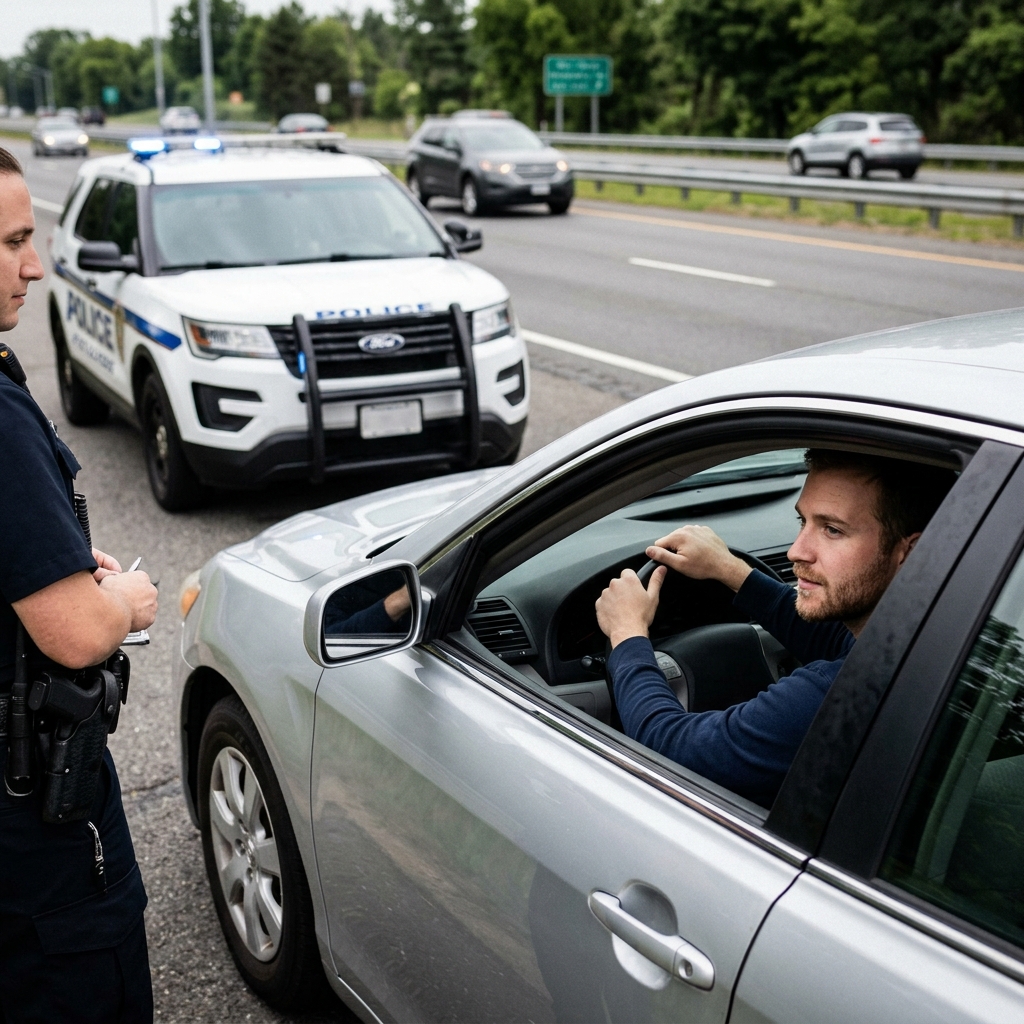
How to Handle a Police Stop Without Escalating the Situation
A police stop can be stressful even when it is routine. The most useful approach is to stay calm, follow lawful instructions, and avoid movements or words that could complicate the encounter. Public guidance from law enforcement agencies and civil liberties organizations consistently emphasizes safety first: pull over safely, keep your hands visible, and do not argue at the roadside.
At the same time, a stop does not erase your legal protections. You may generally ask whether you are being detained, whether you are free to leave, and whether you may speak with a lawyer if the situation turns into questioning or arrest. The safest strategy is to protect both your physical safety and your legal position by being respectful, concise, and deliberate.
What to Do in the First Few Seconds
The moment you see emergency lights or hear a siren, begin signaling and pull over as soon as it is safe. Driver-safety guidance recommends moving to the right side of the road, choosing a visible location, and stopping without sudden braking or weaving.
- Pull over safely and promptly.
- Turn off the engine.
- Keep the vehicle in park.
- Turn on your interior light at night.
- Keep your hands where the officer can see them.
- Stay in the vehicle unless instructed otherwise.
These steps are not about surrendering rights; they are about reducing risk. Officers approaching a vehicle must evaluate whether anyone inside may be armed or may make a sudden move, and visible hands and a calm posture lower the chance of misunderstanding.
How to Speak to the Officer
When the officer reaches your window, use a normal tone and answer basic instructions. If asked for identification, registration, or proof of insurance, provide those documents after telling the officer where they are if you need to reach for them. Several official advisories stress that you should not make sudden reaches, especially toward the glove box, center console, or back seat.
You do not need to volunteer extra information. If the officer asks questions beyond routine identification, keep your answers short and factual. If you prefer not to answer a question, state that you would like to remain silent. Civil liberties guidance also notes that if you are arrested, you should ask for a lawyer immediately and avoid making statements about the incident.
A helpful rule is to separate cooperation from confession. You can comply with instructions such as producing documents, while still choosing not to explain your day, your destination, or your personal views about the stop.
What You Should Never Do at the Scene
Law-enforcement and rights-education materials agree on several actions that can unnecessarily increase danger or weaken your position later. Do not run, do not touch the officer, and do not resist physically even if you believe the stop is unfair.
- Do not argue at the roadside.
- Do not make sudden movements.
- Do not lie or provide false documents.
- Do not reach toward a weapon without clearly announcing it first if required by the situation.
- Do not resist a search or arrest physically.
- Do not threaten to sue, complain, or “sort it out” on scene.
Many official sources also advise against prolonging the encounter. If you believe the officer is wrong, that issue is usually addressed later through court procedures, an agency complaint, or legal counsel rather than through argument on the spot.
Understanding Your Rights During the Stop
Your rights depend on the type of encounter. A traffic stop usually allows the officer to request identification and related documents. A brief investigative stop may permit limited questioning. A consensual encounter may allow you to leave if you are not being detained. In practical terms, you may ask, “Am I free to leave?” and “Am I being detained?” The answer helps clarify whether the contact is voluntary or compulsory.
If you are told that you are free to leave, you may walk away calmly. If you are told that you are not free to leave, remain composed and continue to avoid unnecessary talking. If you are arrested, you should ask for an attorney and then stop discussing the facts of the incident.
Some agencies also note that you may request clarification if you do not understand an instruction. That request should be respectful and brief. The goal is to reduce confusion, not to negotiate the stop in real time.
Passengers, Weapons, and Special Situations
Passengers should remain quiet, keep their hands visible, and follow the officer’s instructions. The driver is usually the point of contact, but officers may direct instructions to everyone in the vehicle.
If there is a lawful weapon in the car, guidance from police agencies recommends telling the officer about it and its location without reaching for it. This is especially important because an officer may not know whether a movement is toward a weapon or toward a document.
If the officer is in plain clothes and you are uncertain whether the person is actually law enforcement, official advisories suggest calmly asking for a uniformed officer or calling emergency services to confirm the stop when safe to do so.
What to Do If the Stop Becomes an Arrest
An arrest changes the legal stakes. Once you are under arrest, the most important protective step is to clearly request a lawyer and avoid giving explanations that could be used later. Civil liberties guidance consistently advises that you should not make statements, sign anything, or make decisions without counsel after arrest.
Even if you believe you are innocent, the roadside is not the place to prove it. Statements made under stress can be misunderstood, incomplete, or later used in a way you did not expect. If questioning continues, repeat that you want to remain silent and want a lawyer.
What to Write Down Afterward
Once the encounter is over and you are safe, document everything you remember as soon as possible. Several rights organizations recommend recording the officer’s name, badge number, patrol car number, agency, location, time, what was said, and how the stop unfolded.
- Write down the date, time, and place of the stop.
- Record the officer’s name and badge number if available.
- Note whether the stop involved a search, citation, warning, or arrest.
- List any witnesses and their contact information.
- Preserve photos of injuries or vehicle damage if relevant.
- Save dashcam or bodycam-related details if you were told they existed.
This record can be valuable if you later need to challenge a ticket, contest a search, or file a complaint. Immediate notes are usually more reliable than memory days or weeks later.
When It Makes Sense to Contact a Lawyer
You should consider contacting a lawyer if the stop involved a search, an arrest, a citation you want to contest, injuries, property damage, or conduct that seemed unlawful. Legal counsel can help you understand whether the officer had legal grounds for the stop and what remedies may be available.
Even a stop that ends with only a warning may justify legal advice if you believe the contact violated your rights. A lawyer can explain whether a complaint, court challenge, or suppression motion may be appropriate, depending on the facts and your jurisdiction.
Common Mistakes That Create Bigger Problems
Many police encounters become harder because people react emotionally rather than strategically. The most common mistakes are talking too much, reaching too quickly, arguing about the law at the roadside, and moving before the officer has finished giving instructions.
| Safer response | Riskier response |
|---|---|
| Keep hands visible | Reach suddenly into pockets or compartments |
| Ask if you are free to leave | Argue about the officer’s authority |
| Request a lawyer after arrest | Try to explain everything immediately |
| Write down details afterward | Rely only on memory later |
The best outcome is usually achieved by treating the stop as a safety event first and a legal issue second. That approach keeps the interaction controlled while preserving your ability to challenge it later.
Frequently Asked Questions
Do I have to answer every question?
No. You may generally choose to remain silent beyond providing identifying or vehicle documents when required. If you want to invoke that choice, say so calmly and stop talking.
Can I ask why I was stopped?
Yes, you can ask. However, the officer does not always have to answer immediately, and asking should not become an argument.
Should I get out of the car if asked?
Yes, if the officer instructs you to exit, comply carefully and keep your hands visible. Safety guidance recommends following that instruction and moving only as directed.
What if I think the stop was unlawful?
Do not resist on the scene. Note what happened, collect witness information if possible, and consult a lawyer afterward about a complaint or court challenge.
Can I record the encounter?
If you are lawfully allowed to do so and it does not interfere with police activity, some agencies and rights groups recognize recording as permissible. The key is to remain non-obstructive and safe while doing so.
Practical Phrases You Can Use
When you are nervous, having a few neutral phrases ready can help you stay composed. Use short, respectful statements that communicate cooperation without creating unnecessary conflict.
- “Okay, officer.”
- “I am going to keep my hands visible.”
- “My documents are in the glove box.”
- “I would like to remain silent.”
- “I want a lawyer.”
- “Am I free to leave?”
These phrases are not magic words, but they can help you avoid rambling or accidentally volunteering information you did not intend to share.
References
- What Should I Do if Stopped by a Police Officer? — North Kingstown, RI. 2025-01-01. https://www.northkingstownri.gov/361/What-Should-I-Do-if-Stopped-by-a-Police-
- What to Do and Expect When Pulled Over by Law Enforcement — AAMVA. 2025-01-01. https://www.aamva.org/law-enforcement/what-to-do-when-stopped-by-law-enforcement
- What To Do If Stopped By The Police Know Your Rights and Responsibilities — Central Connecticut State University Police. 2025-01-01. https://www.ccsu.edu/police/what-do-if-stopped-police-know-your-rights-and-responsibilities
- Stopped By Police — Newark Department of Public Safety. 2025-01-01. https://www.newarkpublicsafety.org/npd/stopped-by-police/
- What Are My Rights When Stopped by Police? — Ohio State Bar. 2025-01-01. https://www.ohiobar.org/globalassets/my-ohio-rights/docs-and-pdfs/when-stopped.pdf
- Know Your Rights: When Stopped by Police — ACLU of Virginia. 2025-01-01. https://www.acluva.org/app/uploads/2017/07/140814-KYR-if-stopped-by-police.pdf
- When Stopped by an Officer — ACLU of Southern California. 2025-01-01. https://www.aclusocal.org/know-your-rights/when-stopped-officer/
- Stopped by Police — American Civil Liberties Union. 2025-01-01. https://www.aclu.org/know-your-rights/stopped-by-police
Similar Articles








Read full bio of Sneha Tete




