
Domestic Violence Against Men: Signs, Help, And Legal Aid 2025
A clear look at male domestic violence, warning signs, support options, and legal protections.
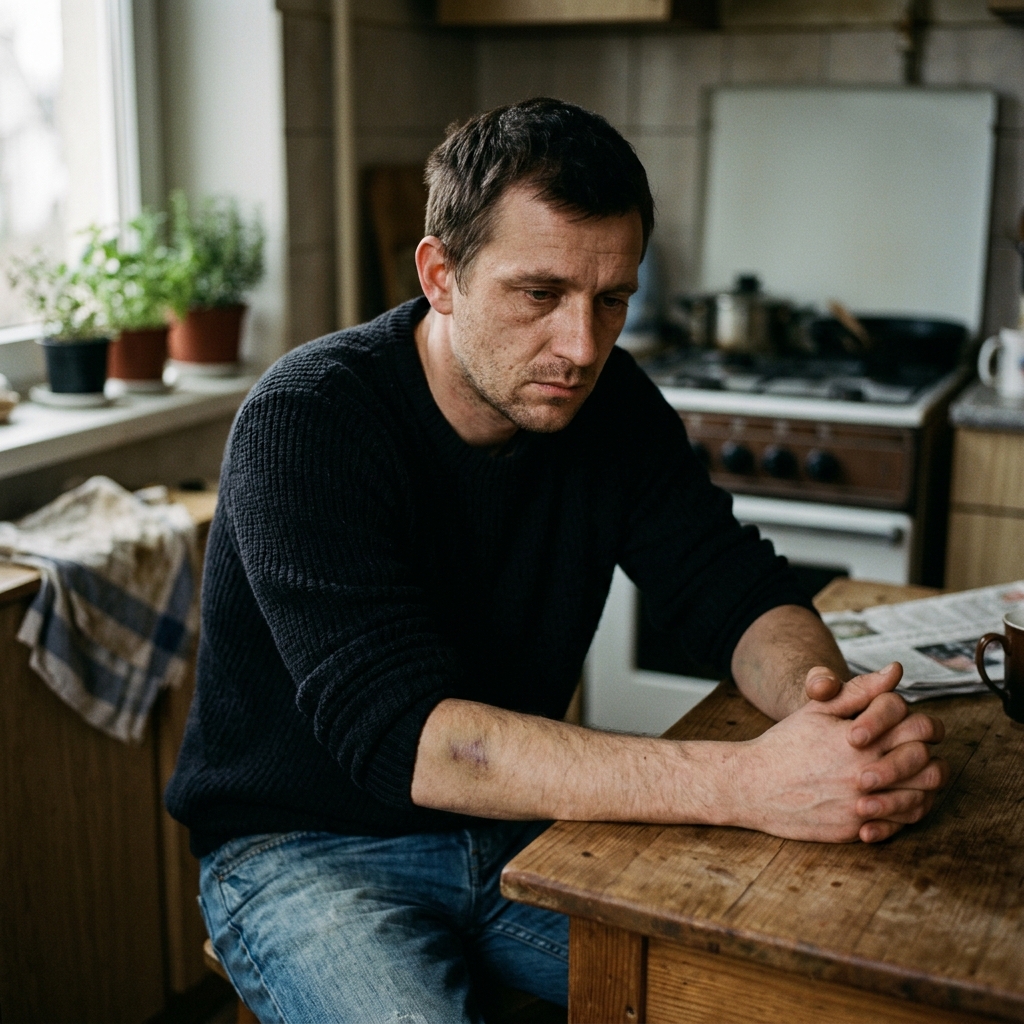
Domestic violence against men is a real and often overlooked form of abuse. Men can experience physical harm, threats, stalking, sexual violence, emotional control, financial pressure, and isolation within intimate relationships, just as women can. Public discussion has historically centered on female victims, but official data show that men also experience abuse at meaningful rates and can suffer serious physical and psychological consequences.
Understanding this issue matters for several reasons. Male victims may be less likely to report abuse, may face disbelief when they do, and may not know what legal protections are available. A clearer understanding of the signs, risks, and available remedies can help men recognize abuse sooner and seek protection before the violence escalates.
What domestic violence can look like for men
Domestic violence is not limited to visible injuries. It can include repeated patterns of behavior used to control, frighten, degrade, or isolate an intimate partner. For male victims, the abuse may be physical, psychological, sexual, or financial. It may happen in heterosexual or same-sex relationships, and it can occur at any stage of adulthood.
- Physical abuse: hitting, slapping, kicking, choking, burning, pushing, or throwing objects.
- Sexual abuse: forced sexual contact, coercion, or being made to engage in sexual acts without consent.
- Emotional abuse: humiliation, threats, intimidation, name-calling, and constant criticism.
- Coercive control: monitoring phone use, restricting movement, controlling finances, or limiting contact with friends and family.
- Stalking and harassment: repeated unwanted calls, messages, surveillance, or showing up unexpectedly at home or work.
Because abuse is often gradual, a victim may not immediately recognize the pattern. What begins as insulting comments or controlling behavior can later become threats, destruction of property, or severe violence.
How common is abuse against men?
Data from major public health and victim-support organizations confirm that men are affected by domestic and intimate partner violence in significant numbers. The U.S. Centers for Disease Control and Prevention reports that about one in three men have experienced contact sexual violence, physical violence, and/or stalking by an intimate partner during their lifetime. The same source notes that roughly one in ten men have experienced intimate partner violence and reported an impact such as fear, concern for safety, or symptoms associated with post-traumatic stress disorder.
Other sources show similar patterns. The Hotline reports that over one in four men in the United States have experienced rape, physical violence, and/or stalking by an intimate partner in their lifetime, and that almost half of men and women have experienced psychological aggression from an intimate partner. In the United Kingdom, the ManKind Initiative reports that 21.8% of men said they had experienced domestic abuse in their lifetime, showing that the issue is not limited to one country or one legal system.
Research also suggests that some forms of abuse against men are underreported. A peer-reviewed review found physical violence rates ranging from 3.4% to 20.3% across studies and psychological violence rates as high as 37% in some samples. Those figures vary because studies use different methods and definitions, but they support a consistent conclusion: male victimization exists, and it is not rare.
Why male victims often stay silent
Men face unique social barriers when trying to disclose abuse. Many grow up with messages that men should be tough, self-reliant, and emotionally controlled. Those stereotypes can make it difficult to admit vulnerability, especially when the abuser is a romantic partner.
Some men fear that authorities, friends, or even family members will not believe them. Others worry that reporting abuse will lead to ridicule or accusations that they are weak, aggressive, or somehow responsible for the violence. These concerns are not imaginary; they reflect a broader cultural tendency to underestimate harm when the victim is male.
There are also practical reasons for silence. A victim may worry about losing access to children, housing, transportation, or shared finances. He may depend on the abuser emotionally, may have been threatened with false accusations, or may not know where to find a shelter or advocate that can accommodate men.
Signs a relationship may be abusive
Not every argument is abuse, but repeated patterns of control and fear are warning signs. Men who are experiencing abuse may notice that their partner’s behavior has become increasingly threatening, unpredictable, or controlling. In some cases, abuse is disguised as jealousy, concern, or a “bad temper.”
- Being insulted, mocked, or humiliated in private or in front of others.
- Having phone calls, messages, or online activity monitored.
- Being prevented from seeing friends, family, or coworkers.
- Having money, car keys, documents, or medications taken away.
- Being threatened with self-harm, false reports, or exposure of private information.
- Being shoved, slapped, restrained, bitten, or injured during disputes.
- Feeling afraid to disagree because of possible retaliation.
If a relationship regularly leaves one partner fearful, trapped, or degraded, that is a strong indication of abuse rather than ordinary conflict.
Health and emotional effects
Domestic violence can affect nearly every part of a man’s life. The CDC reports that male victims commonly describe fear, safety concerns, and post-traumatic stress symptoms. Other consequences may include depression, sleep problems, anxiety, substance misuse, work disruption, and isolation from support networks.
Physical injuries are also common. Male victims may experience bruising, broken bones, head injuries, internal trauma, or injuries from strangulation and other severe assaults. Even when injuries are not visible, the stress of living under threat can produce long-term health effects.
Abuse may also affect parenting. A victim may become more cautious, emotionally withdrawn, or unable to co-parent safely with the abuser. If children witness the abuse, they may also be harmed emotionally even when they are not directly targeted.
Legal protections available to male victims
Men who experience domestic violence generally have access to the same legal tools as any other victim. The exact procedures vary by state, but courts commonly allow victims to seek protective orders, also called restraining orders or orders of protection.
A protective order can restrict the abuser from contacting the victim, entering the home, going near the workplace, or committing further abuse. In some cases, the court may also address temporary custody, financial support, or exclusive use of a shared residence.
Depending on the facts, abuse may also lead to criminal charges. Assault, stalking, harassment, sexual assault, unlawful restraint, and threats are often crimes under state law. A victim may report the conduct to police, seek medical documentation, and preserve evidence for future court proceedings.
For men who are worried about whether the law will take them seriously, the most important point is simple: legal remedies are not limited by gender. If the conduct fits the legal definition of abuse, the victim can usually request protection.
What to do if you are in danger
Safety planning should begin with the immediate risk. If there is imminent danger, call emergency services right away. If the situation is escalating but not yet an emergency, it can help to create a private plan for leaving, documenting incidents, and contacting support.
- Keep copies of threatening texts, emails, voicemail messages, and photos of injuries or property damage.
- Store important documents in a safe place, such as identification, bank records, housing papers, and medical information.
- Tell one trusted person what is happening and create a code word for emergencies.
- Identify a safe place to go, such as a friend’s home, a hotel, or a local shelter that can assist men.
- Speak with a lawyer or victim advocate about protective orders and custody concerns.
If children are involved, include them in safety planning only to the extent appropriate for their age and the circumstances. The goal is to reduce risk without increasing danger.
Where men can find help
Support for male victims has expanded, but it can still be harder to find than support for women. Men may need to search specifically for services that accept male survivors, provide confidential counseling, or understand same-sex partner violence.
Helpful resources may include domestic violence hotlines, local advocacy agencies, trauma-informed therapists, legal aid organizations, sexual assault support services, and victim-witness programs through prosecutors’ offices. Some national hotlines can connect callers to local providers and help them find nearby shelter or counseling options.
Workplace support may also matter. Domestic violence often affects job performance, attendance, and concentration. The Hotline notes that many employed adults report workplace effects from abuse, which means employers may need to understand confidentiality, leave policies, and safety planning.
How friends, family, and communities can respond
Support from others can make a critical difference. The first step is believing the victim and avoiding jokes or assumptions. Male victims are more likely to seek help when they are met with calm, practical support instead of skepticism.
Communities can help by broadening public education, training police and service providers, and ensuring that resources are visible to men as well as women. Schools, workplaces, and media organizations also play a role by presenting domestic violence as a human rights and public safety issue rather than a gendered stereotype.
Effective response is not about minimizing abuse against anyone else. It is about recognizing that victimization can affect all genders and that every victim deserves access to safety, dignity, and legal protection.
Common questions about domestic violence against men
Can a man really be the victim in a domestic violence case? Yes. Public health data and victimization studies show that men can and do experience intimate partner violence, stalking, sexual violence, and psychological abuse.
What if there are no visible injuries? Abuse does not need to leave marks to be real. Threats, coercion, stalking, and emotional control can all be serious forms of domestic violence, and they may justify legal protection.
Will police or a court take a male victim seriously? They should. The law generally protects victims regardless of gender. Documenting incidents, saving evidence, and speaking clearly about the pattern of abuse can help authorities understand the situation.
Can male victims get a restraining order? In most jurisdictions, yes. Courts typically consider the facts of the abuse, not the gender of the person seeking protection.
Is emotional abuse enough to seek help? Yes. Emotional abuse may be part of a larger pattern of coercive control and can escalate over time. It is appropriate to seek support if you feel afraid, trapped, or repeatedly manipulated.
Taking the next step
Male victims of domestic violence often spend a long time doubting their own experience. That delay is understandable, but it can increase the danger. If a relationship is abusive, the safest next step is often to document what is happening, speak with a confidential advocate, and learn about legal options before the situation worsens.
Domestic violence is not defined by gender, strength, or stereotypes. It is defined by patterns of control, harm, and fear. Men who are experiencing abuse deserve the same seriousness, protection, and support as any other victim.
Frequently asked questions
Are male victims of domestic violence common? Yes. Multiple official sources report that a substantial number of men experience intimate partner violence, stalking, and related abuse during their lifetime.
What should I save as evidence? Texts, emails, voicemails, photos, medical records, police reports, and witness information can all be useful if you need a protective order or criminal complaint.
Do shelters help men? Some do, though availability varies. If a local shelter cannot take men, a hotline or advocate may help identify alternative emergency housing and support services.
Can abuse happen in same-sex relationships? Yes. Domestic violence can occur in any intimate relationship, including same-sex partnerships.
What if I am embarrassed to ask for help? Shame is common, but reaching out is often the fastest path to safety. Confidential advocates and therapists are trained to respond without judgment.
References
- Intimate Partner Violence, Sexual Violence, and Stalking Among Men — Centers for Disease Control and Prevention. 2024-11-19. https://www.cdc.gov/intimate-partner-violence/about/intimate-partner-violence-sexual-violence-and-stalking-among-men.html
- Statistics on Male Victims of Domestic Abuse — ManKind Initiative. 2025-01-01. https://mankind.org.uk/statistics/statistics-on-male-victims-of-domestic-abuse/
- Domestic Violence Against Men—Prevalence and Risk Factors — Deutsches Ärzteblatt International / PubMed Central. 2020-09-25. https://pmc.ncbi.nlm.nih.gov/articles/PMC7658679/
- Men as Victims of Domestic Violence — Crisis House. 2024-09-01. https://crisishouse.org/blog/men-as-victims-of-domestic-violence/
- Domestic Violence Statistics — The Hotline. 2024-10-01. https://www.thehotline.org/stakeholders/domestic-violence-statistics/
Similar Articles








Read full bio of Sneha Tete


