
Understanding and Resolving Retirement Benefit Disputes
Learn how retirement benefit disputes arise, what rights you have under federal law, and the practical steps to protect the income you expect in retirement.
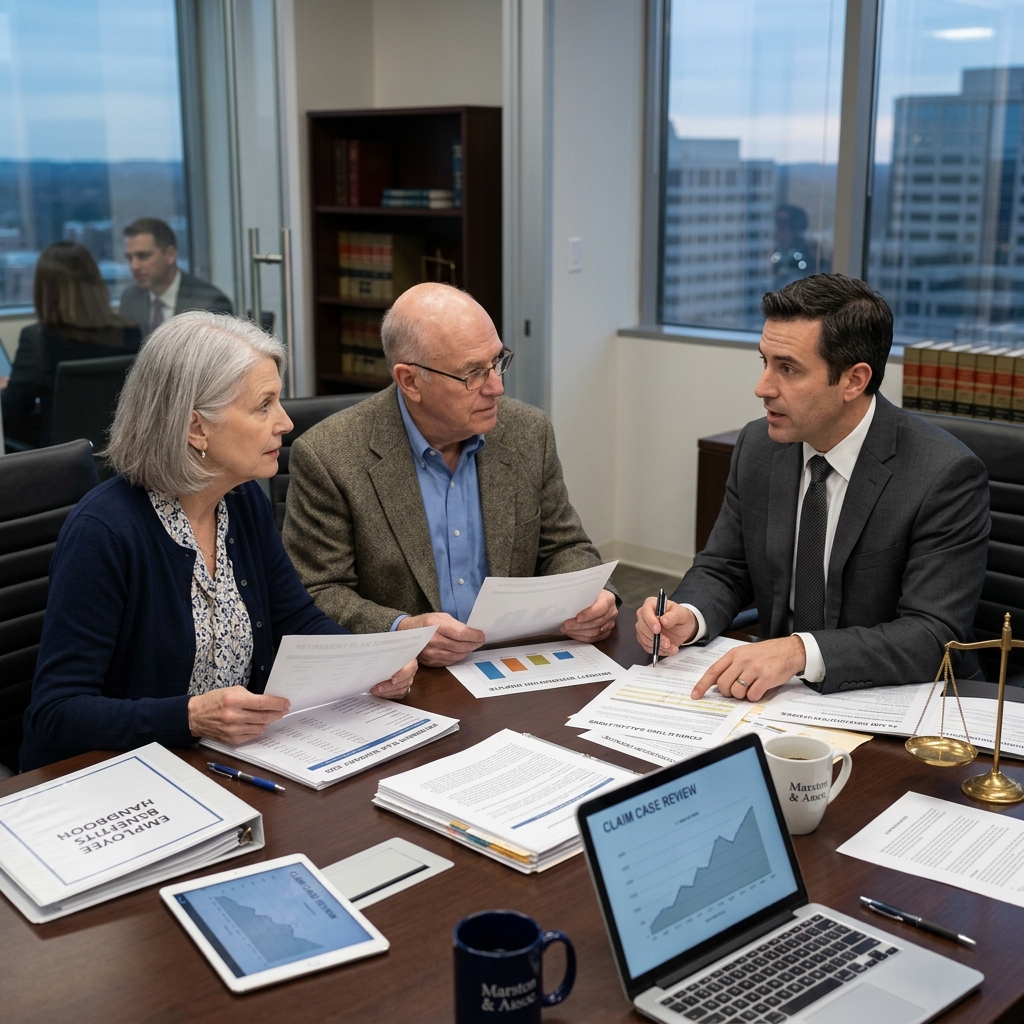
Retirement benefits are often the backbone of a worker’s long-term financial security. When promised benefits do not arrive as expected, are reduced without warning, or are denied outright, the resulting retirement benefit disputes can have serious consequences for individuals and families. These conflicts typically involve pension plans, 401(k) and other defined contribution plans, or employer-sponsored retirement arrangements that are governed by complex federal and state laws.
This article explains how retirement benefit disputes arise, the laws that regulate these plans, common problem areas, and the key steps you can take to protect and enforce your rights. It also highlights when to seek professional legal assistance and what to expect from the dispute resolution process.
What Counts as a Retirement Benefit Dispute?
Retirement benefit disputes emerge whenever there is a disagreement between a plan participant (or beneficiary) and the plan sponsor, administrator, or fiduciary about the amount, timing, or availability of benefits. These disputes can be straightforward, such as correcting a numerical error, or highly complex, involving long-term mismanagement of assets or systemic violation of federal law.
Typical Sources of Conflict
Some of the most common triggers for retirement-related conflicts include:
- Eligibility disagreements – disputes over whether an employee has worked long enough or met plan conditions to qualify for benefits.
- Calculation errors – incorrect benefit amounts due to payroll mistakes, service-credit miscalculations, or misapplication of formulas.
- Benefit denial – situations where a claim for benefits is rejected, reduced, or delayed beyond reasonable timeframes.
- Plan mismanagement – allegations that fiduciaries misused or imprudently invested plan assets, harming participants’ retirement savings.
- Discrimination or retaliation – claims that benefits were affected by age, disability, or other protected characteristics, rather than by neutral plan rules.
- Recoupment or overpayment claims – attempts by plans to recover money previously paid to retirees based on alleged mistakes.
Types of Retirement Plans Involved
Most disputes involve one of two broad categories of retirement plans, each with different risk profiles and rules.
| Plan Type | Main Feature | Common Dispute Issues |
|---|---|---|
| Defined Benefit (Pension) | Promises a specific monthly benefit, often based on salary and years of service. | Eligibility, miscalculated benefit formula, funding problems, mismanagement of plan assets. |
| Defined Contribution (e.g., 401(k)) | Benefits depend on contributions and investment performance in an individual account. | Investment mismanagement, excessive fees, denied withdrawals, errors in employer matching contributions. |
Legal Framework: How Federal Law Protects Retirement Benefits
Employer-sponsored retirement plans in the United States are primarily governed by the Employee Retirement Income Security Act of 1974 (ERISA)
Core ERISA Protections
ERISA provides important rights and obligations for both plan participants and fiduciaries:
- Disclosure rights – the right to receive plan documents, summary plan descriptions, annual reports, and information about changes that affect benefits.
- Fiduciary duties – plan fiduciaries must act prudently and solely in the interest of participants and beneficiaries when managing plan assets and making decisions.
- Claims and appeal procedures – plans must offer a fair process for filing claims, explaining denials, and appealing adverse decisions within specified timeframes.
- Right to sue – participants can bring civil actions in federal court to recover benefits, enforce rights, or remedy breaches of fiduciary duty.
Because ERISA is highly technical, many disputes revolve around whether plan administrators have complied with these statutory and regulatory requirements, and whether participants have followed the required internal procedures before taking a case to court.
Common Retirement Benefit Dispute Scenarios
While every case is unique, certain patterns recur frequently in retirement benefit disputes. Understanding these patterns can help individuals recognize problems early and respond effectively.
1. Disputes Over Eligibility and Vesting
Eligibility disputes often focus on whether a worker has accrued sufficient service time or met other plan conditions to become “vested” in benefits. Errors may arise from miscounted employment periods, part-time work not properly credited, or disputes over breaks in service.
Key issues include:
- Incorrect application of vesting schedules.
- Misinterpretation of union or collective bargaining provisions affecting pension rights.
- Disagreements about whether certain employment categories qualify for benefits.
2. Miscalculated Benefit Amounts
Calculation disputes arise when the monthly pension or account balance is lower than expected. Errors can result from outdated salary records, misapplied benefit formulas, or incorrect assumptions about early retirement reductions.
Participants commonly question:
- The accuracy of salary and service data used in benefit calculations.
- Whether cost-of-living adjustments or other plan enhancements were correctly applied.
- The impact of prior distributions, loans, or qualified domestic relations orders on their final benefit.
3. Denial or Delay of Benefits
Sometimes, a plan outright denies benefits or significantly delays payment beyond reasonable or promised timelines. In such situations, ERISA requires the plan to provide written notice explaining the specific reasons for the denial and the steps required to appeal.
Denial notices should state:
- The exact provision of the plan on which the denial is based.
- Any additional information needed to perfect the claim.
- The deadlines and procedures for filing an internal appeal.
4. Mismanagement and Breach of Fiduciary Duty
Some disputes stem from broader issues of plan mismanagement, such as imprudent investments, failure to diversify assets, or excessive administrative fees. Under ERISA, plan fiduciaries must act in the best interests of participants and can be held liable if their actions reduce benefits or jeopardize plan solvency.
Indicators of possible mismanagement include:
- Persistent underfunding of defined benefit plans.
- Unexplained or opaque investment choices for defined contribution accounts.
- High fees and expenses that significantly erode retirement savings over time.
5. Recoupment and Overpayment Issues
Recoupment occurs when a plan claims it has overpaid a retiree and seeks to recover the excess, often by reducing future benefits or demanding repayment. These cases can be particularly stressful for retirees who have relied on the funds, sometimes for years, before being notified of an alleged overpayment.
Disputes may involve:
- Whether an overpayment actually occurred and how it was calculated.
- How far back the plan can go in seeking recovery.
- Whether the proposed repayment schedule is reasonable and lawful.
How to Respond When You Discover a Retirement Benefit Problem
Taking prompt, organized steps can significantly improve your chances of successfully resolving a retirement benefit dispute.
Step 1: Review Plan Documents Thoroughly
Start by carefully reading your summary plan description, formal plan document, and any benefit statements you have received. These materials outline how benefits are calculated, eligibility conditions, and the procedures for filing claims and appeals.
- Gather copies of all relevant documents, including employment contracts, union agreements, and prior correspondence.
- Identify the specific sections that relate to your concern (e.g., vesting rules, early retirement provisions).
- Note any apparent inconsistencies between written plan terms and how benefits have been administered.
Step 2: Request Clarification and Additional Information
Under ERISA, participants have the right to obtain information about their plan and benefits, including certain documents upon written request. If the basis for a decision is unclear, send a detailed inquiry to the plan administrator asking for explanations and supporting records.
- Ask for a breakdown of how your benefit was calculated.
- Request copies of relevant plan amendments or notices that may have affected your benefits.
- Keep copies of all letters and emails and document phone conversations with dates and summaries.
Step 3: Follow the Claims and Appeal Procedures
Most plans require you to exhaust internal claim and appeal processes before filing a lawsuit in federal court. Deadlines may be short, so act promptly when you receive a denial or notice of adverse action.
- Submit a written claim or appeal that clearly explains why you believe the decision is incorrect.
- Attach supporting documentation, such as pay records, service histories, and relevant plan provisions.
- Observe the time limits set out in the plan; violating those deadlines can jeopardize your rights.
Step 4: Consider Professional Legal Assistance
Because retirement law and ERISA are complex, many individuals benefit from consulting an attorney experienced in employee benefits and pension litigation, especially when substantial amounts or systemic issues are involved.
An experienced lawyer can:
- Evaluate the strength of your claim under plan terms and ERISA provisions.
- Assist in drafting appeals or negotiating settlements with plan fiduciaries.
- Represent you in federal court if litigation becomes necessary.
- Identify whether your case fits into a broader pattern appropriate for class action treatment.
Individual Lawsuits and Class Actions
When internal procedures fail to resolve a dispute, ERISA allows participants to bring civil actions in federal court to obtain benefits or remedy violations. Depending on the nature of the problem, disputes may be handled as individual cases or as class actions involving many similarly situated participants.
Individual ERISA Lawsuits
In an individual suit, the participant typically seeks:
- Payment of wrongfully denied benefits.
- Clarification of rights to future benefits.
- Equitable relief for breaches of fiduciary duty, such as correcting mismanagement or improper plan practices.
Class Action Retirement Cases
Class actions are often used when many participants have been harmed in the same way—such as by systemic miscalculation of benefits, excessive fees, or uniform misrepresentation of plan terms. In these cases, one or more individuals represent the interests of the broader group, and relief may include changes to plan practices as well as monetary recovery.
Class actions can be appropriate where:
- The same error affects multiple employees across the plan.
- Mismanagement or fiduciary breaches impact an entire fund.
- Individual lawsuits would be inefficient or fail to address systemic problems.
Preventive Measures: Reducing the Risk of Future Disputes
While not all retirement benefit disputes can be avoided, proactive steps during your working years can reduce the likelihood and severity of later conflicts.
- Monitor benefit statements regularly – review annual or quarterly statements for accuracy and report discrepancies quickly.
- Keep employment records – save pay stubs, performance reviews, and notices that reflect changes in position, pay, or benefits.
- Understand your plan rules – attend informational sessions and read plan summaries to learn vesting schedules, contribution limits, and distribution options.
- Update beneficiary designations – ensure that your beneficiary forms reflect current wishes, especially after major life changes.
- Stay informed about plan changes – pay attention to notices regarding amendments, mergers, or conversions from defined benefit to defined contribution structures.
Frequently Asked Questions (FAQs)
What should I do first if my retirement benefit is denied?
Carefully read the denial letter to understand the stated reasons and the deadlines for appeal. Then review your plan documents and gather supporting records. Filing a timely, written appeal that specifically addresses the plan’s reasoning is critical, and consulting a benefits attorney can help strengthen your case.
Do I have the right to see the documents my pension plan uses for decisions?
Yes. ERISA gives participants the right to request and receive certain plan documents, including the plan text, summary description, and other materials relevant to benefit determinations. Requests should be made in writing to the plan administrator, who must respond within set timeframes.
Can I sue my employer directly for pension problems?
In many ERISA cases, lawsuits are brought against the plan and its fiduciaries rather than the employer in its general capacity. However, employers often serve as plan sponsors or fiduciaries, so they may be named depending on their role. Legal advice is important to identify the proper defendants.
What if my dispute involves a government or public pension plan?
Government and public pension plans are often subject to different statutes and regulations than private ERISA plans. While many similar principles apply, dispute procedures and remedies can differ. Experienced counsel familiar with public pensions can help you navigate these systems.
Is there a time limit to challenge retirement benefit decisions?
Yes. Plans generally specify deadlines for filing claims and appeals, and courts apply statutes of limitations to ERISA lawsuits. Missing these deadlines can bar your claim, so acting promptly when you notice a problem is essential.
References
- Four Common Retirement Plan Disputes and How to Resolve Them — Chicago Disability Lawyers. 2023-05-10. https://www.chicagodisabilitylawyers.com/four-common-retirement-plan-disputes-and-how-to-resolve-them/
- Pension Benefit Lawyers – ERISA and Pension Litigation — Cohen Milstein. 2022-11-01. https://www.cohenmilstein.com/service/erisa-lawyers/pension-benefits/
- Pittsburgh Pension and Employee Benefits Attorneys — Stember Cohn & Davidson-Welling, LLC. 2021-08-15. https://www.stembercohn.com/practice-areas/employee-benefits/pensions/
- Wisconsin Pension and Retirement Benefits Lawyers — Hawks Quindel, S.C. 2022-03-20. https://www.hq-law.com/employee-benefits/pension-retirement-benefits/
- Case Consultations: Resources for Attorneys — Pension Rights Center. 2020-09-30. https://pensionrights.org/resources/resources-for-attorneys/
- Pension Plan Litigation — Nossaman LLP. 2021-06-12. https://www.nossaman.com/practices-Pension-Plan-Litigation
- Class Action Lawyers for Your Retirement Benefits Case — Kantor & Kantor, LLP. 2022-04-05. https://www.kantorlaw.net/class-actions-ask-retirement-benefits/
Similar Articles








Read full bio of medha deb




