
Navigating Auto Insurance Claims After a Crash
Learn how to handle auto insurance claims after a collision, protect your rights, and avoid common mistakes that can reduce your compensation.
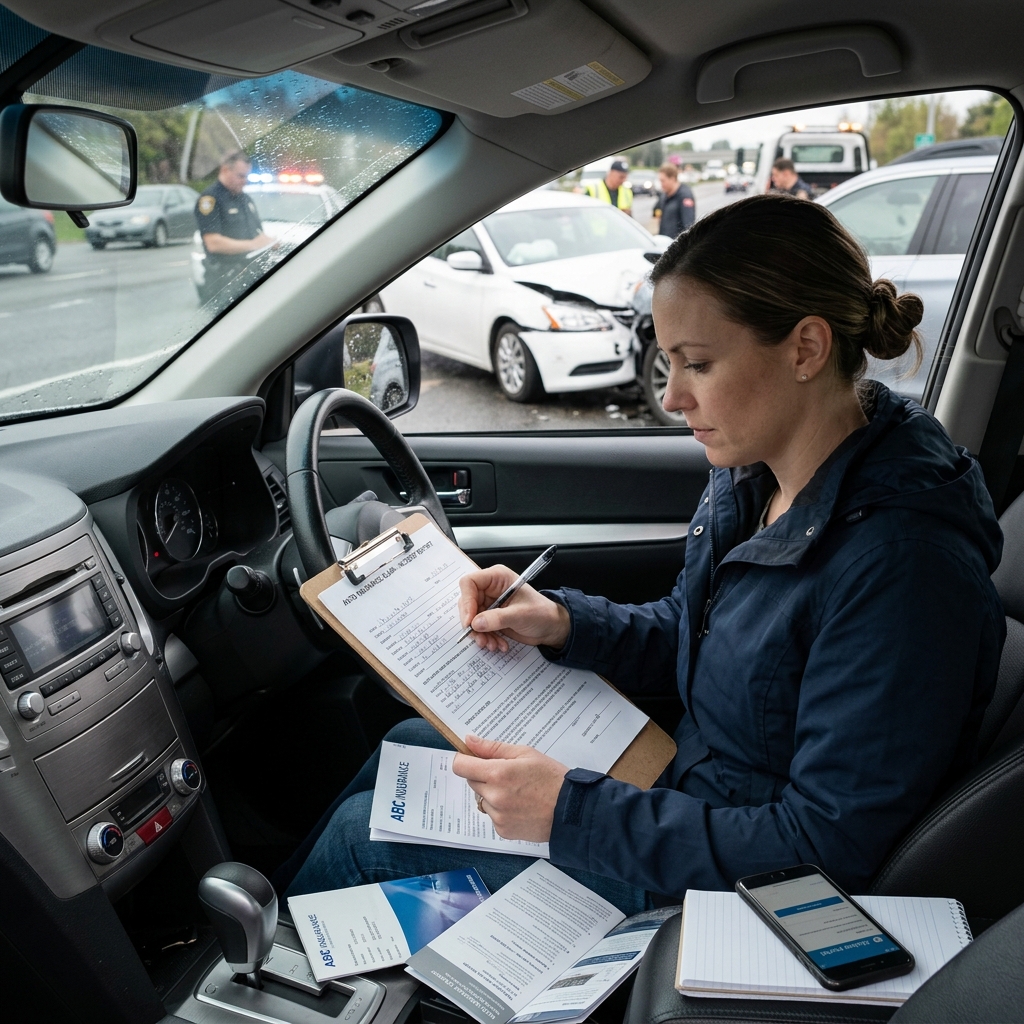
Being involved in a motor vehicle accident is stressful enough; dealing with auto insurance claims on top of injuries, repairs, and lost time can feel overwhelming. Understanding how claims work, what insurers look for, and which rights you have under the law makes a significant difference in the compensation you ultimately receive.[10]
This guide explains the key steps and concepts in plain language, from what to do at the crash scene to negotiating with adjusters and, if necessary, consulting an attorney for serious disputes.
Core Principles of Auto Insurance Claims
Auto insurance claims revolve around two basic questions: who is financially responsible and how much the losses are worth. Most crashes involve at least one insurance company, and often more than one.
- Liability: Who caused or contributed to the accident under traffic laws and negligence rules.
- Coverage: Which types of losses are covered under each involved policy (property damage, bodily injury, medical payments, collision, comprehensive, etc.).[10]
- Proof: What evidence exists about how the crash happened and what losses actually occurred.
- Deadlines: Time limits imposed by the policy and state law for reporting, documenting, and settling claims.[10]
Claims can be made under your own policy (first-party claims) or against another driver’s insurer (third-party claims), depending on fault and the coverages purchased.
Immediate Steps After a Collision
Your actions in the minutes and hours after a crash are crucial. They protect health and safety, but they also create the evidence that will support your claim.
Safety and Emergency Response
- Check for injuries and call 911 if anyone appears hurt or if there is significant property damage.
- Move vehicles out of traffic when it is safe to do so, or turn on hazard lights to warn other drivers.
- Cooperate with police officers at the scene and provide honest, factual information for the accident report.
Gathering Essential Information
Insurers rely heavily on the details collected at or soon after the scene. Try to document the crash before vehicles are moved or debris is cleared.
- Other drivers’ names, addresses, phone numbers, driver’s license numbers, and insurance policy details.
- Photographs of vehicle damage, license plates, road layout, traffic signals, skid marks, and weather conditions.
- Names and contact information for any eyewitnesses.
- Date, time, exact location, and a brief written summary of how the crash occurred.
When possible, request the police report number and the agency name, as insurers often ask for this information.[10]
First-Party vs. Third-Party Claims
After an accident, you may have the option to file with your own insurer, the other driver’s insurer, or both.
| Type of Claim | Who You File Against | Typical Uses | Key Features |
|---|---|---|---|
| First-party claim | Your own insurance company | Collision damage to your vehicle, medical payments, uninsured/underinsured motorist, comprehensive losses.[10] | Often faster; subject to your deductibles and policy limits; policy duties must be followed strictly.[10] |
| Third-party claim | Other driver’s insurance company | Property damage and bodily injury when another driver is at fault. | No deductible; must prove the other driver’s liability; insurer has no contractual duty to you beyond applicable law. |
Choosing where to file may depend on fault disputes, how quickly you need repairs, and whether the at-fault driver has sufficient coverage or any insurance at all.[10]
Filing Your Auto Insurance Claim
Most insurers encourage policyholders to report accidents as soon as reasonably possible, even when the damage appears minor.[10]
How to Report the Claim
- Call the number on your insurance card or use your insurer’s website or mobile app to start a claim.[10]
- Provide basic facts: date, time, location, identities of those involved, description of what happened, and whether injuries occurred.[10]
- Submit supporting documents such as photos, police reports, medical records, and repair estimates as requested.[10]
Many companies now offer digital tools that allow uploading photos, tracking claim status, and scheduling inspections, which can speed up the process.[10]
Documents and Evidence Insurers Commonly Request
- Accident photos and diagrams showing the point of impact and vehicle positions.
- Police report or incident number, if law enforcement responded.[10]
- Medical records and bills for any treatment received after the collision.[10]
- Proof of lost income, such as employer statements or pay stubs, if the accident kept you from working.
- Repair estimates or appraisals for vehicle damage.[10]
Keeping your records organized and copying everything you send to insurers helps avoid disputes about what was submitted and when.[10]
Working With Insurance Adjusters
Once a claim is opened, an insurance company typically assigns an adjuster to investigate and evaluate it.
- The adjuster may contact you within a few days to ask questions, review evidence, and arrange vehicle inspections.
- For injury claims, the adjuster may request medical records and may ask you to sign authorizations; review such forms carefully and consider legal advice if the request is broad.
- Adjusters compare your account with the police report, witness statements, and damage patterns to assess fault and damages.
Although adjusters should handle claims fairly under state insurance regulations, they also work for the insurer. It is important to be truthful, but cautious, and avoid speculating about fault or minimizing injuries before you know their full extent.
Understanding Types of Compensation
Auto claims can involve several distinct categories of loss. Knowing these helps you avoid overlooking legitimate damages.
Property Damage
- Costs to repair or replace your vehicle, based on pre-accident market value and extent of damage.
- Damage to other property, such as fences, mailboxes, or personal items inside the vehicle.
- Rental car expenses if your vehicle is undriveable and your policy or the other driver’s coverage includes rental reimbursement.[10]
Bodily Injury and Related Losses
- Medical bills for emergency care, diagnostic tests, surgery, rehabilitation, and medications.
- Lost wages or loss of earning capacity when injuries interfere with work.
- Pain and suffering and other non-economic damages, which may be estimated using multipliers applied to medical expenses or other methods.
Insurers often classify medical and wage-related sums as special damages, then consider intangible harms as general damages in settlement discussions.
Claim Timelines and Legal Deadlines
Policies frequently impose internal deadlines for reporting accidents and submitting bills, while state law sets external deadlines for lawsuits and certain claims.[10]
- Policy-based time limits may govern how quickly you must notify the insurer, provide proof of loss, or challenge a claim decision.[10]
- Statutes of limitation control how long you have to file a lawsuit for bodily injury or property damage; for example, one state may allow several years for property claims but less time for injury claims.
- Claims against government entities often follow shorter and more complex timelines, sometimes requiring advance notice before suit.
If you miss key deadlines, you may lose the ability to recover anything, even if the underlying claim would otherwise have been strong.[10]
Common Claim Disputes and How to Respond
Not all claims proceed smoothly. Disagreements can arise over liability, the scope of coverage, or the value of losses.
Frequent Areas of Conflict
- Fault disagreements: Each driver may insist the other caused the crash, leading to contested liability decisions.
- Coverage limitations: Certain policies may exclude specific types of loss, such as particular forms of diminished value or non-listed drivers.
- Damage valuations: Insurers may offer less than you believe your vehicle or injury claim is worth.
Strategies When You Disagree With an Offer
- Request a detailed explanation of how the insurer calculated the settlement figure.
- Provide additional documentation, such as competing repair estimates or updated medical records, to support a higher amount.
- Escalate the matter within the company or file a complaint with your state insurance department if you believe claim-handling rules are violated.[10]
- Consult a lawyer experienced in auto accidents if the dispute involves significant injuries, long-term disability, or clearly inadequate offers.
In some cases, especially third-party claims, you may ultimately need to either accept the insurer’s final offer or pursue a lawsuit before the statute of limitations expires.
Practical Tips to Strengthen Your Claim
A few practical habits greatly increase your chances of a fair settlement.
- Stay organized: Keep a dedicated folder (physical or digital) with all photos, reports, bills, and correspondence.[10]
- Communicate in writing: Follow up important phone conversations with e-mails or letters summarizing what was discussed.[10]
- Track symptoms and treatment: Maintain a journal of pain levels, medical visits, and activity limitations to capture non-economic impacts.
- Avoid premature statements: Do not guess about causes or minimize injuries before medical professionals complete their evaluations.
- Review your policy: Understanding deductibles, limits, and exclusions ahead of time helps manage expectations during negotiations.[10]
When Legal Advice Becomes Important
While minor property damage claims are often resolved without attorneys, legal advice is valuable whenever serious injuries, complex coverage issues, or clear liability disputes arise.
- Significant or permanent injuries, major surgeries, or long-term rehabilitation.
- Deaths or multi-vehicle collisions involving multiple insurers.
- Accidents with commercial vehicles or government-owned cars, which may involve different rules.
- Denials of coverage based on policy interpretations or alleged misrepresentations in the application.
An attorney can review medical and accident evidence, negotiate with adjusters, and advise whether filing suit is prudent before key deadlines expire.
SEO-Optimized FAQs About Auto Insurance Claims
How soon should I report a car accident to my insurance company?
Most policies require prompt reporting, and consumer guidance from insurance organizations recommends contacting your insurer as soon as possible, often from the scene or within a few days.[10] Waiting too long may complicate investigation and, in some cases, violate policy conditions.[10]
Can I file both a claim with my insurer and the other driver’s insurer?
Yes. You may open a first-party claim under your own coverage (for collision, medical payments, or uninsured/underinsured motorist) and a third-party claim against an at-fault driver’s insurer for property damage and bodily injury.[10] The coordination of these claims depends on state law and policy language, so reading your policy or seeking legal advice is important.
Do I need a police report to file an auto insurance claim?
A police report is helpful but not always mandatory. Insurers often ask for a report or incident number when one exists, yet claims can still proceed without it if you provide other evidence like photos, witness statements, and detailed notes.[10]
What if the other driver’s insurance company denies liability?
If the other driver’s insurer refuses to accept fault or offers a very low settlement, you can present additional evidence, escalate the dispute inside the company, seek help from your state insurance department, or consult a lawyer about pursuing litigation before the statute of limitations expires.
How are pain and suffering damages calculated in an auto claim?
Insurers frequently estimate non-economic damages by starting with medical expenses and applying a multiplier that reflects injury severity, impact on daily life, and recovery time. The exact amount is negotiable and may increase when injuries are serious, long-lasting, or well-documented.
References
- Filing a Claim with Another Driver’s Insurance Company — Illinois Department of Insurance. 2023-05-01. https://idoi.illinois.gov/consumers/consumerinsurance/auto/filing-an-auto-claim-with-anothers-insurance-company.html
- How to file an auto insurance claim — Insurance Information Institute. 2022-09-15. https://www.iii.org/article/how-do-i-file-claim
- Were you in a wreck? Tips for auto insurance claims — Texas Department of Insurance. 2023-04-10. https://www.tdi.texas.gov/tips/what-to-do-after-a-wreck.html
- So You’ve Had an Accident, What’s Next? — California Department of Insurance. 2021-08-30. https://www.insurance.ca.gov/01-consumers/105-type/95-guides/01-auto/hadaccident.cfm
- Frequently Asked Questions about Auto Insurance Claims — Commonwealth of Massachusetts, Mass.gov. 2025-01-20. https://www.mass.gov/info-details/frequently-asked-questions-about-auto-insurance-claims
- How to File an Auto Insurance Claim — Progressive. 2023-03-01. https://www.progressive.com/answers/how-to-file-an-auto-claim/
- Insurance Claims After an Accident: The Basics — FindLaw. 2022-11-05. https://www.findlaw.com/injury/accident-injury-law/insurance-claims-after-an-accident-the-basics.html
Similar Articles








Read full bio of Sneha Tete




