
Felony Disorderly Conduct: Charges, Consequences, and Defense
Understand when disorderly conduct becomes a felony, what penalties you may face, and how to respond if you are charged.
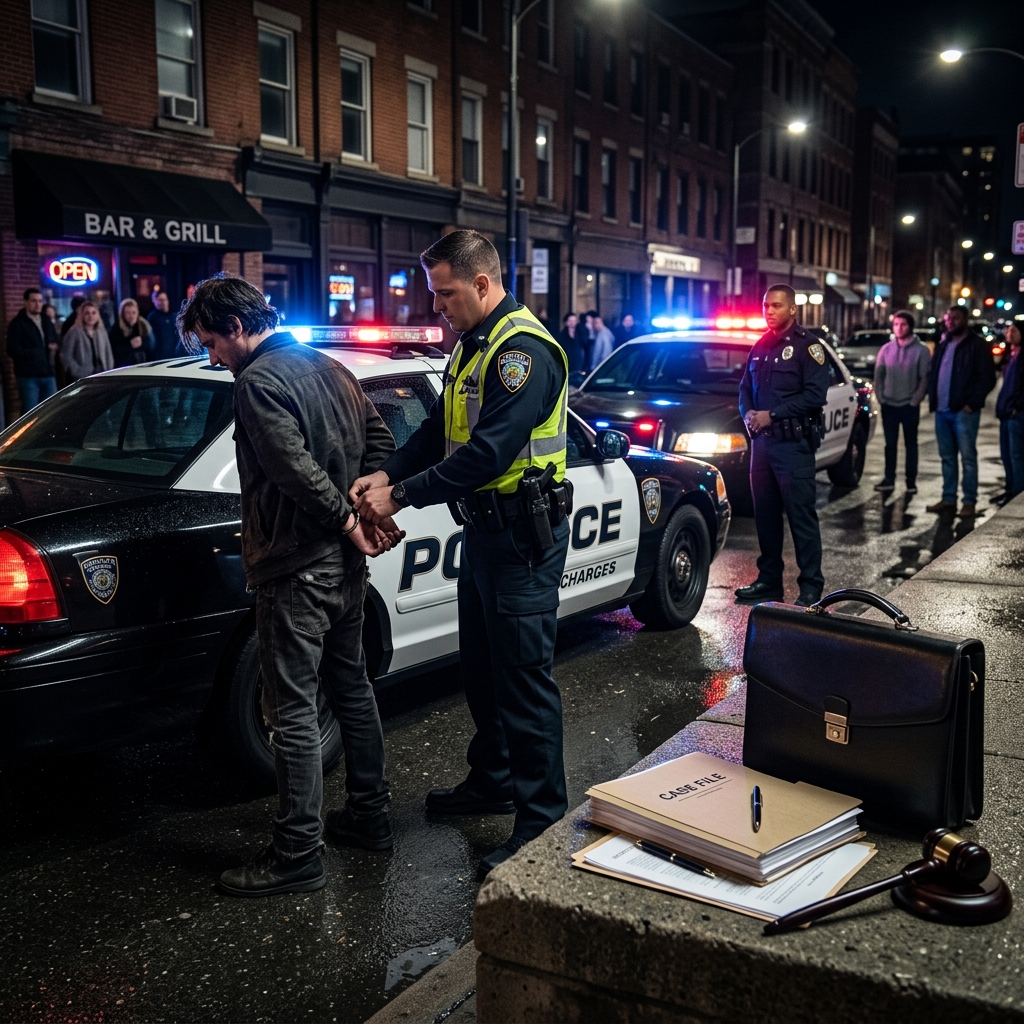
Disorderly conduct is usually treated as a minor offense, but under certain circumstances it can escalate into a felony charge with far-reaching consequences. Understanding when and why this happens is critical if you or someone you know is facing a serious public disturbance charge.
This article explains the legal concept of disorderly conduct, identifies situations where it may be prosecuted as a felony, outlines potential penalties, and discusses practical defense strategies. It draws on examples from several U.S. jurisdictions while remaining general enough to be useful nationwide.
What Is Disorderly Conduct?
In broad terms, disorderly conduct refers to behavior that disrupts public order, peace, or safety, or offends community standards in a way that affects others rather than just the person acting. Statutes vary by state, but common elements include:
- Acting in a way that disturbs or threatens public peace or safety
- Using abusive or obscene language or gestures in a public place
- Making excessive or unreasonable noise
- Engaging in fighting, violent, or tumultuous behavior
- Creating a hazardous or physically offensive condition without legitimate purpose
Most laws require some form of intent or awareness, such as acting intentionally, knowingly, or recklessly in disturbing others or creating a risk of harm.
Misdemeanor vs. Felony Disorderly Conduct
In the majority of cases, disorderly conduct is charged as an infraction or a misdemeanor, punishable by fines, short jail terms, or both. However, specific aggravating factors can raise the offense to a felony in some jurisdictions.
| Type of Charge | Typical Circumstances | Common Penalties |
|---|---|---|
| Misdemeanor / Infraction | Minor disturbances, loud noise, non-violent public misbehavior | Fines, community service, up to several months in jail |
| Felony Disorderly Conduct | Use or display of weapons, prior convictions, serious threats to safety, or special protected locations | Longer jail or prison terms, higher fines, probation, long-term collateral consequences |
In some states, repetition of the offense after prior convictions or involvement of weapons can trigger felony treatment even for conduct that would otherwise be a misdemeanor.
Common Behaviors That May Lead to a Disorderly Conduct Charge
While statutory language differs, many states list similar examples of disorderly conduct. A few representative behaviors include:
- Fighting or violent behavior in a public place
- Threatening conduct that causes fear or risk of injury
- Unreasonable or excessive noise, especially after being asked to stop
- Abusive, obscene, or profane language or gestures intended to provoke a disturbance
- Obstructing traffic or interfering with a lawful public assembly
- Creating hazardous conditions without a legitimate purpose (for example, blocking an emergency exit or tampering with safety equipment)
Some statutes also include specific conduct like public intoxication, loitering, or peeping into private dwellings, depending on the state.
When Disorderly Conduct Becomes a Felony
Felony disorderly conduct is not a universal category across all states, but several jurisdictions elevate disorderly conduct or similar public disturbance offenses under particular conditions. Common factors that may lead to felony-level charges include:
1. Use or Display of Weapons
Many statutes treat disorderly conduct involving firearms or other deadly weapons more seriously. For example, some states increase penalties when a person discharges a firearm in a public place or brandishes a weapon in a way designed to alarm others.
- Firing a gun in a public area not designated for shooting
- Pointing or displaying a weapon in a threatening manner
- Firing a weapon across public roads or close to crowds
These acts may transform an otherwise minor public disturbance into a charge approaching felony seriousness, especially where statutes specifically classify weapon-related disorderly conduct at a higher level.
2. Repeated Offenses or Prior Convictions
In some jurisdictions, repeat offenders face enhanced penalties. For example, Wisconsin law allows disorderly conduct to be punished more harshly after prior convictions, and certain related conduct can be charged as a felony when it occurs under specified circumstances or in connection with repeated harassment.
The idea behind these laws is that repeated disturbances or harassment show a higher level of disregard for public order, justifying more severe sanctions.
3. Serious Threats to Public Safety
Disorderly conduct that creates a substantial risk of serious injury, property damage, or large-scale disruption may be prosecuted under broader felony statutes, such as crimes involving threats, intimidation, or terroristic behavior, even if labeled under a disorderly conduct or disturbing-the-peace framework.
Examples include:
- Making credible threats of violence against a group of people
- Creating hazardous conditions that could cause serious harm (for instance, interfering with emergency services or safety systems)
- Engaging in conduct that incites immediate violent reactions from others
4. Special Locations and Protected Settings
Some laws treat disorderly conduct more severely when it occurs in sensitive locations, such as airports, government buildings, schools, or near funerals or religious services.
Conduct that might otherwise be a misdemeanor can be elevated when it disrupts essential public functions, interferes with security, or shows disrespect for solemn occasions.
Potential Penalties for Felony Disorderly Conduct
Penalties for felony disorderly conduct depend heavily on state law and the specific facts of the case. Still, they are consistently more severe than those for misdemeanor disorderly conduct.
Comparison: Misdemeanor vs. Felony Consequences
| Consequence Type | Misdemeanor Disorderly Conduct | Felony Disorderly Conduct |
|---|---|---|
| Maximum Incarceration | Often up to 15–180 days in jail, depending on state | Possible multi-year prison term (varying by statute and aggravating factors) |
| Fines | Typically several hundred to a few thousand dollars | Substantially higher fines; may be combined with restitution |
| Record Impact | Misdemeanor criminal record; may affect employment and housing | Felony record with long-term impact on civil rights and opportunities |
| Additional Conditions | Probation, community service, mandatory classes | Extended probation, stricter reporting conditions, potential restrictions on firearm possession |
Even in states where disorderly conduct itself is not explicitly labeled as a felony, related conduct (such as weapon use or serious threats) may be charged under other felony statutes alongside or instead of disorderly conduct.
Elements the Prosecution Must Prove
To secure a conviction, the prosecution must usually prove each element of the offense beyond a reasonable doubt. Although specifics differ by state, common elements include:
- Conduct element: The defendant engaged in prohibited behavior, such as fighting, threatening, making unreasonable noise, or creating hazardous conditions.
- Public or contextual element: The conduct occurred in a place or under circumstances where it affected or risked affecting others (often a public location).
- Mental state: The defendant acted intentionally, knowingly, or recklessly, or with an intent to cause alarm, inconvenience, or risk to public safety.
- Aggravating factors: For felony charges, prosecutors must prove any statutory aggravators, such as use of a weapon, prior convictions, or conduct in a protected setting.
If any one of these elements is not adequately established, the defense may argue for dismissal, acquittal, or reduction of the charge.
Defense Strategies in Felony Disorderly Conduct Cases
Defending against felony disorderly conduct requires careful analysis of the statute, the alleged conduct, and the evidence. While strategies differ by jurisdiction and case, common approaches include:
1. Challenging the Nature of the Conduct
A core question is whether the defendant’s actions truly fit the statutory definition of disorderly conduct. Defense counsel may argue that:
- The behavior was protected expression, such as speech or peaceful protest, rather than criminal conduct.
- The noise or disturbance was not unreasonable under the circumstances.
- The alleged threats did not rise to the level required by law or were misinterpreted.
This line of defense is especially important where statutes could, if applied too broadly, infringe on constitutional rights such as freedom of speech and assembly.
2. Disputing the Mental State
Because many statutes require intentional or knowing behavior, demonstrating that the defendant lacked the required mental state can be crucial. For example:
- The defendant did not realize their conduct would be disturbing or hazardous.
- The disturbance resulted from misunderstanding or accident rather than deliberate action.
- There was no intent to incite violence or cause public alarm.
3. Contesting Aggravating Factors
In felony cases, the defense may focus on weakening the prosecution’s proof of aggravating circumstances, such as:
- Arguing that a weapon was not actually used or displayed in a threatening manner.
- Questioning whether the location qualifies as a protected setting under the statute.
- Contesting the validity or relevance of prior convictions used to enhance penalties.
4. Procedural and Evidence-Based Challenges
Defendants and their counsel also frequently explore procedural defenses and evidentiary issues, such as:
- Whether law enforcement had legal grounds to stop, detain, or arrest the defendant.
- Potential violations of constitutional rights during investigation or questioning.
- Reliability of witness statements and any video or audio recordings.
Successful challenges can result in suppression of evidence, weakening the prosecution’s case and possibly leading to dismissal or more favorable plea offers.
Practical Steps If You Are Charged
Facing a felony disorderly conduct charge can be alarming, but taking prompt and informed steps can significantly influence the outcome of your case:
- Seek legal counsel immediately. A criminal defense lawyer familiar with local statutes can assess the charges and advise on strategy.
- Avoid discussing details of the incident with police or others without legal advice, as informal statements can later be used against you.
- Preserve evidence that may support your version of events, including photographs, recordings, or contact information for potential witnesses.
- Comply with court dates and conditions of release or bail to avoid additional charges or penalties.
- Consider collateral consequences—such as employment, housing, or immigration implications—when evaluating plea options.
Frequently Asked Questions (FAQs)
Is disorderly conduct always a minor offense?
No. While disorderly conduct is usually an infraction or misdemeanor, certain circumstances—especially involving weapons, repeat offenses, or serious threats—can lead to felony-level treatment or related felony charges.
Can loud music alone lead to a felony charge?
Excessive noise is a common basis for misdemeanor disorderly conduct. It generally does not become a felony by itself, but if combined with other factors (such as weapons, threats, or disruption of critical services), more serious charges may be possible.
Does private conduct count as disorderly conduct?
Many statutes focus on public places, but some laws also apply to private locations if the conduct tends to provoke a disturbance or affects neighbors or the wider community. The key question is whether the behavior impacts others’ peace, safety, or rights.
Will a disorderly conduct conviction stay on my record?
Yes. Both misdemeanor and felony convictions typically remain on your criminal record and can affect employment, housing, licensing, and other opportunities. Some jurisdictions allow expungement or record sealing under certain conditions, but eligibility rules vary.
Do I need a lawyer for a disorderly conduct charge?
Legal representation is strongly recommended for any criminal charge, and especially for suspected felony disorderly conduct. A lawyer can review the evidence, explain local law, negotiate with prosecutors, and defend you in court.
References
- Disorderly Conduct — Legal Information Institute, Cornell Law School. 2023-05-01. https://www.law.cornell.edu/wex/disorderly_conduct
- Disorderly Conduct Laws — Justia Criminal Law Center. 2022-09-15. https://www.justia.com/criminal/offenses/other-crimes/disorderly-conduct/
- Disorderly Conduct — Wisconsin Statutes § 947.01. Wisconsin Legislature. 2021-11-01. https://docs.legis.wisconsin.gov/statutes/statutes/947/01
- Disorderly Conduct — Texas Penal Code § 42.01. Texas Legislature. 2021-09-01. https://statutes.capitol.texas.gov/docs/PE/htm/PE.42.htm
- Disorderly Conduct — Wikipedia (summary of state approaches; primary statutes cited separately). 2023-08-10. https://en.wikipedia.org/wiki/Disorderly_conduct
- Breach of the Peace; Disorderly Conduct — Florida Statute § 877.03. Online Sunshine, Official Internet Site of the Florida Legislature. 2022-01-01. https://www.leg.state.fl.us/Statutes/index.cfm?App_mode=Display_Statute&URL=0800-0899/0877/Sections/0877.03.html
Similar Articles








Read full bio of medha deb




