
HUD Apartments and Tenant Rights in New York
A practical legal guide to HUD apartments, eligibility, tenant protections, and discrimination remedies for New York renters.
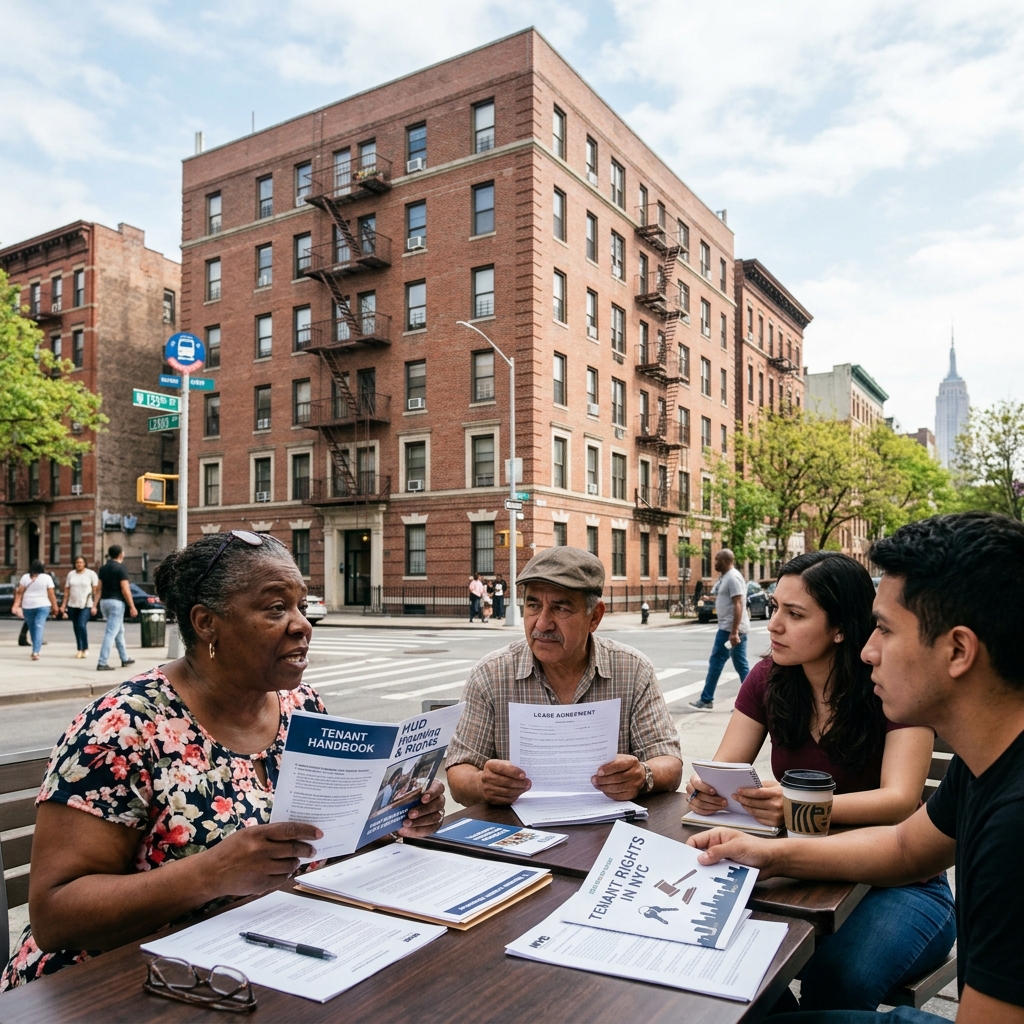
New York offers a range of HUD-supported housing options designed to make rent more affordable for low- and moderate-income residents. Understanding how these programs work, who qualifies, and what legal protections apply can help you secure stable housing and respond effectively if your rights are violated.
Overview of HUD and Affordable Housing in New York
The United States Department of Housing and Urban Development (HUD) is the federal agency responsible for national housing policy, funding, and enforcement of many housing-related laws. In New York, HUD works with state and local agencies to support different forms of affordable housing and to enforce fair housing protections.
HUD-supported housing in New York generally falls into three broad categories:
- HUD apartments with reduced rents tied to income.
- Housing Choice Vouchers (Section 8) used in private-market rentals.
- Public housing owned or managed by public housing authorities.
Each type of housing has its own eligibility rules, application process, and set of tenant responsibilities, but all are governed by baseline federal protections and New York State tenant laws.
Key Types of HUD-Related Housing Programs
Income-Based HUD Apartments
Some apartment buildings in New York receive HUD subsidies in exchange for offering units at below-market rents to eligible tenants. In these properties, the rent is usually calculated based on your household income rather than prevailing market prices.
Common features of HUD-subsidized apartments include:
- Rent based on a percentage of household income (often around 30% of adjusted income in public housing and voucher programs).
- Written leases that must comply with federal regulations and local landlord–tenant law.
- Obligations for landlords to maintain habitable, safe units.
Section 8 Housing Choice Vouchers
The Housing Choice Voucher program, commonly called Section 8, allows eligible households to rent privately owned apartments while a public housing authority pays part of the rent directly to the landlord. Tenants pay the remaining share, also based on income.
Core aspects of Section 8 in New York include:
- Vouchers are issued by local public housing authorities (PHAs), such as NYCHA in New York City.
- Tenants can use vouchers with participating landlords in qualifying units that meet program standards.
- Housing authorities inspect units for basic quality and safety before approving them.
Public Housing Developments
Public housing refers to developments owned and operated by public housing authorities, funded in part by HUD. In New York, dozens of PHAs manage buildings for low-income families, seniors, and people with disabilities.
Public housing tenants typically:
- Pay income-based rent, generally capped at a percentage of adjusted household earnings.
- Have access to grievance procedures to dispute rent calculations, maintenance issues, or proposed lease terminations.
- Are protected by federal due process rules before eviction, including notice and hearing rights.
Eligibility Rules for HUD Housing in New York
Eligibility criteria vary slightly between HUD apartments, vouchers, and public housing, but they all focus primarily on income and household characteristics.
Income Limits and Household Composition
Public housing and voucher programs are generally limited to low-income individuals and families, as defined by HUD and local housing authorities. Income limits are usually tied to area median income (AMI) and adjusted for household size.
Typical factors used to determine eligibility include:
- Total household income and sources of income.
- Number of people in the household and their ages.
- Citizenship or eligible immigration status, in line with federal regulations.
Basic Application Process
To apply for HUD-related housing in New York:
- Contact your local Public Housing Authority for public housing or Section 8 vouchers.
- In New York City, use NYCHA’s online self-service portal for many applications.
- Provide documentation of income, assets, and household composition so the authority can assess eligibility and calculate assistance.
Because demand for affordable housing is high, waiting lists are common, and some lists may be closed when a program is at capacity.
Core Tenant Rights in HUD-Assisted Housing
Tenants in HUD apartments, public housing, and voucher-supported units benefit from both general New York tenant protections and specific federal rules. Several rights apply regardless of the type of HUD assistance.
Right to Safe and Habitable Housing
New York tenants have a broad right to safe, sanitary, and habitable housing conditions, including adequate heat, water, and structural safety. Landlords in HUD-related housing must meet these standards and comply with housing quality inspections where required.
Protection from Housing Discrimination
The federal Fair Housing Act prohibits discrimination in most housing transactions, including HUD-assisted properties, based on protected characteristics. In New York, these protections are reinforced—and expanded—by state and local laws.
| Law | Protected Characteristics | Scope |
|---|---|---|
| Federal Fair Housing Act | Race, color, national origin, religion, sex, familial status, disability | Most rental and home purchase transactions, including HUD-assisted housing |
| NY State Human Rights Law | Includes federal categories and adds source of income and other characteristics | Statewide protection for tenants, including voucher users |
| NYC Human Rights Law | Broad list of protected traits, including lawful source of income | Strong protections within New York City for renters in all housing types |
Landlords, brokers, and property managers may not refuse to rent, impose different terms, or harass tenants based on these protected characteristics.
Source of Income Protections
New York law specifically protects tenants who use vouchers or subsidies to pay rent. In both New York State and New York City, it is illegal for a landlord to deny an applicant or treat a tenant worse because they rely on a housing voucher or other lawful source of income.
Examples of prohibited conduct include:
- Refusing to accept a Section 8 voucher solely because it is a voucher.
- Advertising units as “no programs” or “no vouchers”.
- Charging higher rent or fees to voucher holders than to other tenants.
Reasonable Accommodations for Tenants with Disabilities
Tenants with disabilities are entitled to reasonable accommodations in housing when necessary to use and enjoy their homes. This may include physical modifications to units, policy changes, or other adjustments, as long as they do not pose undue hardship to the housing provider.
In practice, accommodations might involve:
- Installing grab bars or ramps.
- Allowing a service or support animal in a “no pets” building.
- Adjusting parking or mail delivery arrangements.
Tenants typically request accommodations directly from landlords or housing authorities, and written requests can be helpful for documentation.
Tenant Responsibilities in HUD-Related Housing
Alongside enhanced protections, tenants in HUD-supported housing programs have important responsibilities. Failure to meet them can jeopardize continued assistance.
- Paying rent on time: Tenants must pay their income-based portion of rent as agreed in the lease.
- Maintaining the unit: Residents are expected to keep apartments reasonably clean and avoid intentional damage.
- Following lease rules: Occupancy limits, guest policies, and other lease terms apply just as in private rentals.
- Reporting changes in income or household: Changes can affect rent calculations and continued eligibility and must be reported to the housing authority.
Responding to Housing Problems and Discrimination
When tenants in HUD-related housing experience unsafe conditions, discrimination, or threats of eviction, several legal and administrative remedies are available.
Using Grievance Procedures and Housing Court
Public housing tenants often have access to formal grievance procedures mandated by HUD, allowing them to challenge decisions by housing authorities, such as rent changes or lease terminations.
In addition, any New York tenant can use Housing Court to pursue claims related to habitability, repairs, or unlawful eviction attempts. Legal aid organizations and tenant advocacy groups frequently assist tenants in navigating these processes.
Filing Fair Housing Complaints
Victims of housing discrimination have several avenues for filing complaints:
- HUD Office of Fair Housing and Equal Opportunity (FHEO): Tenants can file federal fair housing complaints online or by phone.
- NYC Commission on Human Rights: In New York City, tenants may file discrimination complaints under city human rights law within specific time limits.
- New York State Division of Human Rights: Statewide complaints can be made here, including for source of income discrimination.
Deadlines apply. For many administrative complaints, tenants must file within one year of the discriminatory act, while civil lawsuits may allow more time.
Seeking Legal and Counseling Support
Tenants in HUD-assisted housing who face complex problems can benefit from professional guidance. Options include:
- HUD-approved housing counselors, who offer advice tailored to your situation.
- Legal aid and nonprofit organizations that specialize in tenant rights and housing discrimination issues.
- State resources, such as the New York Attorney General’s guides for residential tenants.
Frequently Asked Questions
Who qualifies for HUD apartments in New York?
Qualification for HUD apartments is based primarily on household income, family size, and eligibility status under HUD rules. Applicants must typically fall within low-income limits defined relative to area median income and pass any additional screening criteria imposed by the housing provider or public housing authority.
How much rent will I pay in a HUD-assisted unit?
In many HUD-supported programs, including public housing and Section 8 vouchers, tenants pay a portion of rent based on a percentage of their adjusted household income, while the program covers the remainder. The exact amount depends on your income, deductions, and any local policies.
Can a landlord refuse to accept my Section 8 voucher?
In New York City and across New York State, landlords generally may not refuse to rent to you solely because you use a Section 8 voucher or other lawful subsidy. Such source of income discrimination is prohibited under state and city human rights laws.
What should I do if my landlord discriminates against me?
If you believe you have experienced discrimination, document the behavior and communications, then consider filing a complaint with HUD, the NYC Commission on Human Rights, or the New York State Division of Human Rights. You may also consult a legal aid organization to explore court options or receive representation.
Where can I find more information or help?
Tenants can contact HUD or local public housing authorities for program specifics, use HUD-approved housing counseling agencies for individualized guidance, and seek assistance from legal services organizations or the New York Attorney General’s office for detailed tenant rights information.
References
- New York | HUD.gov — U.S. Department of Housing and Urban Development. 2024-02-15. https://www.hud.gov/states/new-york
- Housing Discrimination Under the Fair Housing Act — U.S. Department of Housing and Urban Development. 2023-06-01. https://www.hud.gov/helping-americans/fair-housing-act-overview
- Residential Tenants’ Rights Guide — Office of the New York State Attorney General. 2022-11-10. https://ag.ny.gov/publications/residential-tenants-rights-guide
- Housing & Tenant Rights — Legal Services NYC. 2023-03-20. https://www.legalservicesnyc.org/resources/housing-foreclosure/
- What You Need to Know About Housing Discrimination & Using a Rental Voucher Subsidy — The Legal Aid Society. 2023-07-19. https://legalaidnyc.org/get-help/housing-problems/what-you-need-to-know-about-housing-discrimination-using-a-rental-voucher-subsidy/
- Public Housing Tenant Rights in NYC: A Complete Guide — Outerbridge Law P.C. 2022-09-05. https://www.outerbridgelaw.com/blog/public-housing-tenant-rights-in-nyc-a-complete-guide/
- About Section 8 — New York City Housing Authority. 2023-10-02. https://www.nyc.gov/site/nycha/section-8/about-section-8.page
Similar Articles








Read full bio of medha deb


