
Legal Options Against Bad Contractors in South Carolina
Understand your rights, complaint procedures, and lawsuit strategies when a South Carolina contractor delivers poor, incomplete, or dishonest work.
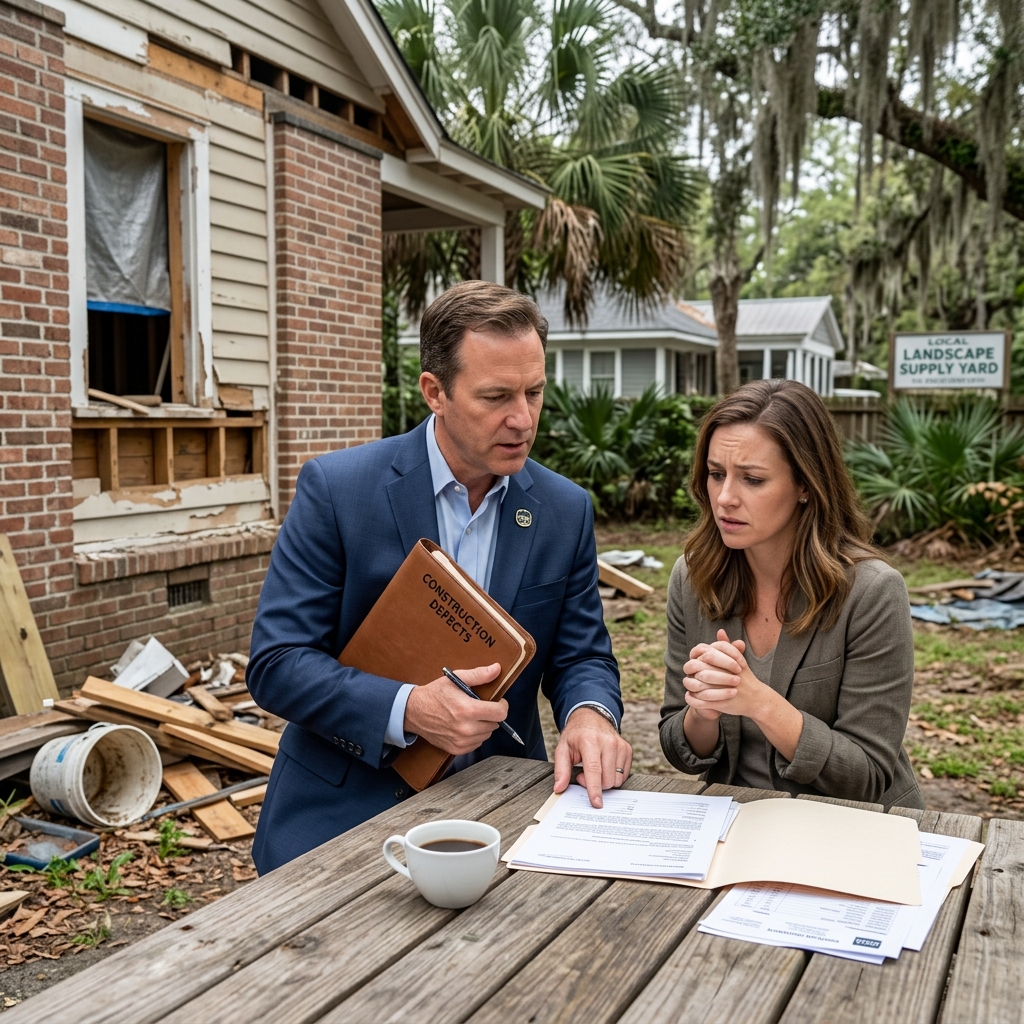
Hiring a contractor to build, remodel, or repair your home is a major investment. When the contractor delivers poor workmanship, abandons the project, or refuses to honor the contract, the consequences can be expensive and stressful. South Carolina law gives homeowners several ways to respond to these problems, ranging from informal negotiation to formal complaints and lawsuits. Understanding these options before you act can help you protect your property, your wallet, and your legal rights.
Understanding Your Relationship With the Contractor
Every dispute with a contractor starts with the basic legal relationship between you and the company or individual you hired. In South Carolina, that relationship is usually governed by a written contract, applicable building codes, licensing rules, and general negligence principles that require construction work to be reasonably safe and workmanlike.
Key elements of the homeowner–contractor relationship include:
- The contract – Sets the scope of work, price, timeline, and payment schedule.
- Building codes and standards – Require minimum safety and construction practices and can be used to show defects or substandard work.
- Licensing rules – Determine who may legally perform certain work and can affect enforcement of contracts and liens.
- Duty of care – Contractors must perform work in a reasonably careful, workmanlike manner, consistent with industry standards.
Before you decide what to do, gather and organize your documents:
- Signed contract and any change orders
- Invoices, receipts, and payment records
- Emails, text messages, and letters with the contractor
- Photos and videos showing the work and alleged defects
- Inspection reports or expert opinions, if available
Common Problems Homeowners Face With Contractors
Disputes can arise from many types of contractor conduct. Recognizing the nature of the problem helps you choose the right remedy.
- Incomplete or abandoned work – Contractor stops work before completion or disappears after receiving payment.
- Poor workmanship – Visible defects, structural issues, water intrusion, uneven surfaces, or code violations.
- Use of improper materials – Cheaper or non-compliant materials substituted without consent.
- Payment and billing disputes – Unexpected charges or refusal to perform additional agreed work without extra payment.
- Permit or licensing issues – Work performed without required permits, or by an unlicensed individual where a license is required.
Some problems fall mainly under contract law (failure to do what was promised), while others are more clearly construction defects or negligence (unsafe or substandard work causing property damage or injury). In many cases, both theories overlap, and a lawsuit might assert multiple claims at the same time.
First Steps Before Escalating the Dispute
Court is usually the last step, not the first. Taking practical preliminary actions can often resolve the dispute faster and at lower cost.
Communicate Clearly and in Writing
Send the contractor a concise written notice describing the problems you see, what you want done, and a reasonable deadline to respond. This could be an email or a letter, but it should:
- Identify the contract and the specific work at issue
- List the defects, delays, or incomplete items
- Reference any code concerns or safety issues you are aware of
- State whether you want repairs, completion, or a refund
Written communication creates a record that can be useful if the dispute later goes to a complaint process or court.
Document the Condition of the Property
Thorough documentation is critical for construction disputes.
- Photograph and video any visible defects or incomplete areas.
- Keep records of water leaks, cracks, or structural movement as they develop over time.
- Consider hiring an independent inspector or construction expert to evaluate the work and issue a report.
Consider Legal Consultation Early
An experienced South Carolina construction or contractor dispute attorney can help evaluate whether negotiation, a regulatory complaint, or a lawsuit is appropriate. Early advice can prevent missteps, such as accepting an inadequate repair or missing important deadlines.
Non-Court Options: Negotiation, Settlement, and Board Complaints
Not every contractor dispute must lead to a lawsuit. Homeowners often resolve issues through direct negotiation or regulatory complaint processes.
Informal Negotiation and Mediation
Informal negotiation may be effective when the contractor is responsive and willing to fix issues. You can propose:
- A detailed punch list with deadlines for correction
- Partial refund or price reduction for defects you agree to accept
- Mutual agreement to hire a third party to finish or repair the work
In some situations, mediation with a neutral professional can help both sides reach a settlement without litigation. While mediation is less formal than court, agreements reached can be put in writing and made enforceable.
Filing a Complaint With the South Carolina Contractor’s Licensing Board
When the dispute involves licensed contractors and alleged violations of licensing laws or construction standards, homeowners may file a formal complaint with the South Carolina Contractor’s Licensing Board. The Board’s primary role is to protect the public and enforce licensing and standards; it does not directly award money damages like a court, but its actions can pressure contractors to address problems.
Key features of the Board complaint process include:
- Complaint filing – The homeowner submits an online complaint form, notarizes it, and provides supporting documents such as the contract and permit records.
- Jurisdiction review – The Board decides whether the complaint falls within its statutory authority. If not, the complainant is notified.
- Investigation – If accepted, the Board may assign a case number and send an investigator to inspect the property for code violations or deviations from construction standards.
- Report and possible action – A written report is provided to both homeowner and contractor. If violations appear, the case may go to an internal review conference and can result in caution letters, consent agreements, citations, or a contested hearing before the full Board.
While the Board’s actions are regulatory, you can use its findings and inspection reports to support a civil lawsuit or insurance claim. The complaint process also creates pressure on contractors to bring projects into compliance.
When a Lawsuit Becomes Necessary
If the contractor refuses to cooperate, defects are serious, or financial loss is substantial, filing a lawsuit may be the only viable way to seek compensation. Lawsuits are typically filed in South Carolina state courts and may involve claims for breach of contract, negligence, and construction defects.
Key Legal Theories Against Contractors
| Claim Type | What You Must Show | Typical Remedies |
|---|---|---|
| Breach of contract | Contract existed; contractor failed to perform as promised (e.g., did not finish work, ignored plans, or used wrong materials); you suffered financial loss. | Cost to repair or complete work, restitution of payments, possibly consequential damages. |
| Negligence | Contractor had a duty to perform work reasonably; breached that duty through careless or unsafe construction; the breach caused property damage or injury; you suffered actual damages. | Repair costs, property damage, personal injury damages, economic loss. |
| Construction defect | Work contains design or construction defects that fail to meet code or industry standards; contractor or other parties (developer, subcontractor, architect) are responsible. | Cost of correcting defects, diminished property value, related damages. |
Who Can Be Sued for Construction Problems?
South Carolina law recognizes that multiple parties may be liable for defects in a home or building, not just the main contractor.
- Developers – Responsible for overall project concept and may have contractual obligations to buyers.
- General contractors – Coordinate work and often bear primary responsibility for construction quality.
- Subcontractors – Perform specialized work (e.g., electrical, plumbing, roofing) and can be directly liable for defects in their trade.
- Design professionals – Architects and engineers may be liable for design errors or failure to comply with applicable standards.
Identifying all responsible parties is important because some may have greater resources or insurance, improving the chances of recovery.
Licensing Issues and Their Impact on Contractor Disputes
Licensing plays a significant role in contractor disputes in South Carolina. State statutes limit the ability of unlicensed contractors to use the courts to enforce contracts or file certain liens. This can influence both negotiations and litigation strategy.
Restrictions on Unlicensed Contractors
Under South Carolina law:
- An entity that is required to be licensed but does not hold a valid license may not bring an action at law or equity to enforce a contract for that work.
- Contractors required to be licensed or registered may not file a mechanics’ lien without proof of license or registration.
For homeowners, this can be an important defense if an unlicensed contractor attempts to sue for unpaid amounts or threatens to file a construction lien. It may also influence how a court views the contractor’s conduct in your dispute.
Deadlines and Time Limits for Construction Claims
Legal deadlines, known as statutes of limitation and statutes of repose, define how long you have to sue. Missing these deadlines can completely bar your claim, even if the contractor’s work was clearly defective.
As an example, South Carolina law imposes time limits relating to residential construction defect claims, including:
- Discovery-based limitation period – Homeowners generally have a limited number of years from the date they knew or should have known of a construction problem to file suit.
- Statute of repose – An outer limit after which no claims may be brought, even if a defect is discovered later. A common repose period cited for construction claims in South Carolina is eight years from substantial completion of the improvement.
These rules are technical and can vary based on the type of claim and property. Consulting an attorney promptly when you notice serious defects helps ensure you do not lose rights by delay.
Evidence Needed to Prove Your Case
Winning a lawsuit against a contractor depends heavily on the quality of your evidence. Courts look for objective proof of defects, causation, and damages.
Types of Evidence Commonly Used
- Contracts and written communications – Show what was promised and how the contractor responded to complaints.
- Inspection and expert reports – Independent professionals can explain how the work violates codes, deviates from industry standards, or creates safety risks.
- Photographs, videos, and site visits – Provide visual support for claims about defects and incomplete work.
- Permits and official records – Confirm whether proper permits were obtained and inspections passed or failed.
- Financial records – Document payments made, repair costs, and other economic losses.
In negligence and construction defect cases, expert testimony is often essential. Courts need technical explanations of why the construction falls below standard and how that caused specific damage.
Working With a South Carolina Construction Law Attorney
Because construction law combines contract principles, technical building standards, and regulatory rules, many homeowners find it difficult to navigate disputes alone. South Carolina attorneys who focus on construction defect and contractor disputes can provide guidance at each stage.
Typical services an attorney may provide include:
- Reviewing your contract and advising on your rights and obligations
- Evaluating whether you should pursue negotiation, a Licensing Board complaint, or a lawsuit
- Coordinating inspections and retaining experts to evaluate defects
- Preparing and filing Board complaints or court pleadings
- Negotiating settlements or representing you in trial
Many law firms offer initial consultations for homeowners with construction problems, which can be an efficient way to understand your options and the potential costs of litigation.
Frequently Asked Questions About Suing Contractors in South Carolina
Can I sue my contractor for poor workmanship?
Yes. If the contractor’s work fails to meet the standards promised in the contract or violates basic industry or code standards, you may have claims for breach of contract, negligence, or construction defects. You must be able to prove the defects, the contractor’s responsibility, and your resulting damages.
Do I have to file a complaint with the Contractor’s Licensing Board before going to court?
No. Board complaints and civil lawsuits are separate processes. Filing with the Board is optional but can be helpful if licensing violations or code violations are involved. However, some residential construction defect situations require specific notice procedures before suing, so you should check applicable statutes or consult an attorney.
What if my contractor is not licensed?
If the contractor should have held a license but did not, South Carolina law may bar that contractor from enforcing the contract or filing certain liens. This can strengthen your position in a payment dispute. Unlicensed work may also support claims of negligence or violation of regulatory standards.
How much time do I have to bring a claim?
Time limits vary based on the type of claim and property. In many construction defect situations, homeowners have a limited number of years from discovering a problem to file suit, subject to an overall statute of repose often set at eight years from substantial completion. Because these deadlines can be complex, you should seek legal advice as soon as you suspect serious defects.
Can I recover the full cost to fix the contractor’s mistakes?
Courts commonly award damages based on the reasonable cost to repair or complete the work, plus potentially additional losses if the defects caused further damage or economic harm. The exact amount depends on evidence of actual costs, the nature of the defects, and whether the contractor can show that some claimed repairs go beyond what was originally promised.
Is it worth hiring a lawyer for a smaller dispute?
For smaller dollar amounts, you may prefer negotiation, mediation, or small claims options. However, even in smaller disputes, a brief consultation with an attorney can clarify whether you are overlooking important rights or deadlines, and whether a Board complaint or more formal action is appropriate.
References
- Filing a Complaint Against a Licensee — South Carolina Contractor’s Licensing Board. 2024-01-01. https://llr.sc.gov/clb/complaint.aspx
- Do You Need a Lawyer to Resolve Your Contractor Dispute? — Hayes Law Firm, LLC. 2022-06-15. https://www.hayeslaw.org/news/do-you-need-a-lawyer-to-resolve-your-contractor-dispute
- Contractor Licensing and Standing to Sue in South Carolina — Lexology (summarizing S.C. Code Ann. §§ 40-11-370(C), 40-59-30(B), 29-5-15(A)). 2017-10-02. https://www.lexology.com/library/detail.aspx?g=7557fef8-9d03-4368-a08b-07a376542476
- Construction Defects — Sanders Law Firm, LLC. 2023-05-01. https://www.sanderslawfirm.com/construction-defects/
- South Carolina Construction Defect Lawyers — Steinberg Law Firm. 2023-04-10. https://www.steinberglawfirm.com/construction-defect/
Similar Articles








Read full bio of medha deb




